U-shaped toothbrushes are quickly gaining attention in the oral care market. They are especially popular with parents, caregivers, and brands that value efficiency and ease of use. Although U-shaped toothbrushes look simple, their production is complex. The process involves material science, precision molds, and strict quality control. Understanding U-shaped toothbrush manufacturing helps buyers and brands evaluate product safety, durability, and long-term performance.
In this article, we explore how manufacturers make U-shaped toothbrushes—from choosing materials to conducting the final inspection. We also examine what sets high-quality manufacturers apart from the rest.

What Makes U-Shaped Toothbrush Manufacturing Unique?
Unlike traditional straight-head toothbrushes, U-shaped designs require full-arch coverage and precise symmetry. This creates higher technical demands during production.
In U-shaped toothbrush manufacturing, manufacturers must balance three critical factors:
- Accurate dental arch geometry
- Flexible yet resilient materials
- Consistent bristle alignment for even cleaning pressure
Any deviation in these areas can result in poor fit, uneven brushing, or gum discomfort.
Materials Used in U-Shaped Toothbrush Manufacturing
Material selection is the foundation of product safety and comfort.
Medical-Grade Silicone for the Brush Head
Most U-shaped toothbrushes use food-grade or medical-grade silicone. This material is:
- BPA-free and non-toxic
- Soft enough to protect gums
- Resistant to deformation after repeated use
High-quality silicone remains flexible even after thousands of compression cycles. This property is essential for daily oral care products.

Internal Structural Components
Manufacturers often make the internal frames or cores of U-shaped electric toothbrushes from reinforced polymers. These materials help support vibration and keep the brush stable during use.
In professional U-shaped toothbrush manufacturing, all materials must pass safety testing and comply with international safety standards.
Mold Design in U-Shaped Toothbrush Manufacturing
Precision mold development is where many manufacturers either succeed or fail.
Custom Mold Engineering
U-shaped toothbrush molds are custom-designed based on dental arch data. Tolerances are extremely tight to ensure the brush fits comfortably across different mouth sizes without excessive pressure.
Manufacturers often use multi-cavity molds to maintain consistency at scale, especially for OEM and private-label production.
Silicone Injection and Curing
The silicone injection process involves:
- Controlled temperature injection
- High-pressure molding to avoid air bubbles
- Time-regulated curing to lock in flexibility.
This step is central to U-shaped toothbrush manufacturing, as defects at this stage are difficult to correct later.
Bristle Formation in U-Shaped Toothbrush Manufacturing
Even though many U-shaped toothbrushes appear “bristle-free,” micro bristle textures or embedded cleaning nodes are precisely engineered.
Manufacturers use micro-etching or secondary molding techniques to ensure:
- Uniform surface texture
- Balanced contact with teeth and gums
- No sharp edges or uneven zones
Poor alignment here can reduce cleaning effectiveness or cause discomfort.
Assembly of U-Shaped Electric Toothbrushes
For electric versions, assembly includes integrating:
- Motors or sonic vibration modules
- Waterproof seals
- Rechargeable battery systems
Each unit undergoes sealing tests to prevent moisture penetration. Consistent assembly standards are essential in large-scale toothbrush production, especially for export markets.
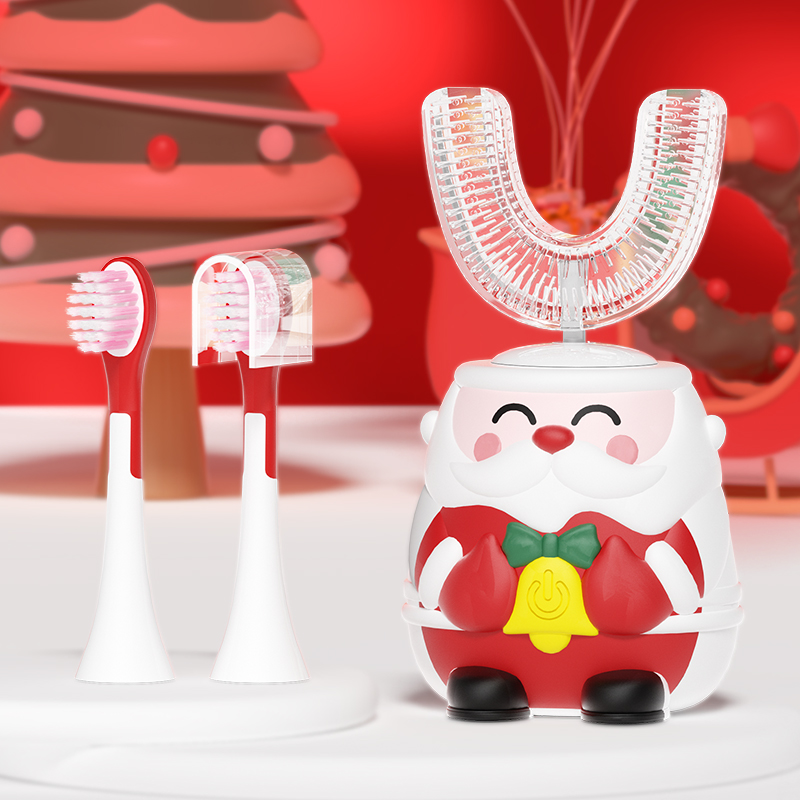
You can explore a range of professionally manufactured models here.


Quality Control in U-Shaped Toothbrush Manufacturing
Quality control is not a single step—it’s a system.
In-Process Inspections
During production, manufacturers test:
- Material hardness and flexibility
- Mold accuracy and dimensional stability
- Surface smoothness and defect rates
Finished Product Testing
Final inspections often include:
- Fit and compression testing
- Electrical safety checks (for electric models)
- Simulated usage cycles
Reputable manufacturers follow quality standards set by professional bodies such as the American Dental Association. These standards emphasize safety, hygiene, and user comfort in oral care products.
Why Manufacturing Transparency Matters for Brands
For brands sourcing U-shaped toothbrushes, understanding U-shaped toothbrush manufacturing is not optional—it’s a competitive advantage.
Transparent production processes help brands:
- Reduce compliance and recall risks
- Build trust with distributors and consumers
- Support long-term brand positioning in oral care
Manufacturers who openly document their materials, molds, and QC systems are more likely to deliver stable quality at scale.
Final Thoughts
U-shaped toothbrushes may look simple, but their production is anything but. From medical-grade silicone selection to precision mold engineering and multi-layer quality control, U-shaped toothbrush manufacturing requires expertise, consistency, and strict standards.
For brands and buyers alike, choosing the right manufacturing partner means looking beyond price and focusing on process integrity. When materials, molds, and quality control work together, the result is a safer and more effective oral care product. Such products meet the expectations of modern consumers.