The oral-care market continues to expand as consumers place greater emphasis on preventive health and daily hygiene. Distributors, retailers, and new oral-care brands can enter the market by launching a private label toothbrush line. This approach eliminates the need to invest in factory facilities.
However, successful sourcing requires more than choosing a product and adding a logo. Understanding manufacturing processes, compliance standards, and supplier capabilities helps brands reduce risk and build long-term success.
This guide explains what brands should know before starting private-label toothbrush production.
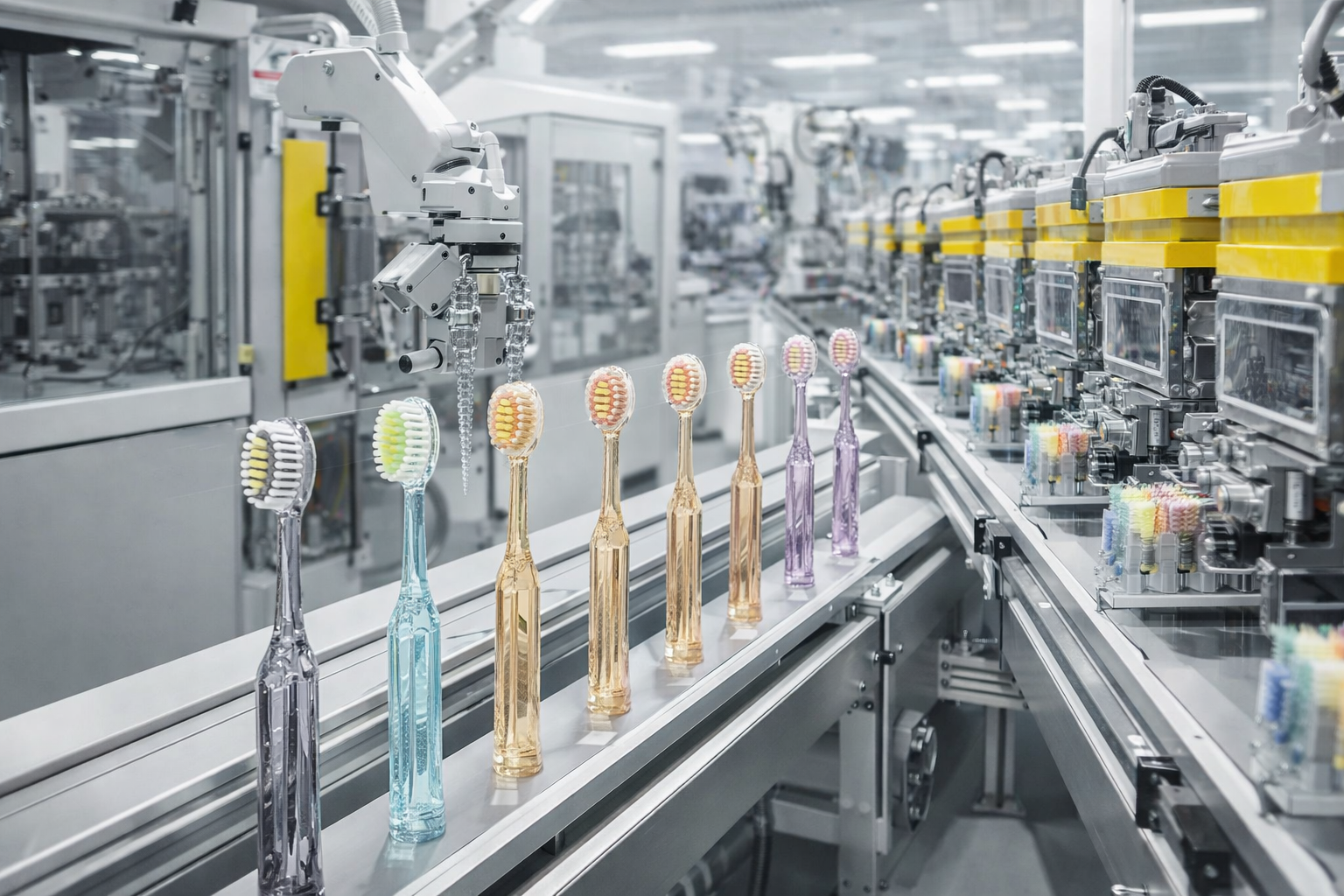
Why Brands Choose a Private Label Toothbrush Strategy
A private label toothbrush allows companies to sell branded oral-care products manufactured by specialized factories. This model offers several advantages for B2B buyers:
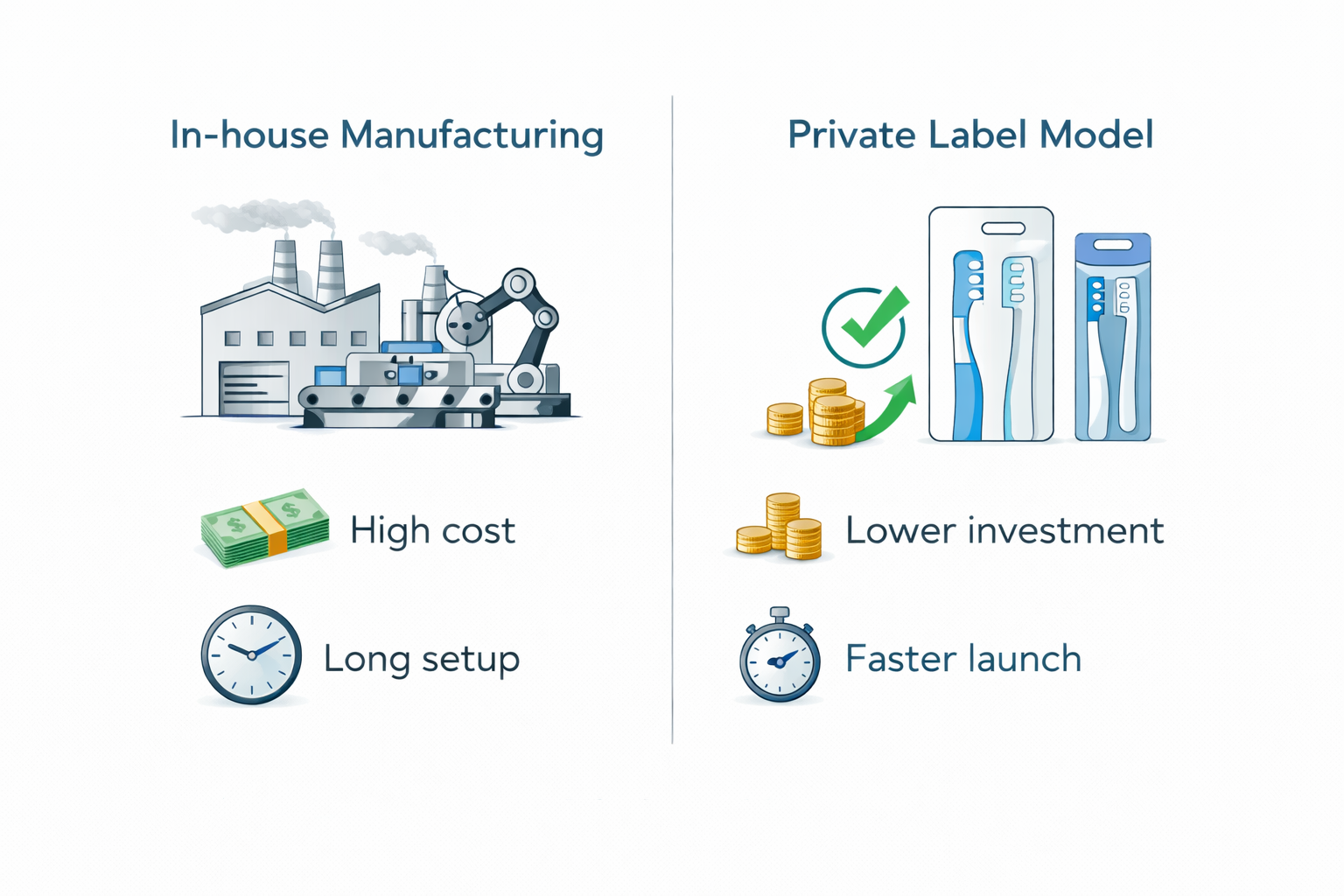
- Faster market entry compared with in-house manufacturing
- Lower upfront investment
- Access to proven production technology
- Flexible product options
Instead of focusing on equipment and production management, brands can prioritize marketing, distribution, and customer relationships.
Manufacturers with established production systems already understand material sourcing, mold development, and quality testing, which shortens development cycles significantly.
Understanding the Private Label Toothbrush Production Process
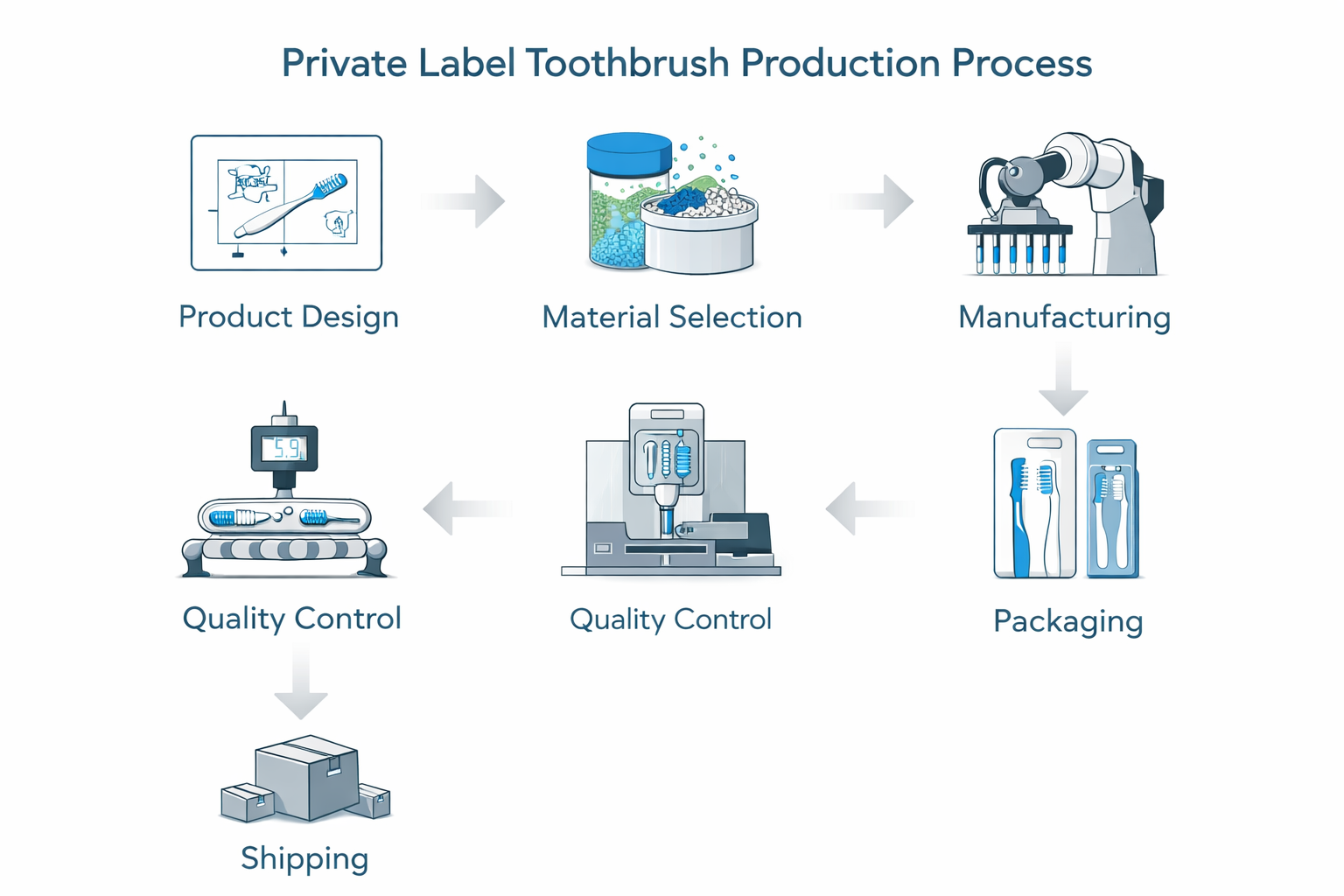
Launching a private label toothbrush involves multiple coordinated stages. Knowing each phase helps brands communicate effectively with suppliers and avoid delays.
1. Product Design and Positioning
Production begins with defining the target audience and product concept. Brands typically decide on:
- Manual or electric toothbrush type
- Bristle material (such as PBT or nylon)
- Handle ergonomics and appearance
- Packaging and branding direction
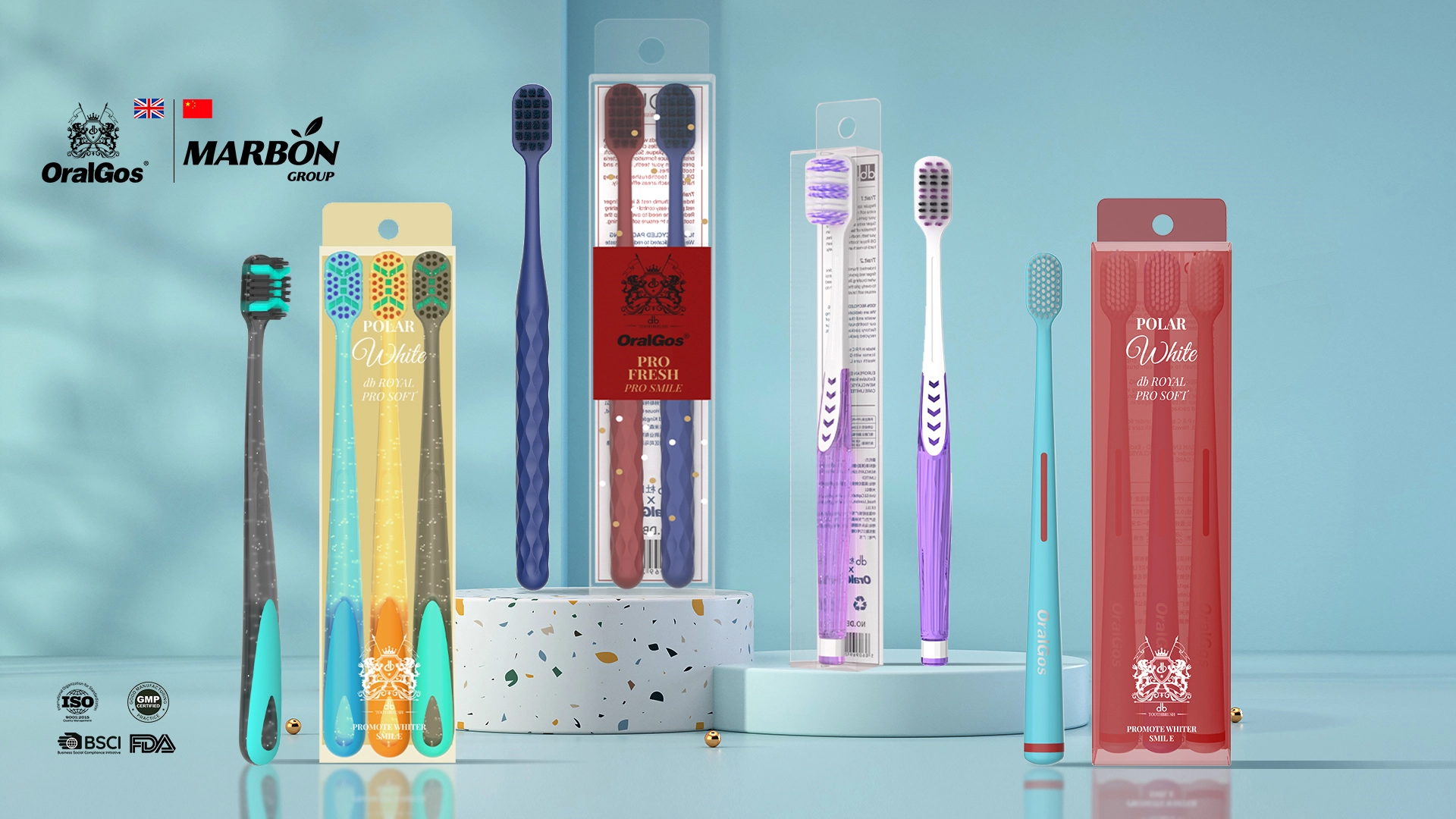
Suppliers often provide existing molds to reduce tooling costs or develop custom designs for better market positioning.
Brands exploring manual options can review available product structures in the manual toothbrush collection.
For powered solutions, brands can explore available models in the electric toothbrush product range.
These product categories help buyers understand available configurations before requesting adjustments.
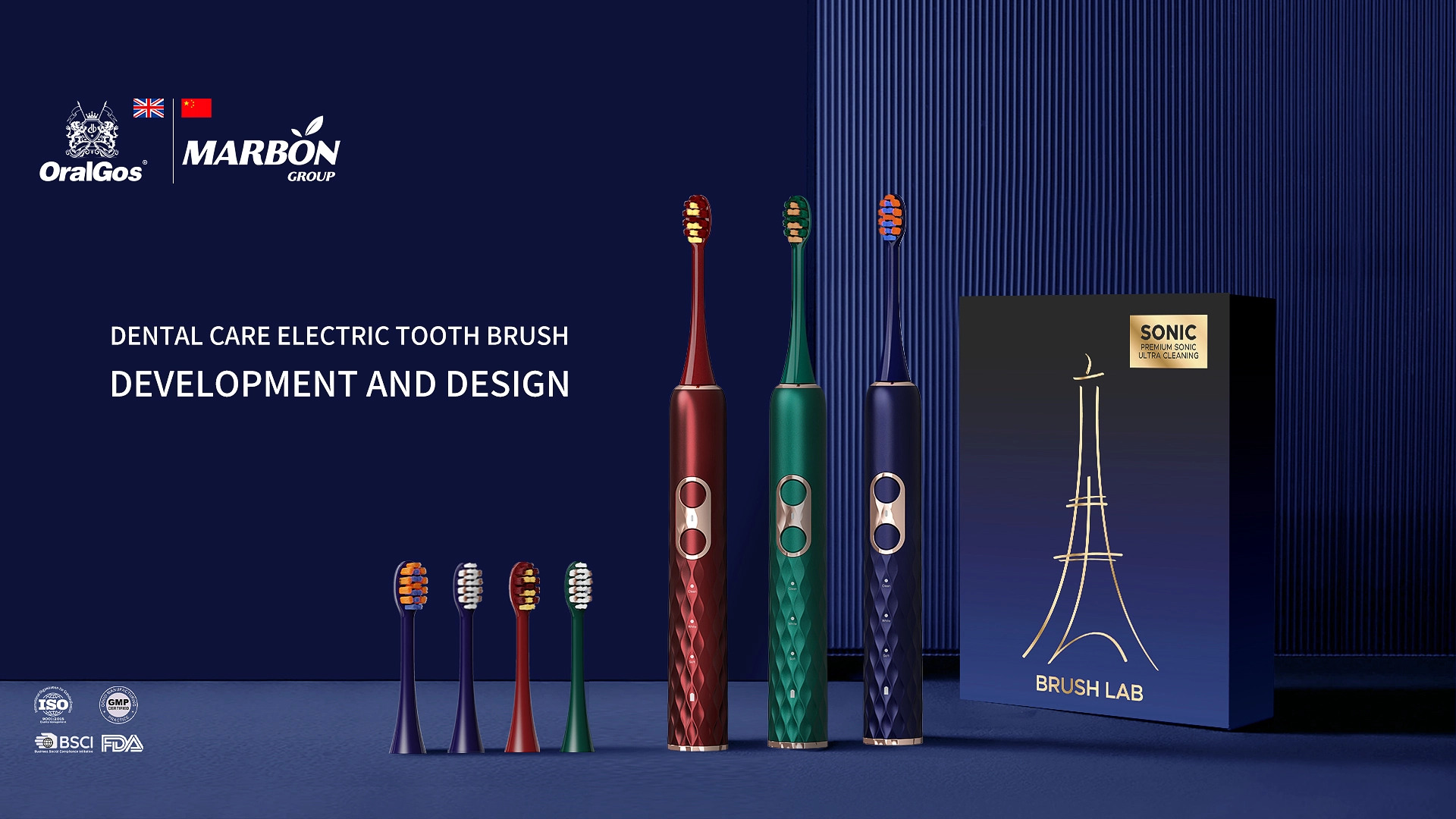
2. Material Selection and Manufacturing
Material quality directly influences durability, comfort, and consumer perception.
Common production elements include:
- Injection-molded handles
- Precision bristle tufting
- End-rounding for gum safety
- Assembly and cleaning processes
Experienced factories automate many stages to maintain consistency across large production volumes. Automation also improves consistency, which is essential for retail brands operating across multiple markets.
3. Quality Control and Compliance Requirements
Quality assurance plays a central role in private-label manufacturing. Reputable suppliers follow strict testing procedures covering:
- Bristle retention strength
- Chemical safety testing
- Handle durability
- Packaging integrity
Brands selling in the United States should align products with professional oral-care recommendations. Guidelines published by the American Dental Association provide useful references for safety expectations and consumer trust standards.
Working with compliant manufacturers reduces regulatory risks and strengthens brand credibility.
How to Choose the Right Private Label Toothbrush Manufacturer
Selecting a manufacturing partner is often the most critical decision in the sourcing process.
Manufacturing Experience
Factories specializing in oral care understand industry-specific requirements such as hygienic production environments and bristle processing technology. Experience often translates into fewer production errors.
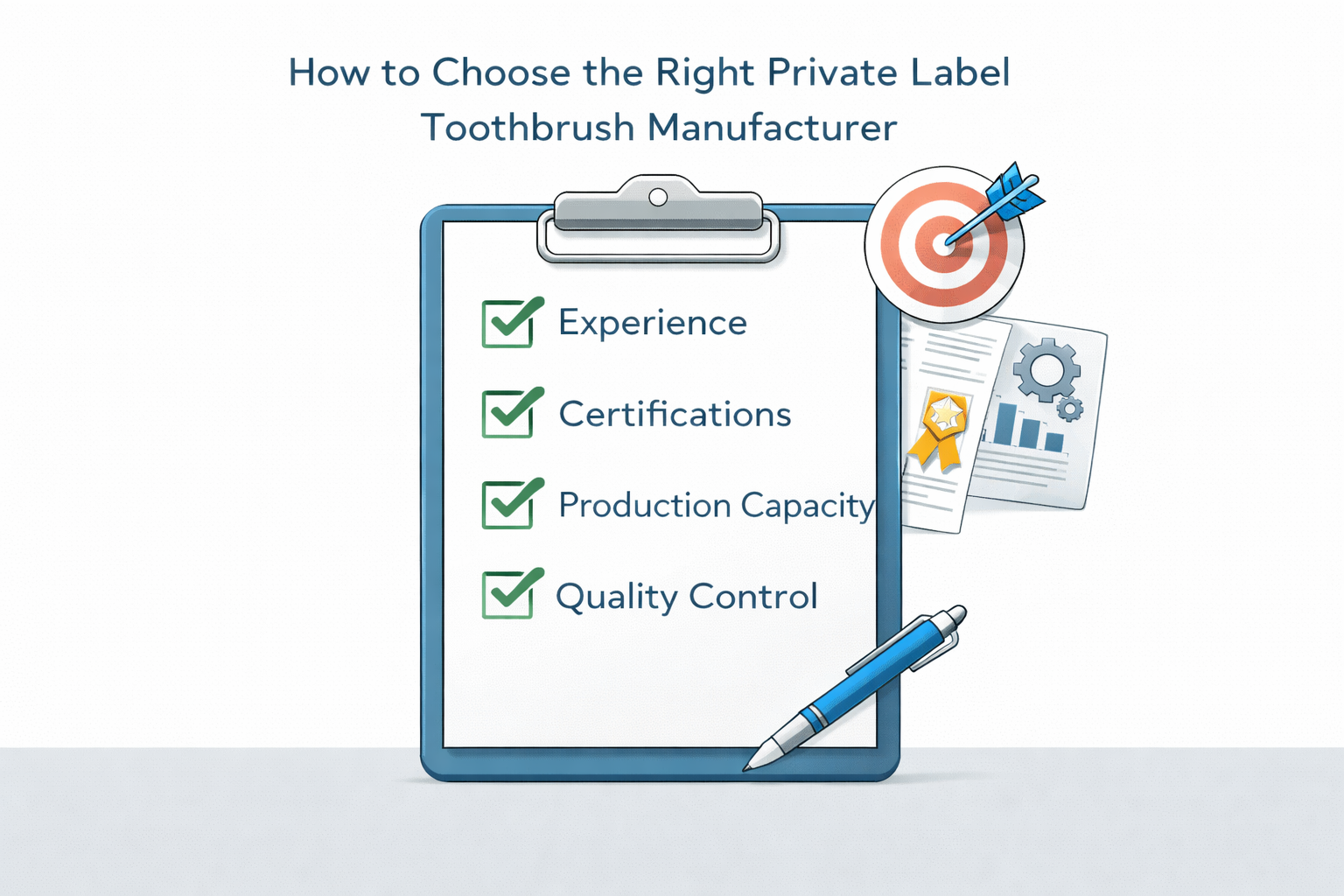
Product Flexibility
A strong supplier should offer:
- Logo printing and packaging design
- Multiple bristle options
- Color and handle options
- OEM and ODM development support
Offering product options allows brands to make their products stand out, even in competitive retail categories.
Supply Chain Stability
Reliable manufacturers maintain stable raw-material sourcing and scalable production capacity. This becomes essential when demand grows quickly after product launch.
Brands should request production timelines, minimum order quantities, and sampling procedures early in discussions.
Cost Factors in Private Label Toothbrush Production
Pricing depends on several variables:
- Tooling and mold development
- Material grade
- Packaging complexity
- Order quantity
- Certification requirements
While lower pricing may appear attractive, inconsistent quality can create long-term brand damage. Many successful buyers prioritize value stability over short-term cost reduction.
Transparent cost breakdowns also help brands forecast margins more accurately.
Common Mistakes Brands Should Avoid
Even experienced distributors sometimes don’t realize how complex production can be. Frequent issues include:
- Choosing suppliers based solely on price
- Skipping sample validation
- Ignoring compliance documentation
- Over-customizing early production runs
Starting with proven product structures and gradually introducing unique features often leads to smoother scaling.
Building a Long-Term Private Label Toothbrush Strategy
A private label toothbrush program should not be viewed as a one-time sourcing project. Instead, it works best as a long-term partnership between brand and manufacturer.
Successful brands typically:
- Develop product roadmaps
- Introduce seasonal or upgraded versions
- Expand from manual to electric toothbrush categories
- Collect customer feedback for iterative improvement
Over time, collaboration with a capable supplier enables faster innovation cycles and stronger brand identity.
Conclusion
Private label toothbrush production provides a practical pathway for brands entering or expanding within the oral-care industry. By understanding manufacturing workflows, compliance expectations, and supplier evaluation criteria, businesses can minimize risk while speeding up market entry.
A well-planned private label toothbrush strategy combines thoughtful product positioning, reliable manufacturing partnerships, and consistent quality management. For B2B buyers, this approach transforms sourcing from a transactional activity into a scalable growth engine.