The global oral-care market continues to evolve as consumer expectations, technology innovation, and international logistics reshape manufacturing strategies. Understanding toothbrush production trends has become essential for brands, distributors, and procurement managers seeking reliable suppliers and scalable growth opportunities.
From automation upgrades to broader regional sourcing, modern toothbrush manufacturing is no longer defined solely by cost efficiency. Instead, flexibility, compliance, and innovation now drive purchasing decisions across global markets.

Understanding Toothbrush Production Trends in the Global Market
Recent toothbrush production trends reveal a shift toward more specialized products and faster development cycles. Manufacturers are investing heavily in research, tooling precision, and sustainable materials to meet both regulatory standards and consumer preferences.
Several key forces are influencing production worldwide:
- Rising demand for premium oral-care products
- Growth of private-label branding
- Increased focus on eco-friendly materials
- Expansion of electric toothbrush adoption
- Stronger quality compliance requirements
Buyers are no longer selecting suppliers based only on price. Instead, they evaluate manufacturing partners based on innovation capability, certification standards, and supply reliability.
Industry guidance from organizations such as the American Dental Association continues to shape product design. It promotes safer materials and better brushing performance based on professional dental recommendations.
Toothbrush Production Trends Driving Manufacturing Innovation
Technological advancement is one of the most visible toothbrush production trends shaping the industry today.
Automation and Smart Manufacturing
Modern factories increasingly use automated tufting machines, robotic assembly lines, and digital quality monitoring systems. Automation improves consistency while reducing human error, which is critical for large-volume orders.
Benefits include:
- Stable product quality across batches
- Faster production timelines
- Reduced defect rates
- Improved ability to grow for global brands
For procurement teams, automated facilities often signal stronger long-term supply stability.
Material Innovation and Eco-Friendly Design
Environmental awareness has encouraged manufacturers to explore eco-friendly handles, recyclable packaging, and water-resistant synthetic bristles such as PBT materials.
Eco-friendly practices have moved from a marketing advantage to a purchasing requirement, particularly in Europe and North America. Buyers increasingly request lifecycle transparency and ESG documentation during supplier evaluations.

Regional Supply Chain Shifts and Sourcing Strategies
Another major aspect of toothbrush production trends involves sourcing from more regions.
Asia as a Manufacturing Hub
China and Southeast Asia remain key production centers. They offer mature supply chains, tooling expertise, and full component ecosystems. These regions offer:
- Integrated raw material sourcing
- Experienced oral-care engineering teams
- Competitive large-scale manufacturing
However, brands now balance cost efficiency with risk management.
Nearshoring and Multi-Supplier Models
Global disruptions have encouraged brands to diversify sourcing strategies. Many procurement managers now adopt dual-supplier or multi-region models to reduce dependency on a single manufacturing location.
This shift improves resilience against:
- Shipping delays
- Regulatory changes
- Currency fluctuations
- Trade policy risks
As a result, supplier transparency and communication capabilities have become critical evaluation criteria.
How Toothbrush Production Trends Influence Product Categories
Changing consumer behavior directly impacts manufacturing priorities. Two product segments show especially strong momentum.
Manual Toothbrush Market Evolution
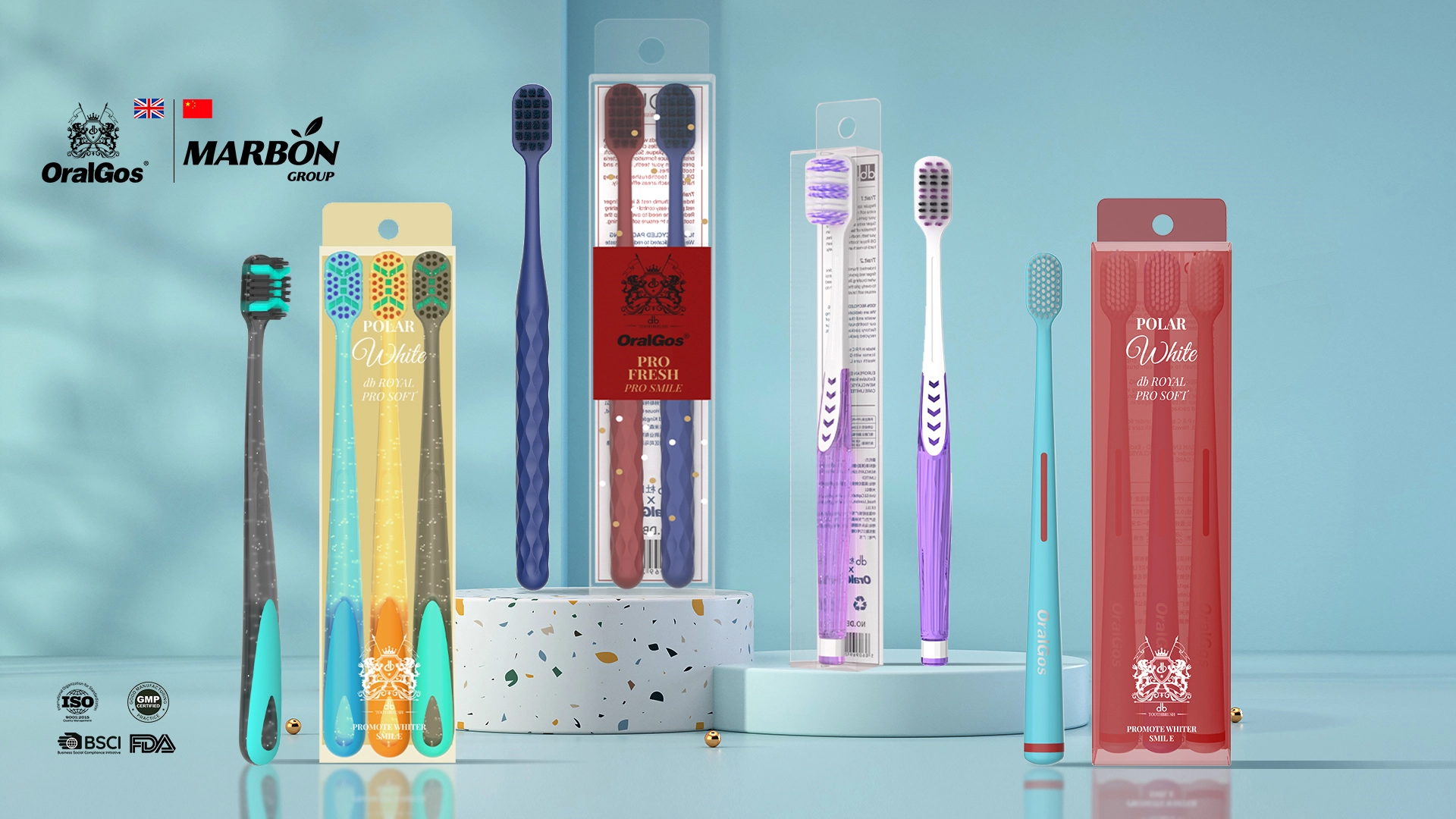
Manual toothbrushes remain the highest-volume category globally. Innovation now focuses on ergonomic design, specialized bristle structures, and targeted user segments such as children or orthodontic users.
Brands exploring scalable sourcing options often evaluate curated product ranges such as professional manual toothbrush collections.
Customization capabilities — including packaging, color matching, and private labeling — play a major role in supplier selection.
Rapid Growth of Electric Toothbrush Manufacturing
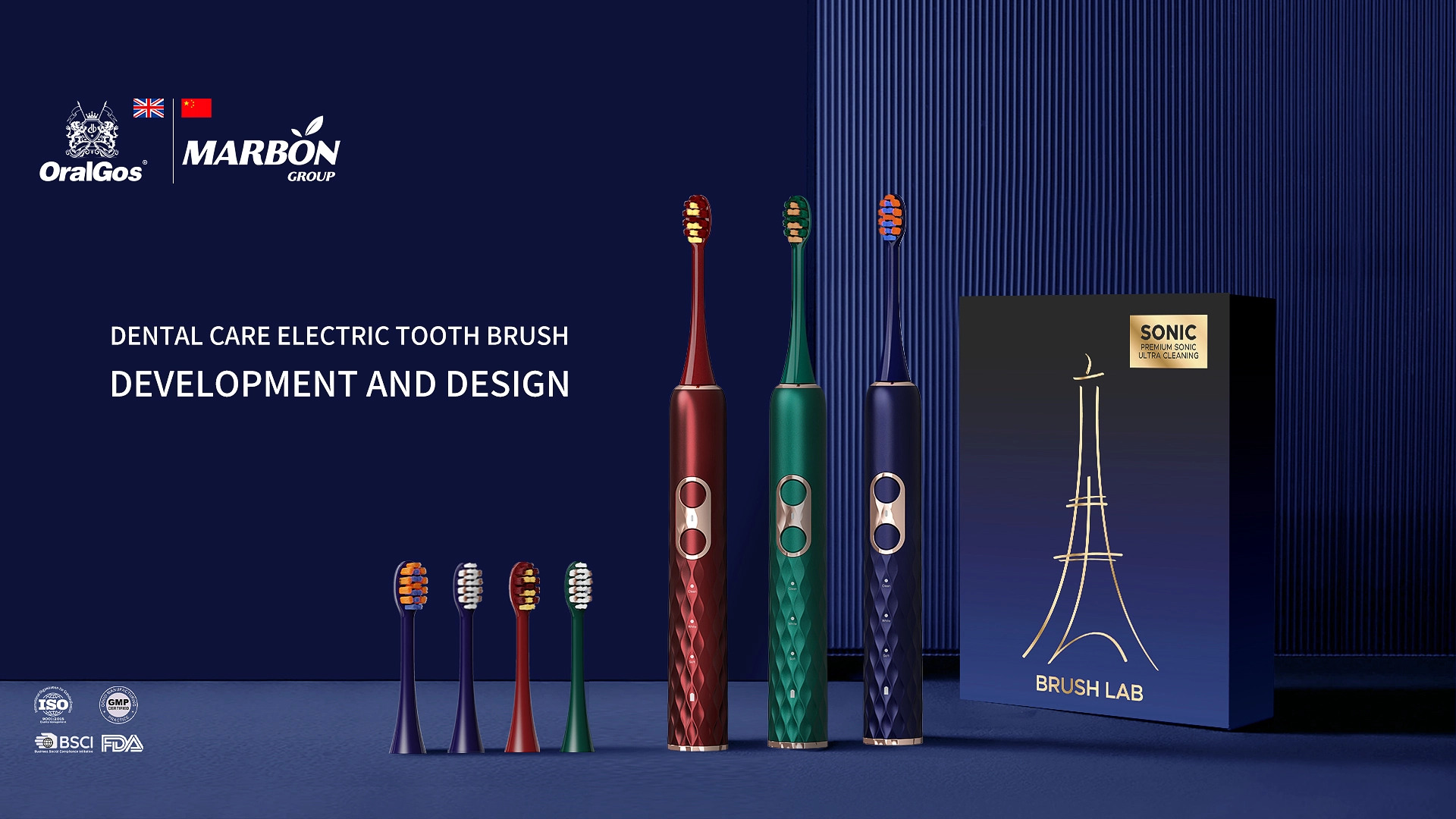
Electric toothbrush adoption continues to accelerate because of growing awareness of oral hygiene technology. Manufacturers are integrating vibration systems, rechargeable batteries, and smart timing features.
Procurement teams seeking advanced product solutions frequently review electric toothbrush manufacturing portfolios.
Electric toothbrush production requires stronger engineering expertise and stricter quality testing compared to manual models, making supplier selection especially important.
Supply Chain Transparency and Quality Compliance
One of the most important toothbrush production trends today is enhanced compliance management.
Global buyers increasingly require:
- ISO-certified production systems
- Material safety documentation
- Social compliance audits
- Performance testing validation
Transparent quality control processes reduce procurement risk and improve brand credibility in competitive markets.
Manufacturers that provide detailed inspection reports, product tracking systems, and collaborative development support are becoming preferred long-term partners.
Strategic Insights for Procurement Decision-Makers
For oral-care brands and distributors, understanding toothbrush production trends enables smarter sourcing strategies.
Key procurement recommendations include:
- Evaluate manufacturing automation levels.
- Assess supplier innovation capability, not only pricing.
- Prioritize compliance and certification readiness.
- Diversify supply chain partnerships.
- Align product development with evolving consumer expectations.
Successful brands treat suppliers as strategic collaborators rather than transactional vendors.

Conclusion: The Future of Toothbrush Production Trends
Global toothbrush manufacturing is entering a phase defined by innovation, resilience, and eco-friendly practices. The latest toothbrush production trends show that supply chain agility and technological investment now determine long-term competitiveness.
For procurement professionals, staying informed about production evolution helps reduce sourcing risks while unlocking new product opportunities. Companies that adapt early by adopting varied sourcing and innovation-driven partnerships will be well positioned to succeed. The oral-care marketplace is changing rapidly, and early movers gain a clear advantage.