Oral care is undergoing a digital transformation. As more consumers use connected health devices, the smart toothbrush is rapidly gaining popularity in personal healthcare. Modern toothbrushes go far beyond basic vibration or rotation. With integrated sensors, AI, and mobile connectivity, they guide users toward better brushing habits and healthier teeth over time.
The growth of connected oral care is part of a larger shift toward preventive healthcare. Today, data and personalized insights are guiding everyday wellness decisions.
Why the Smart Toothbrush Is Reshaping Oral Care Habits
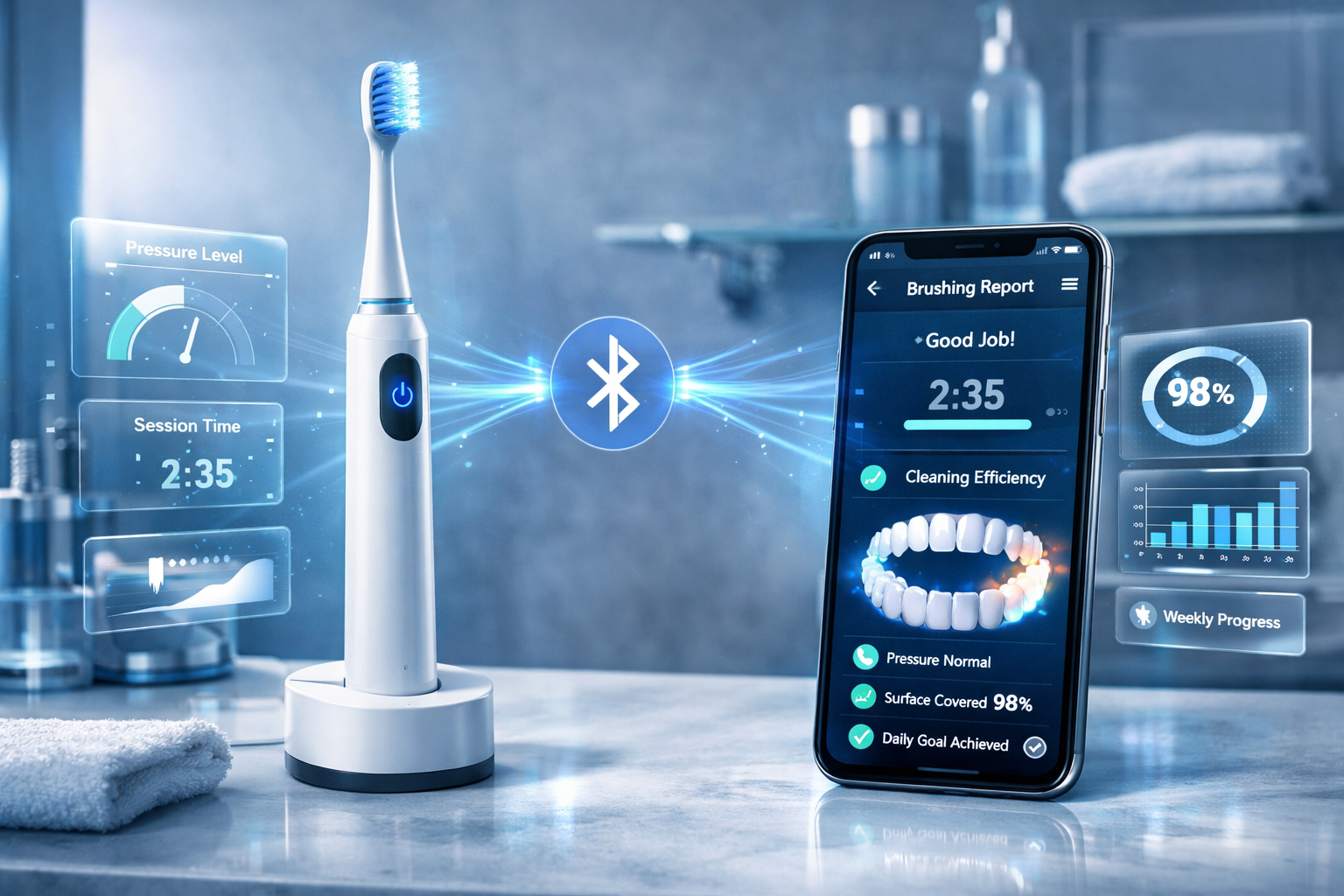
A traditional toothbrush relies entirely on user technique. In contrast, a smart toothbrush actively guides brushing behavior through real-time feedback and performance tracking.
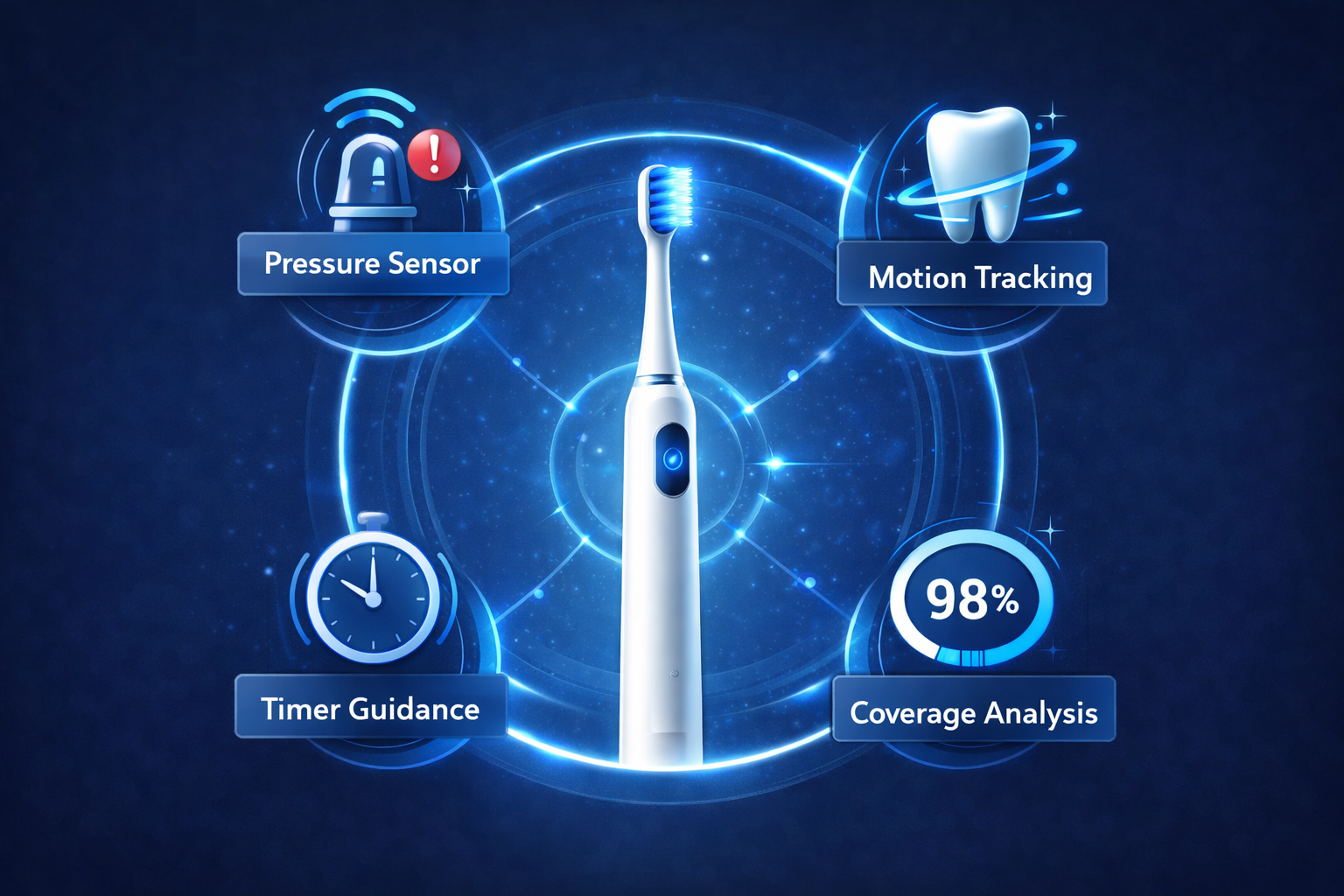
Most smart devices now include:
- Motion sensors that monitor brushing angles
- Pressure sensors to prevent gum damage
- Built-in timers aligned with dentist recommendations
- Bluetooth connectivity with mobile apps
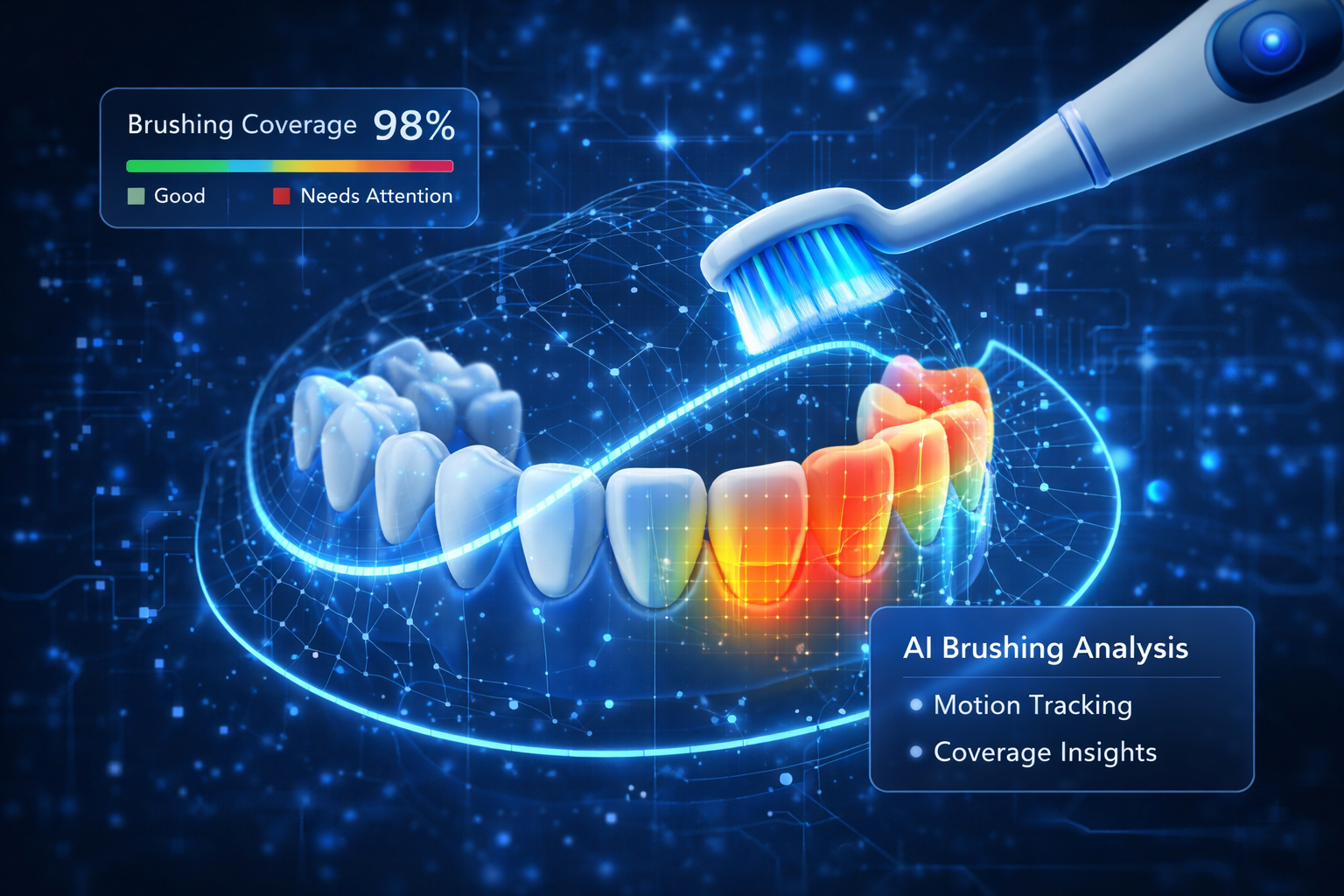
These features transform brushing from a routine habit into a measurable health activity. Users can visualize coverage maps, identify missed areas, and improve consistency over time.
According to guidance shared by the American Dental Association, brushing technique and duration significantly influence oral health outcomes. Smart technology helps bridge the gap between professional advice and daily practice at home.
Smart Toothbrush Technology Trends Driving Market Growth
The rapid adoption of connected devices has sped up innovation across the oral-care industry. Several major trends explain why the smart toothbrush category continues expanding.
AI-Powered Brushing Analyzed
Artificial intelligence now analyzes brushing patterns using collected user data. Advanced algorithms can detect:
- Uneven brushing pressure
- Incomplete cleaning zones
- Irregular brushing frequency
Instead of generic reminders, AI delivers personalized coaching, making oral care more adaptive and user-specific.
Integration With Health Ecosystems
Connected oral care devices increasingly integrate with broader health platforms such as fitness trackers and wellness apps. This creates a holistic health profile linking oral hygiene with lifestyle factors like sleep, diet, and stress.
As healthcare moves toward digital monitoring, the smart toothbrush becomes part of a larger preventive health network.
Game-like Features and Behavioral Design
Manufacturers are also focusing on behavioral psychology. Many smart toothbrush apps include:
- Progress tracking dashboards
- Rewards systems for consistent brushing
- Interactive experiences designed for children
These features significantly increase engagement, particularly among younger users who respond well to digital motivation.
How Connected Oral Care Benefits Consumers and Brands
The growth of the smart toothbrush market benefits both end users and oral-care brands.
For consumers, connected brushing offers:
- Better brushing accuracy
- Improved gum protection
- Personalized oral-health insights
- Increased motivation through measurable progress
For brands and manufacturers, connected devices create new opportunities:
- Data-driven product development
- Subscription replacement models
- Long-term customer engagement through apps
Electric toothbrush innovation continues to evolve alongside these trends. Brands that expand into connected products usually start by improving their advanced electric toothbrush models. Examples include modern sonic brushing systems. For those looking to stay updated on modern electric toothbrush innovations, check out OralGos’ electric toothbrush collection.
Challenges Facing Smart Toothbrush Adoption
Despite strong growth, several barriers remain before smart devices become universal.
Cost Sensitivity
Smart toothbrushes typically cost more than standard electric brushes, limiting adoption among price-sensitive consumers.
Data Privacy Concerns
Because connected devices collect behavioral data, privacy transparency has become increasingly important. Companies must ensure secure data handling and clear user consent policies.
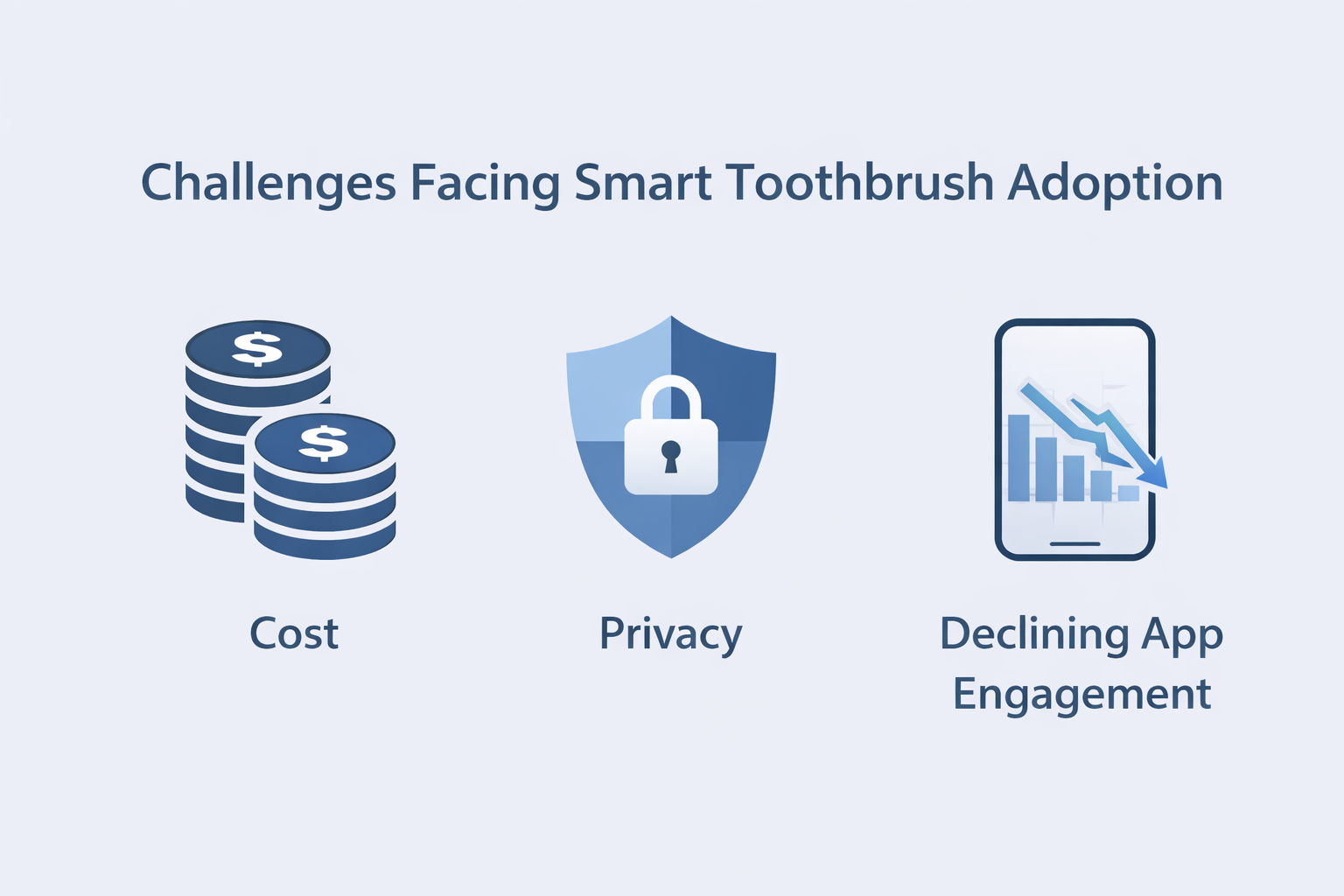
User Retention
Surprisingly, some users stop using companion apps after the initial excitement fades. Future product design must balance automation with meaningful long-term value.
The Future of the Smart Toothbrush Industry
Looking ahead, the smart toothbrush is expected to evolve beyond brushing assistance into a diagnostic wellness device.
Emerging innovations may include:
- Early detection of oral health risks through brushing data
- Integration with remote dental care platforms
- AI-generated oral hygiene reports shared with dentists
- Voice assistants providing live coaching
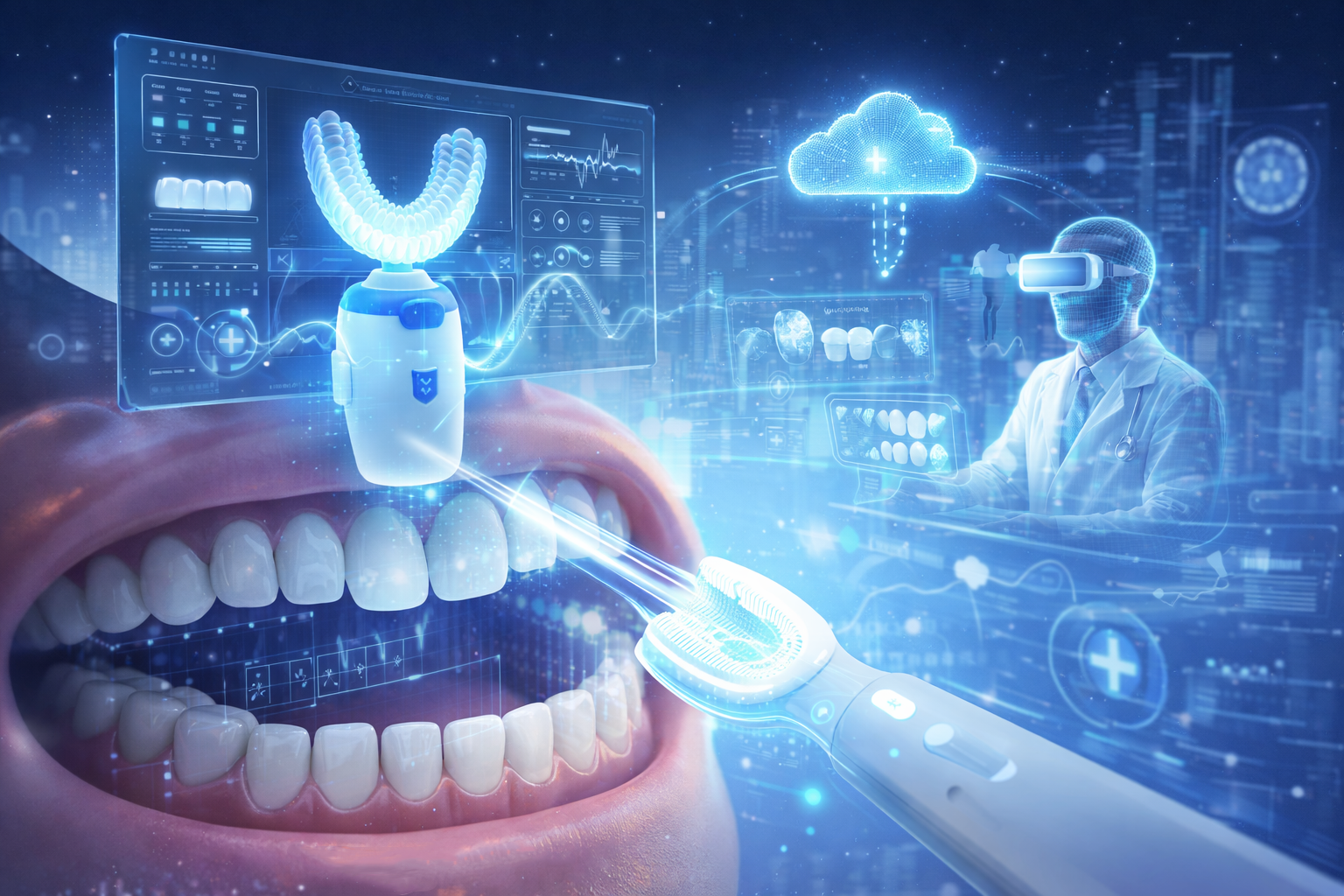
As digital healthcare expands, oral care will increasingly connect with preventive medicine. Toothbrushes may eventually function as daily health monitoring tools rather than simple hygiene products.
Experts expect connected oral care to become a major part of personalized healthcare in the coming decade. This positions smart toothbrush technology as a long-term growth area rather than a passing trend.
Conclusion: Connected Oral Care Is Just Beginning
The smart toothbrush is more than just a technological upgrade. It marks a move toward smarter, preventive oral care. By combining sensors, AI analytics, and mobile connectivity, smart brushing devices empower users to improve habits with measurable feedback.
As innovation continues, connected oral care will likely redefine how individuals interact with everyday health routines. For manufacturers, dental professionals, and consumers alike, the transition toward smarter oral hygiene has only just begun.