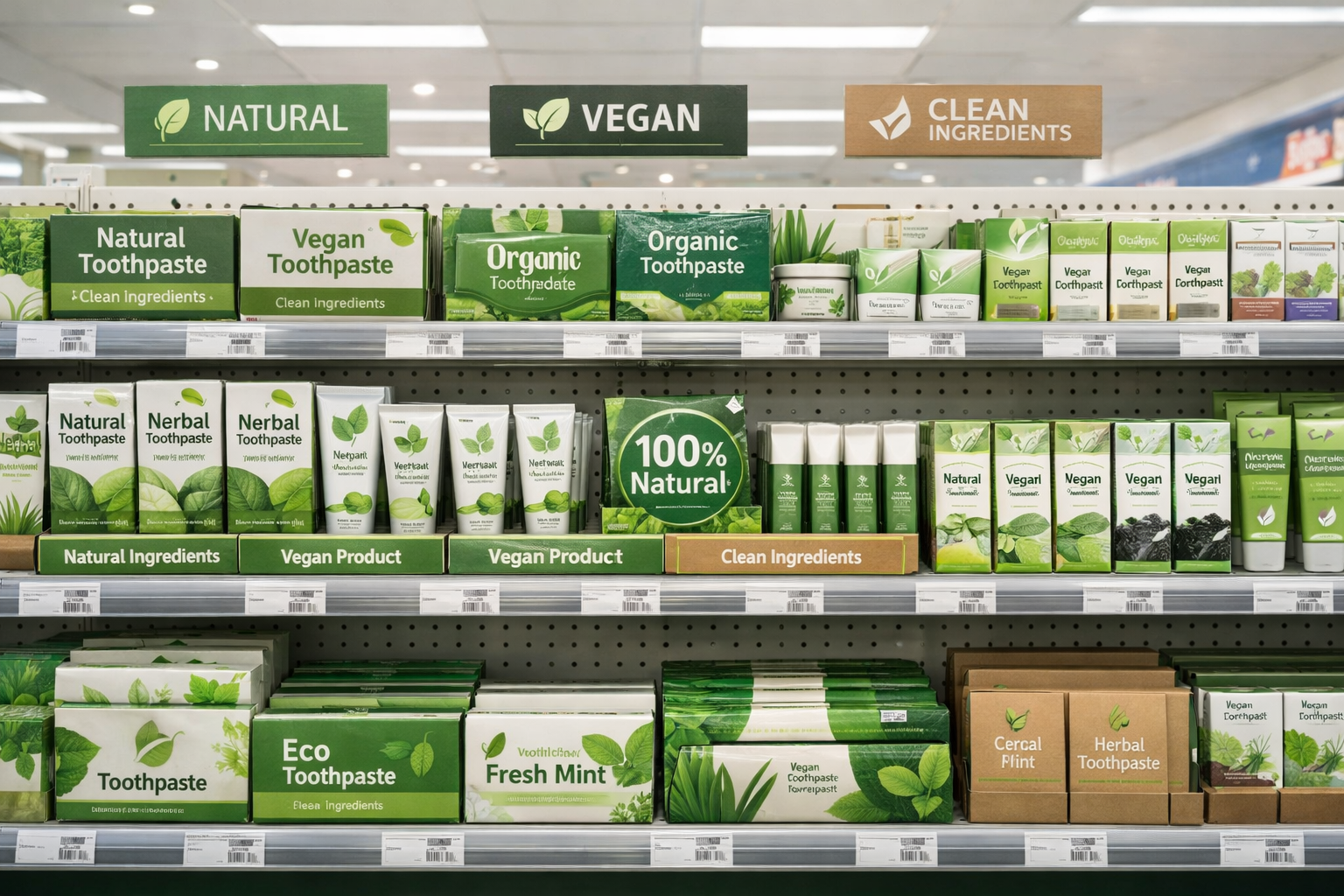
Across pharmacies and supermarkets today, one trend is clear: natural toothpaste has moved beyond niche status. Once sold only in health stores and specialty brands, it now sits on premium shelves beside traditional oral care products.
This shift reflects a broader transformation in consumer behavior. Buyers are paying more attention to clear ingredients, eco-friendly practices, and overall wellness. Oral care is following the same path as skincare and food products.
In this article, we explain why natural toothpaste is growing so fast. We also cover what this trend means for brands, retailers, and oral-care professionals.
The Rising Consumer Demand for Natural Toothpaste
Consumer awareness about ingredients has grown dramatically over the past decade. Shoppers now read labels carefully and actively avoid artificial additives they perceive as unnecessary.
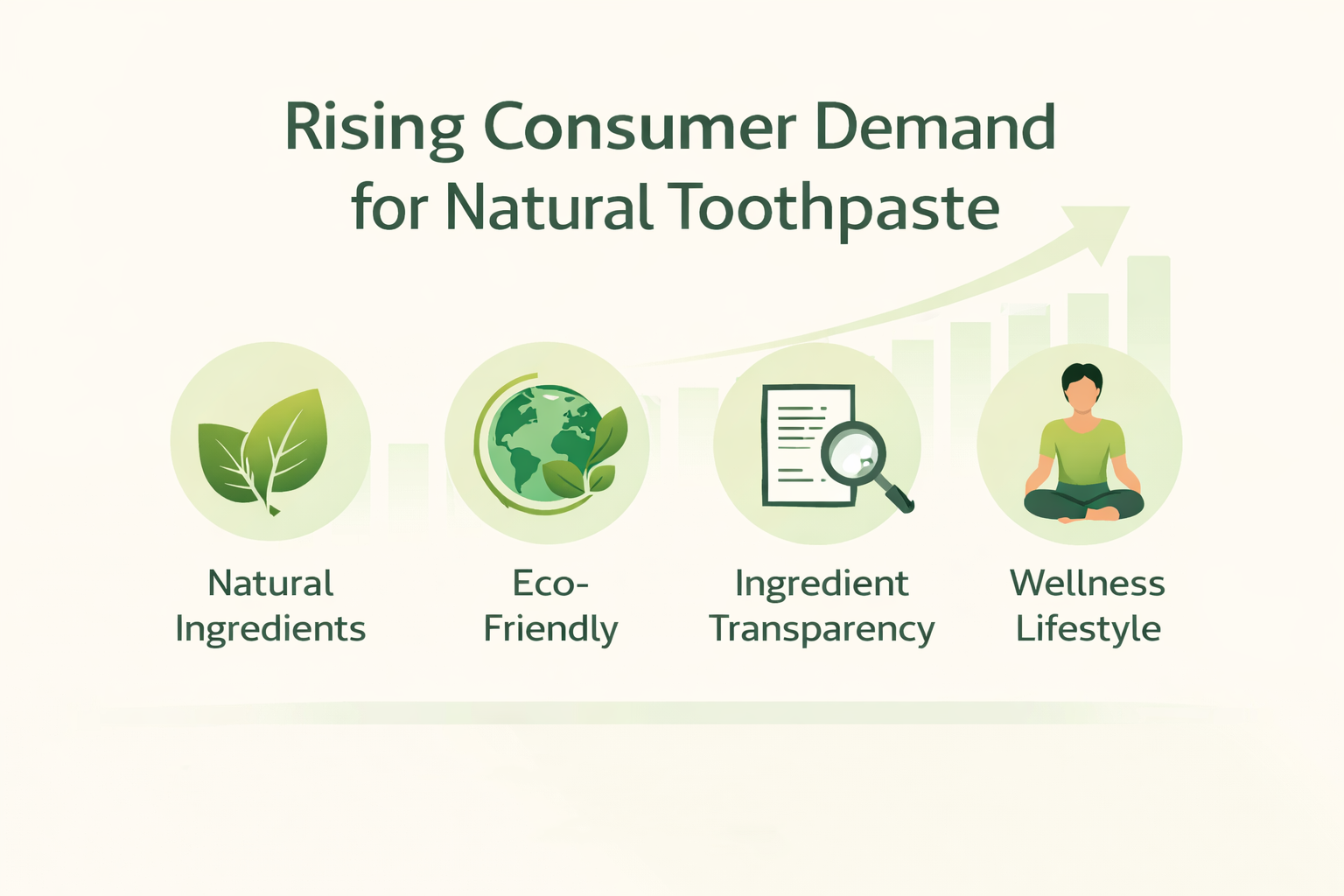
Several factors are driving the demand for natural toothpaste:
- Preference for plant-based and clean-label products
- Concerns about synthetic foaming agents and dyes
- Increased focus on wellness-driven lifestyles
- Social media education about oral health ingredients
Younger consumers, particularly Millennials and Gen Z, are shaping purchasing decisions. They tend to associate natural formulations with safety, eco-friendly practices, and long-term health benefits.
Retailers respond directly to these preferences. When consumer searches increase, shelf allocation follows — explaining why natural toothpaste products are becoming highly visible across global markets.
How Clean Beauty Trends Influence Toothpaste Choices
The success of natural toothpaste mirrors the evolution of the clean beauty movement. Consumers now expect oral care to meet the same standards as skincare products.

Ingredient Transparency and Consumer Trust
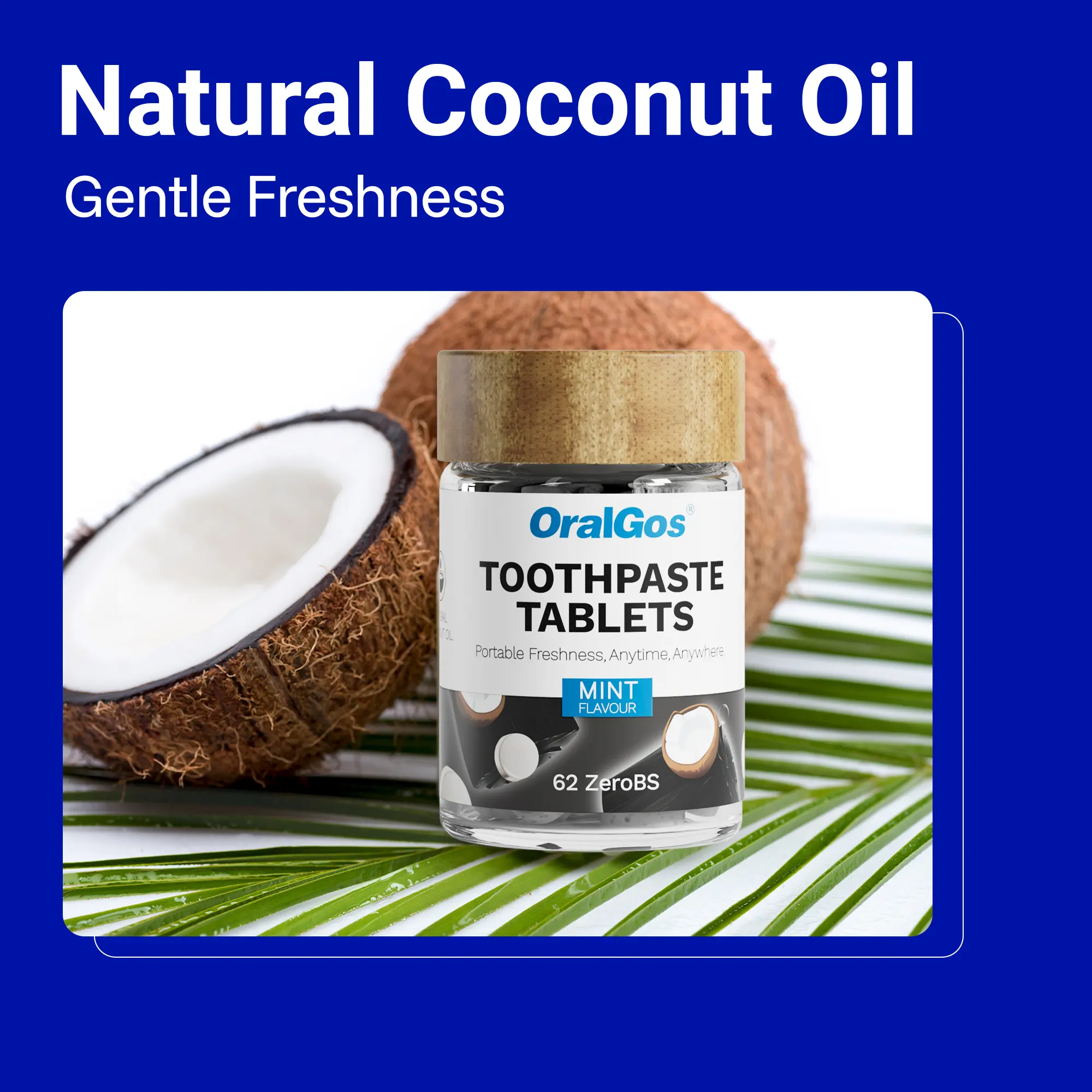
Modern buyers want simple formulations they can understand. Ingredients such as herbal extracts, mineral-based abrasives, and naturally derived flavors resonate strongly with today’s shoppers.
Brands often highlight features like:
- Fluoride-free or alternative remineralization systems
- Vegan-friendly formulations
- Artificial colorant avoidance
- Naturally sourced flavoring oils
Transparency builds trust, which directly influences repeat purchases.
According to guidance from the American Dental Association, consumers should judge toothpaste by proven oral health benefits. These benefits include cavity prevention and plaque control. This applies whether the formula is natural or conventional.
Retailers Are Expanding Natural Toothpaste Categories
Retail shelf space is data-driven. When sales velocity increases, retailers allocate more visibility and promotional placement.
Why Retail Buyers Favor Natural Toothpaste
Retailers see several advantages:
- Higher perceived product value
- Strong storytelling opportunities for marketing
- Alignment with eco-friendly initiatives
- Appeal to premium and wellness-focused consumers
Natural toothpaste often supports higher margins compared to traditional mass-market products. As a result, supermarkets and pharmacies actively expand these product lines.
Brands entering the market frequently collaborate with manufacturers offering flexible formulation and private-label development. For example, companies exploring formulation options can review available product solutions through our toothpaste product category.
Such partnerships help brands quickly respond to changing retail trends without long development cycles.
Eco-Friendly Practices Are Driving Natural Toothpaste Growth
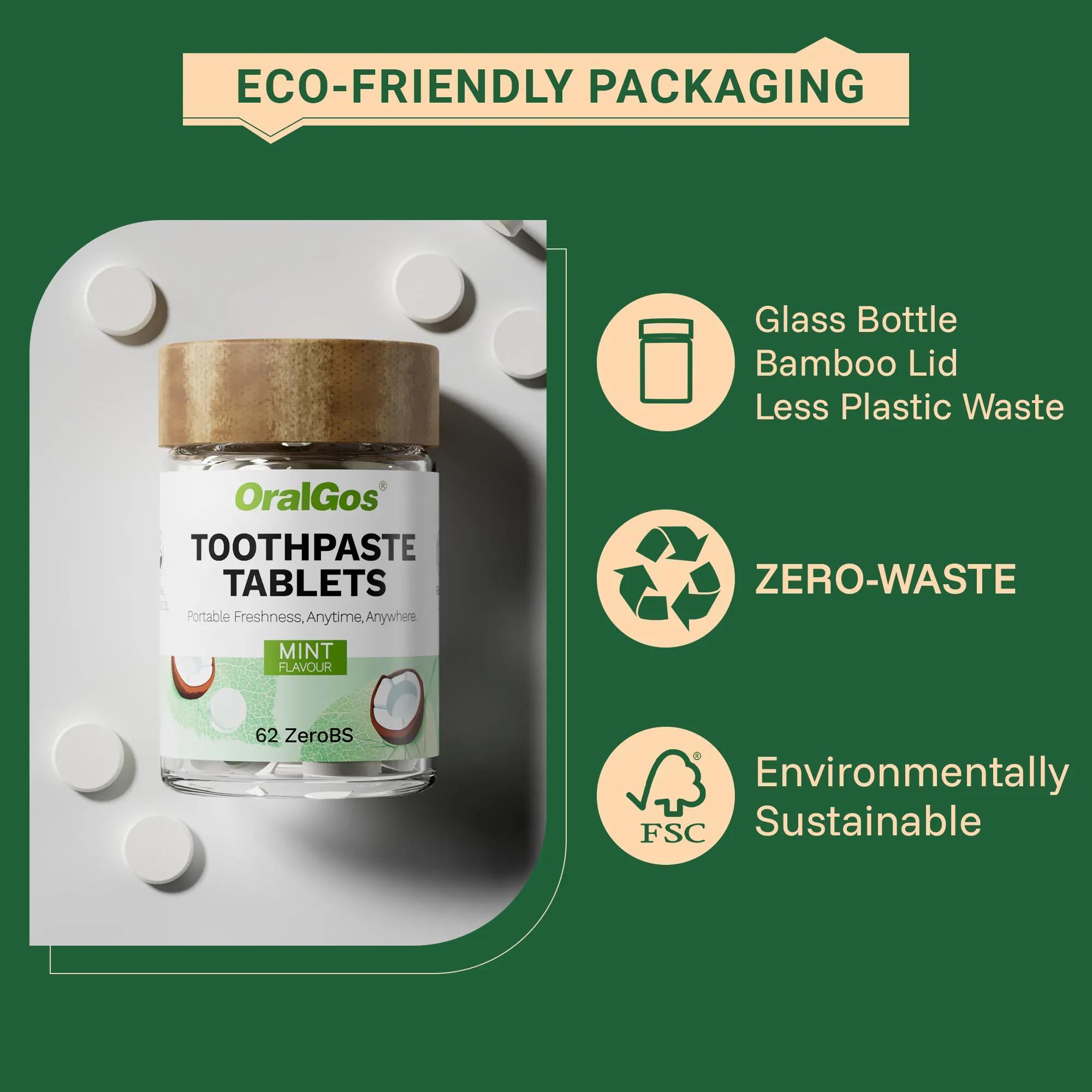
Environmental awareness plays a major role in purchasing decisions. Packaging and sourcing practices increasingly influence whether consumers choose one toothpaste over another.
Eco-Friendly Packaging and Product Sustainability
Many natural toothpaste brands emphasize:
- Recyclable or aluminum tubes
- Reduced plastic usage
- FSC-certified cartons
- Carbon-conscious sourcing
Retailers favor products that help them meet ESG (Environmental, Social, Governance) goals. As reporting on eco-friendly practices becomes standard, environmentally conscious oral care products gain a competitive advantage.
This environmental positioning strengthens the appeal of natural toothpaste beyond health-focused consumers alone.
Innovation Is Redefining Toothpaste Performance
Early natural toothpaste products sometimes struggled with performance perception. Today, innovation has largely closed this gap.
Manufacturers now combine natural positioning with advanced oral-care science, including:
- Enzyme-based plaque control systems
- Hydroxyapatite remineralization technologies
- Sensitive-care botanical blends
- Balanced abrasivity for enamel protection
As efficacy improves, consumers no longer feel they must choose between “natural” and “effective.” This shift significantly accelerates adoption.
Future Outlook for Oral Care Brands
The expansion of natural toothpaste is not a temporary trend — it represents a structural change in consumer expectations.
Future growth will likely focus on:
- Hybrid formulations combining science and natural ingredients
- Personalized oral care solutions
- Sustainable manufacturing transparency
- Regional flavor and ingredient customization
Retailers increasingly evaluate brands based on storytelling, ethical sourcing, and formulation clarity, not just price.
For oral-care brands, entering the natural toothpaste segment now offers a chance to follow long-term market trends. This approach is more sustainable than chasing short-lived consumer hype.
Conclusion: Changing Trends in Oral Care Retail
The dominance of natural toothpaste on retail shelves reflects evolving consumer priorities: transparency, sustainability, and wellness integration. Supported by clean-label trends and continuous formulation innovation, this category is transitioning from alternative option to mainstream standard.
Consumers are increasingly choosing products that are both healthy and environmentally friendly. Analysts expect natural toothpaste to remain one of the fastest-growing segments in oral care. This trend will continue to shape how brands develop products and how retailers arrange their shelves for years to come.