In today’s oral care market, the demand for a high-performance antibacterial toothbrush continues to grow. Consumers and dental professionals want advanced materials. These materials can reduce bacterial buildup, improve hygiene, and make brushing safer. Among the most talked-about innovations are graphene and silver ion technologies.
But which one truly delivers better results? Let’s break down their differences and help you make a smarter choice.
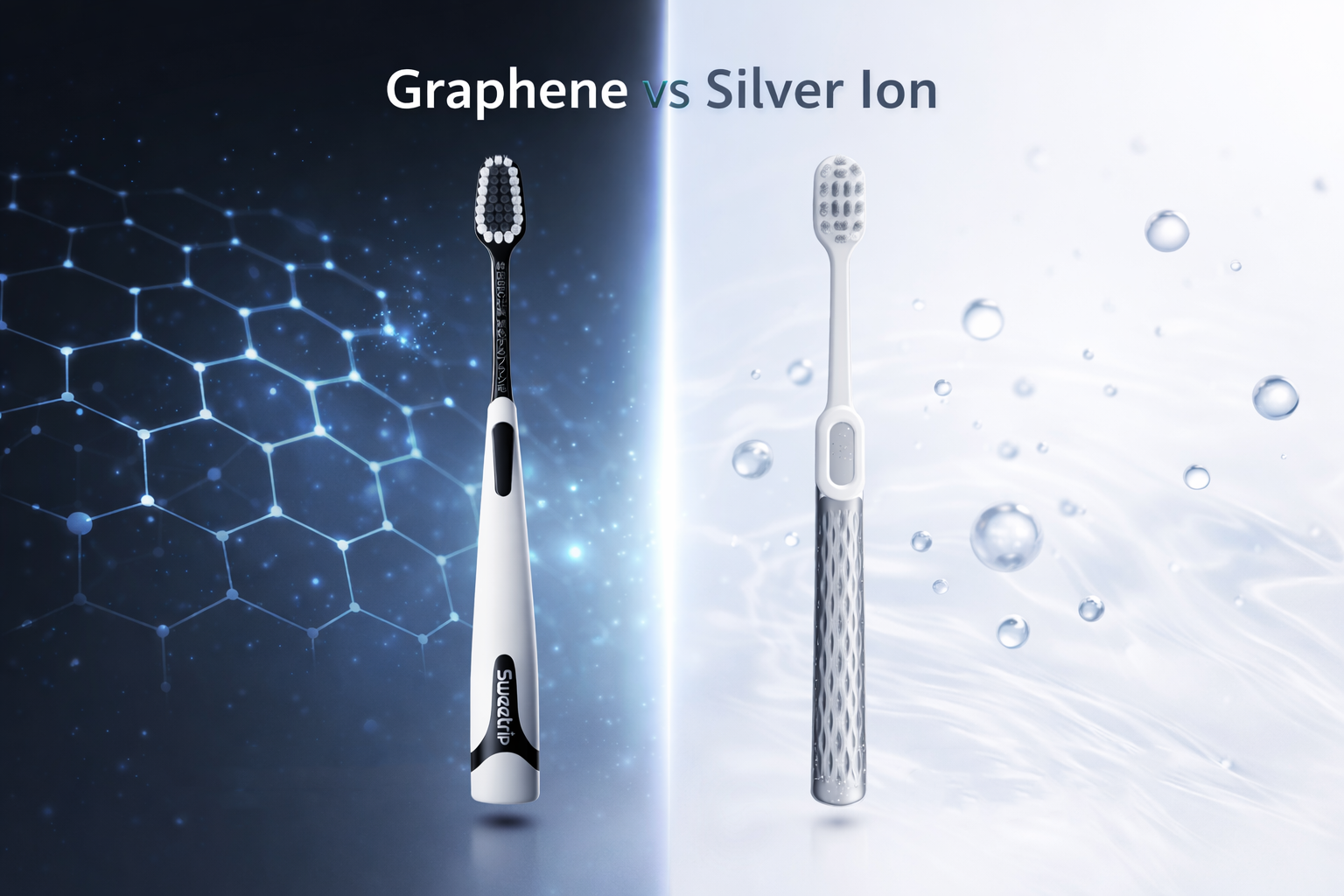
What Is an Antibacterial Toothbrush and Why It Matters?
Manufacturers design an antibacterial toothbrush to inhibit bacterial growth on its bristles or handle. Traditional toothbrushes can harbor microorganisms, especially in humid environments like bathrooms. Over time, this can compromise oral hygiene.
According to the American Dental Association, maintaining a clean toothbrush is essential for effective plaque removal and oral health. While regular replacement is still necessary, antibacterial technologies add an extra layer of protection.

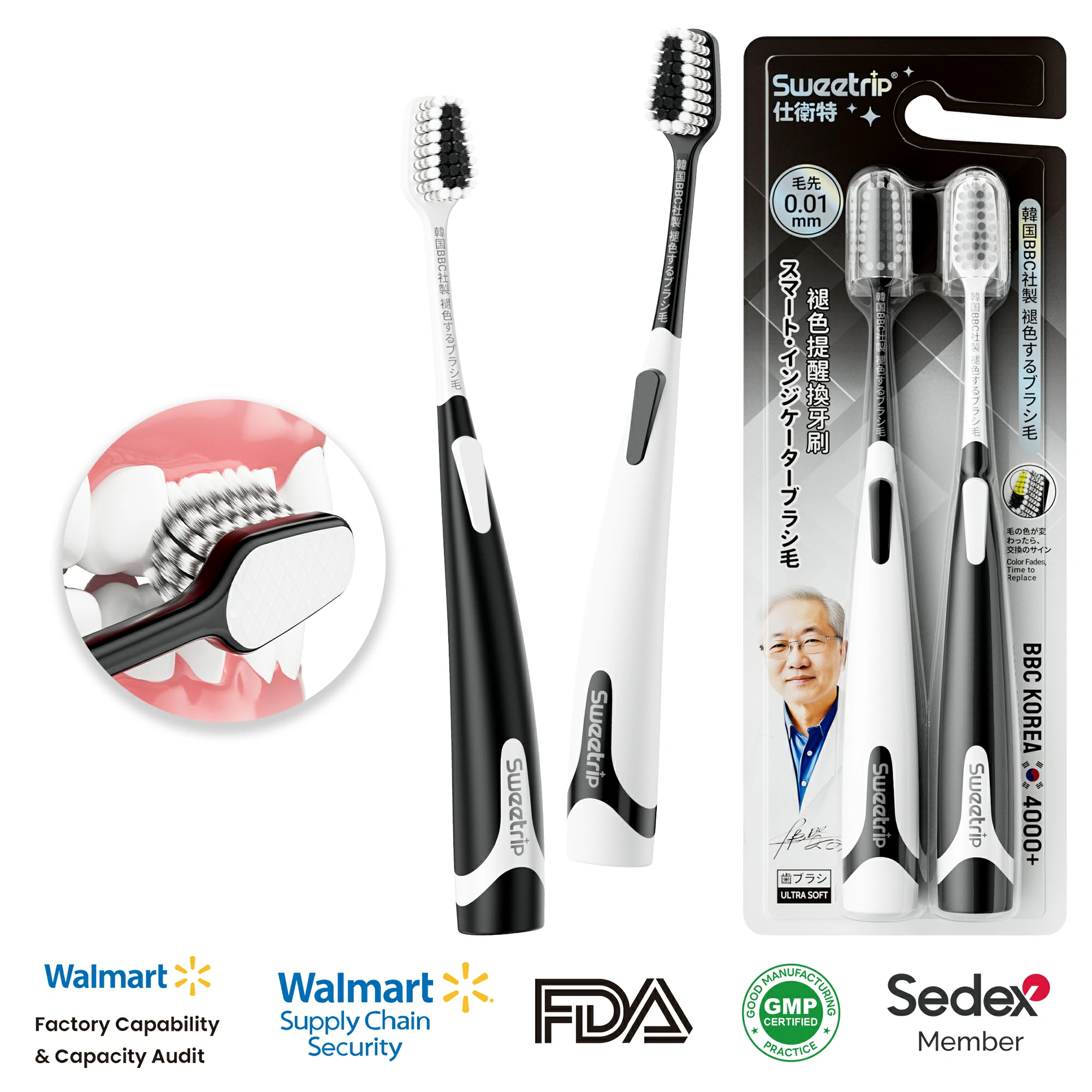
Graphene Antibacterial Toothbrush Technology
Graphene is a cutting-edge nanomaterial known for its strength, conductivity, and antimicrobial properties. When applied to toothbrush bristles, it offers several advantages.
How Graphene Works in an Antibacterial Brush
Graphene disrupts bacterial cell membranes through physical interaction. Instead of releasing chemicals, it creates a hostile surface where bacteria struggle to survive.
Benefits of Graphene Antibacterial Brush
- Long-lasting antibacterial effect without chemical leaching
- High durability because of strong material structure
- Eco-friendly potential with reduced reliance on additives
- Stable performance even after repeated use
For example, this graphene antibacterial toothbrush demonstrates how advanced material science can be integrated into everyday oral care tools.
Silver Ion Antibacterial Toothbrush Technology
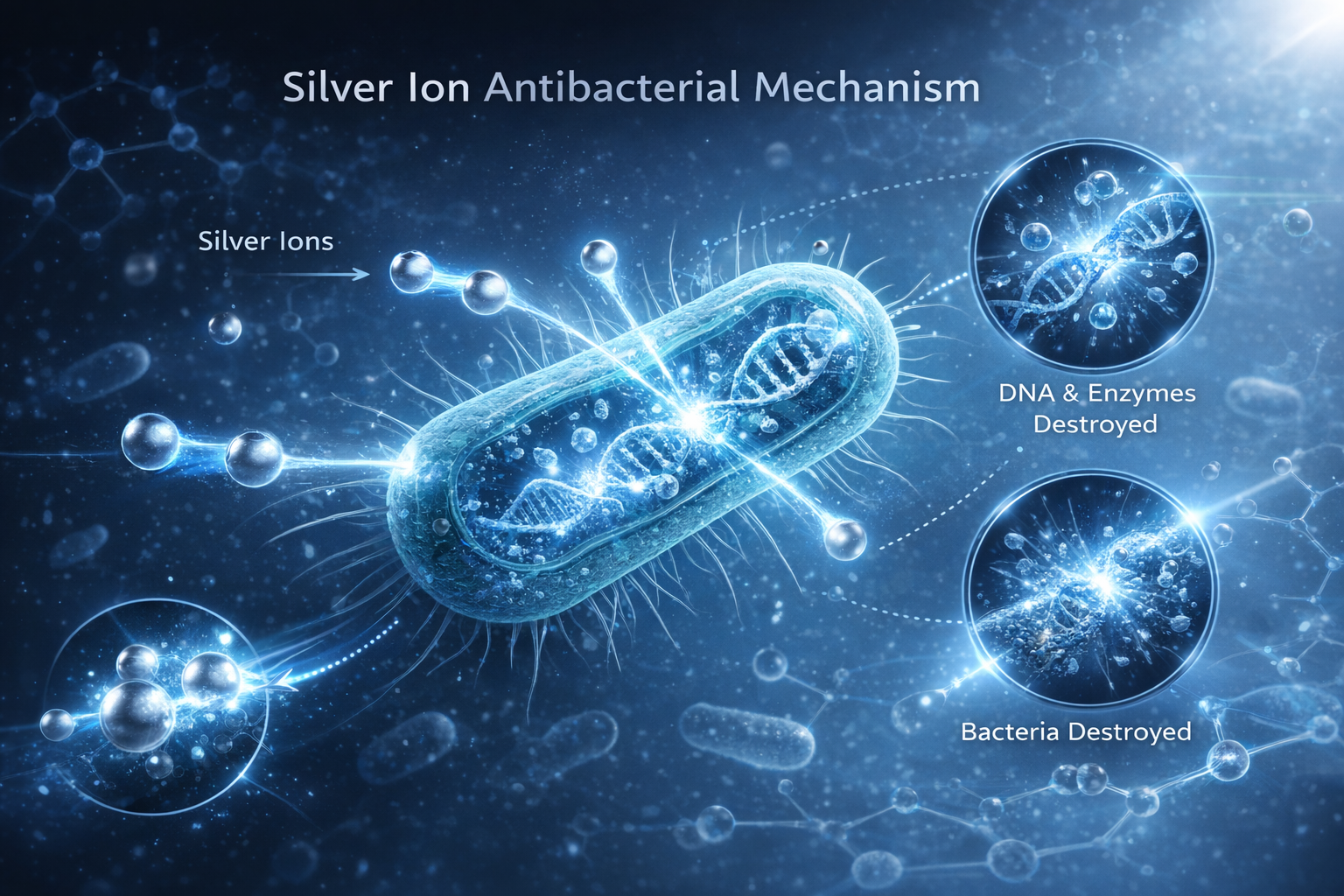
Silver ion technology has been widely used in medical and hygiene products for decades. It relies on the release of silver ions (Ag+) to eliminate bacteria.
How Silver Ion Works in an Antibacterial Brush
Silver ions interfere with bacterial enzymes and DNA, effectively stopping their growth and reproduction. This chemical mechanism is highly effective in controlled environments.
Benefits of Silver Ion Antibacterial Brush
- Proven antimicrobial effectiveness across many industries
- Broad-spectrum bacteria control
- Immediate antibacterial action upon contact
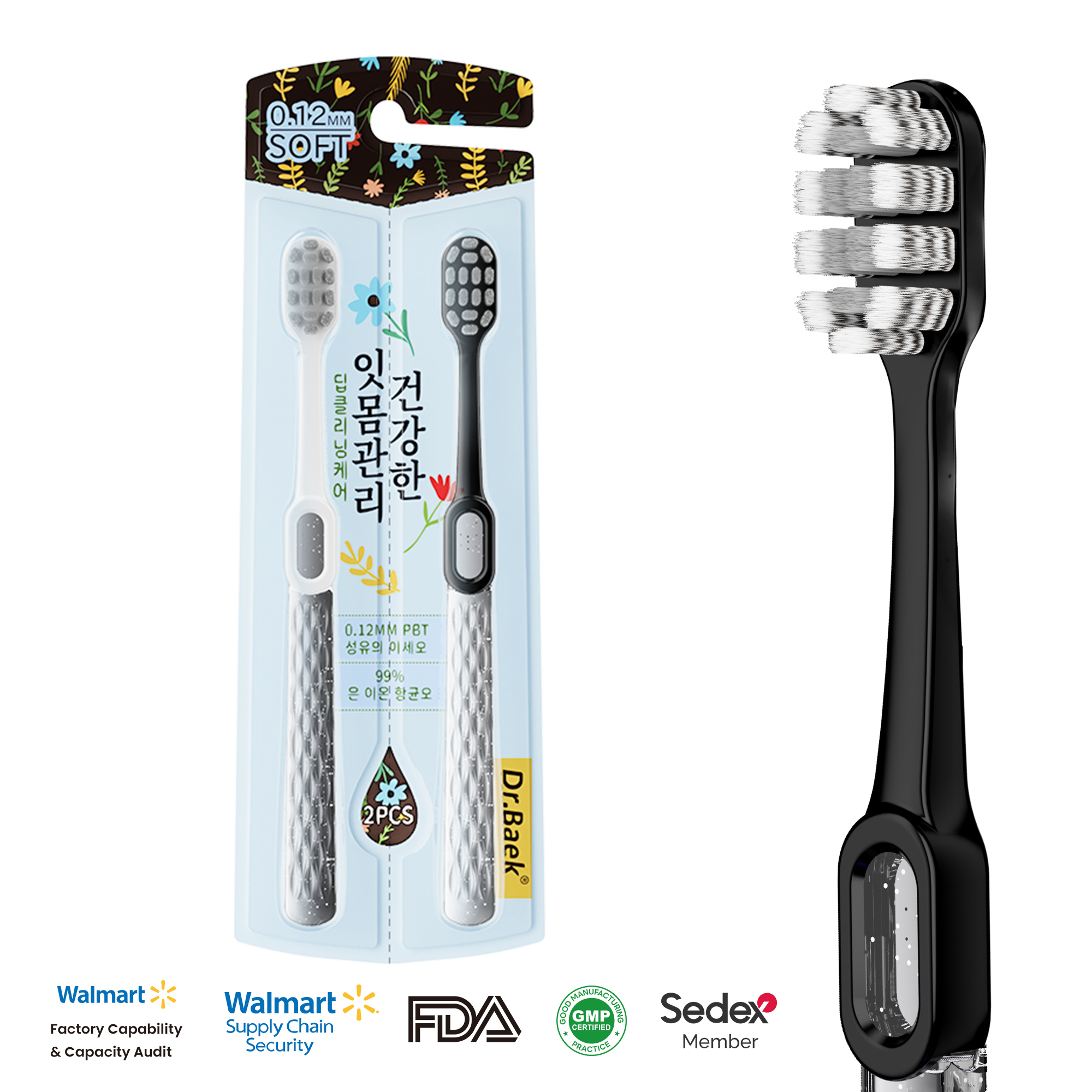
A good example is this silver ion antibacterial toothbrush, which highlights the practical application of this established technology.
Graphene vs Silver Ion: Key Differences in Antibacterial Toothbrush Performance
1. Antibacterial Mechanism
- Graphene: Physical antibacterial action
- Silver Ion: Chemical antibacterial action
Graphene’s approach avoids chemical release, which may appeal to users seeking a more stable and low-maintenance solution.
2. Durability and Longevity
- Graphene: Maintains performance over time
- Silver ion: Effectiveness may decrease as ions are depleted
If long-term consistency matters, graphene tends to have the edge.
3. Safety and Stability
- Graphene is generally stable and non-leaching
- Silver ions, while safe in regulated amounts, involve controlled release
For sensitive users, graphene offers a more predictable experience.
4. Cost and Market Positioning
- Silver ion technology is more established and often cost-effective
- Graphene is newer and positioned as a premium innovation
This makes silver ion suitable for mass-market products, while graphene targets high-end segments.
Which Antibacterial Toothbrush Should You Choose?
The answer depends on your priorities:
- Choose a graphene antibacterial brush if you value durability, innovation, and long-term stability.
- Choose a silver ion antibacterial brush if you prefer a proven, widely accepted antibacterial method with immediate effectiveness.
For brands and distributors, the decision also depends on target audience positioning—premium vs. cost-efficient product lines.
Final Thoughts on Antibacterial Toothbrush Technology
Both graphene and silver ion technologies bring valuable benefits to the modern antibacterial toothbrush. Rather than one clear winner, they show two ways to solve the same problem. They keep toothbrushes cleaner and safer.
As oral care innovation evolves, new toothbrushes will blend advanced materials, ergonomic design, and good hygiene habits.
After all, even the most advanced technology only works when people actually remember to brush twice a day.