The global oral-care market is moving toward prevention. Water flossers are now a fast-growing product category. Brand owners and procurement professionals can enter the premium oral-care segment by launching a private label water flosser. This strategy allows them to bypass the costs and complexities of setting up their own manufacturing.
However, success depends on more than simply adding a logo to an existing product. Strategic positioning, compliance planning, and supplier collaboration determine whether a new brand gains traction or disappears among competitors. This guide explains how brands can accelerate market entry while building long-term value.
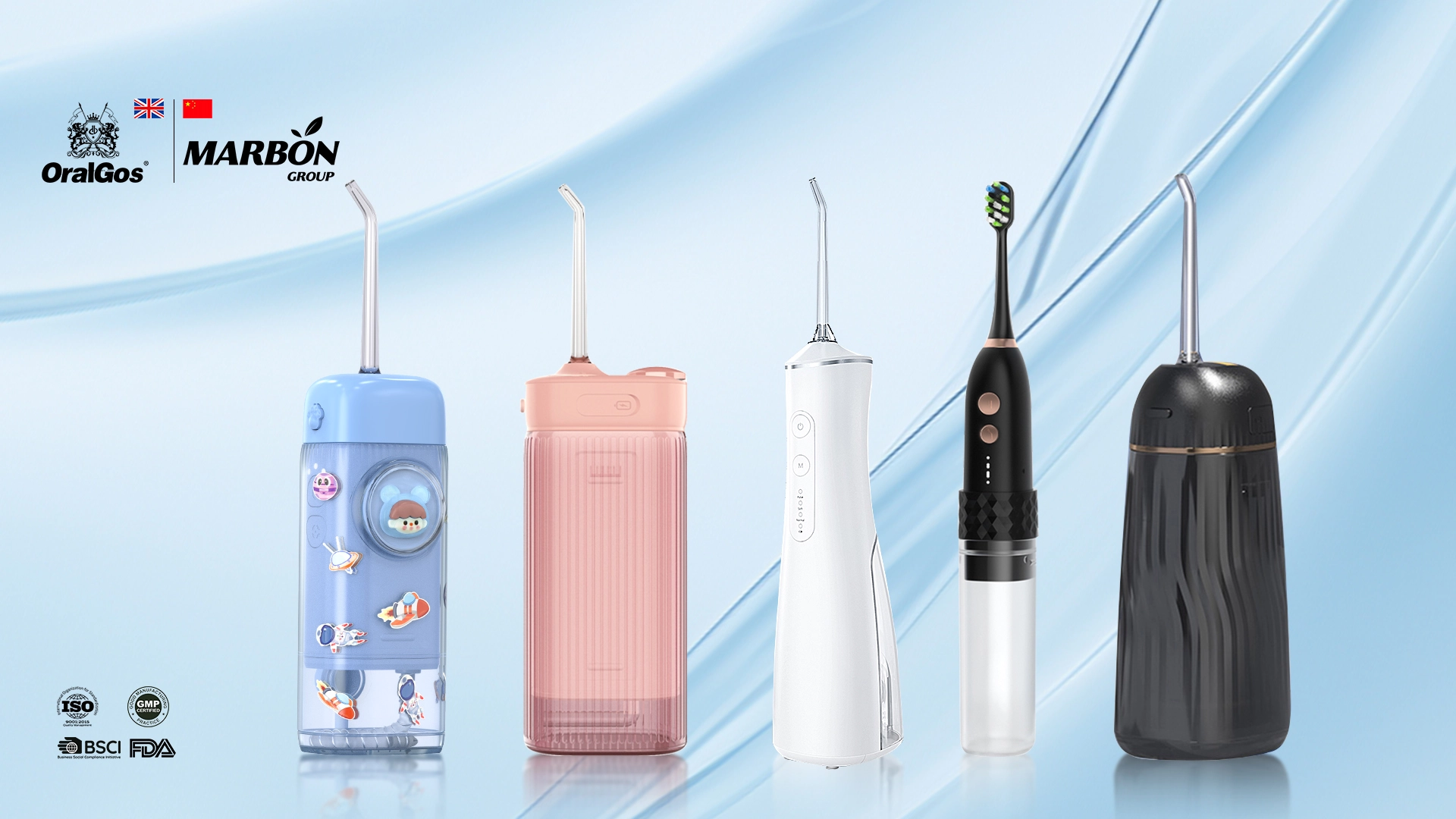
Why a Private Label Water Flosser Is a Smart Choice for Market Entry
Water flossers sit at the intersection of innovation and daily necessity. Consumers increasingly seek alternatives to traditional dental floss because they want convenience, comfort, and visible cleaning results.
According to guidance from the American Dental Association, water flossers can reduce plaque and support gum health. This professional endorsement strengthens consumer trust and makes the category easier for new brands to market.
From a business perspective, a private label water flosser provides several advantages:
- Faster time-to-market compared with developing new devices
- Lower R&D investment
- Access to proven manufacturing platforms
- Flexible branding opportunities across price tiers
Because the product already has established consumer awareness, brands can focus resources on market positioning rather than education alone.
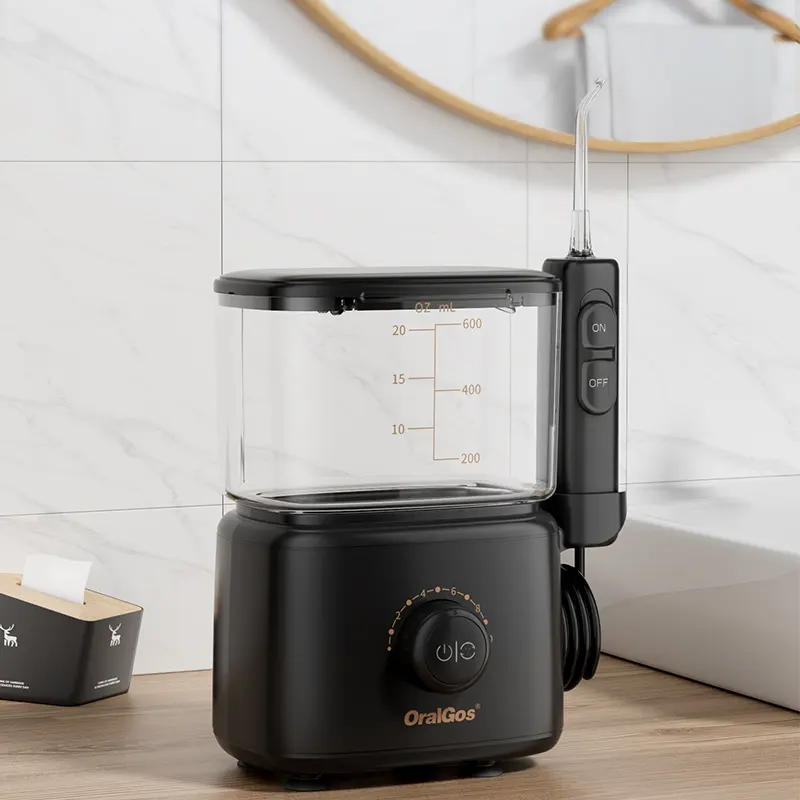
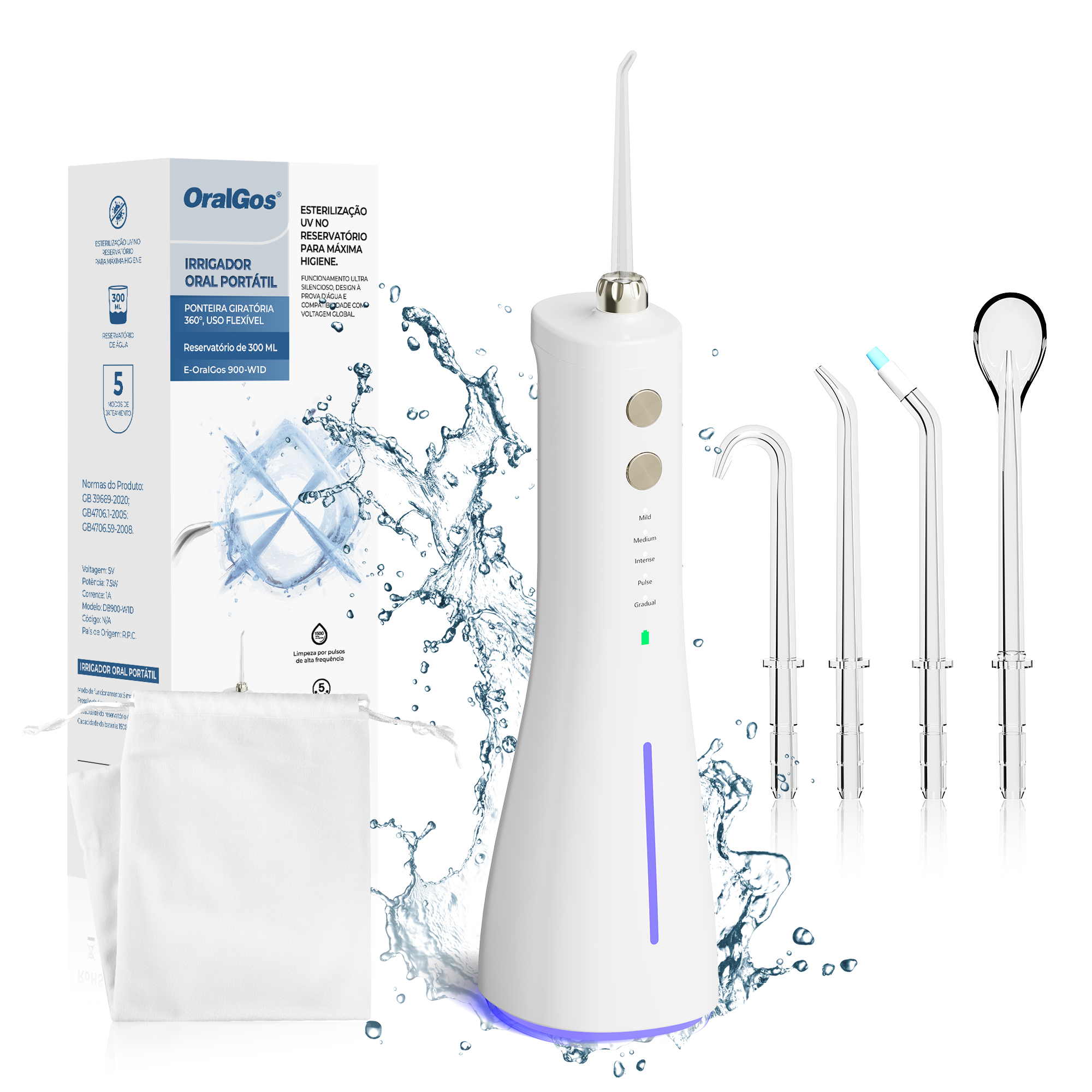

Understanding the Private Label Water Flosser Market Landscape
Before entering the market, brands should analyze positioning opportunities rather than competing on price.
Key growth segments include:
- Portable cordless devices for travel users
- Compact models for small bathrooms
- Family or countertop systems with larger reservoirs
- Sensitive-gum or orthodontic-care positioning
Many successful brands avoid overcrowded general categories and instead target a defined user scenario. For example, travel-friendly designs continue to gain popularity because of lifestyle mobility and remote work trends.
Exploring existing product structures can help brands identify positioning gaps. Reviewing a complete water flosser product range helps brands better understand available configurations and future upgrade opportunities.
Market research at this stage helps avoid expensive changes to your product strategy later.
Product Selection Strategy for Your Private Label Water Flosser
Choosing the right base model is the most critical early decision. Not every device fits every brand identity.
When evaluating a private label water flosser, procurement teams should consider:
1. Functional Differences
Look beyond basic pressure settings. Competitive features may include:
- Multiple cleaning modes
- Pulse technology
- IPX7 waterproof rating
- USB charging support
- Low-noise motors
2. Target Consumer Alignment
A premium wellness brand requires different aesthetics and packaging compared with a value retail brand.
3. Certification and Compliance
Ensure the manufacturer supports certifications relevant to your target markets, such as CE, FDA registration, or UKCA requirements.
You can review a strong example of a market-ready configuration in this portable cordless water flosser.
Selecting a validated platform significantly shortens development timelines.
Branding Strategies for Private Label Water Flosser Success
Branding transforms a generic device into a product that customers can easily identify. Buyers often don’t realize how much design affects purchasing decisions in oral care.
Build a Clear Brand Story
Instead of selling features alone, connect the product with a lifestyle benefit:
- “Professional cleaning at home”
- “Travel-ready oral care”
- “Gentle gum protection”
Consistency across packaging, website messaging, and product visuals strengthens credibility.
Invest in Packaging Design
Packaging should communicate value within seconds on a retail shelf or ecommerce listing. Consider:
- Minimalist medical aesthetics for premium positioning
- Eco-friendly packaging materials
- Clear icon-based feature communication
Customize Beyond Logo Placement
Advanced private label programs allow customization such as:
- Color finishes
- Water tank shapes
- Nozzle accessories
- UI indicators
These small differences make the product feel special without requiring large tooling investments.
Compliance and Quality: Ensuring Trust for Private Label Water Flossers
Speed matters in market entry, but compliance matters more. Regulatory delays can erase launch advantages.
Brands should confirm:
- Safety testing documentation
- Electrical compliance standards
- Material safety verification
- User manual translation and adaptation
Partnering with experienced manufacturers reduces approval risks because documentation already aligns with international distribution requirements.
Additionally, professional endorsements and educational content referencing organizations like the American Dental Association improve consumer confidence and marketing credibility.
Go-to-Market Plan for Launching a Private Label Water Flosser
A structured launch strategy accelerates early sales momentum.
Step 1: Define Your Sales Channel
Choose a primary entry channel:
- Amazon or ecommerce marketplaces
- Dental clinic distribution
- Pharmacy retail chains
- Direct-to-consumer websites
Each channel requires different packaging and pricing strategies.
Step 2: Build Educational Content
Consumers often search for benefits rather than product names. Create content explaining:
- Water flossing vs. string floss
- Gum health improvement
- Daily oral hygiene routines
Educational SEO content supports organic growth long after launch.
Step 3: Launch with a Hero SKU
Start with one optimized model instead of multiple variations. A focused offering simplifies marketing and inventory management.
Long-Term Growth Opportunities
Once the initial private label water flosser gains traction, brands can expand through ecosystem development:
- Replacement nozzle subscriptions
- Travel cases and accessories
- Bundled oral-care kits
- Electric toothbrush cross-selling
This strategy increases customer lifetime value while strengthening brand recognition.
Conclusion
Entering the oral-care device market no longer requires massive investment or long development cycles. With the right manufacturing partner, brands and procurement teams can launch a private label water flosser. They also need a clear positioning strategy. This approach turns the opportunity into a practical and scalable option.
Success depends on aligning product selection, branding clarity, and regulatory readiness from the beginning. Companies that treat private labeling as a brand-building strategy, not just sourcing, enter markets faster. They also create a stronger long-term competitive edge.
In a category supported by professional dental recommendations and rising consumer awareness, the opportunity remains wide open for brands ready to move decisively.