Entering the oral care market may look simple at first glance. Toothpaste is a daily essential product with consistent global demand, which attracts many entrepreneurs and private-label businesses. However, building a successful toothpaste brand involves far more than choosing flavors or designing attractive packaging.
Many startups overlook regulatory requirements, consumer expectations, and brand positioning challenges. As a result, promising products fail to gain traction. Understanding common pitfalls before entering the market can significantly improve your chances of success.
This article covers the most common mistakes companies make when launching a toothpaste brand. It also shows how to avoid them with a clear strategy.
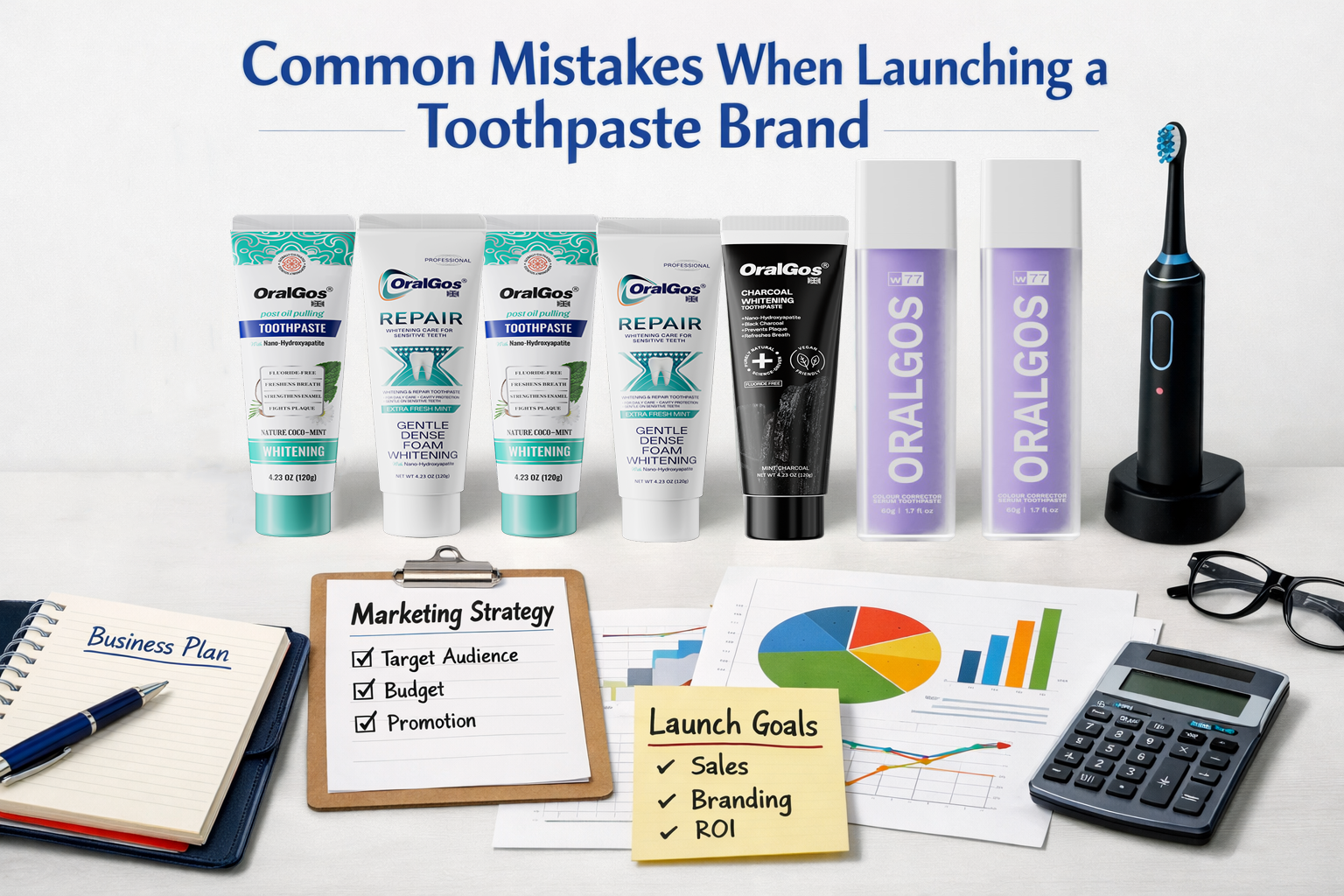
Mistake 1: Launching a Toothpaste Brand Without Clear Positioning
One of the biggest errors when creating a toothpaste brand is trying to appeal to everyone.
The oral-care market shows high segmentation today. Consumers look for specific benefits such as:
- Whitening solutions
- Sensitivity protection
- Natural or vegan formulations
- Kids’ oral care
- Premium professional-grade products
Without a defined positioning strategy, your product does not stand out from competitors.
Why Positioning Matters for a Toothpaste Brand
A strong identity helps customers immediately understand your value. Instead of saying “high-quality toothpaste,” define your niche clearly. For example: “fluoride-free natural toothpaste for eco-conscious consumers.”
Market clarity improves marketing efficiency, retailer acceptance, and customer loyalty.
Mistake 2: Ignoring Regulatory and Safety Requirements
Another critical mistake is overlooking compliance standards. Regulators categorize toothpaste as a cosmetic or OTC product depending on claims and markets.
Organizations like the American Dental Association provide scientific guidance and safety standards that influence consumer trust and product credibility.
Failing to comply can lead to:
- Import restrictions
- Product recalls
- Delayed market entry
- Loss of distributor confidence
Before production begins, ensure your formulation meets regional regulations regarding fluoride levels, labeling rules, and ingredient safety documentation.
Mistake 3: Choosing Formula Trends Over Consumer Needs
Many founders chase trends instead of solving real problems. While trendy ingredients can generate online buzz, focusing only on trends may shorten a product’s life cycle.
Successful brands focus on long-term consumer needs such as:
- Cavity prevention
- Enamel protection
- Gentle daily cleaning
- Clinically supported ingredients
A sustainable toothpaste brand balances innovation with proven oral-care science.
Build Credibility Through Evidence
Whenever possible, support product claims with clinical data or ingredient research. Transparency builds confidence among retailers and professional buyers.
Mistake 4: Neglecting Packaging and Branding Strategy
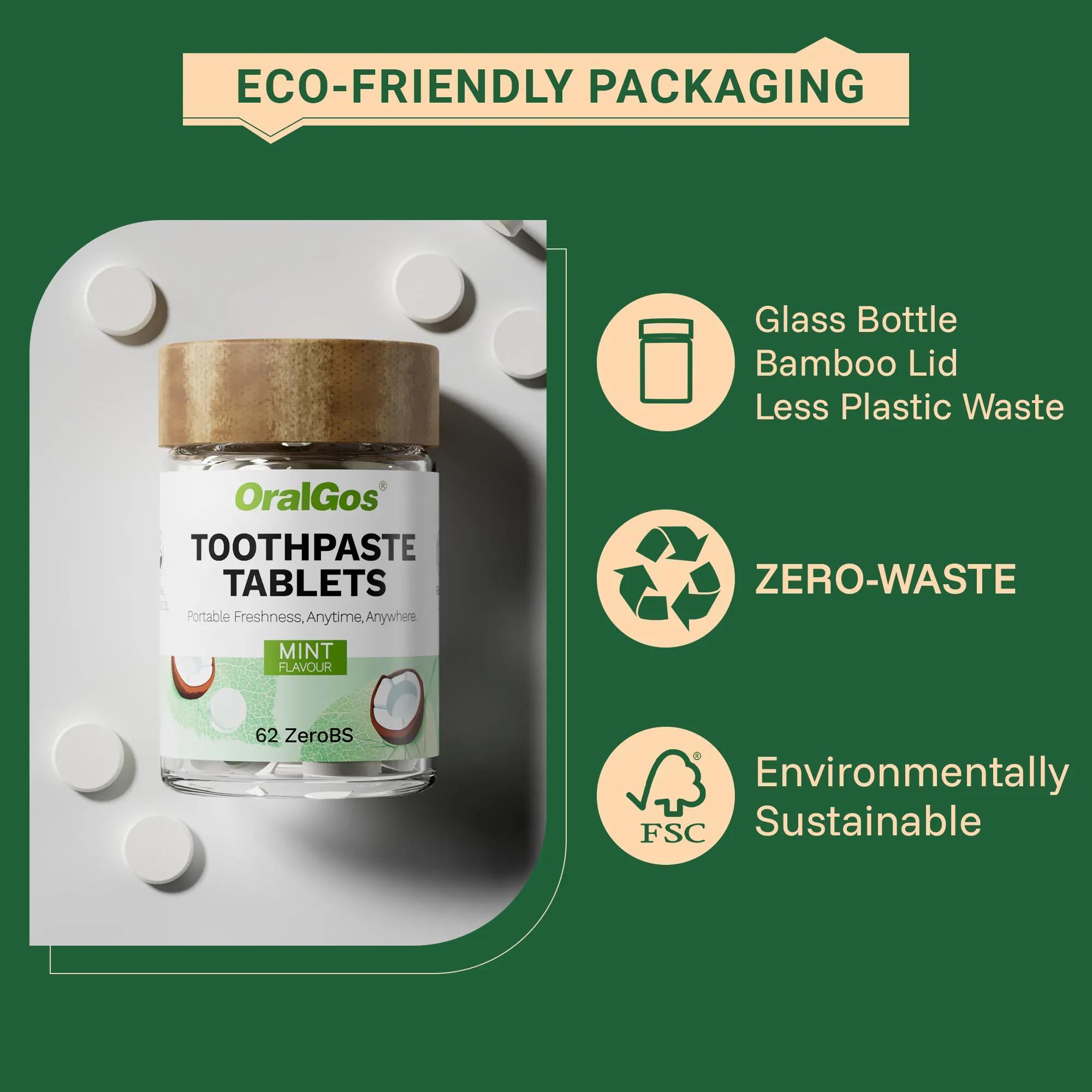
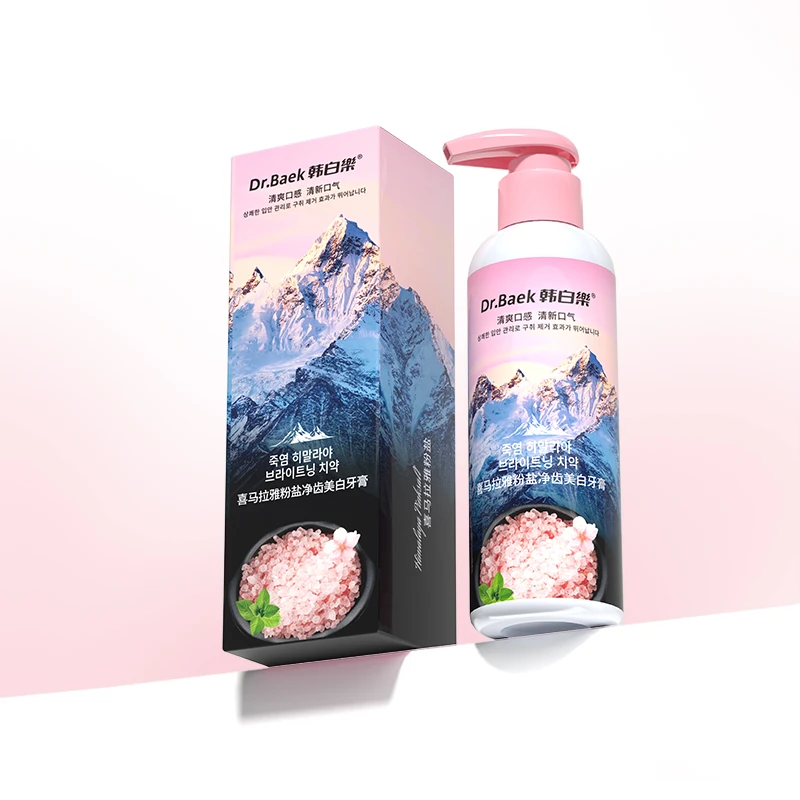
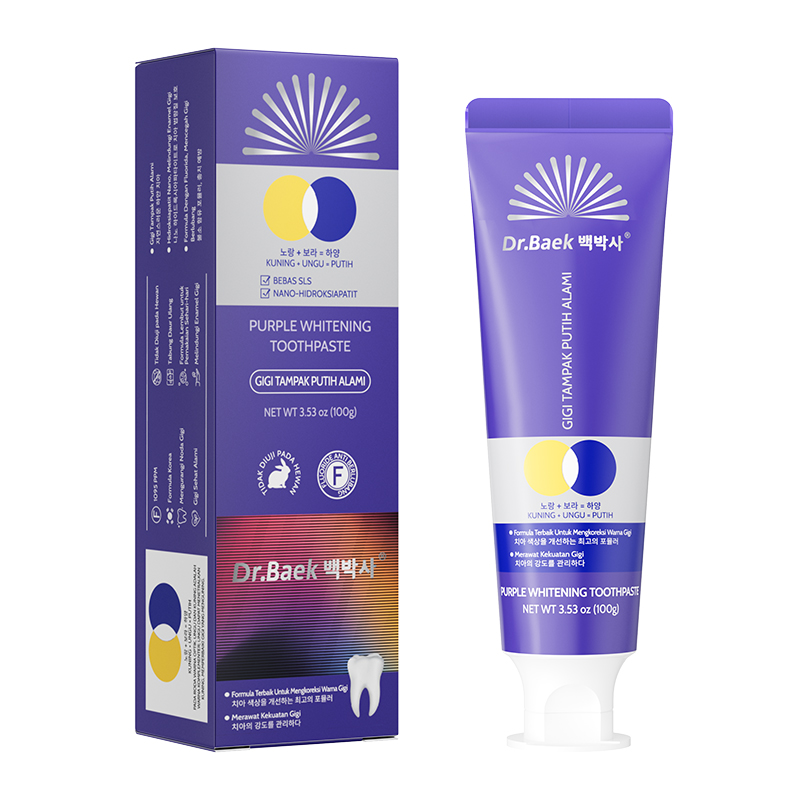
Packaging is often treated as a final step, but it plays a central role in brand success.
Common packaging mistakes include:
- Overcrowded label information
- Poor readability on shelves
- Generic visual identity
- Lack of eco-friendliness messaging
Consumers typically decide within seconds whether to pick up a product. Your packaging must communicate benefits instantly.
Invest in cohesive branding elements:
- Consistent color system
- Clear benefit hierarchy
- Professional typography
- Sustainable packaging options
Strong visual branding helps a toothpaste brand stand out.
Mistake 5: Working With the Wrong Manufacturing Partner
Selecting a manufacturer based only on price can create long-term problems.
Reliable manufacturers should provide:
- Regulatory documentation support
- Flexible MOQ options
- Stable formulation consistency
- Quality-control systems
Working with experienced suppliers also allows faster product iteration and smoother scaling.
If you are exploring formulation options, reviewing available product ranges can help define your direction. For example, manufacturers often showcase ready solutions through product portfolios such as this toothpaste product range.
Studying existing models helps new brands understand market structure and positioning opportunities.
Mistake 6: Weak Go-to-Market Strategy
Even excellent products fail without distribution planning.
Many new brands focus entirely on product development while ignoring:
- Target sales channels
- Pricing strategy
- Online visibility
- SEO and content marketing
- Professional endorsements
Launching a toothpaste brand today requires digital-first thinking. Educational content, expert-backed messaging, and search visibility are essential for building authority.
Mistake 7: Neglecting Long-Term Brand Building
A toothpaste brand is not a one-time launch — it is a long-term trust relationship.
Brands that succeed typically invest in:
- Consumer education
- Consistent messaging
- Product line expansion
- Professional partnerships
- Continuous improvement
Rather than chasing quick sales, focus on building credibility over time. Oral-care products rely heavily on repeat purchases, meaning trust directly impacts continued growth of revenue.
Conclusion: Build a Toothpaste Brand With Strategy, Not Assumptions
Launching a successful toothpaste brand requires more than a good idea. Clear positioning, regulatory awareness, scientific credibility, professional manufacturing, and strong branding all work together to create market success.
By avoiding these common mistakes, new entrants can reduce risk and accelerate growth in a competitive oral-care landscape. Companies that pair consumer insight with strong operations are more likely to build a lasting toothpaste brand, not just launch one.