When children don’t brush properly, the consequences go far beyond bad breath. Poor brushing habits in early years can silently lead to long-term oral health problems that are harder and more expensive to fix later.
Parents often assume that baby teeth are temporary and less important. However, neglecting proper brushing routines during childhood can impact permanent teeth, overall health, and even a child’s confidence.
Let’s break down what happens when children don’t brush properly and why it can have serious long-term consequences.
Why Children Don’t Brush Properly
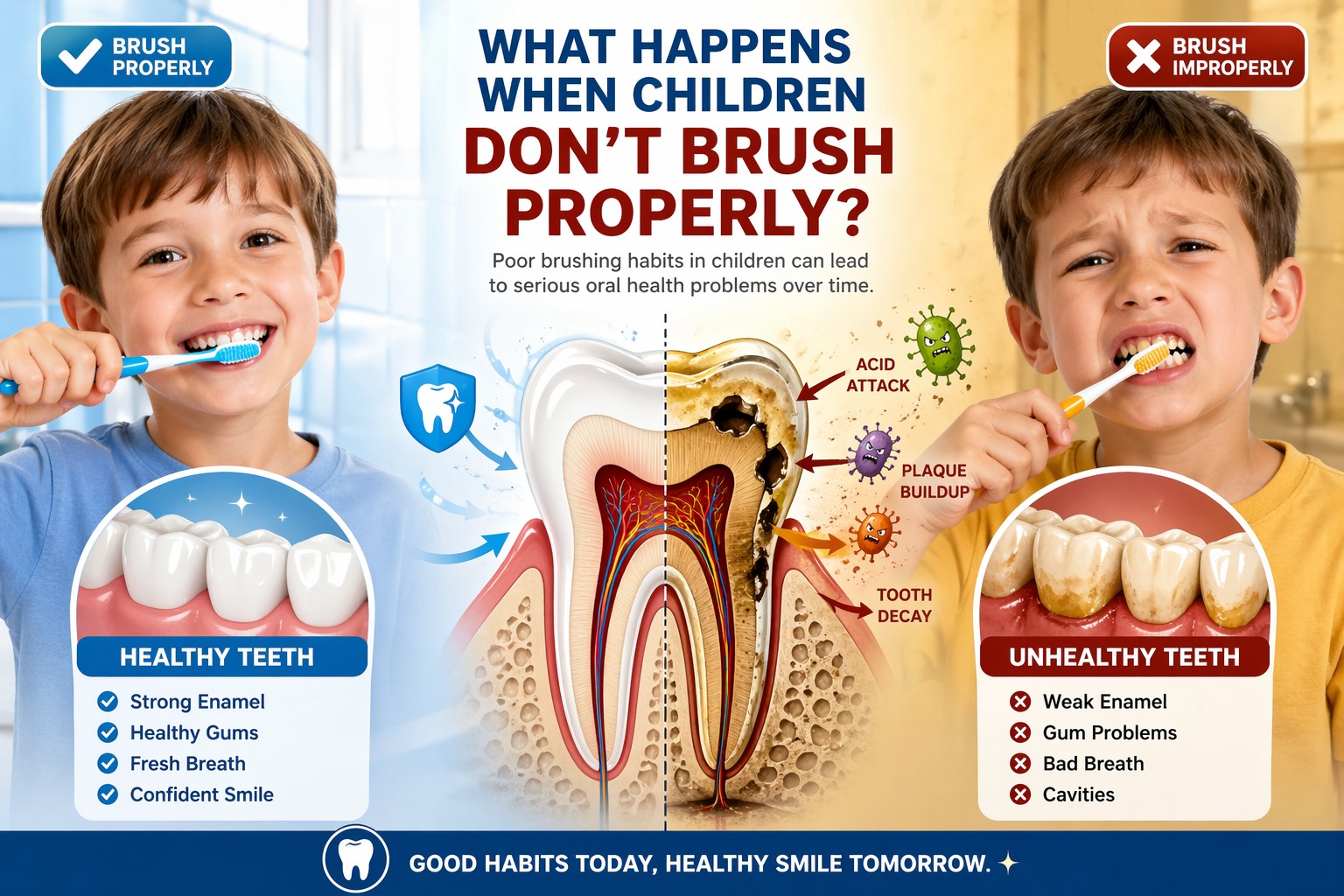
Understanding the root of the problem is the first step to fixing it. Children often don’t brush properly because:
- Lack of proper technique
- Brushing too quickly (under 2 minutes)
- Skipping hard-to-reach areas
- Disinterest or resistance to brushing routines
Young children especially need guidance. Without supervision, brushing often becomes a rushed, ineffective task.
What Happens If Children Don’t Brush Properly?
1. Plaque Buildup from Poor Brushing Habits in Children
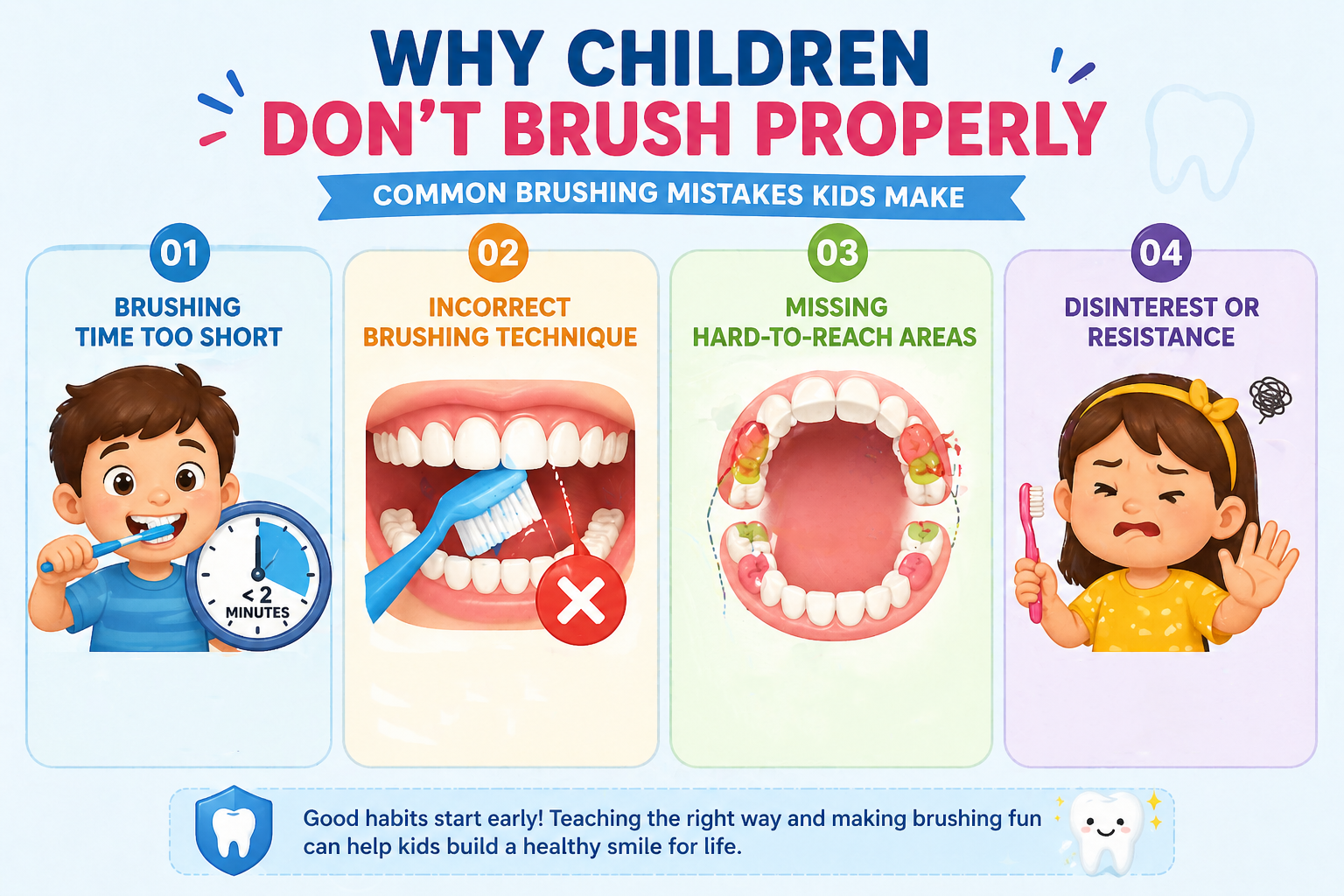
When children develop poor brushing habits, plaque begins forming on the teeth within hours. This sticky film contains bacteria that feed on sugars and produce acids.
Over time, plaque hardens into tartar, and brushing alone cannot remove it.
2. Higher Risk of Cavities When Children Brush Improperly
One of the most immediate effects of poor brushing habits in children is tooth decay.
According to the American Dental Association, cavities are among the most common chronic diseases in children. Poor brushing allows bacteria to erode enamel, creating holes in teeth.
3. Gum Inflammation Caused by Inadequate Oral Hygiene in Children
Improper brushing affects not only the teeth but also the gums.
Children with poor brushing habits may experience:
- Red or swollen gums
- Bleeding during brushing
- Early-stage gingivitis
If left untreated, this can progress into more serious gum conditions.
4. Bad Breath Linked to Improper Brushing in Kids
Persistent bad breath is often an early warning sign.
When children don’t brush properly, food particles and bacteria accumulate in the mouth, producing unpleasant odors. This can affect social interactions and self-esteem, especially in school environments.
5. Long-Term Dental Problems from Poor Brushing Habits
The impact extends beyond childhood.
When children don’t brush properly over time, they may face:
- Weak enamel development
- Early loss of baby teeth can lead to misalignment of permanent teeth
- Higher risk of orthodontic issues
- Increased dental treatment costs later in life
How to Prevent Poor Brushing Habits in Children
The good news? These risks are completely preventable with the right approach.

Choose the Right Tools
Using child-friendly toothbrushes makes a huge difference.
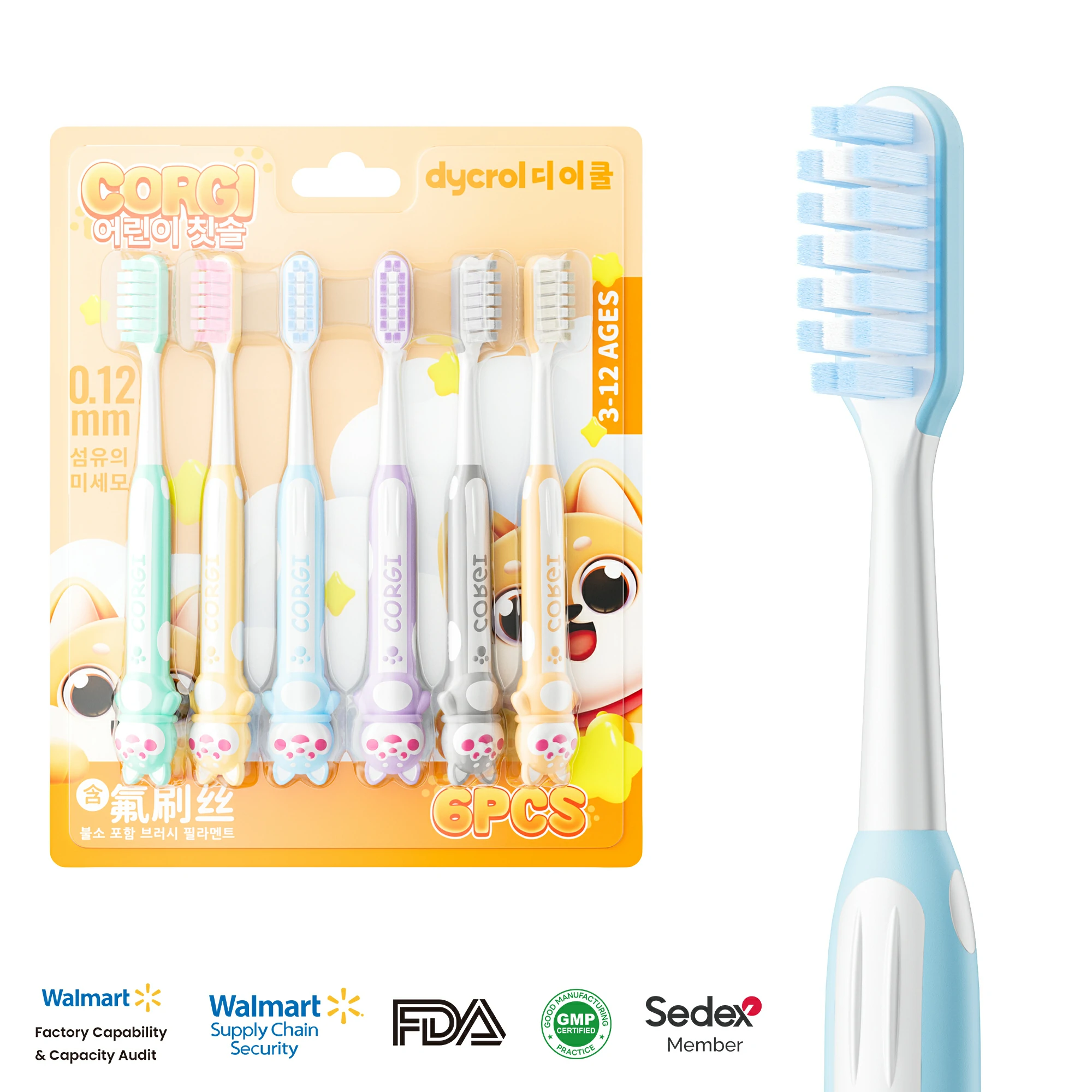
👉 A soft-bristle option like this cute kids fluoride toothbrush helps protect delicate gums while ensuring effective cleaning.
👉 Explore more options in our kids toothbrush collection.
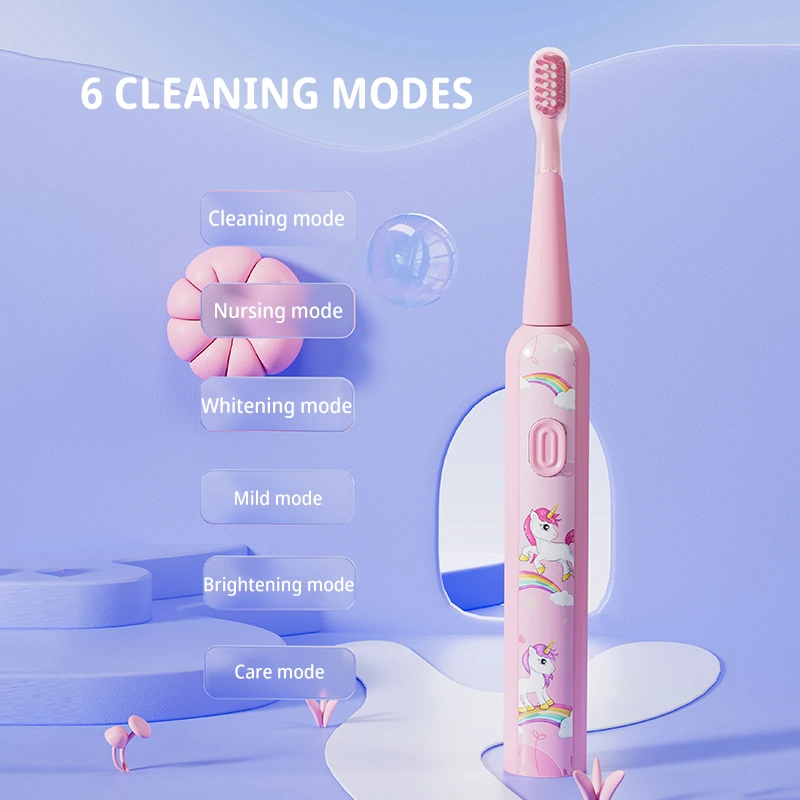
👉 Or consider upgrading to kids electric toothbrush models.
Electric toothbrushes, in particular, can improve brushing efficiency and make the process more engaging.
Teach Proper Brushing Technique
Children don’t automatically know how to brush properly—they need to be taught.
Key tips include:
- Brush for at least 2 minutes
- Use gentle circular motions
- Cover all surfaces (front, back, chewing areas)
- Don’t forget the tongue
Parents should supervise brushing until at least age 7–8.
Make Brushing Fun
When children see brushing as a task, they are less likely to do it effectively.
Try:
- Playing music during brushing
- Using colorful toothbrushes
- Turning brushing into a game or challenge
A little creativity can go a long way.
Final Thoughts on Children’s Brushing Habits
When children don’t brush properly, the effects may seem small at first, but they build up quickly into serious oral health issues.
From cavities and gum disease to long-term dental complications, the risks are real, but entirely avoidable.
Parents can help their children build lifelong healthy habits. This starts with choosing the right tools, teaching proper techniques, and making brushing enjoyable.
Because in the end, good brushing isn’t just about clean teeth, it’s about setting the foundation for a healthier future.