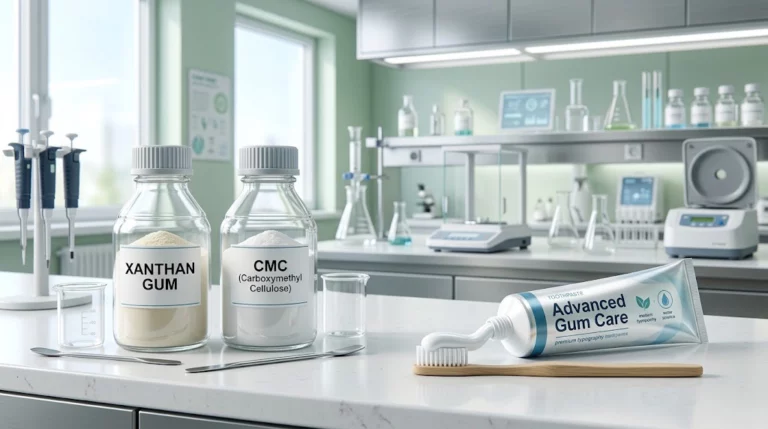
Most people know they should change their toothbrush regularly, yet many still use it far beyond the recommended time. This gap between knowledge and behavior is not random. It comes from psychology, habit formation, and cognitive bias. A behavioral science view of replace toothbrush frequency helps explain why people delay action. “I’ll replace it next week” often becomes months of delay.
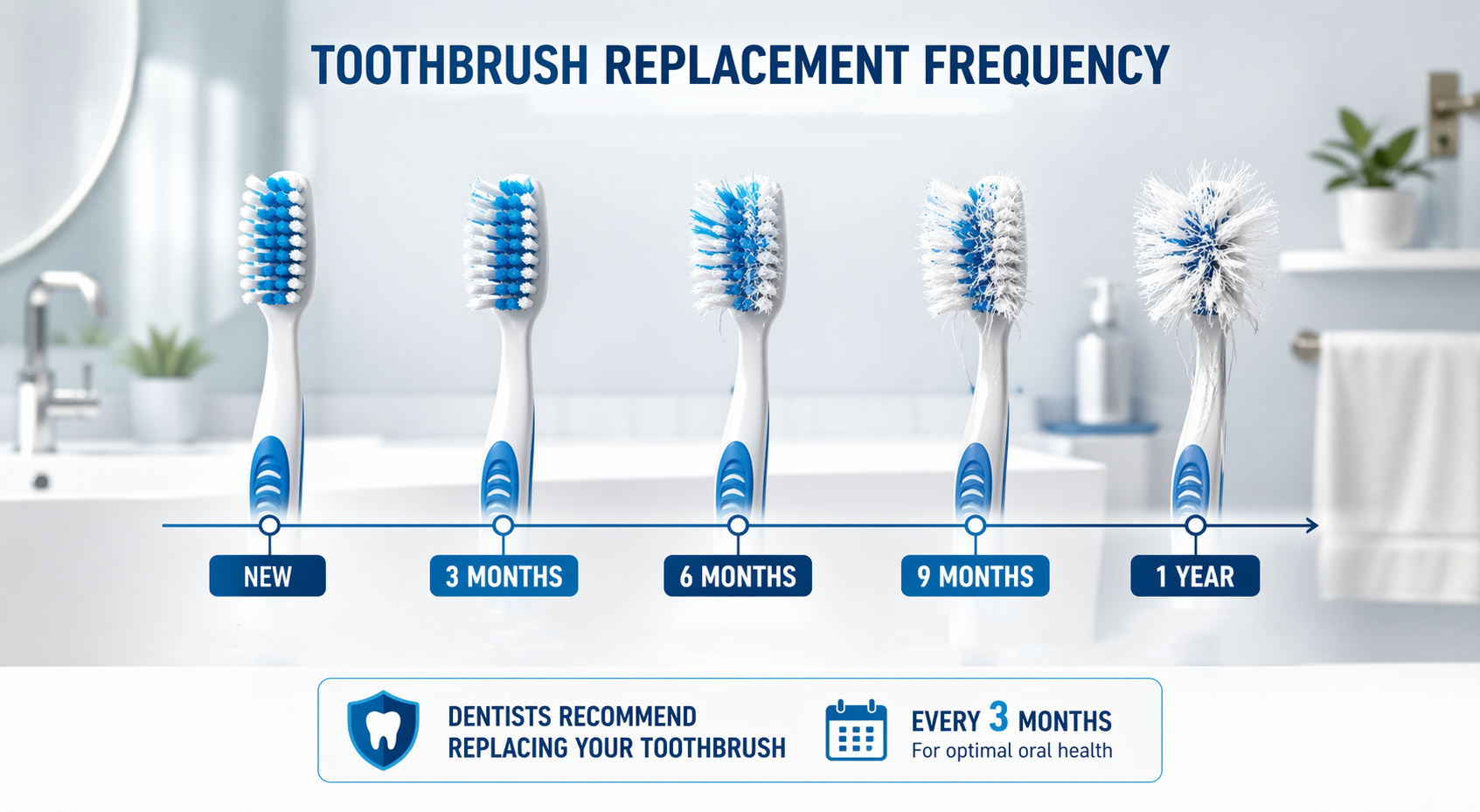
Why Toothbrush Replacement Matters More Than People Think
Dental professionals recommend a 3–4 month toothbrush replacement cycle. The American Dental Association (ADA) reinforces this guideline, particularly when bristle wear is visible. A worn toothbrush is less effective at removing plaque and may harbor bacteria over time.
You can also explore recommended oral care tools here:
Despite this clear guidance, actual replace toothbrush frequency in real life is often inconsistent. Behavioral science suggests that people don’t fail because of ignorance. They fail because of friction in decision-making and habit loops.
The Psychology Behind Delayed Replacement
The biggest reason people delay proper replace toothbrush frequency is “present bias.” Humans tend to prioritize immediate comfort over future benefits. Replacing a toothbrush feels like a low-urgency task with no immediate reward. However, the long-term benefit is better oral health.
Another contributing factor is optimism bias. Many people believe their toothbrush is “still fine,” even when the bristles show clear signs of wear. This creates a disconnect between actual condition and perceived condition.
The “out of sight, out of mind” effect also influences this behavior. Toothbrush replacement is not part of a structured routine like brushing itself. Without reminders, people simply postpone the behavior.
How Habit Loops Affect Toothbrush Replacement
Habits drive most daily oral care behavior. Brushing teeth is a strong habit, but people do not build the same habit loop for replacing toothbrushes. According to behavioral science, habits require a cue, a routine, and a reward.
For brushing:
- Cue: waking up / bedtime
- Routine: brushing teeth
- Reward: fresh mouth feeling
For replace toothbrush frequency, the cue is weak or missing entirely. No natural trigger reminds people when it’s time to change their toothbrush.
This is why many dental experts recommend linking toothbrush replacement to fixed events like seasons or payday cycles. Without such cues, even well-intentioned individuals drift far beyond the recommended schedule.
Behavioral Barriers Affecting Replace Toothbrush Frequency
Several subtle cognitive biases contribute to poor replace toothbrush frequency:
- Status quo bias – People prefer keeping things as they are, even if change is beneficial.
- Decision fatigue – People postpone small decisions like buying a toothbrush.
- Perceived cost inconvenience – People delay even low-cost items when effort feels unnecessary.
- Invisible consequences – Unlike broken objects, toothbrush degradation is gradual and not alarming.
These barriers explain why people often ignore toothbrush replacement until they have no choice but to change it.
How to Improve Replace Toothbrush Frequency in Daily Life
Improving replace toothbrush frequency is less about knowledge and more about system design. Here are practical behavioral strategies:
- Anchor replacement to routines: Replace every time you switch toothpaste or start a new season.
- Use visual cues: Store spare toothbrushes in sight to reduce friction.
- Digital reminders: Calendar alerts every 3 months can significantly improve consistency.
- Bundle purchasing habits: Buying multiple toothbrushes at once reduces future decision fatigue.
Dental authorities such as the American Dental Association also emphasize preventive habits and routine replacement to maintain oral hygiene effectiveness.
Replace Toothbrush Frequency and the Role of Product Design
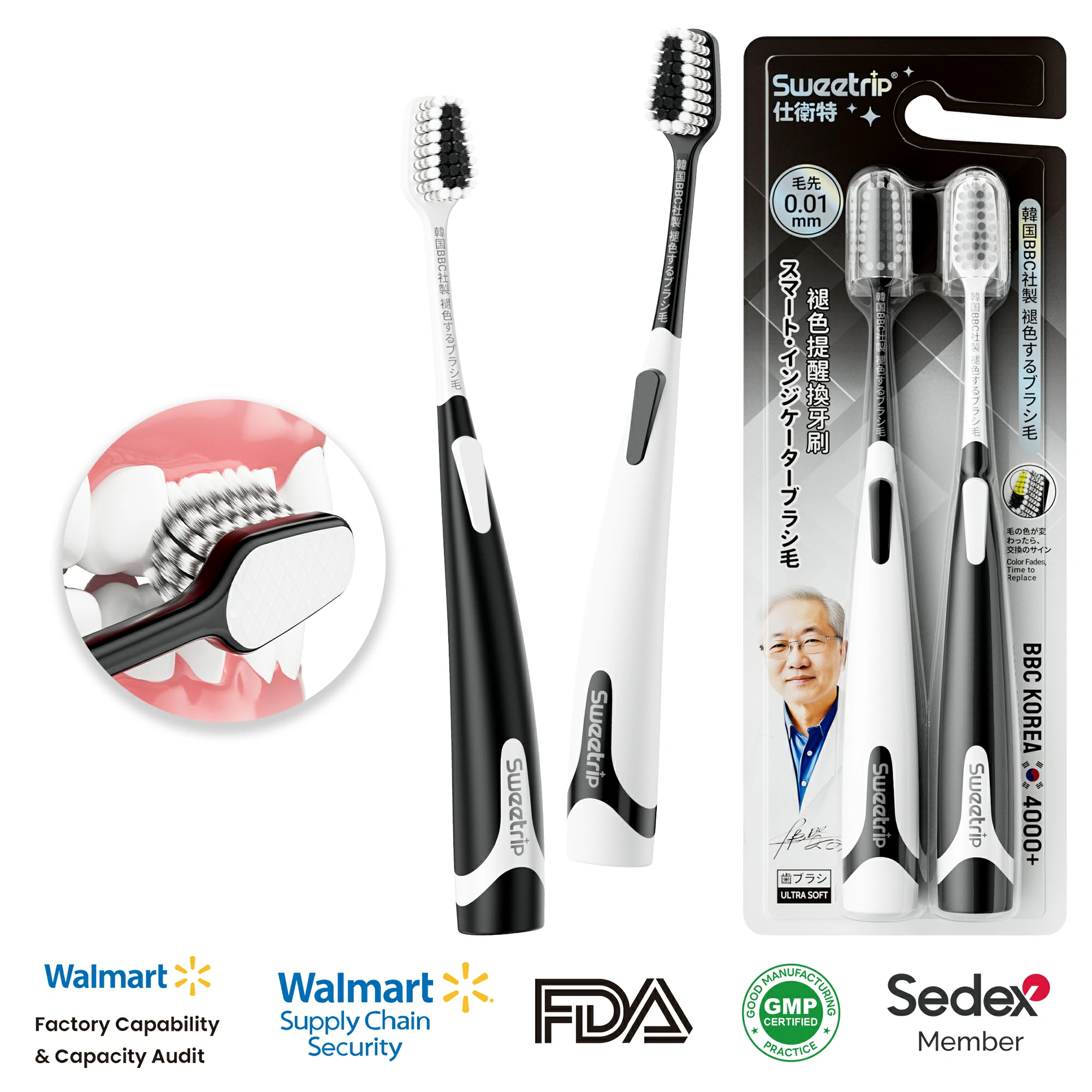
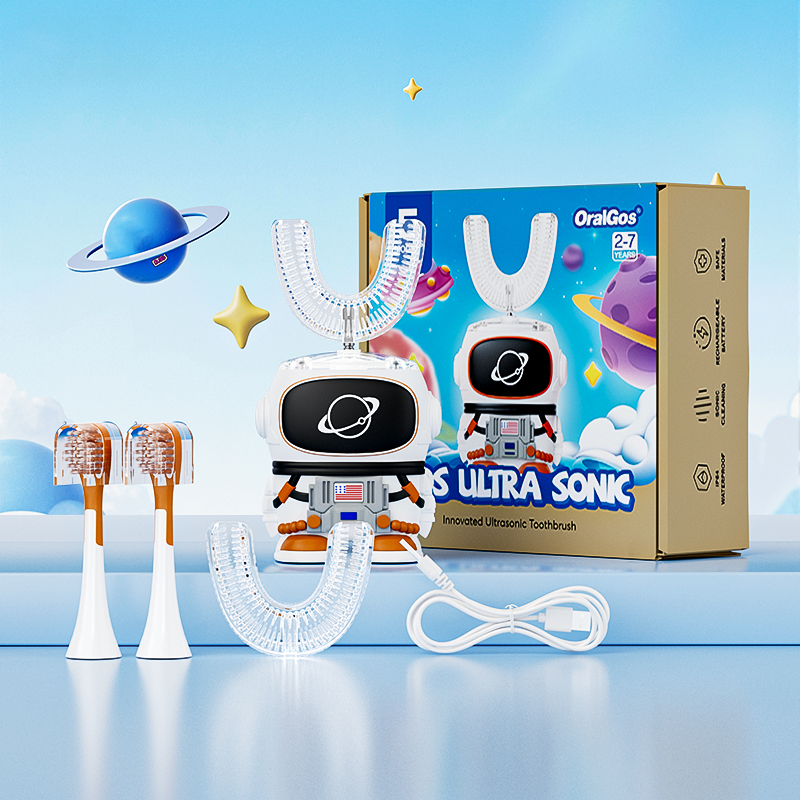
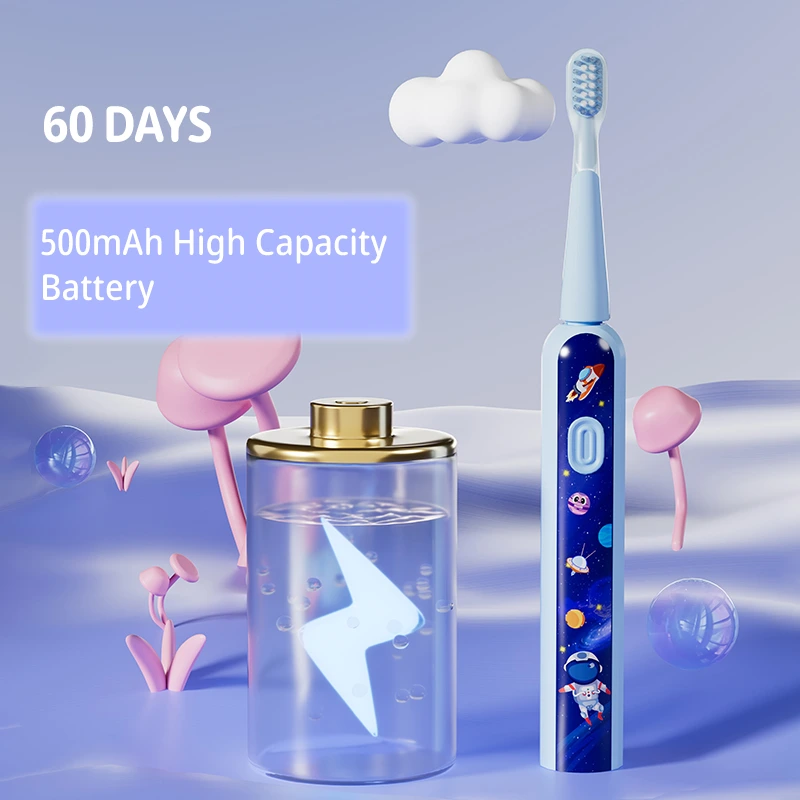
Product design can also influence replace toothbrush frequency. Color-changing bristles, wear indicators, and subscription models all help bridge the gap between intention and action.
Manufacturers increasingly understand that consumers do not behave rationally. Instead, they design products that “nudge” better habits without requiring conscious effort.
For example, stocking both manual and electric options can help users align replacement habits with usage preferences:
These small design interventions can significantly improve oral care consistency.
Conclusion
Delayed toothbrush replacement is not a matter of carelessness. It reflects predictable human behavior. From present bias to weak habit cues, multiple psychological factors interfere with optimal replace toothbrush frequency.
Understanding these patterns helps both consumers and oral care brands build better systems. These systems make healthy habits easier to follow. Ultimately, improving replace toothbrush frequency is not about reminding people. It depends on redesigning the environment so the right choice becomes the easiest one.