Most people focus on toothpaste, brushing time, or brush type in their daily oral care routine. Yet many people overlook one small detail: the water temperature used for brushing teeth. The choice between cold and warm water can influence your brushing experience. Does it actually matter for your oral health?
The short answer is: it depends on your teeth sensitivity, gum condition, and comfort. But the science behind brushing teeth habits gives us a clearer picture.
Why Water Temperature Matters in Brushing Teeth
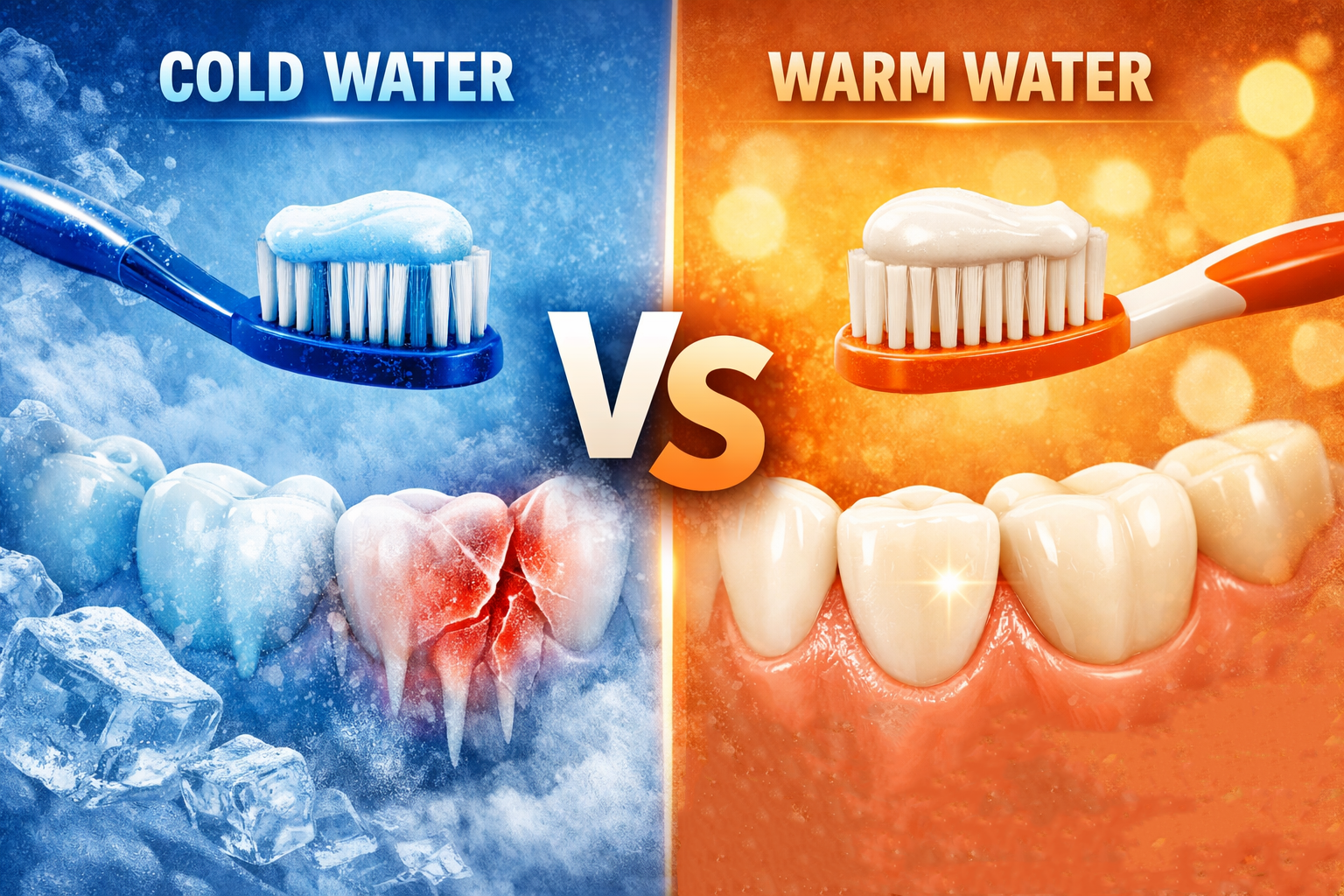
Water temperature affects how your mouth responds during brushing teeth. Cold water can feel refreshing, but it may also trigger sensitivity in people with exposed dentin or enamel wear. Warm water, on the other hand, is gentler and may help reduce discomfort for sensitive teeth.
According to guidance from the American Dental Association, maintaining good brushing technique and consistency is more important than minor variables like water temperature. However, comfort significantly influences whether people maintain consistent oral hygiene routines.
If using warm water makes brushing teeth more comfortable, you are more likely to brush longer and more effectively.
Brushing with Cold Water: Pros and Cons
Cold water is the default choice for many people, especially in hot climates. It has a few benefits:
- Provides a refreshing sensation
- Can help reduce mild gum inflammation temporarily
- Feels energizing in the morning
However, cold water is not ideal for everyone. During brushing teeth, it may cause sharp sensitivity in people with:
- Tooth enamel erosion
- Gum recession
- Recent dental treatments
A sharp sensation when brushing teeth with cold water may indicate enamel wear or gum exposure.
Brushing with Warm Water: A Gentler Approach
Warm water is often recommended for people with sensitive teeth. It helps relax oral tissues and reduces the shock that cold water can cause. Warm water can make brushing teeth more comfortable, especially for older adults and people with sensitive teeth.
Comfort Benefits of Warm Water
Using warm water during brushing teeth can:
- Reduce sensitivity pain
- Improve gum comfort
- Encourage longer brushing duration
- Help loosen debris slightly more than cold water
Warm water cannot replace proper brushing technique, but it can improve comfort and consistency in oral care.
Brushing Teeth Technique Matters More Than Water Temperature
Whether you choose cold or warm water, technique remains the most important factor in brushing teeth. A proper routine includes:
- Brushing for two minutes
- Using fluoride toothpaste
- Reaching all tooth surfaces
- Brushing twice a day
Water temperature is secondary compared to consistency and technique. In fact, simply changing water temperature will not fix poor brushing habits.
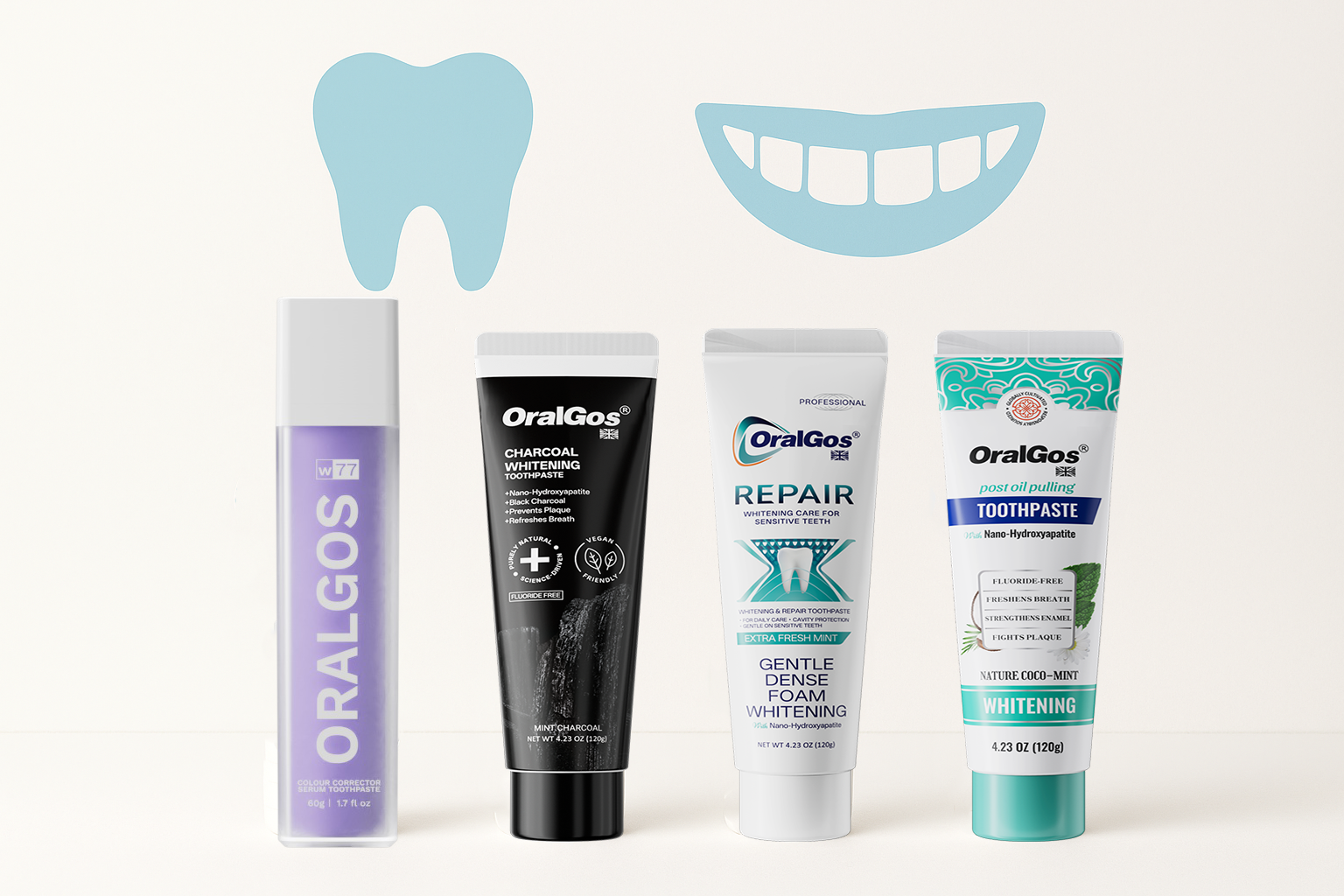
To improve your brushing technique, explore more oral care tools and toothbrush options in our product range: OralGos products.
Brushing Teeth for Sensitive vs Non-Sensitive Mouths
Different mouths respond differently. That’s why people should personalize their brushing teeth strategies.
If you have sensitive teeth:
- Warm water is usually better
- Soft-bristled toothbrush is recommended
- Avoid aggressive brushing pressure
If you do not have sensitivity:
- Cold or room temperature water is perfectly fine
- Focus more on brushing duration and coverage
The key is consistency. Even the best water temperature cannot compensate for irregular brushing habits.
What Experts Recommend Overall
Most dental professionals agree that water temperature is not a critical factor in oral health outcomes. According to the American Dental Association, oral care habits are more important than water temperature. These include fluoride toothpaste, proper brushing technique, and regular dental check-ups.
In other words, brushing teeth correctly matters more than the temperature of the water you use.
However, people should not ignore comfort. If warm water helps you maintain better habits, it is a smart choice. If cold water feels better and does not cause sensitivity, it is equally acceptable.
Final Thoughts
Cold and warm water both have their benefits, and there is no universal winner for brushing teeth.
- Cold water = refreshing and energizing
- Warm water = gentle and comfort-friendly
The best choice is the one that keeps your brushing routine consistent and comfortable. Good oral health depends on habits, not extremes.
If one small change in water temperature helps you brush more effectively every day, then that is the right choice for you.