Most people grow up associating toothpaste with a strong minty blast—cool, sharp, and instantly “clean-feeling.” However, this sensation is not comfortable for all users. For many users, mint flavor may feel too strong and can sometimes lead to irritation or nausea. That’s where non-mint toothpaste comes in as a growing alternative in modern oral care.
In recent years, oral care brands have expanded their product offerings. These products now include a wider range of flavors and formulations to meet different sensory preferences and health needs. The result is a rising demand for non-mint toothpaste, designed to clean effectively without the traditional mint flavor.
What Is Non-Mint Toothpaste?
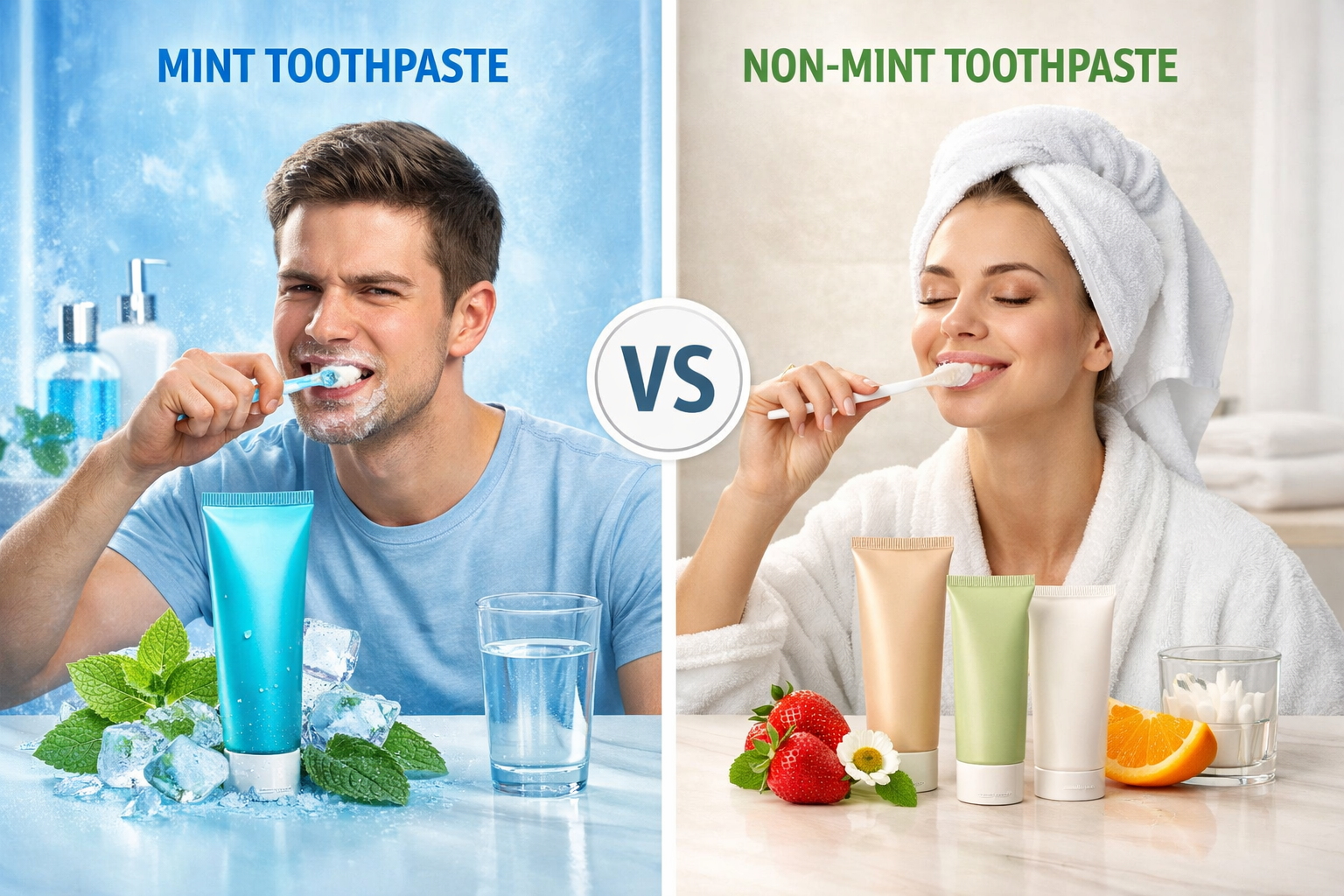
Non-mint toothpaste refers to toothpaste formulations that do not contain mint flavoring agents such as peppermint or menthol. Instead, they use alternative flavors like fruit, herbal blends, neutral tastes, or even unflavored formulas.
Despite the flavor difference, non-mint toothpaste still contains essential active ingredients such as fluoride, hydroxyapatite, and antibacterial agents. These ingredients help maintain oral health, prevent cavities, and reduce plaque buildup.
Common flavor alternatives include:
- Strawberry or berry blends (popular in children’s toothpaste)
- Citrus-based flavors like orange or lemon
- Herbal or neutral formulations
- Completely flavor-free options for ultra-sensitive users
The goal of non-mint toothpaste is simple. It helps maintain effective oral hygiene while improving comfort and usability for specific user groups.
Why People Choose Non-Mint Toothpaste
The demand for non-mint toothpaste is not just a trend—it reflects real user needs. Mint is refreshing for many, but for others, it can be a barrier to consistent brushing.
Some key reasons people switch include:
1. Sensory Sensitivity
Certain individuals are sensitive to strong flavors or cooling sensations caused by menthol. For them, mint flavor may feel overly strong and can cause discomfort or sensitivity.
2. Morning Nausea or Pregnancy Sensitivity
Pregnant individuals often experience heightened taste sensitivity. Strong mint flavors may trigger nausea, making non-mint formula a more comfortable option.
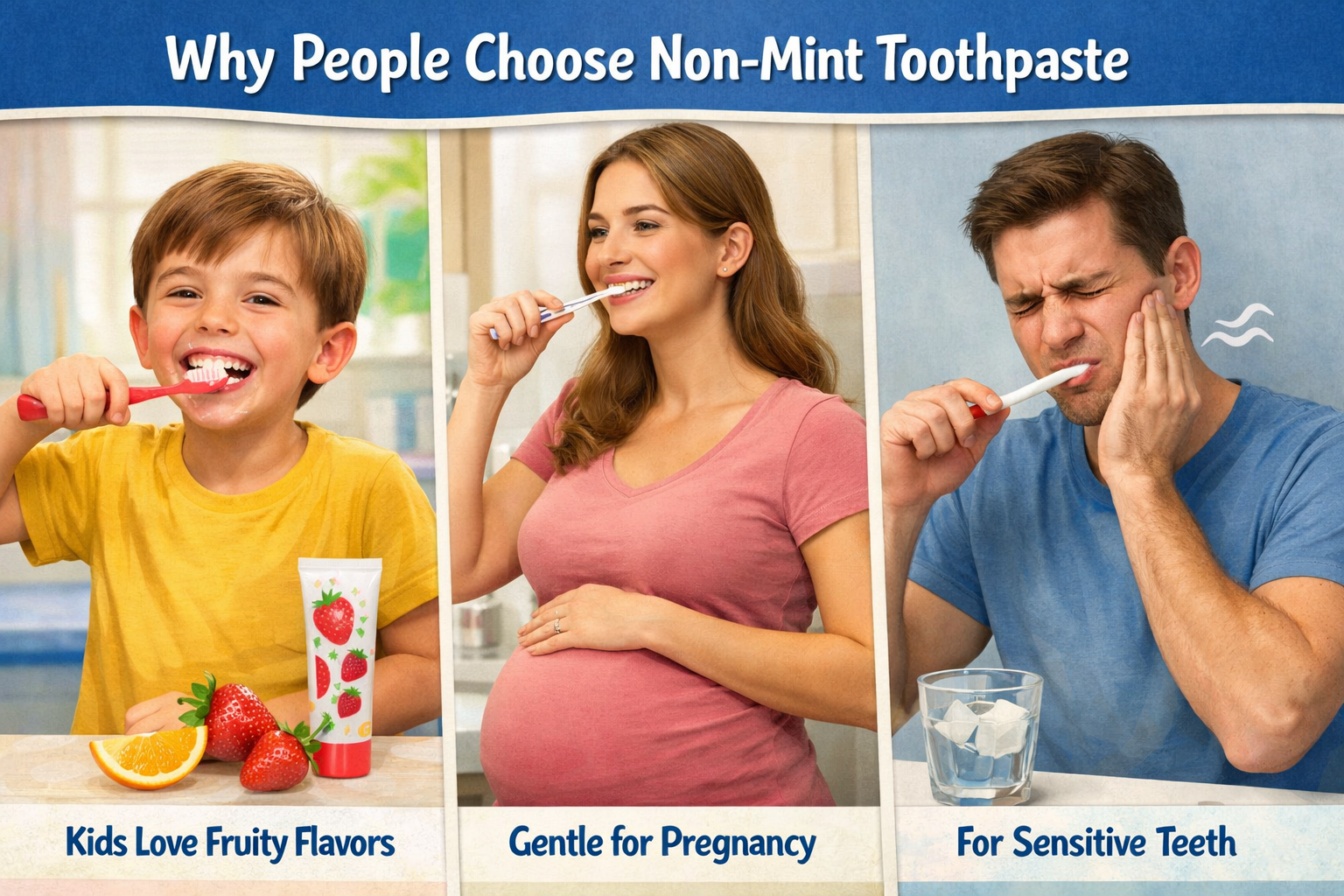
3. Children’s Preference
Children are more likely to develop positive brushing habits when toothpaste has a pleasant taste. Fruity or mild flavors make non-mint toothpaste a practical tool for building healthy habits early.
4. Medical or Autism Spectrum Needs
Some individuals with sensory processing differences prefer milder flavors. A neutral oral care product helps reduce resistance to daily hygiene routines.
Who Should Use Mint-free Toothpaste?
Not everyone needs to switch, but non-mint formula can be especially beneficial for:
Children and First-Time Brushers
Children often reject strong mint flavors. A milder alternative encourages consistent brushing habits and reduces resistance during early oral care education.
People with Flavor Sensitivities
For individuals who dislike or react negatively to mint, mint-free toothpaste offers a more comfortable daily experience. It still maintains the same oral health benefits.
Patients Undergoing Medical Treatment
Certain cancer treatments or other medical therapies can alter taste perception. In such cases, mint may feel metallic or unpleasant, making gentler formulations preferable.
Is Non-Mint Formula Effective?
A common misconception is that mint equals cleanliness. In reality, mint is only a flavoring agent—it does not determine cleaning power.
The effectiveness of non-mint toothpaste depends on its active ingredients, not its taste. According to the American Dental Association, fluoride toothpaste remains one of the most effective tools for preventing cavities. It also helps maintain overall oral health, regardless of flavor.
Non-mint toothpaste can be just as effective as mint toothpaste when it contains clinically proven ingredients.
How to Choose the Right Mint-free Toothpaste
When selecting a mint-free toothpaste, consider the following factors:
- Active ingredients: Look for fluoride or enamel-supporting alternatives
- Flavor profile: Choose based on comfort, not just preference
- Target user: Adult, child, or sensitive user formulations differ
- Brand transparency: Reliable manufacturers clearly list ingredients and benefits
For a range of toothpaste formulations designed for different user needs, explore our toothpaste products here.
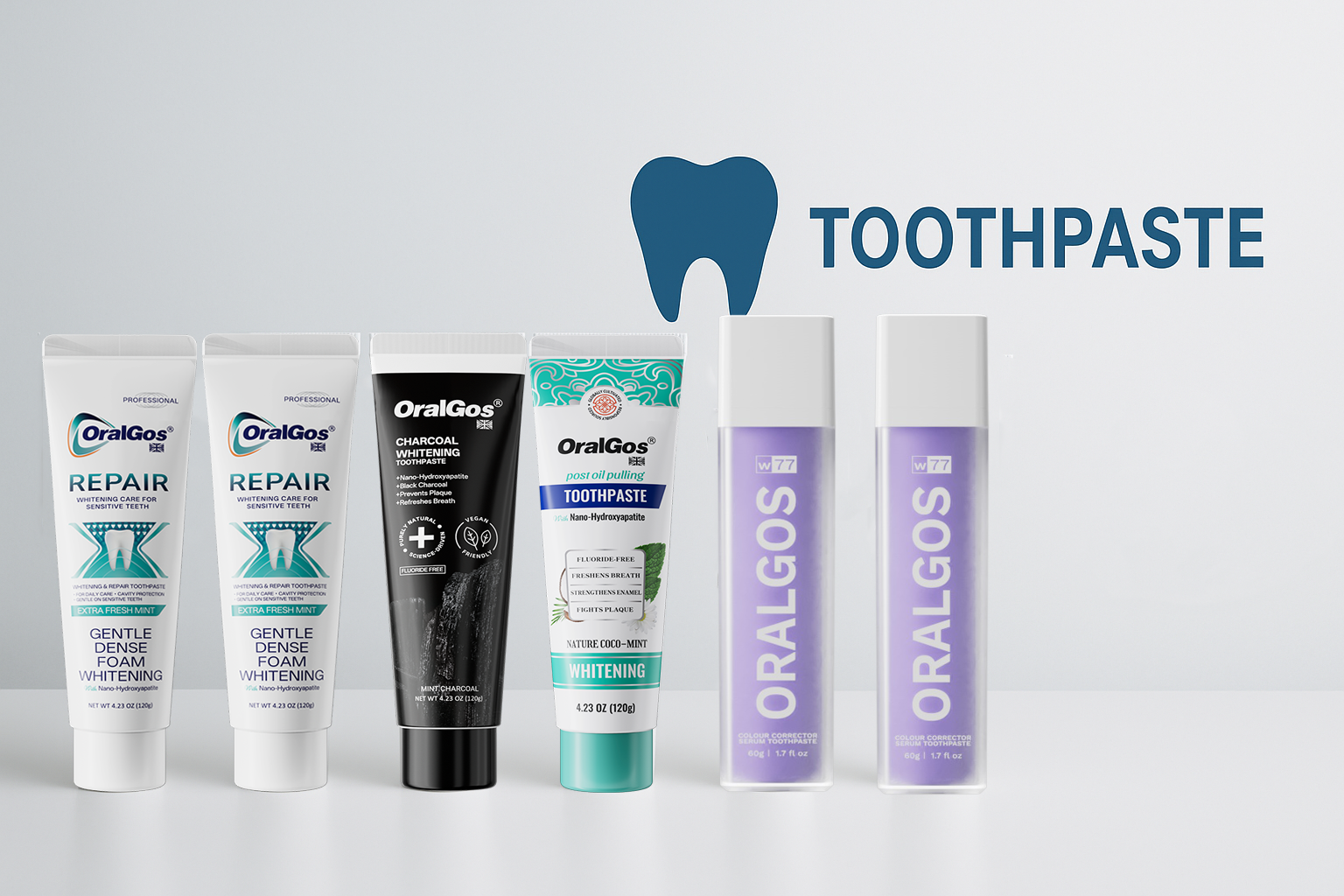
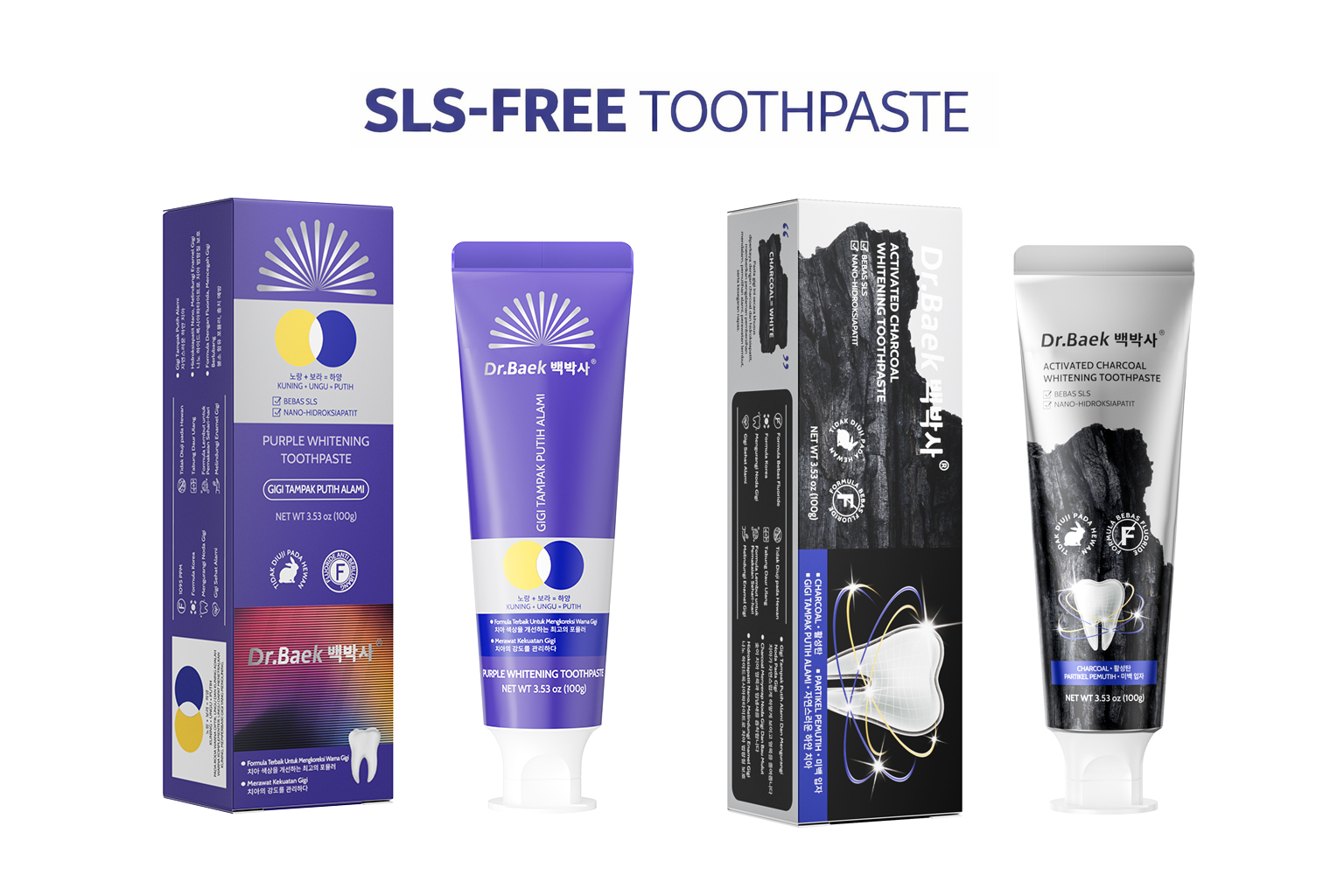
The Growing Market for Non-Mint Toothpaste
The oral care industry is shifting toward personalization. Consumers no longer accept one-size-fits-all products. Instead, they look for solutions tailored to taste, sensitivity, and lifestyle.
As a result, mint-free toothpaste is becoming more mainstream in global markets. From children’s oral care to premium sensitivity-friendly formulas, brands are expanding flavor diversity while maintaining clinical effectiveness.
This evolution reflects a broader trend: oral care is no longer just about hygiene—it’s about user experience.
Final Thoughts
Non-mint toothpaste goes beyond being just an alternative flavor option. It represents a thoughtful shift in oral care design, focusing on comfort, ease of use, and usability.
Non-mint toothpaste is suitable for children, sensitive users, and anyone who dislikes mint. It offers a practical and effective solution without compromising dental health.
As awareness grows and more formulations enter the market, choosing the right toothpaste is shifting away from tradition. The focus is now more on personal comfort and individual needs.