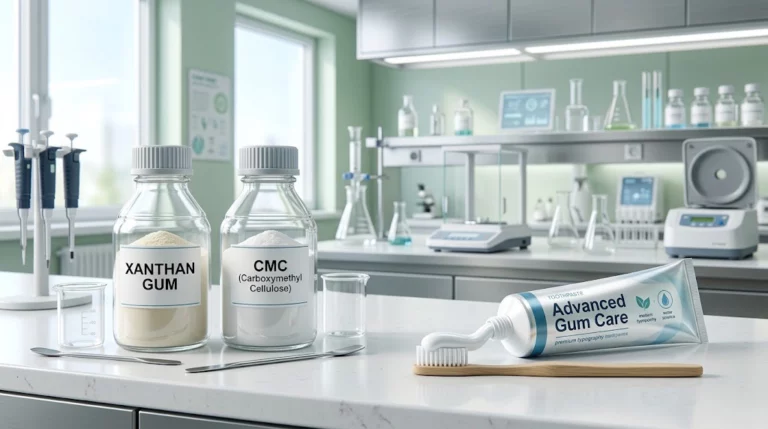
Most people think brushing their teeth is only about preventing cavities or maintaining fresh breath. However, science shows a clearer truth: your daily oral care routine helps protect your overall health. The mouth-body connection shows that oral bacteria can leave your gums and affect your heart and other organs.
Once you understand this pathway, your toothbrush is no longer just a hygiene tool. It becomes your first line of defense.
What Is the Mouth-Body Connection in Oral Health?
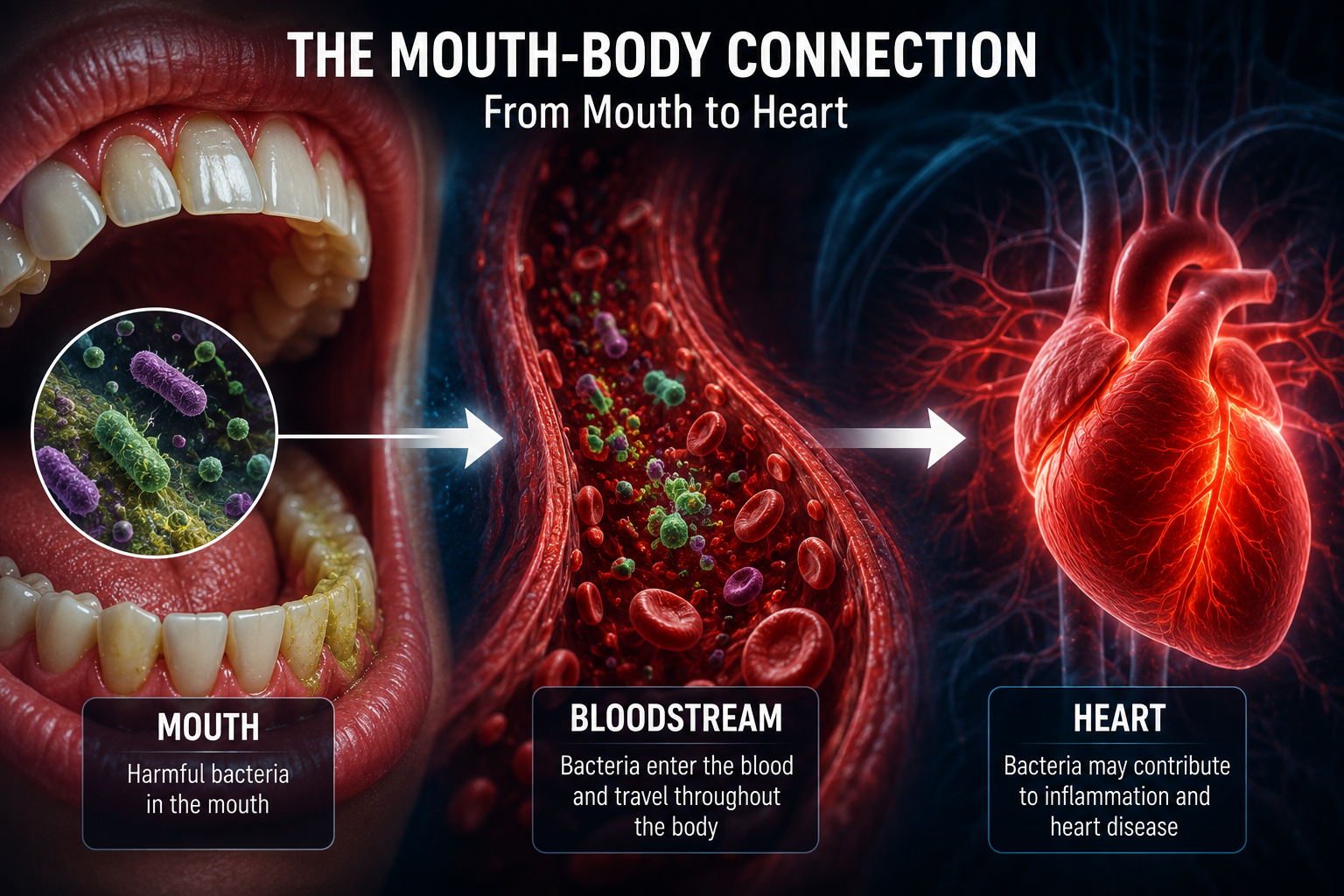
The mouth-body connection refers to the biological link between oral health and systemic health. Your mouth is home to billions of bacteria. While many are harmless, poor oral hygiene allows harmful bacteria to multiply and trigger inflammation.
The American Dental Association reports a link between gum disease (periodontitis) and cardiovascular problems. When your gums bleed, bacteria can pass directly into your bloodstream.
This is where things start to escalate.
How Oral Bacteria Travel to the Heart
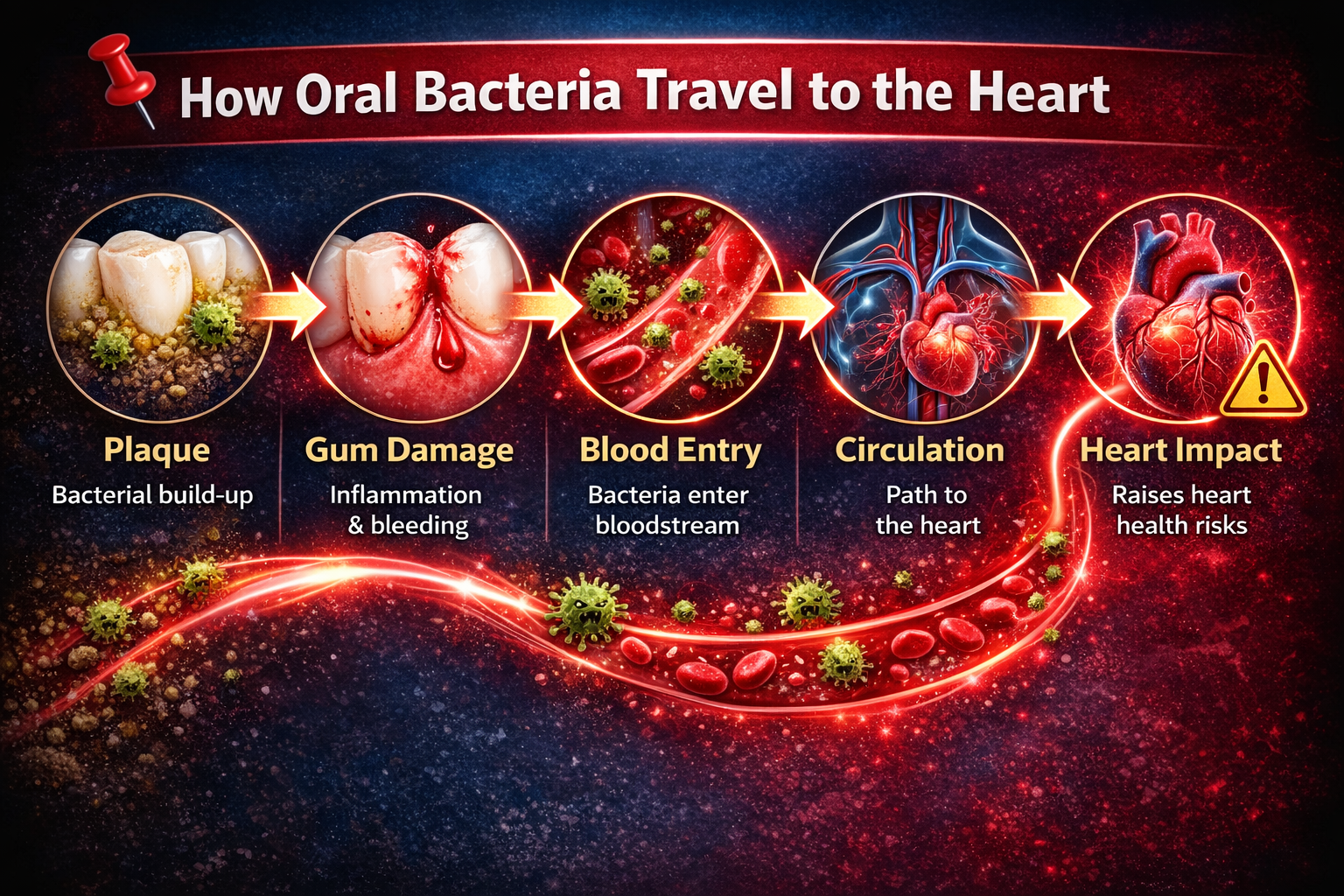
The most alarming part of the mouth-body connection is how easily oral bacteria can spread. Here’s how the process works:
- Plaque builds up along the gumline
- Gums become inflamed and start bleeding
- Bacteria enter the bloodstream through damaged gum tissue
- These bacteria circulate through the body
- They attach to blood vessels or heart tissues
Once inside the bloodstream, bacteria can cause inflammation in the arteries. This increases the risk of conditions such as atherosclerosis (hardening of the arteries). In some cases, this may even elevate the risk of heart attack or stroke.
It sounds dramatic, but it is biologically plausible and supported by growing clinical research.
Mouth-Body Connection and Chronic Inflammation in the Body
One of the key mechanisms behind the mouth-body connection is chronic inflammation.
Gum disease doesn’t stay localized. The inflammation triggered in your mouth can spread throughout your body. Over time, this low-grade inflammation can:
- Damage blood vessels
- Increase arterial plaque buildup
- Interfere with normal immune responses
This creates a ripple effect throughout the body. As a result, oral health plays an important role in long-term cardiovascular health.
Why Your Toothbrush Matters in the Mouth-Body Connection
If bacteria are the root of the problem, then controlling them becomes essential. That’s where your toothbrush comes in.
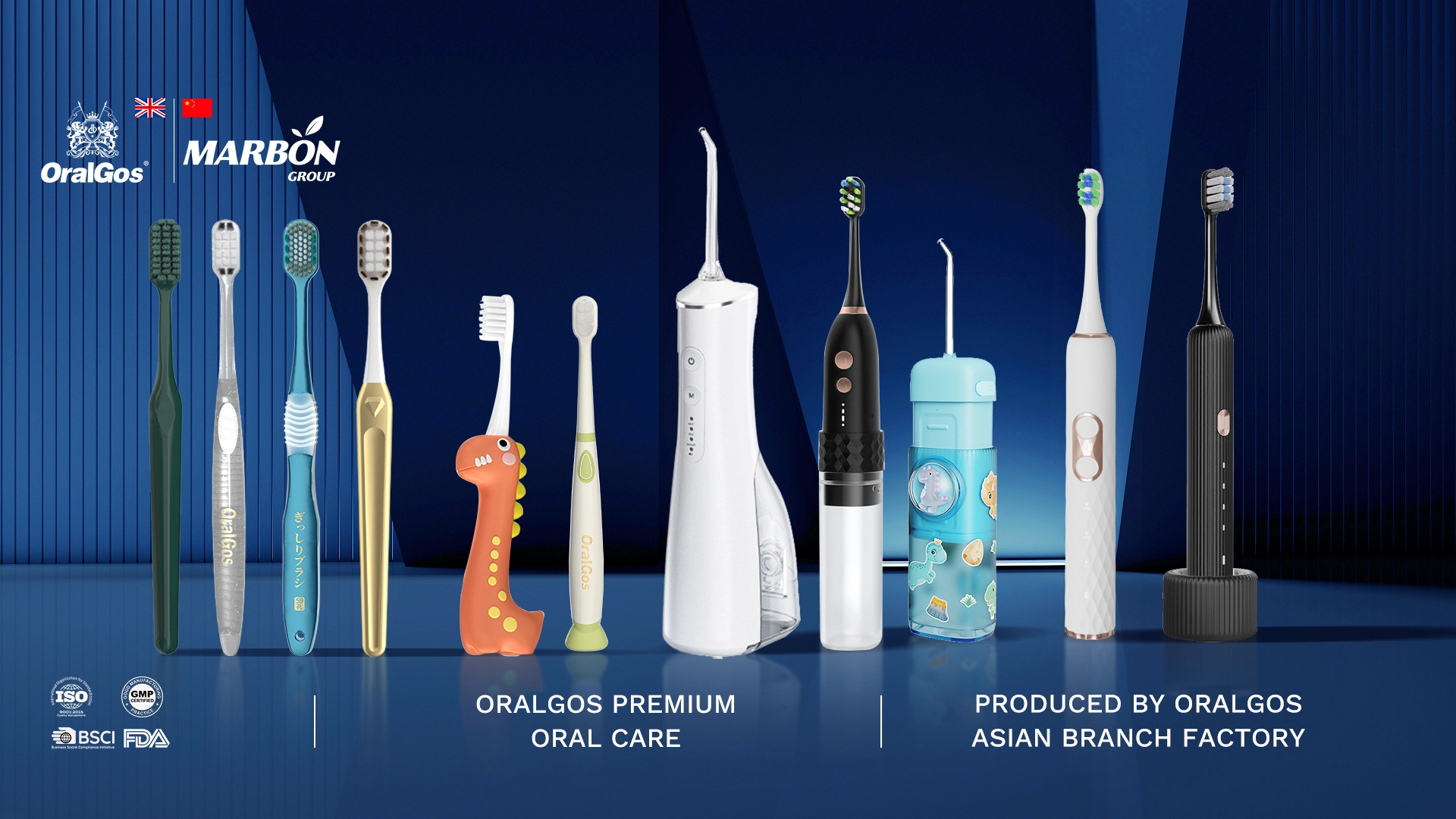
A high-quality toothbrush helps remove plaque before it turns into a bacterial threat. Whether you prefer a manual or powered option, consistency and effectiveness are what truly matter.
You can explore professional-grade options in our product range:
- Manual brushing solutions: OralGos manual toothbrush collection
- Advanced cleaning technology: OralGos electric toothbrush range
An effective toothbrush doesn’t just clean your teeth. It also helps reduce harmful bacteria that drive the mouth-body connection.
Strengthening Your Defense: Beyond Brushing
While brushing is essential, a complete oral care routine strengthens your protection against harmful bacteria.
Consider integrating these tools into your daily oral care routine:
- Toothpaste with proven antibacterial properties: OralGos toothpaste range
- Water flossers for deeper interdental cleaning: OralGos water flosser collection
These tools help eliminate bacteria from hard-to-reach areas, reducing the chances of them entering your bloodstream.
Think of it as upgrading your defense system from a basic shield to full-body armor.
Early Warning Signs You Shouldn’t Ignore
The mouth-body connection often starts with subtle symptoms that are easy to overlook:
- Bleeding gums during brushing
- Persistent bad breath
- Red or swollen gum tissue
- Gum recession
These are not minor problems but early indicators of bacterial imbalance and inflammation.
Addressing them early can significantly reduce your risk of systemic complications.
A Small Habit with a Big Impact
It’s easy to ignore the importance of brushing your teeth. But when viewed through the lens of the mouth-body connection, it becomes clear that this daily habit has far-reaching consequences.
Your toothbrush is not just protecting your smile. It also helps regulate bacteria, control inflammation, and reduce the risk of heart problems.
In a world full of complex health advice, this is refreshingly simple:
better brushing can contribute to better overall health.
Final Thoughts
The mouth-body connection transforms how we think about oral care. It reveals that the boundary between dental health and systemic health is much thinner than most people realize.
By maintaining proper oral hygiene and using the right tools, you are not just preventing cavities. You are also actively protecting your cardiovascular system.
So the next time you pick up your toothbrush, remember:
You’re not just cleaning your teeth but defending your body from the inside out.