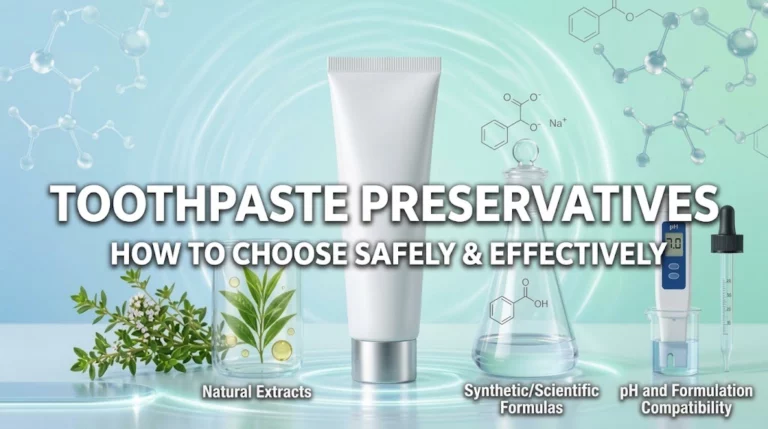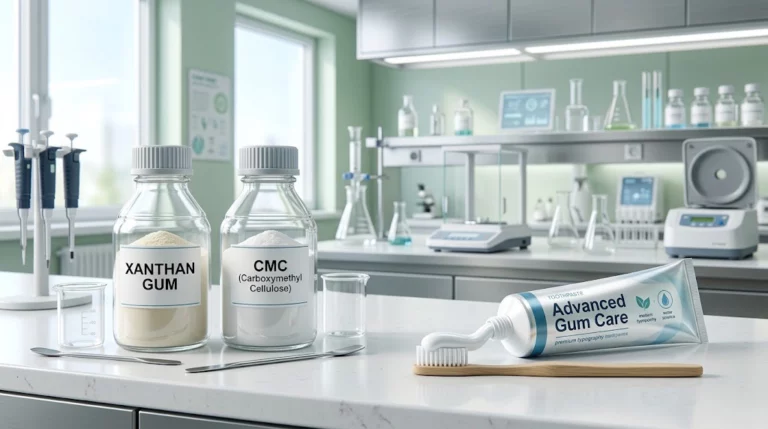
Choosing the right toothpaste is no longer just about flavor or whitening claims. With more awareness of oral health and ingredient safety, many consumers ask a key question. Which toothpaste ingredients should you avoid? Understanding this helps you protect not only your teeth but also your overall health.
Many commercial formulas include additives that improve texture, foaming, or shelf life. However, not all are ideal for long-term use. In this guide, we break down the most debated ingredients. We also explain how to make better choices for daily oral care products.
Toothpaste Ingredients to Avoid: Why It Matters for Oral Health
When people search for toothpaste ingredients to avoid, they often worry about irritation, long-term risks, or extra chemicals. While most toothpaste brands are safe for general use, some ingredients may still cause concern. This depends on personal sensitivity or how you use them.
For example, certain foaming agents and artificial additives may cause dryness or irritation in sensitive mouths. Others may simply offer cosmetic benefits without improving actual dental health.
The American Dental Association emphasizes that effective toothpaste should focus on cavity prevention and enamel protection rather than excessive additives or marketing-driven ingredients. You can learn more about oral health standards from the American Dental Association.

Toothpaste Ingredients to Avoid: Common Harmful or Controversial Additives
Here are some commonly discussed ingredients people often look for when researching toothpaste ingredients to avoid:
1. Sodium Lauryl Sulfate (SLS)
SLS is a foaming agent that creates the “sudsy” feeling in toothpaste. While it helps spread the paste, it can irritate some users and may cause mouth ulcers in sensitive people.
2. Triclosan
Once widely used to fight bacteria, triclosan is now controversial. Concerns remain about long-term hormone effects and harm to the environment. Many modern formulations have removed it entirely.
3. Artificial Sweeteners and Flavors
Ingredients like saccharin or synthetic flavoring agents are used to improve taste. While generally considered safe, some consumers prefer avoiding unnecessary synthetic additives in daily-use products.
4. Microplastics and Abrasive Silica
Some whitening toothpastes include abrasive particles that can wear down enamel over time if used excessively.
Understanding these parts helps consumers evaluate toothpaste ingredients. It also helps them avoid or choose formulas that match their health priorities.
Toothpaste Ingredients to Avoid: How to Read Labels Effectively
Many people buy toothpaste based on branding rather than ingredients. However, learning to read labels is one of the most effective ways to avoid unwanted substances.
When scanning packaging, look for:
- Short, transparent ingredient lists
- Clearly labeled fluoride content (if included)
- Absence of unnecessary synthetic additives
- Clinically backed claims rather than marketing buzzwords
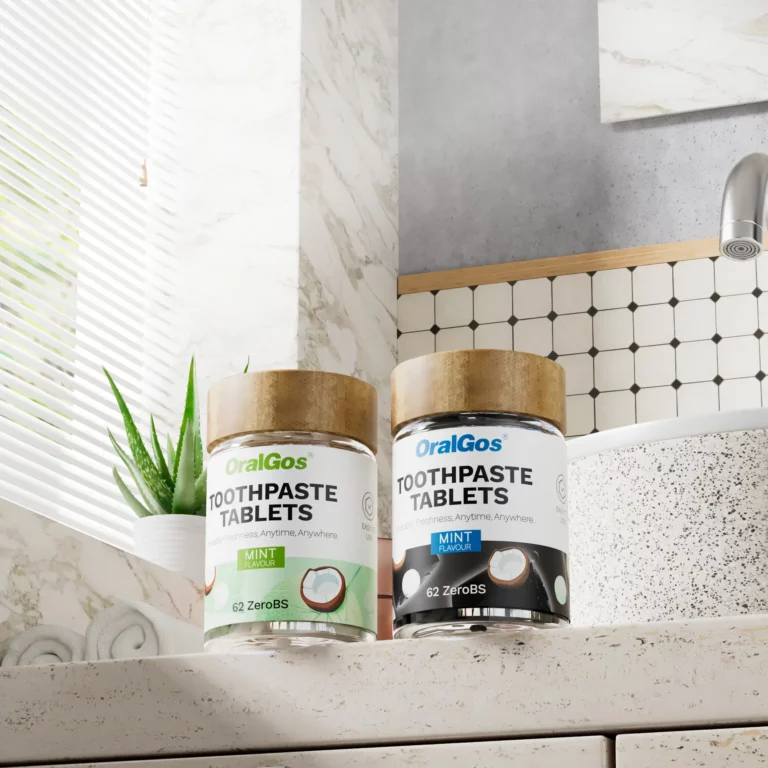
If you are not sure where to start, try professionally made options like those in our curated toothpaste selection:
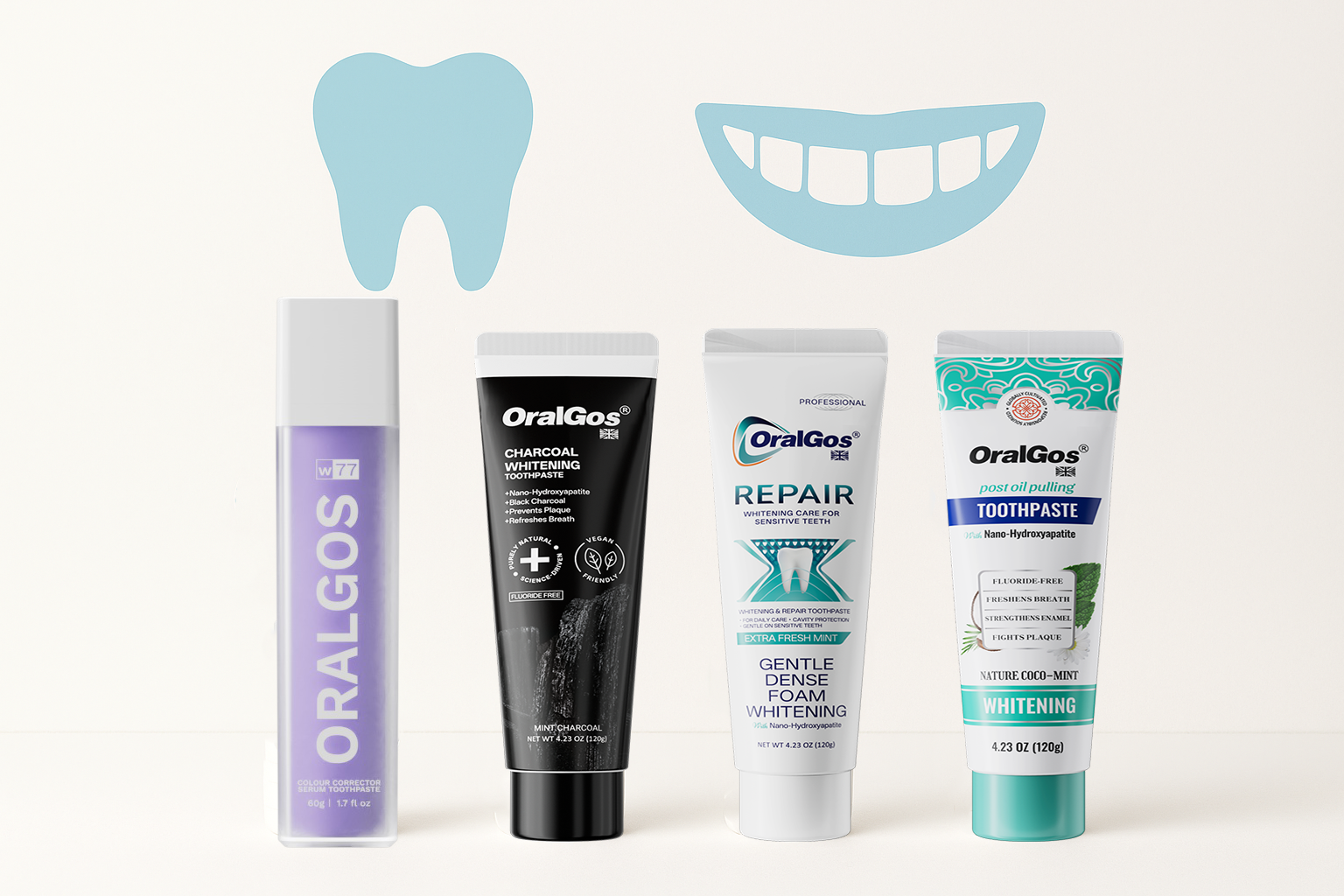
Many modern oral care brands are now focusing on cleaner formulations, balancing effectiveness with safety and simplicity.
Safer Alternatives and Smarter Choices
Instead of focusing only on what to avoid, it is equally important to understand what to look for. Safer toothpaste options often include:
- Fluoride for cavity prevention (or hydroxyapatite as an alternative)
- Gentle surfactants instead of harsh foaming agents
- Natural flavoring agents
- Clinically tested whitening systems
The goal is not to remove all chemical ingredients. Instead, it is to create a balanced formula that supports daily oral health without adding unnecessary risks.
When comparing products, always check whether they meet dental safety standards recommended by organizations like the ADA.
Final Thoughts
Understanding toothpaste ingredients to avoid empowers consumers to make more informed choices. While not every “chemical” is harmful, it helps to stay aware. This way, you can spot ingredients that may not suit your oral health needs.
The best toothpaste is not always the one with the most advanced marketing claims. The best toothpaste has a balanced, transparent formula that supports long-term dental health.
Read labels carefully and choose products wisely. This helps protect your enamel, gums, and overall oral health every day.