Most people have heard the same dental advice since childhood: brush your teeth for two minutes, twice a day. Although the two-minute rule is a good habit, effective oral care depends on more than brushing time alone. In reality, how long to brush teeth depends on brushing technique, toothbrush type, oral condition, and even lifestyle habits.
For individuals with healthy teeth and proper brushing techniques, two minutes may provide adequate cleaning. For others, it may leave plaque behind in hard-to-reach areas. Understanding the difference can help improve daily oral care and reduce long-term dental problems.
How Long to Brush Teeth for Effective Plaque Removal
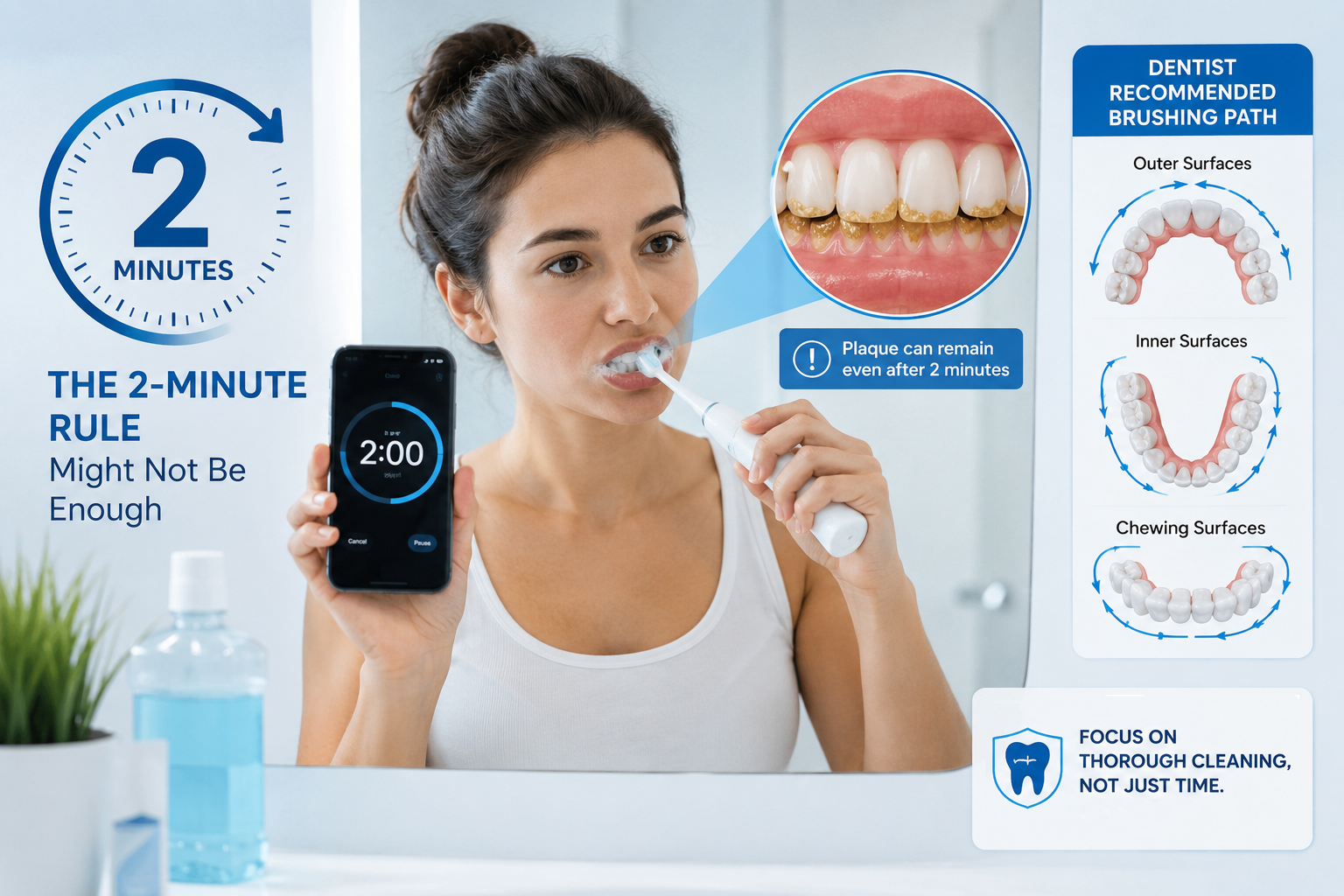
Dental professionals designed the traditional two-minute recommendation to encourage people to brush longer. In reality, many individuals spend only 30 to 45 seconds brushing their teeth. However, studies show that brushing duration alone does not guarantee effective cleaning.
When considering how long to brush teeth, it is important to focus on coverage rather than speed. People with braces, crowded teeth, gum recession, or sensitive gums often require additional time to clean thoroughly. Missing certain areas repeatedly can lead to plaque buildup, enamel wear, and gum inflammation.
According to the American Dental Association, brushing should remove plaque effectively while protecting enamel and gum tissue. This means brushing carefully and step by step instead of rushing through the process.
A good strategy is dividing the mouth into four sections and spending at least 30 seconds on each quadrant. If you use orthodontic appliances or experience gum problems, brushing may naturally take longer than two minutes.
Why Toothbrush Type Changes How Long to Brush Teeth
Not all toothbrushes clean at the same efficiency level. Manual and electric toothbrushes create different brushing experiences, which directly affects how long to brush teeth properly.
Manual Toothbrushes Require More Technique
With a manual toothbrush, users control pressure, movement, and angle entirely on their own. Many people brush too aggressively or skip inner tooth surfaces without realizing it.
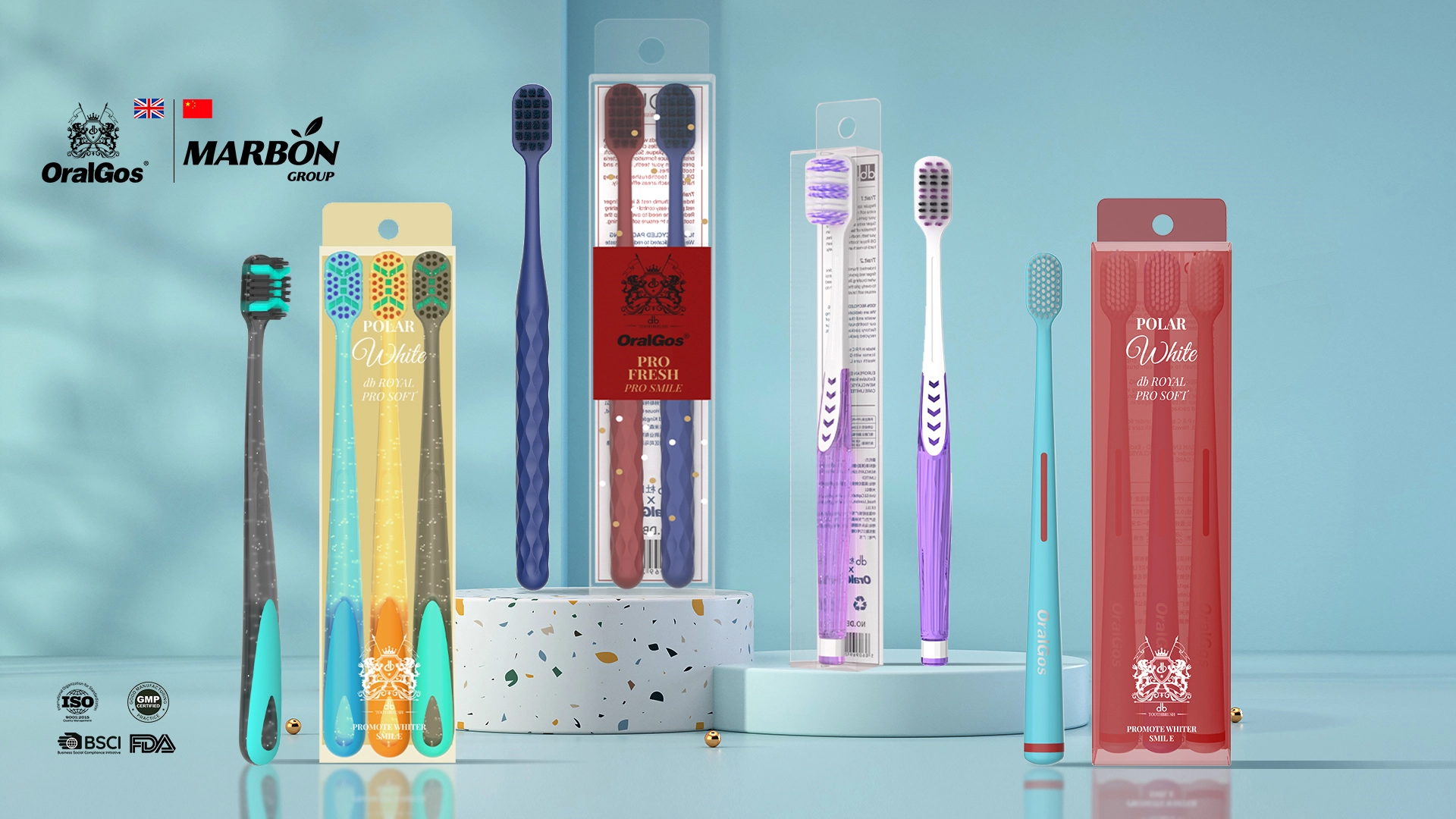
Using a high-quality manual toothbrush with soft bristles can improve plaque removal while protecting gums. OralGos Manual Toothbrush Collection offers options designed to support gentle but effective cleaning.
Manual brushing often requires extra attention around the gumline and molars. Because technique varies from person to person, some individuals may benefit from brushing slightly longer than two minutes.
Electric Toothbrushes Improve Cleaning Efficiency
Electric toothbrushes use sonic or oscillating technology to create thousands of brush movements per minute. This allows users to clean more consistently with less physical effort.
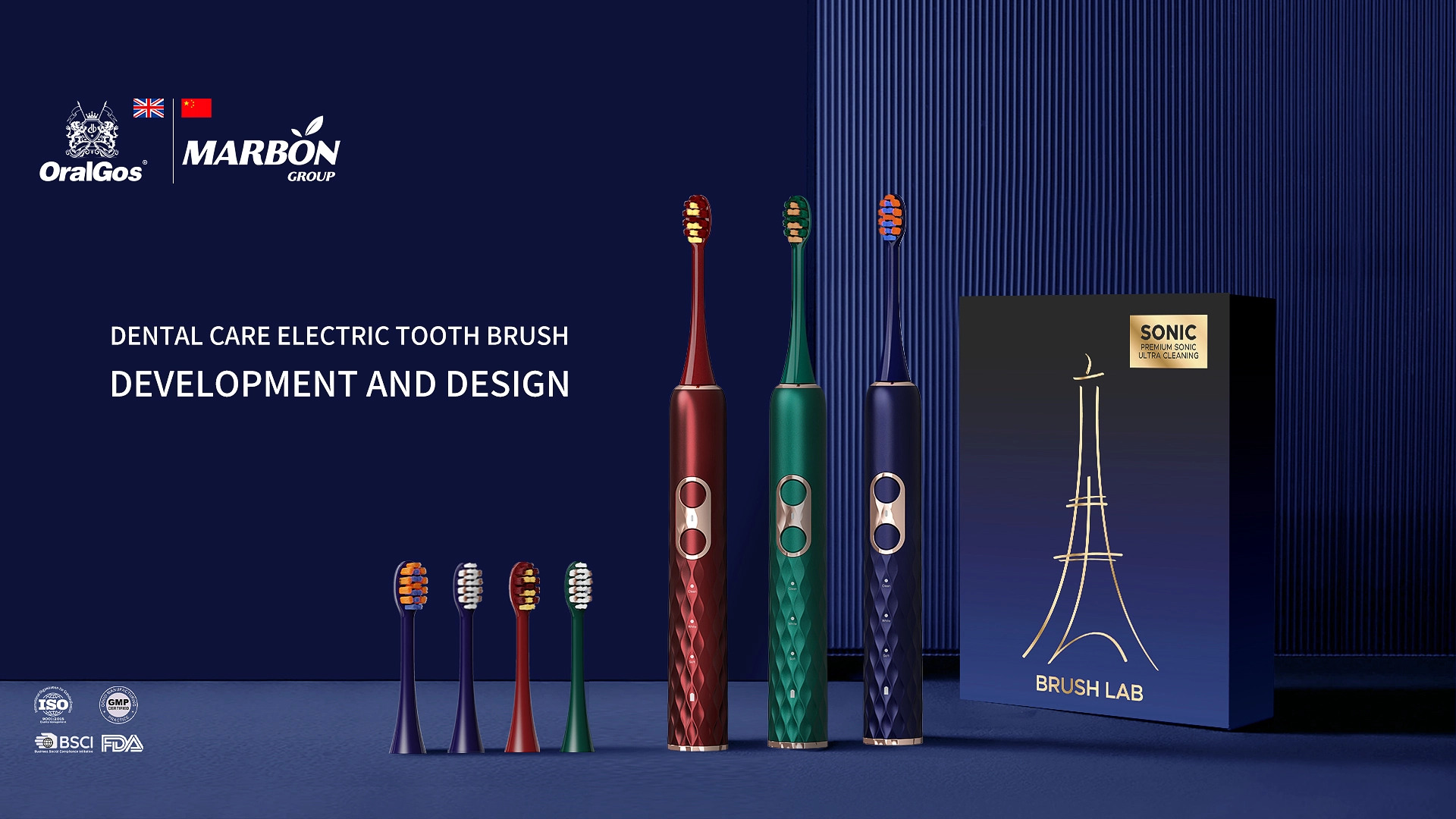
Products in the OralGos Electric Toothbrush Collection help users build better brushing habits. They use built-in timers to guide brushing more effectively.
For many users, electric toothbrushes improve cleaning quality within the standard two-minute timeframe. However, people with braces, dental restorations, or heavy plaque buildup may still need extra brushing time for complete cleaning.
How Long to Brush Teeth If You Have Braces or Gum Problems
Orthodontic patients often struggle with food debris and plaque trapped around brackets and wires. In these situations, how long to brush teeth becomes especially important.
Braces create more surfaces where bacteria can hide. A quick two-minute brushing session may not fully clean these difficult areas. Many orthodontists recommend spending additional time brushing around brackets and using interdental brushes or water flossers.
Similarly, people with gingivitis or periodontal concerns may need slower, more careful brushing to reduce inflammation without irritating sensitive gums.
Similarly, people with gingivitis or gum disease may need to brush more slowly and carefully. This helps reduce inflammation while avoiding irritation of sensitive gums.
Signs Your Brushing Time May Not Be Enough
Even if you brush for two minutes daily, certain symptoms may indicate incomplete cleaning:
- Persistent bad breath
- Bleeding gums
- Yellow buildup near the gumline
- Tooth sensitivity
- Plaque around braces or molars
These signs often suggest that brushing quality matters more than simply watching the clock.
How Long to Brush Teeth Without Damaging Enamel
Extended brushing time is not always beneficial for oral health. Brushing too hard or too frequently can damage enamel and irritate gums. The goal is balanced cleaning rather than excessive scrubbing.
Instead of increasing pressure, dentists recommend:
- Using soft-bristle toothbrushes
- Holding the brush at a 45-degree angle
- Making small circular motions
- Replacing toothbrushes every three months
The right brushing technique allows users to extend brushing time safely when needed.
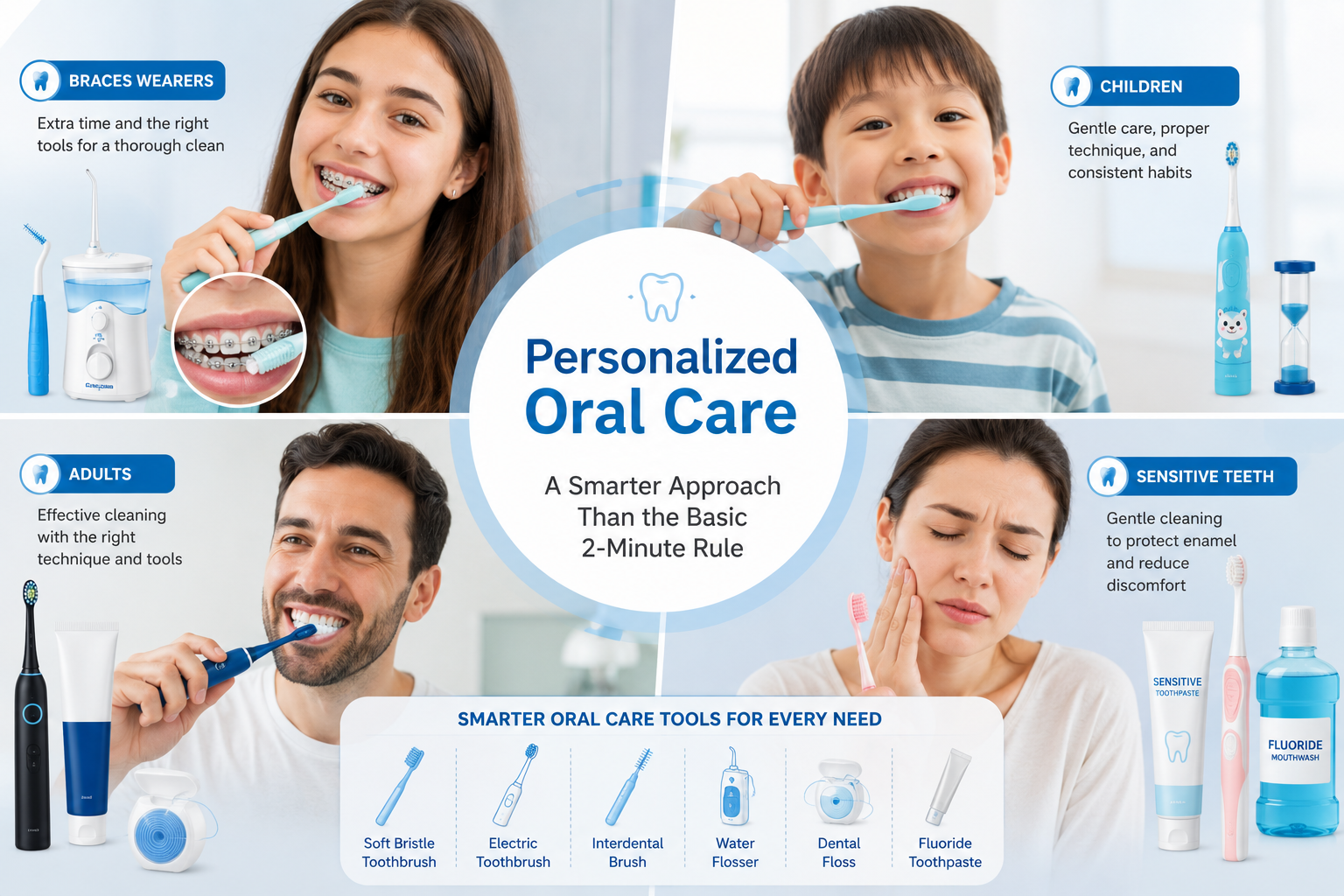
A Smarter Approach Than the Basic 2-Minute Rule
The two-minute brushing rule remains a useful guideline, but it should not be treated as a universal solution. Oral care needs vary significantly between individuals.
When considering how long to brush teeth, you should focus on whether you have cleaned all tooth surfaces effectively and gently.
For some individuals, a two-minute brushing routine is fully adequate. Others may need closer to three or four minutes depending on their dental condition, toothbrush type, and brushing habits.
The future of oral care focuses less on rigid timing and more on personalized cleaning routines. Combining proper technique, suitable tools, and consistent habits will always matter more than racing against a timer.