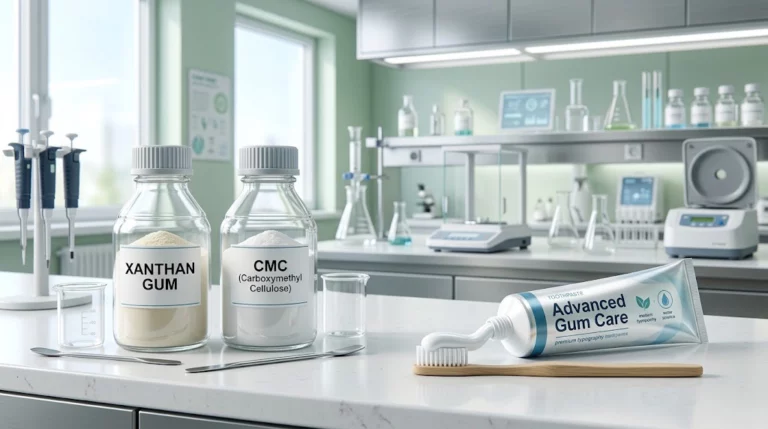
Coffee is a daily ritual for millions of people, offering comfort, focus, and a much-needed energy boost. But while it fuels your mornings, it can quietly impact your smile. One of the most common issues among coffee drinkers is coffee and teeth staining. The discoloration develops slowly and often becomes noticeable only after stains have built up over time.
Fortunately, maintaining a bright smile does not require giving up coffee in your daily routine. With the right oral care routine and a few smart adjustments, you can enjoy your daily cup while minimizing long-term staining. This guide breaks down practical, science-backed strategies to protect your teeth effectively.

Coffee and Teeth Staining: Why It Happens
Coffee and teeth staining happens because coffee contains tannins. These natural compounds stick to enamel and allow pigments to build up on the tooth surface. Over time, these pigments build up, leading to yellow or brown discoloration.
Another factor is acidity. Coffee temporarily softens enamel, making it more porous and vulnerable to staining substances. When combined with frequent sipping throughout the day, the risk of discoloration increases significantly.
However, staining is not just cosmetic. It may also indicate plaque buildup on the enamel surface. Without proper oral care, this buildup can lead to more serious dental problems over time.
Understanding coffee and teeth staining is the first step toward preventing it. Once you know how it works, you can adjust your daily habits in simple but powerful ways.
The Science Behind Tooth Discoloration from Coffee
At a microscopic level, enamel is not completely smooth—it contains tiny pores. When you drink coffee, pigments penetrate these pores and gradually settle inside the enamel structure. This is why brushing alone sometimes isn’t enough to fully reverse discoloration.
In addition, repeated exposure throughout the day makes the staining more persistent. Even adding sugar or milk can contribute indirectly, as sugar promotes bacterial growth that makes stains more noticeable.
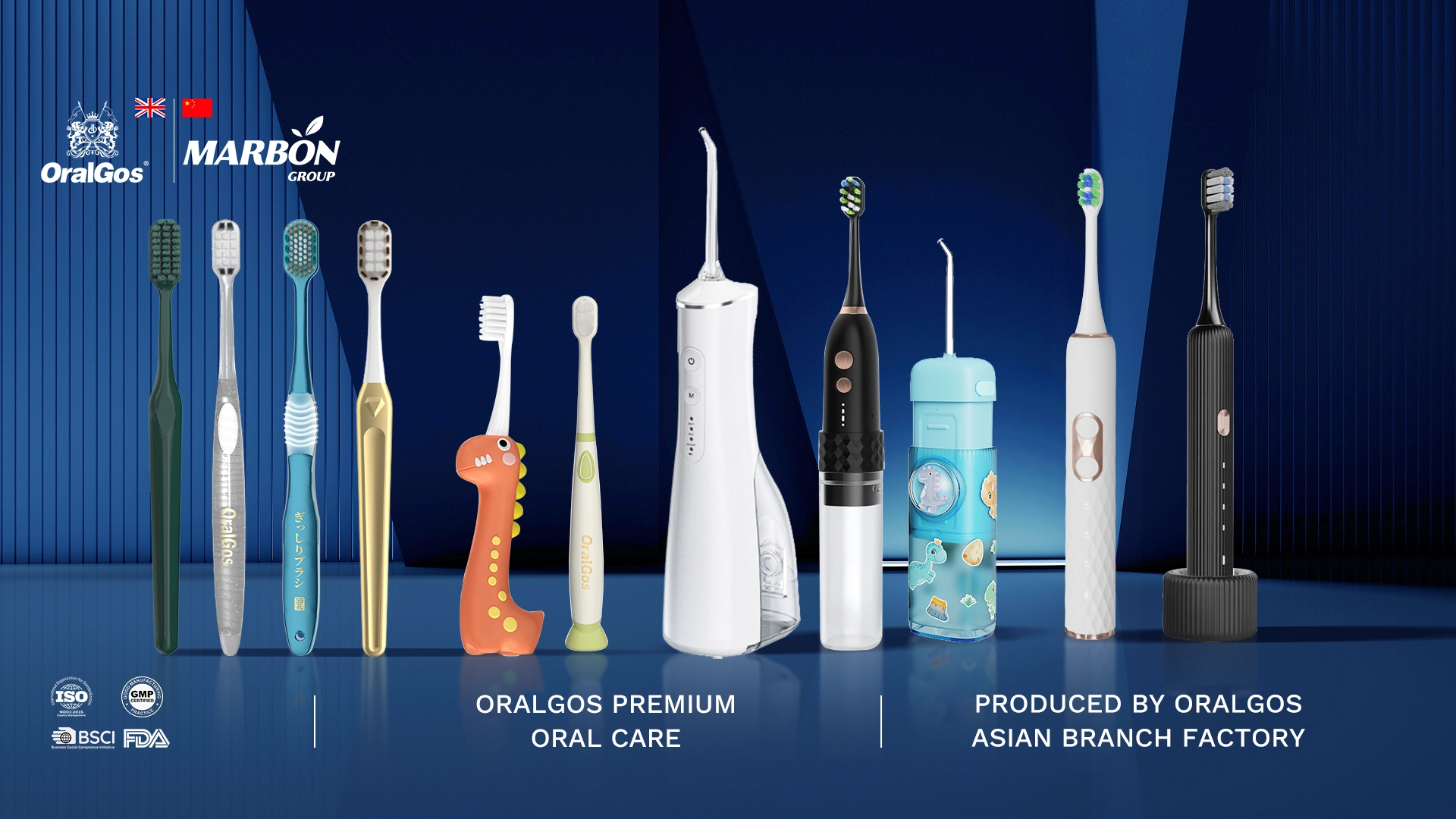
To counteract this, dentists often recommend combining mechanical cleaning (brushing and flossing) with targeted oral care products. You can start with a manual toothbrush or switch to a high-performance electric toothbrush for deeper cleaning.
Daily Oral Care Habits to Reduce Staining
One of the most effective ways to fight coffee and teeth staining is consistency in your oral hygiene routine. Brushing twice a day is essential, but timing also matters. Brushing immediately after coffee may seem logical, but it can sometimes spread acids on softened enamel. Rinse your mouth with water first, then allow 20–30 minutes before brushing to protect enamel.
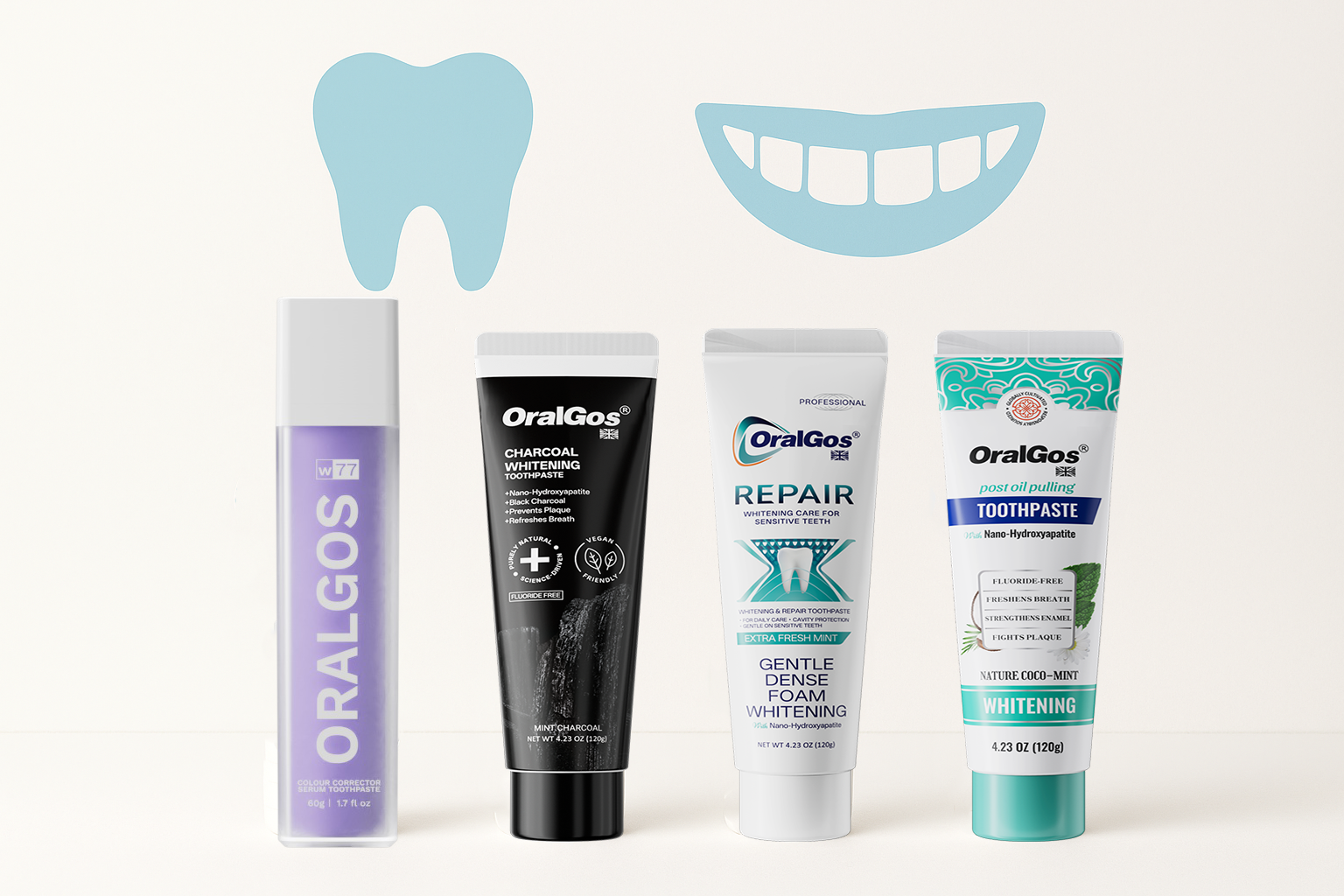
Using a fluoride toothpaste also helps strengthen enamel and reduce pigment adhesion. You can browse targeted formulations here: toothpaste options.
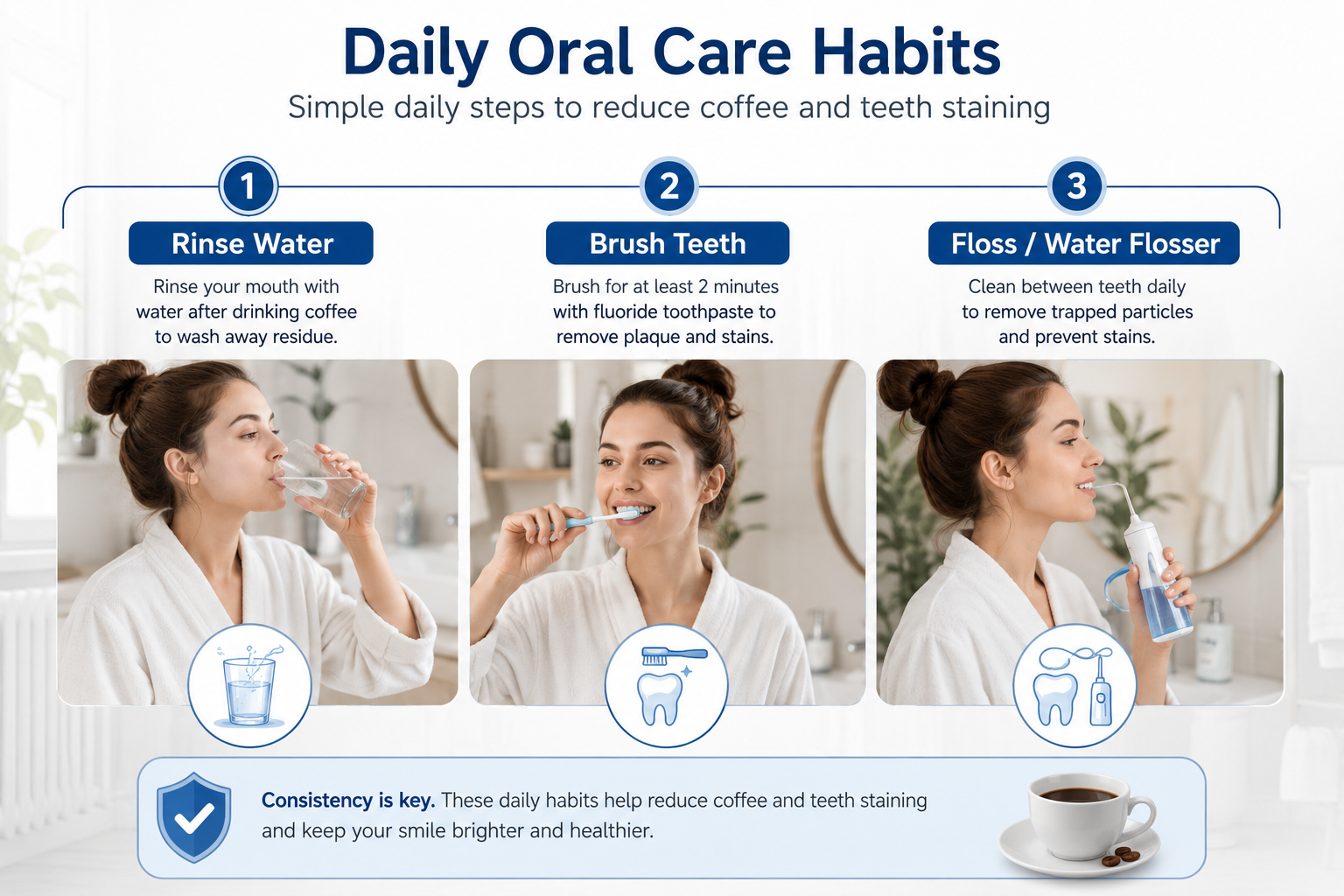
Flossing is equally important. Coffee particles and plaque often hide between teeth, where staining starts unnoticed. A water flosser can be especially effective for removing debris in hard-to-reach areas.
According to the American Dental Association, consistent cleaning habits combined with professional checkups significantly reduce surface stains and improve long-term oral health.
Lifestyle Adjustments That Help Prevent Coffee and Teeth Staining
Beyond brushing and flossing, small lifestyle changes can make a noticeable difference. One simple trick is to drink water immediately after coffee. This helps wash away pigments before they settle into enamel.
Another effective habit is to avoid sipping coffee slowly over long periods. Continuous exposure increases staining risk, while finishing your cup within a shorter timeframe reduces contact time with teeth.
Using a straw for iced coffee can also help minimize direct contact with front teeth, where stains are most visible.
Additionally, pairing your routine with whitening-friendly oral care tools enhances results. Electric toothbrushes with oscillating or sonic technology are particularly effective at reducing surface stains over time.
These adjustments may seem minor on their own. However, together they can significantly reduce coffee and teeth staining and help maintain a brighter smile.
Long-Term Strategy for Managing Coffee and Teeth Staining
Preventing coffee and teeth staining is not a single solution. Instead, it is about building a long-term system. That system includes daily hygiene, smart drinking habits, and professional dental care.
Regular dental cleanings help remove deeper stains that home care cannot fully eliminate. Dentists also monitor enamel health, ensuring that discoloration does not signal underlying issues.
If coffee is part of your daily lifestyle, consistency is more important than intensity. A balanced routine using quality oral care tools, proper timing, and hydration will always outperform occasional aggressive brushing.
Final Thoughts
Coffee does not have to affect the appearance of your smile. With a better understanding of coffee and teeth staining, you can better protect your smile. A structured oral care routine allows you to enjoy your daily cup without worrying about discoloration.
The key is simple: clean consistently, act early, and support your enamel with the right tools and habits. Over time, these small efforts build a noticeable difference in both appearance and oral health.