Tooth enamel faces daily challenges from acidic foods, sugar, bacteria, and aggressive brushing habits. Once enamel begins to weaken, sensitivity and discoloration can appear quickly. That is why many oral-care brands now focus on ingredients designed to strengthen and repair enamel. Among the most discussed options today are hydroxyapatite and fluoride. More consumers are comparing Hydroxyapatite vs Fluoride as they search for better ways to maintain strong and healthy teeth. Both ingredients offer enamel-supporting benefits, but they work differently and suit different oral-care needs.
What Is Hydroxyapatite?
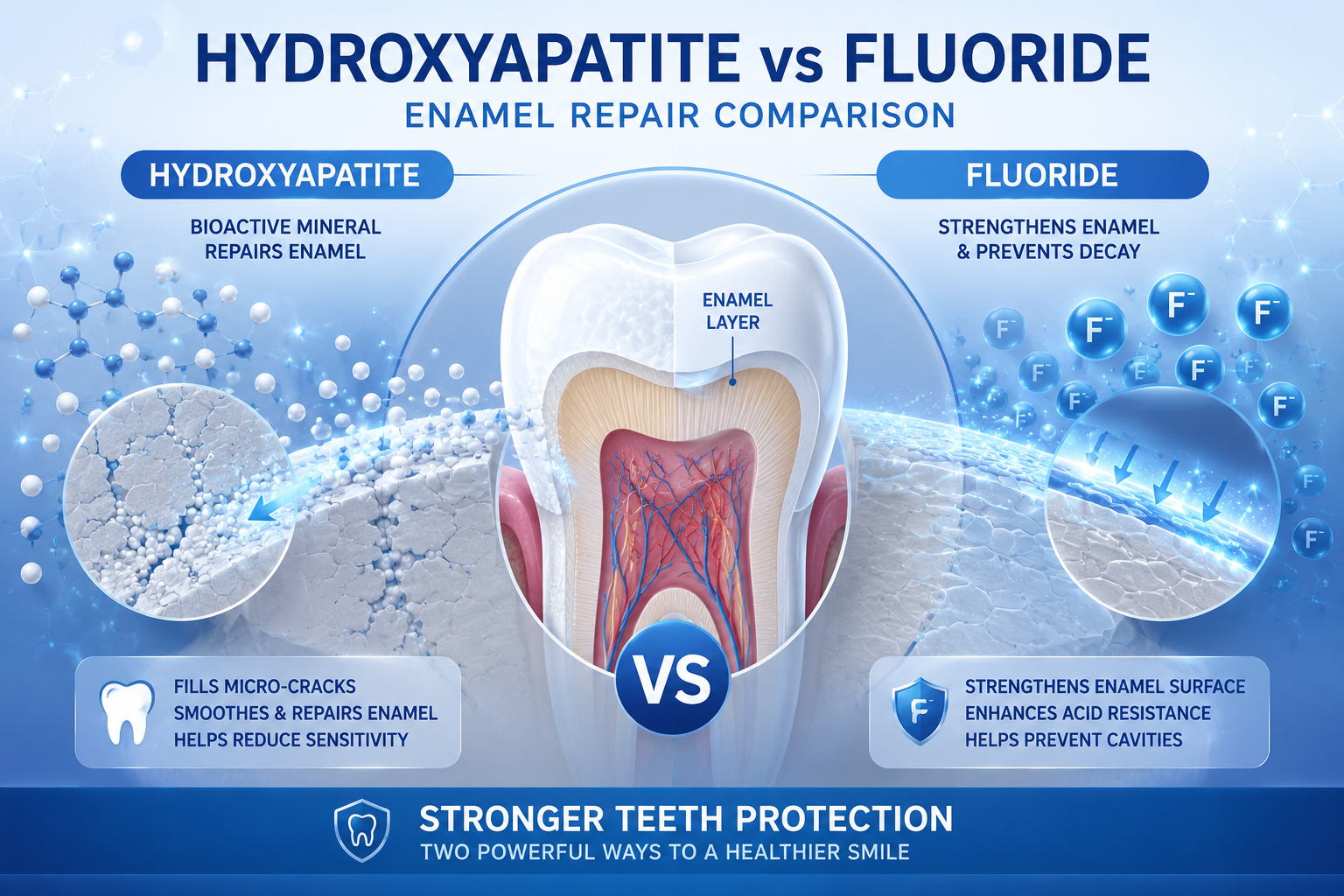
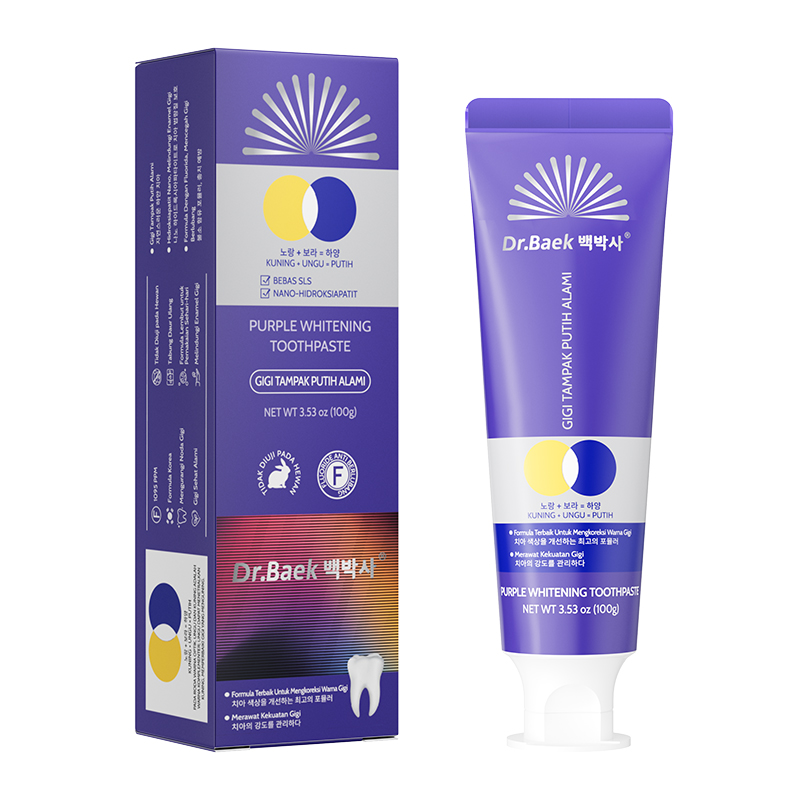
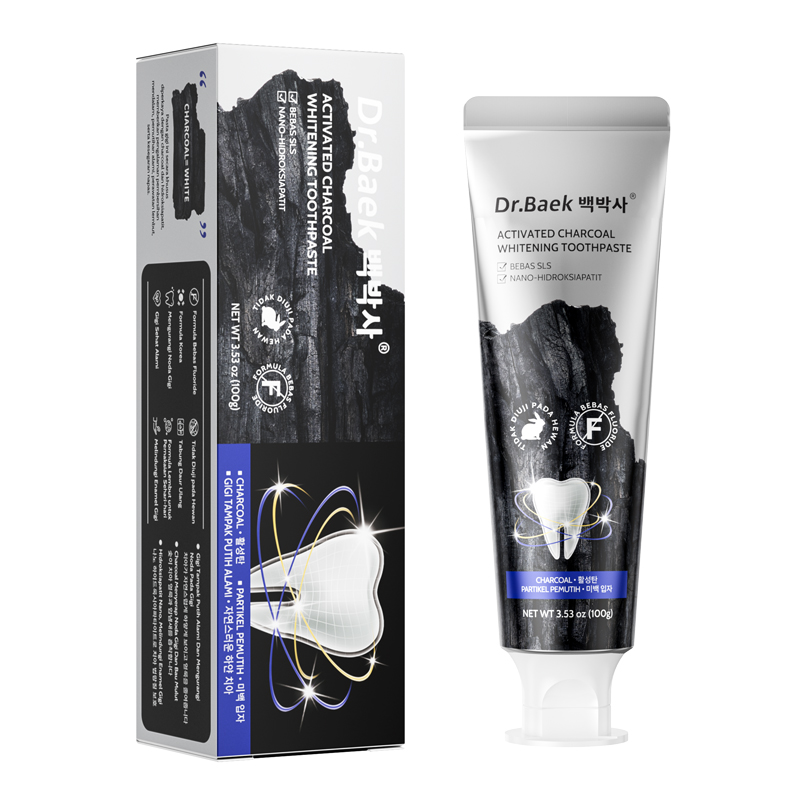
Hydroxyapatite is a naturally occurring mineral that makes up most of human tooth enamel and bones. In oral-care products, manufacturers typically use nano-hydroxyapatite or micro-hydroxyapatite to help restore weakened enamel surfaces.
Hydroxyapatite has a mineral structure similar to natural teeth. It can help fill tiny cracks and smooth rough enamel surfaces. This process may help reduce tooth sensitivity while improving the appearance of teeth.
Many consumers also prefer hydroxyapatite because it is fluoride-free. This makes it increasingly popular among parents, individuals with sensitive mouths, and consumers seeking alternative oral-care ingredients.
For professionally formulated enamel-support products, explore the toothpaste collection available at OralGos Toothpaste Collection.

What Is Fluoride?
Fluoride has remained one of the most widely recommended dental ingredients for decades. It helps strengthen enamel by supporting remineralization. It also improves resistance to acid attacks from plaque bacteria and sugary foods.
Dental professionals worldwide continue to support fluoride-based toothpaste because of its strong cavity-prevention record. Organizations such as the American Dental Association recognize fluoride as an effective ingredient for reducing tooth decay.
Fluoride works by attracting minerals such as calcium and phosphate back to weakened enamel surfaces. This process creates a more acid-resistant layer that helps protect teeth from future damage.
Hydroxyapatite vs Fluoride for Enamel Repair
When comparing Hydroxyapatite vs Fluoride, the main difference lies in how each ingredient repairs enamel.
Hydroxyapatite acts as a direct enamel replacement material. Since it closely resembles natural tooth minerals, it can physically bond to enamel surfaces and fill tiny defects. This makes it especially appealing for people with sensitive teeth or early enamel erosion.
Fluoride, however, does not replace enamel directly. Instead, it enhances the remineralization process by strengthening existing enamel and helping teeth resist future acid exposure.
Both ingredients support enamel health, but they approach repair from different angles:
- Hydroxyapatite focuses on rebuilding and smoothing enamel surfaces
- Fluoride emphasizes strengthening and preventing further mineral loss
- Hydroxyapatite may improve sensitivity more quickly in some users
- Fluoride has stronger long-term clinical evidence for cavity prevention
As oral-care technology evolves, many modern toothpaste formulations now combine both ingredients to maximize enamel protection.
Is Hydroxyapatite Safer Than Fluoride?
Safety is another important factor in the Hydroxyapatite vs Fluoride discussion.
Hydroxyapatite naturally exists in the human body, so the body easily accepts it as biocompatible. Many consumers appreciate that it avoids the risk of dental fluorosis. This risk can occur when young children consume too much fluoride.
Fluoride remains safe and effective when used correctly. However, swallowing large amounts over time may create concerns, especially for children who may swallow toothpaste by mistake.
For this reason, some parents choose hydroxyapatite-based products for younger family members. Others continue to use fluoride toothpaste under professional dental guidance.
The ideal choice often depends on age, oral-health condition, and personal preference.
Which Ingredient Works Better for Sensitive Teeth?
Thin enamel or exposed dentin often leads to tooth sensitivity. Both hydroxyapatite and fluoride can help reduce discomfort, but hydroxyapatite often gains attention for its immediate soothing effect.
Hydroxyapatite particles can seal exposed dentin tubules and create a smoother enamel surface. This helps block triggers such as cold drinks, hot foods, and acidic beverages.
Fluoride can also reduce sensitivity over time by strengthening weakened enamel. However, the process may take longer for some individuals.
People with sensitivity caused by enamel erosion may benefit from hydroxyapatite products. These work best when combined with gentle brushing and low-abrasion toothpaste.
Choosing the Right Toothpaste for Enamel Protection
Selecting between hydroxyapatite and fluoride toothpaste depends largely on individual oral-care goals.
Hydroxyapatite toothpaste may be suitable for:
- Sensitive teeth
- Mild enamel erosion
- Consumers seeking fluoride alternatives
- Daily enamel polishing and smoothing
Fluoride toothpaste may be more suitable for:
- High cavity risk
- Strong long-term decay prevention
- Orthodontic patients
- Individuals with frequent sugar exposure
Some oral-care manufacturers now develop hybrid formulas containing both ingredients. These products aim to combine enamel repair with cavity protection for more comprehensive oral care.
Final Thoughts on Hydroxyapatite vs Fluoride
The comparison between Hydroxyapatite vs Fluoride is not about identifying a single universal winner. Both ingredients offer valuable enamel-supporting benefits and continue to play important roles in modern oral care.
Hydroxyapatite stands out for its natural-like enamel-repair properties and its ability to relieve sensitivity. Fluoride remains highly respected for its proven cavity-fighting performance and remineralization support.
For many consumers, the best choice depends on personal dental needs, lifestyle, and professional recommendations. The most important steps for healthier enamel and stronger teeth are choosing a good toothpaste and brushing regularly.