The optimal timing for morning oral care remains a critical debate. Should cleaning occur immediately upon waking, or following breakfast consumption? The debate over brushing before or after breakfast has divided households for generations.
This timing is more than a personal preference. Dental professionals analyze it through microbiology and enamel protection. To maintain an immaculate oral health routine, understanding the science behind timing is crucial. Let’s dive into the arguments for both sides to settle this ultimate dental debate once and for all.
The Case for Brushing Before Breakfast: Protecting the Enamel
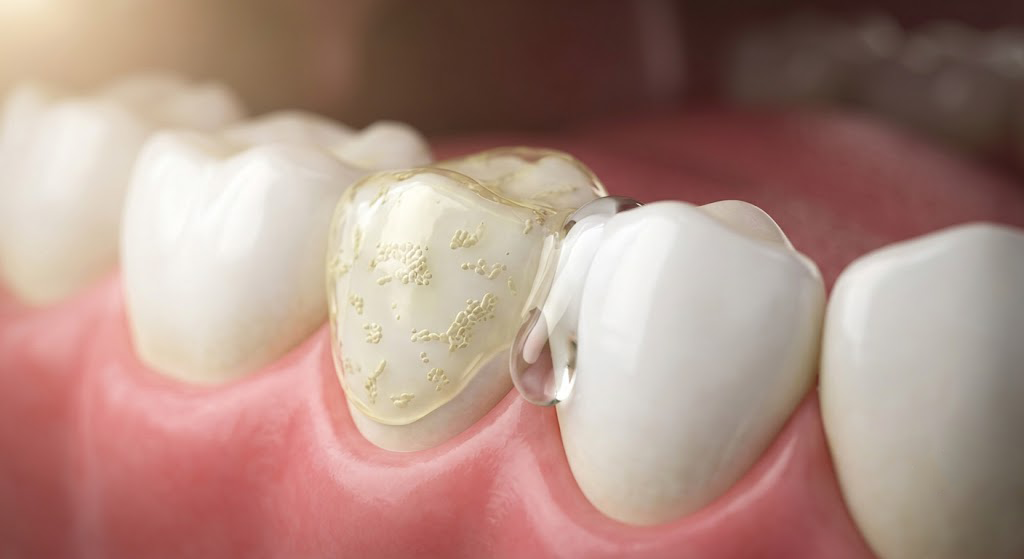
Many dental authorities, including the American Dental Association (ADA), lean toward cleaning your teeth prior to your first meal. The primary reason comes down to bacteria and saliva production.
When you sleep, your mouth’s saliva production drops significantly. Saliva naturally neutralizes acids and clears food debris. Therefore, an overnight dry mouth allows harmful bacteria to multiply rapidly. This is what causes “morning breath” and leads to a thick buildup of plaque biofilm.
When you prioritize brushing before or after breakfast by cleaning your teeth first, you achieve two critical benefits:
- Removing Bacteria: You remove the overnight bacterial buildup before you feed them sugars and carbohydrates from breakfast.
- Boosting Fluoride Defense: Standard fluoride toothpaste coats your teeth with a protective barrier. This layer makes your enamel more resistant to upcoming acidic foods.
The Risks of Brushing After Breakfast
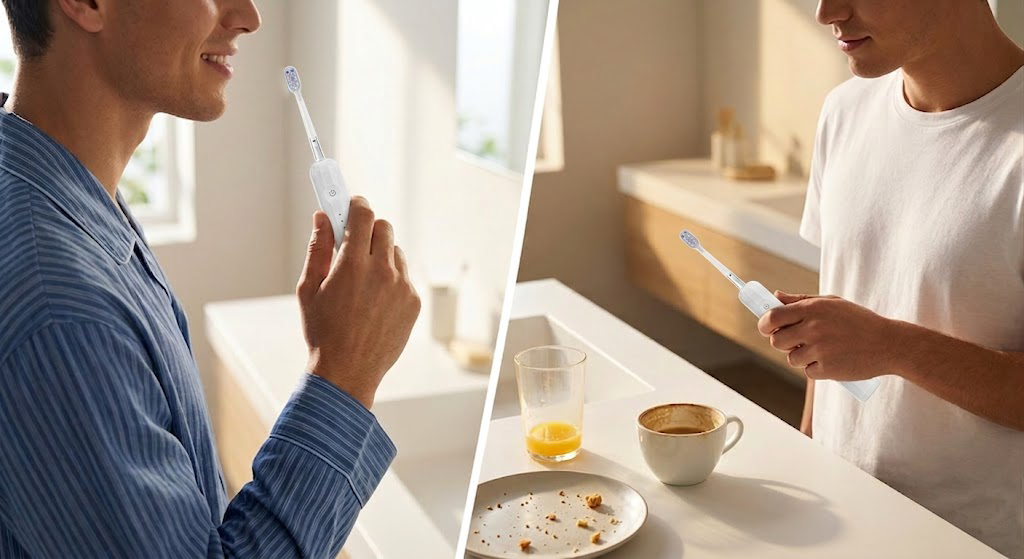
Many individuals report a strong aversion to consuming a meal immediately after utilizing mint-flavored products. Many prefer eating first to remove food debris afterward. This routine clears coffee residue and breakfast crumbs in one step.
However, brushing immediately after eating can actually harm your teeth. Acidic breakfast items include orange juice, coffee, and fruit. These foods temporarily soften your tooth enamel.
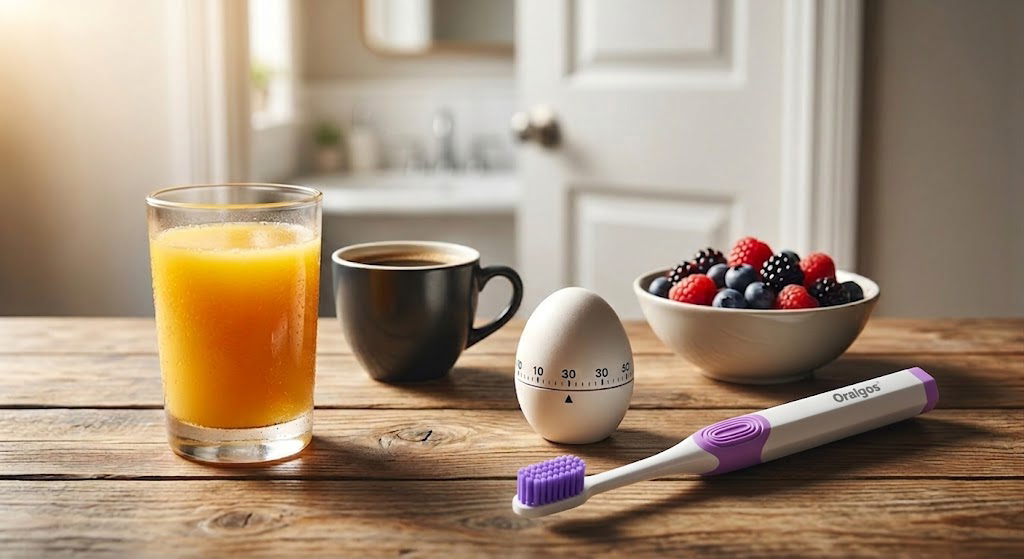
Brushing right away pushes these acids deeper into your enamel. This mistake causes micro-abrasions and premature tooth wear. Instead of scraping away plaque forcefully, you end up stripping away precious minerals.
Brushing Before or After Breakfast: The Ultimate Verdict
If your priority is long-term enamel preservation and minimizing bacterial acid production, brushing before breakfast is technically the safer, dentist-recommended option.
However, if you simply cannot give up your post-meal clean, there is a right way to do it. Dental authorities recommend a minimum 30-minute delay following meal consumption. This buffer period allows saliva to naturally neutralize acids. Once the enamel remineralizes, brushing becomes completely safe.
How to Optimize Your Morning Oral Care Routine
No matter which side of the brushing before or after breakfast debate you choose, the quality of your dental tools dictates your results.
- If you brush before breakfast: Focus on waking up your mouth and removing overnight biofilm. Upgrading to an ergonomic electric toothbrush can maximize plaque removal efficiency within that standard two-minute window. Follow up with a refreshing rinse, eat your meal, and simply rinse with water afterward to clear debris.
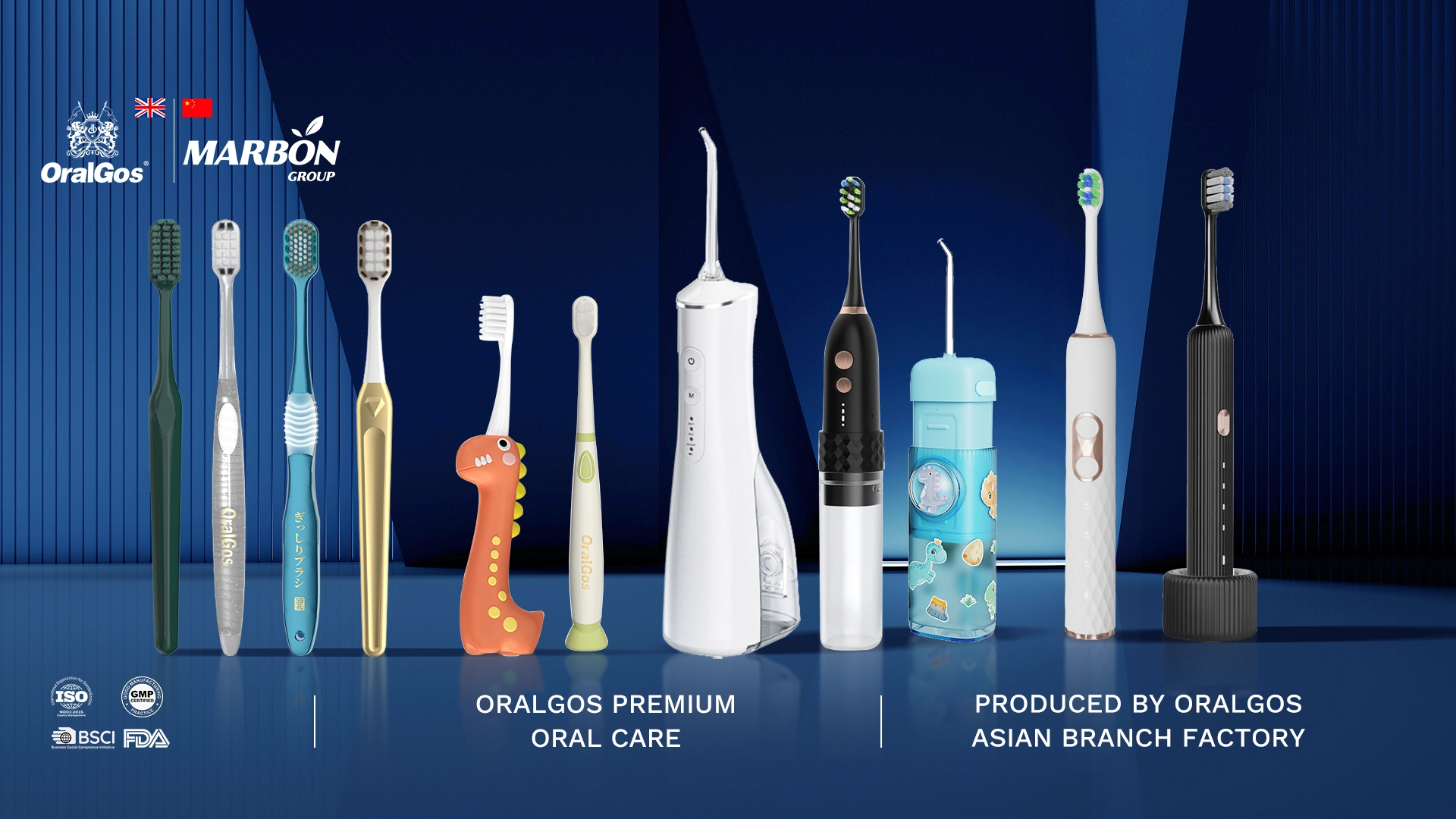
- If you brush after breakfast: Use the 30-minute waiting window wisely. In the meantime, utilize a high-performance water flosser. This tool gently dislodges stubborn food particles without abrasive scrubbing. Once the time has passed, use a soft-bristled manual toothbrush to clean the tooth surfaces safely.
Summary Checklist for a Brighter Smile
To ensure your morning habit protects your smile rather than damaging it, keep these three rules in mind:
- Brush first if your breakfast regularly includes citrus, coffee, or carbohydrates.
- Maintain a 30-minute post-meal interval if you strictly prefer brushing after eating.
- Rinse thoroughly with water after eating if you brushed beforehand to keep your breath fresh without harming your enamel.
Ultimately, consistency and proper technique matter just as much as timing. By matching the right tools with proven habits, you can keep your enamel strong, your breath fresh, and your smile healthy for life.