Few oral discomforts interrupt your day as abruptly as a small, throbbing ulcer on the inside of your cheek, tongue, or gums. A canker sore—clinically known as an aphthous ulcer—can turn simple daily tasks into a painful chore. Eating, drinking, and speaking suddenly become uncomfortable. While these shallow white or yellow lesions are non-contagious, finding fast relief is almost always a top priority.
Knowing the causes and treatment for these ulcers helps them heal faster and prevents future flare-ups. Below is a complete guide to causes, rapid home remedies, and daily prevention steps.
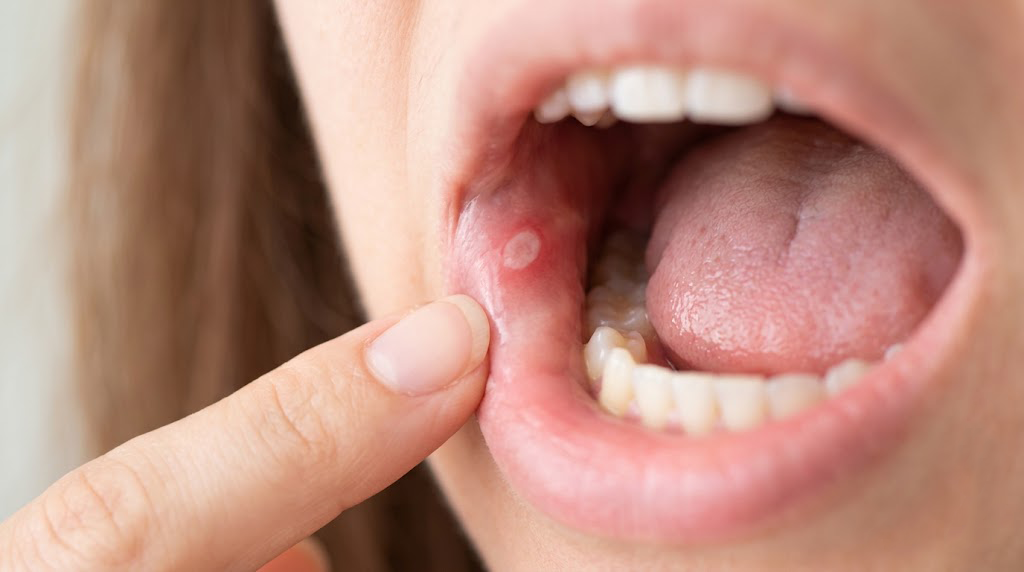
What Triggers a Canker Sore?
Cold sores stem from a virus and usually form outside the lips. In contrast, a canker sore develops exclusively inside the mouth. While research into their exact origins continues, several well-documented factors frequently provoke an outbreak:
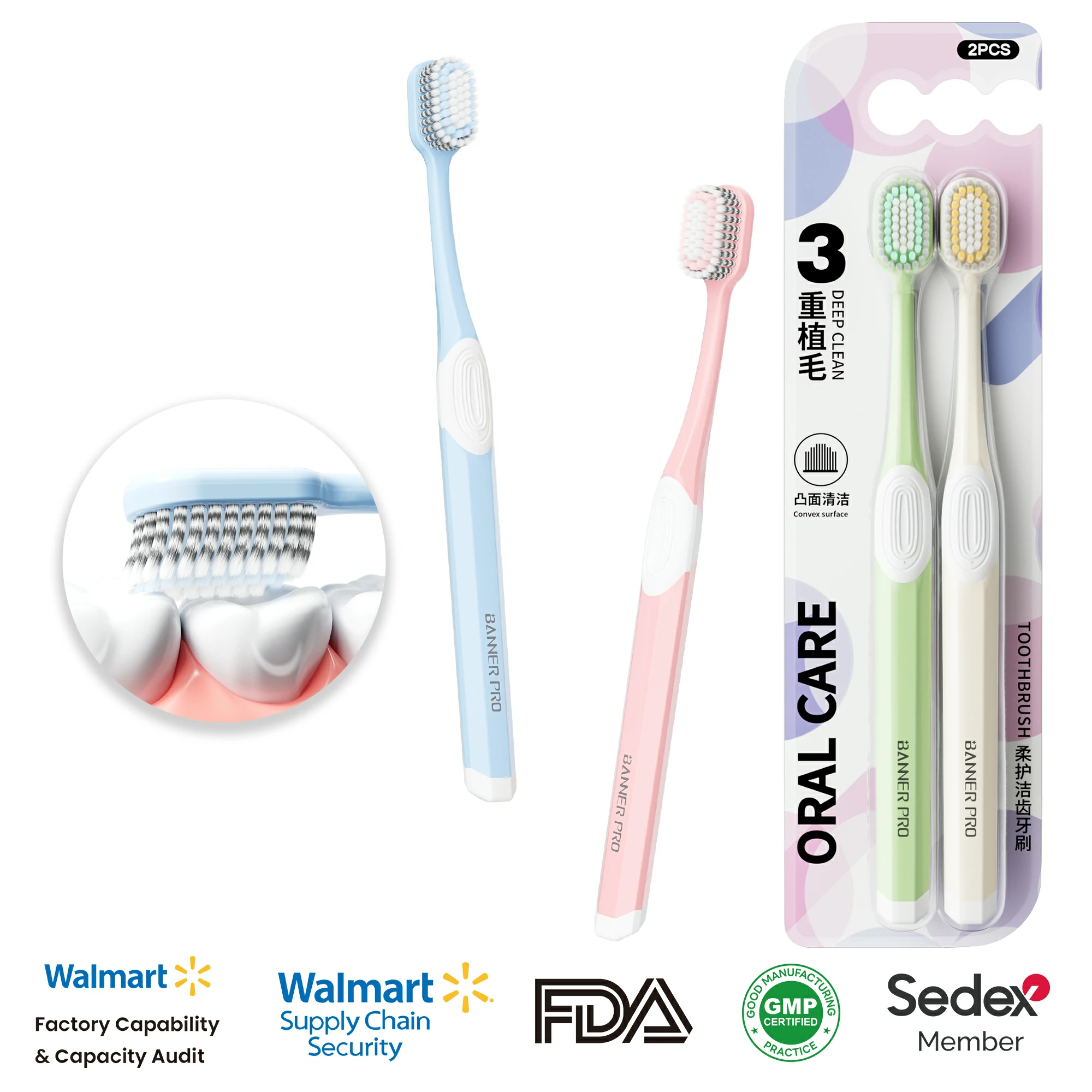
- Physical Micro-Trauma: Accidental cheek bites, tight braces, or hard toothbrushes easily damage delicate oral tissues. Using an ultra-soft PBT toothbrush helps you clean thoroughly without causing tiny tears in your sensitive gums.
- Dietary Irritants: Highly acidic or salty foods can irritate your mouth. Citrus fruits, tomatoes, and pineapples often inflame existing tissue and spark new outbreaks.
- Nutritional Gaps: Deficiencies in key vitamins and minerals—particularly vitamin B-12, zinc, iron, and folate—frequently correlate with recurrent mouth ulcers.
- Stress and Hormones: High stress and hormonal changes can weaken your immune system. This makes your mouth far more sensitive to irritation.
Children are also prone to oral tissue damage, particularly when learning proper technique. An ergonomic, BPA-free kids toothbrush prevents slips that can nick young, delicate gums.

Effective Remedies to Heal a Canker Sore Fast
Most mild ulcers heal naturally within two weeks. However, simple home remedies can stop the pain faster and speed up healing.
1. Saltwater and Baking Soda Rinses
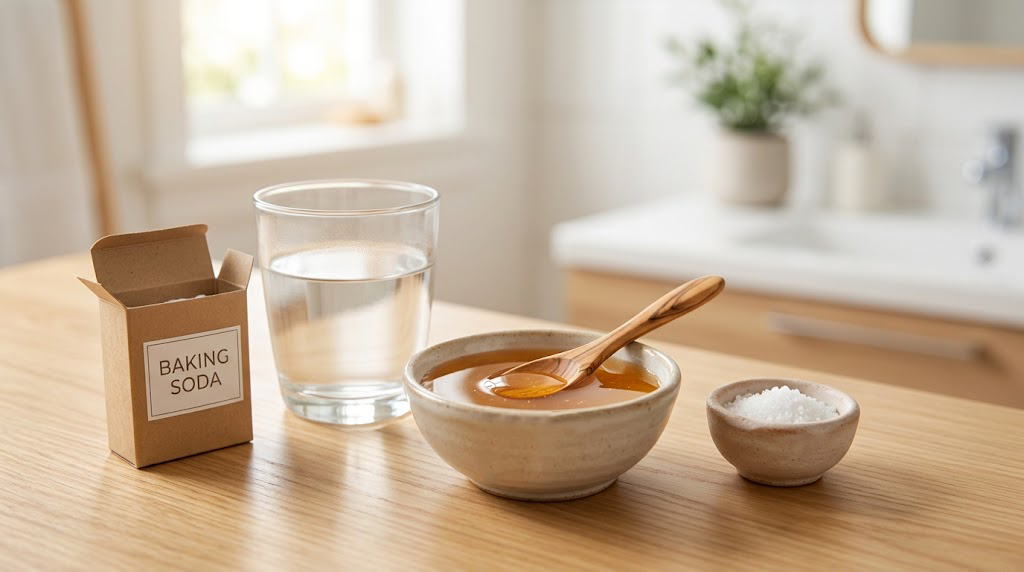
Rinse your mouth with warm saltwater (half a teaspoon of salt in warm water). This simple step sanitizes your mouth and reduces swelling. You can also use a baking soda rinse to lower acid levels in your mouth. This helps your tissues heal much faster.
2. Topical Protective Gels and Natural Honey
Over-the-counter benzocaine gels create a temporary barrier over the sore, relieving discomfort so you can eat comfortably. Raw honey also offers mild antibacterial properties that soothe raw, sensitive tissue.
3. Direct Cold Therapy
Holding a small ice cube over the sore numbs painful nerve endings directly and reduces surrounding inflammation.
The American Dental Association recommends keeping your mouth clean during an outbreak. A gentle oral routine prevents infections and speeds up healing. Avoid touching or irritating the affected area with unwashed fingers, sharp objects, or food utensils.
How to Prevent a Canker Sore Outbreak
Preventing recurring sores relies on protecting your mouth’s delicate mucosal barrier from mechanical injury and chemical irritation:
- Switch to SLS-Free Toothpaste: Sodium lauryl sulfate (SLS) is a harsh foaming agent found in many toothpastes. It can dry out your mouth and irritate sensitive tissues.
- Adopt Gentle Brushing Movements: Use soft, circular strokes rather than harsh horizontal scrubbing.
- Identify Food Triggers: Keep a simple food diary to track your flare-ups. This helps you identify which acidic or spicy foods trigger your sores.
When to See a Dentist for a Canker Sore
Most mouth ulcers clear up without professional medical intervention. However, you should consult a dental or healthcare provider if you notice any of these warning signs:
- Abnormally large ulcers (major aphthous stomatitis).
- Sores that persist longer than 14 days without improvement.
- Extreme pain that interferes with staying hydrated.
- A high fever with swollen lymph nodes.
You can easily prevent painful mouth sores and maintain a healthy smile. Simply switch to a gentle oral routine, eat a balanced diet, and act quickly at the first sign of irritation.