For decades, the humble manual toothbrush was the undisputed king of oral hygiene. Technology is changing our daily routines, and the bathroom counter is now a center for innovation. Today, the debate is no longer just about brushing technique, but about market momentum. When looking at the electric toothbrush market versus manual alternatives, a clear leader in growth has emerged.
Manual brushes are still popular because they are easy to find. However, the global shift toward “smart” personal care is changing the market. In this article, we look at why electric toothbrushes are selling so fast. We also explore what this means for your future dental health.
The Rapid Surge of the Electric Toothbrush Market
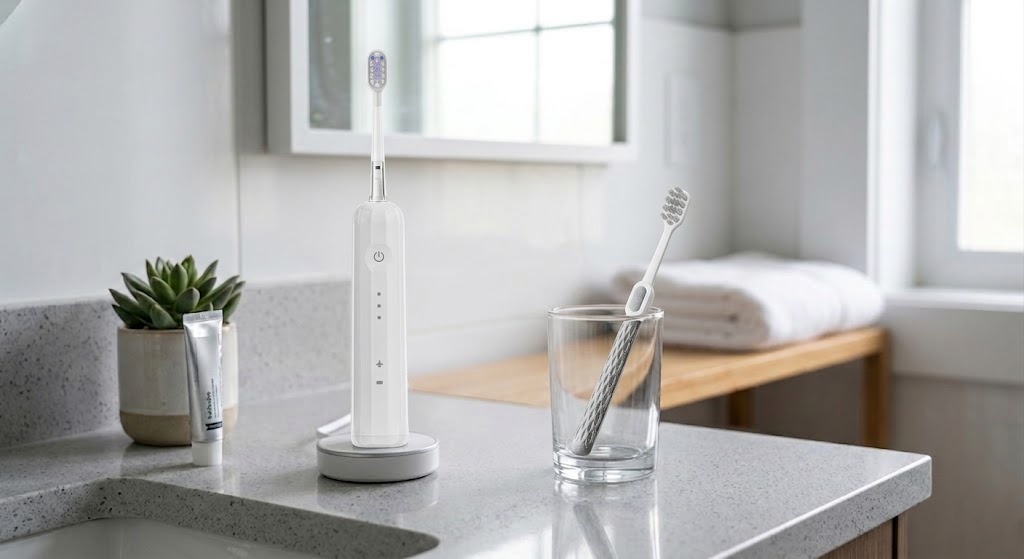
Today, the electric toothbrush market is growing much faster than the manual toothbrush sector. The manual market is mature. It grows mostly as the population increases. In contrast, the electric toothbrush market is booming because people have more money to spend and want better health tech.
Several factors contribute to this rapid expansion:
- Technological Integration: From pressure sensors to Bluetooth connectivity that tracks brushing habits via smartphone apps.
- Aging Population: Older demographics are increasingly turning to electric models to maintain oral health with less manual dexterity required.
- Sustainability Shifts: The rise of eco-friendly electric models with replaceable heads is appealing to the environmentally conscious consumer.
Key Drivers: Why Consumers Prefer Electric Over Manual
When comparing the two, the primary driver for the electric toothbrush market’s dominance is efficacy. According to the American Dental Association (ADA), both manual and electric toothbrushes can be effective at removing plaque. Studies show that electric models often clean better than manual brushes. Specifically, sonic and oscillating-rotating tech remove more plaque and reduce gum disease over time.
Convenience and Consistency
Manual brushing requires a specific technique (like the Bass method) that many users fail to execute correctly. In contrast, an electric brush does the heavy lifting. Dentists recommend brushing for two minutes. Electric brushes include timers to help you reach this goal, while manual users often fail to brush long enough.
Available and Variety
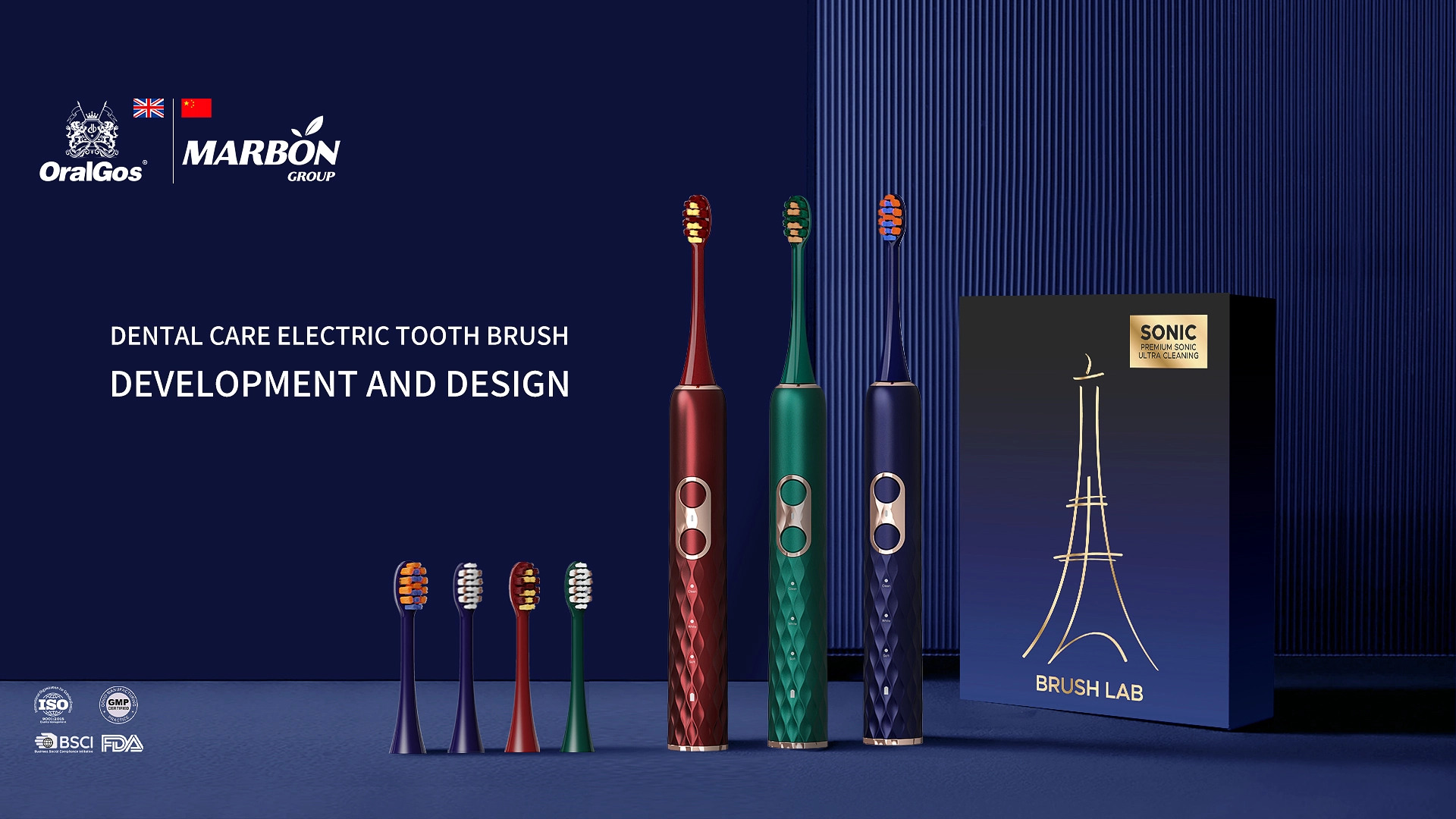
As the market grows, the price barrier is falling. Consumers can now find high-quality options ranging from entry-level battery-operated models to premium AI-driven devices. You can easily upgrade your routine with our electric toothbrush collection. These brushes help with sensitive gums and make teeth whiter.

Analyzing the Manual Toothbrush Market in 2026
Despite the tech boom, manual toothbrushes aren’t disappearing. They still hold a massive share of the total volume of sales globally, particularly in developing regions. Their growth is “steady” rather than “fast.”
Manual brushes win on:
- Easy to carry: No chargers or batteries needed for travel.
- Low cost: Low upfront cost makes them accessible to people at every income level.
- Simplicity: Manual brushes are straightforward to use, as they require no learning curve or complex app configuration.
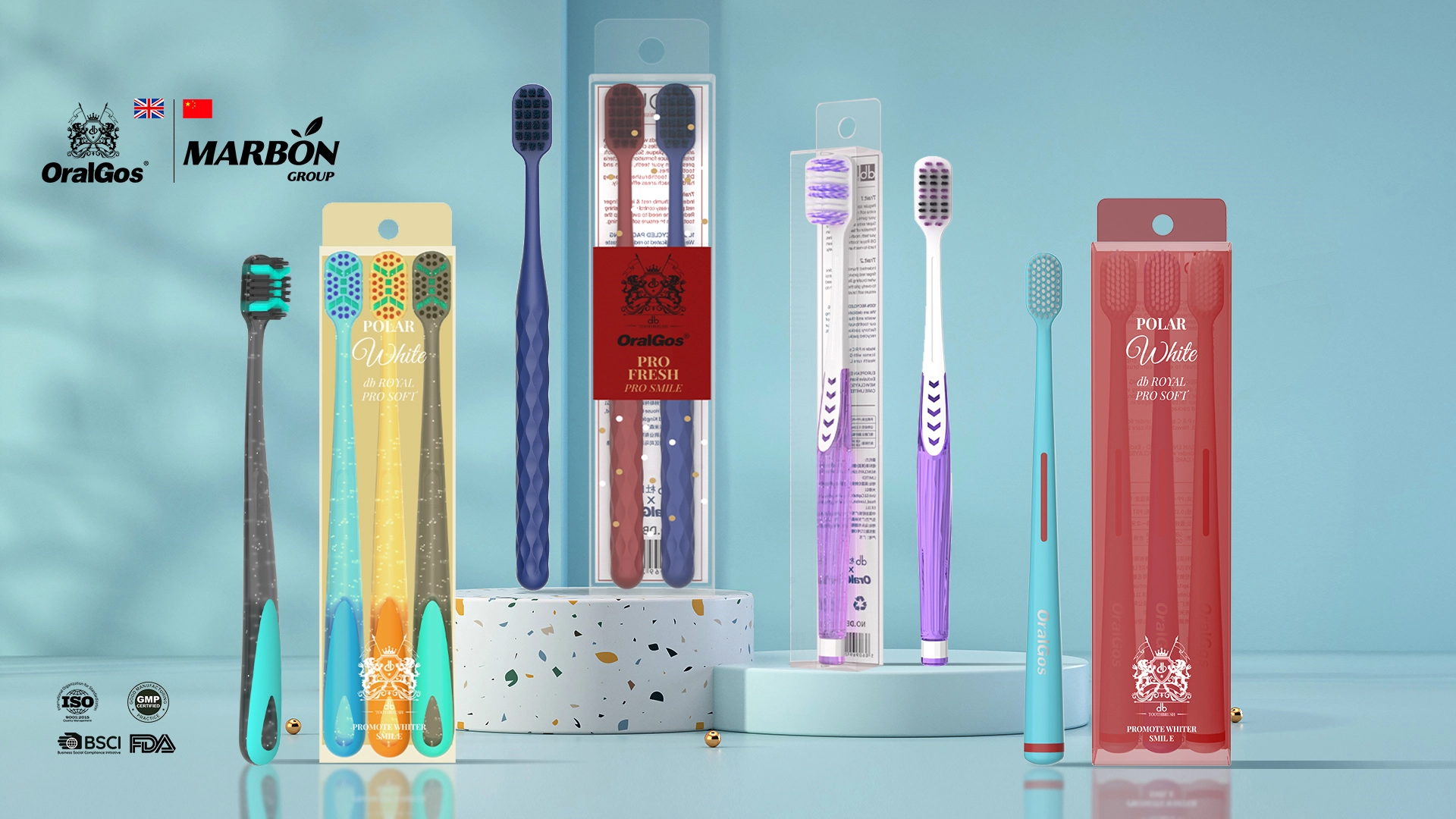
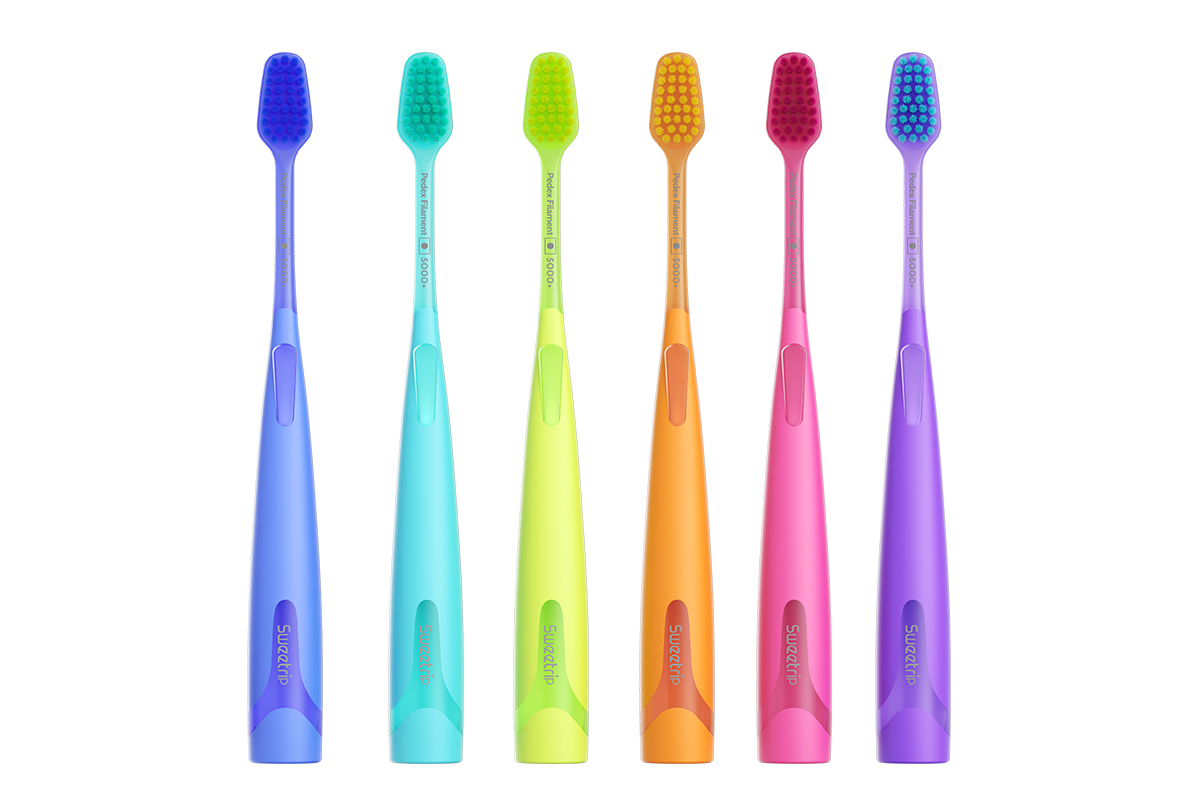
However, the manual segment is pivoting toward “premiumization”—using bamboo materials or charcoal-infused bristles to maintain relevance. Many people still prefer the traditional feel of a manual toothbrush. Because of this, brands continue to offer advanced designs with better handles and multi-level bristles.
Regional Trends in the Electric Toothbrush Market
North America and Europe lead the world in electric brush sales. However, the Asia-Pacific region is now seeing the fastest growth. More consumers in China and India now value oral health. As a result, the electric toothbrush market is booming as users choose these tools for both style and better hygiene.
Manufacturers are also tapping into the “subscription model” trend. Many companies now deliver replacement heads directly to the door. This ensures long-term revenue within the electric toothbrush market. Manual brush brands struggle to build the same level of loyalty with their products.
Conclusion: The Verdict on Growth
Manual brushes will always be useful for travel or guest bathrooms. However, the electric toothbrush market is clearly growing much faster. The combination of better performance, smart features, and lower costs has made the switch inevitable for millions of households.
The shift from manual to electric reflects a major trend in 2026. More consumer electronics now focus on professional health technology. We no longer just want a clean mouth; we want data, efficiency, and professional-grade results at home.
You may choose high-tech tools or stick to the classic manual method. Either way, you must brush regularly and use the right technique.
Ready to upgrade your oral health? Explore the latest innovations in our collection and find the perfect tool for your smile today.