Maintaining optimal oral hygiene requires a clear understanding of the biological challenges your teeth face daily. Two of the most frequently mentioned yet misunderstood terms in dental health are plaque and tartar. While both contribute to tooth decay, they represent two completely different stages of poor oral health.
To protect your smile, you must understand the difference between plaque and tartar. Knowing how plaque turns into tartar helps you stop dental issues before they start.
Understanding the Biofilm: What is Dental Plaque?
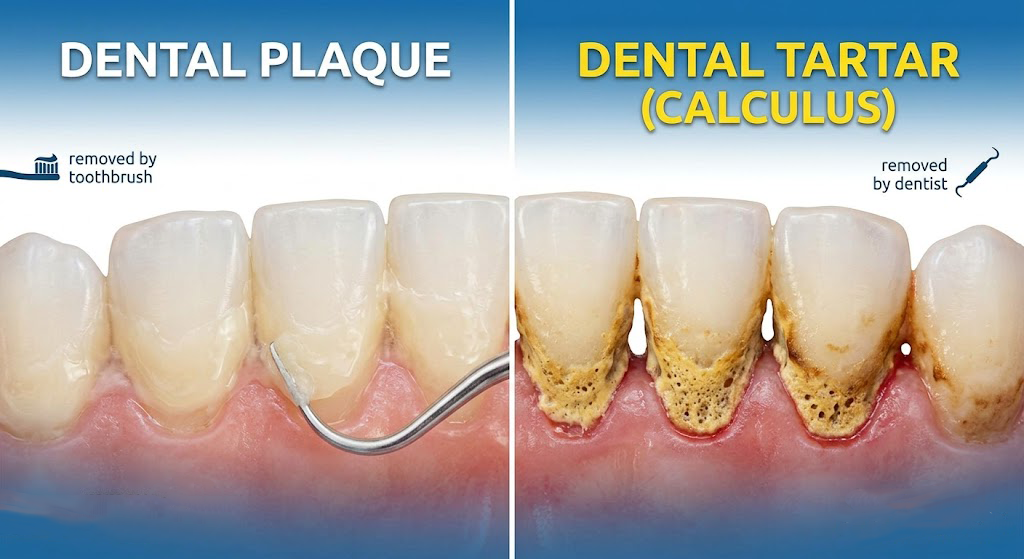
Dental plaque is a sticky, pale biofilm that constantly builds up on your teeth. It typically accumulates along the gumline and in the spaces between your teeth. Bacteria, salivary proteins, and tiny food particles primarily make up this biofilm.
When you consume carbohydrates or sugars, the bacteria within the plaque metabolize these nutrients, producing acids as a byproduct. These acids actively demineralize tooth enamel, leading to dental caries (cavities) and irritating the surrounding gingival tissue.
Since plaque is soft, you can easily remove it with mechanical friction. Regular brushing and flossing are the best ways to disrupt this sticky layer. However, if it remains undisturbed, a chemical transformation occurs.
The Chemical Shift: What is Tartar (Dental Calculus)?
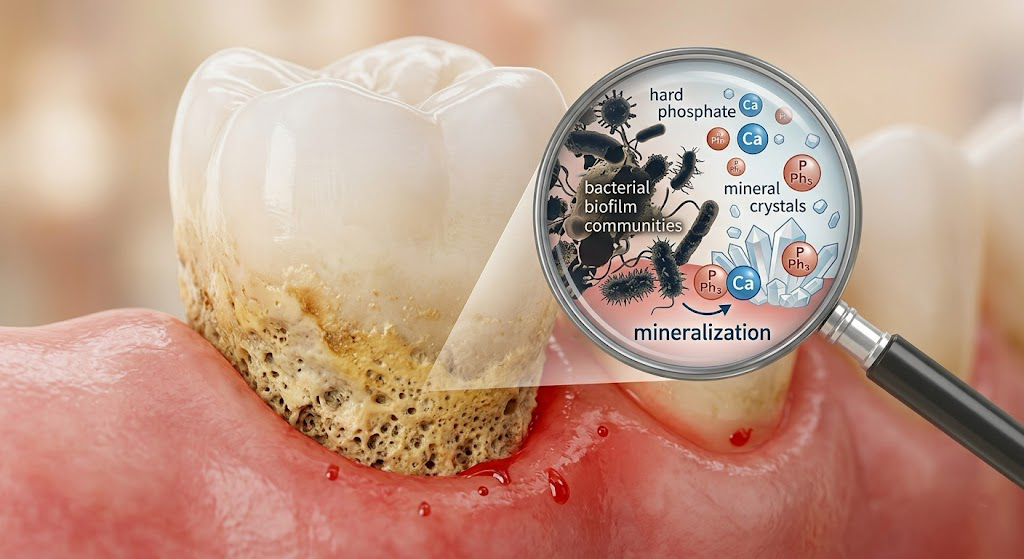
If plaque stays on your teeth for 24 to 72 hours, it begins to harden. The biofilm absorbs calcium, phosphate, and other minerals directly from your saliva. This process hardens the soft biofilm. It turns into a rough, porous substance called tartar, or dental calculus.
Unlike plaque, tartar binds chemically to the tooth structure and roughs up the enamel surface. This rough texture creates a perfect surface for more plaque to attach to, speeding up bacterial growth. Visually, tartar typically presents as a yellow, brown, or tan deposit along the gumline.
Once it hardens, regular brushing and flossing cannot remove it. You will need a professional cleaning from a dentist using specialized scaling tools.
Plaque vs Tartar: Key Differences Analyzed
To summarize the clinical distinctions in the plaque vs tartar comparison, we can evaluate them across several distinct categories:
| Characteristics | Dental Plaque | Tartar (Calculus) |
| Consistency | Soft, sticky, easily scraped away. | Hard, calcified, firmly bonded to enamel. |
| Appearance | Clear, translucent, or faintly yellow. | Yellow, brown, or tan staining. |
| Removal Method | Regular brushing and interdental flossing. | Professional dental scaling only. |
| Primary Risk | Enamel demineralization, early gingivitis. | Advanced periodontitis, bone loss, halitosis. |
Clinical Consequences of Untreated Plaque and Tartar
Allowing plaque to transition into tartar poses severe risks to your oral ecosystem. Tartar deposits below the gumline (subgingival calculus) act as a continuous irritant to the periodontal tissues. This ongoing inflammation leads to gingivitis, the earliest stage of gum disease. It causes visible gum irritation, including redness, swelling, and bleeding during brushing.
If left unaddressed, gingivitis progresses to periodontitis. At this stage, your immune system tries to fight the hardened bacteria. This constant battle begins to break down the bone and tissues that anchor your teeth.
According to the American Dental Association, gum disease is a leading cause of adult tooth loss. Research also links this disease to serious health issues, including heart disease and poorly managed diabetes.
Evidence-Based Protocols: How to Prevent Plaque and Tartar Build-Up
To prevent both conditions, you must disrupt plaque every day. Since tartar grows directly from unremoved biofilm, daily cleaning is your best defense.
1. Optimize Your Mechanical Brushing to Disrupt Plaque
The foundation of plaque control is mechanical disruption. Brushing twice daily with the Bass technique cleans the vital gumline area. Simply angle your bristles at 45 degrees to stop plaque from turning into hard tartar.
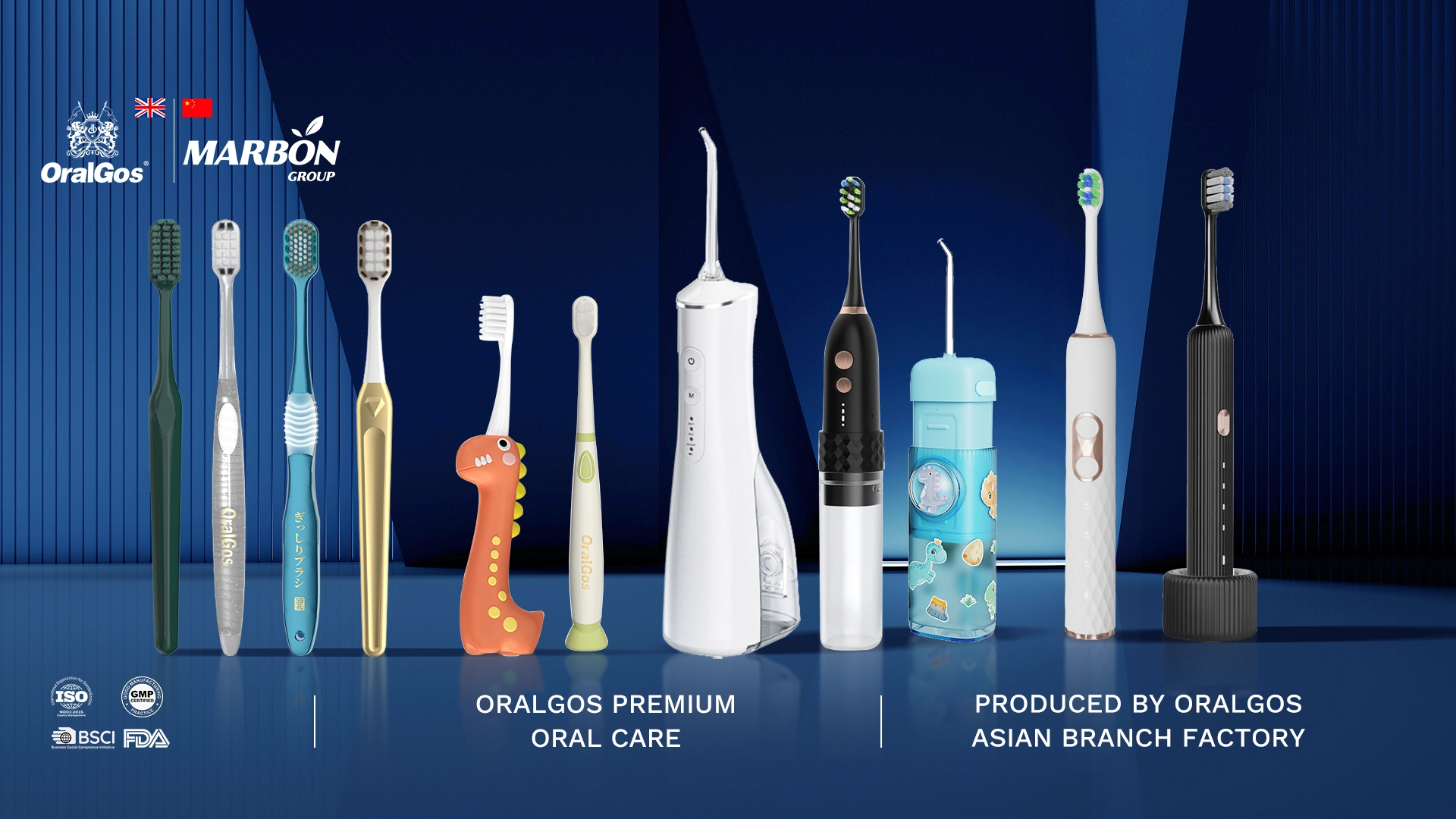
Investing in high-quality dental tools can significantly elevate your plaque-removal efficacy. If you prefer classic precision, choose an advanced manual toothbrush. High-density bristles will safely sweep away biofilm without hurting your gums.
Another great option is to switch to an advanced electric toothbrush. Its rapid sonic or oscillating movements remove plaque from back teeth much faster than manual brushing.
2. Commit to Interdental Cleaning to Prevent Tartar
Plaque thrives in the tight spaces between teeth where standard toothbrush bristles cannot penetrate. If you ignore these spaces, tartar will quickly form between your teeth.
Traditional flossing is highly effective. However, a water flosser offers an excellent alternative, ensuring better patient compliance and deep rinsing between teeth. Pulsed water streams can penetrate deep into periodontal pockets, flushing out loose plaque and dietary debris.
3. Leverage Advanced Antibacterial Ingredients
Incorporate an antimicrobial or tartar-control toothpaste into your routine. Formulas with active ingredients like pyrophosphates or zinc citrate bind to minerals in your saliva. This chemical bond stops minerals from crystallizing and slows down tartar formation.
4. Maintain Professional Cycles for Tartar Removal
Even with exemplary home care, micro-deposits of plaque can still mineralize in the deepest grooves of your dentition. Routine professional dental cleanings every six months are essential. A dental professional will safely scale away any accumulated tartar, ensuring your teeth and gums remain a clean slate.
Understanding the difference between plaque and tartar helps you choose a scientifically backed oral routine. By stopping mineralization early, you can fully protect your long-term periodontal health.