When walking down the dental aisle, the array of options can be overwhelming. From whitening boosters to sensitivity relief, the choices are endless. However, a growing trend has many consumers asking: Is organic toothpaste better for you? As we become more health-conscious, “organic” and “natural” labels are moving from niche health stores to mainstream pharmacy shelves.
Deciding if organic is better requires more than a glance at the box. We need to analyze the ingredients and the science behind them.
What Defines Organic Toothpaste?
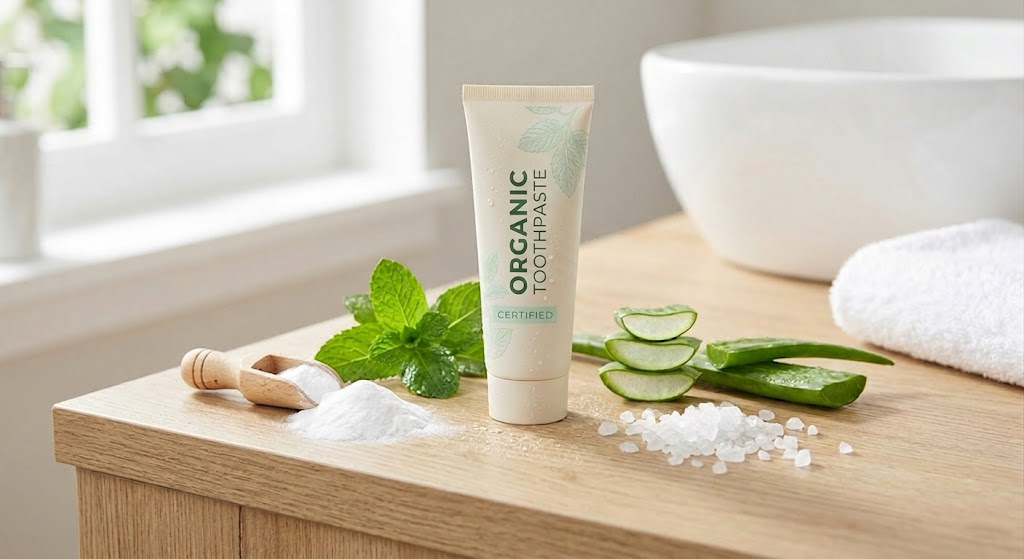
To understand if organic toothpaste is the right choice, we must first define what it actually is. Unlike conventional brands, organic toothpastes skip synthetic chemicals, artificial flavors, and lab-created dyes. Instead, they rely on plant-based ingredients and minerals to clean teeth and freshen breath.
Common ingredients found in natural formulas include:
- Peppermint and Spearmint oils: For natural flavoring and antibacterial properties.
- Aloe Vera: Formulated to soothe and calm sensitive gums.
- Baking Soda (Sodium Bicarbonate): For gentle abrasion and stain removal.
- Xylitol: A plant-derived sugar alcohol that helps prevent plaque-causing bacteria from sticking to teeth.
The Benefits: Why Organic Toothpaste Might Be Better for You
Many people choose natural products to avoid the synthetic additives found in traditional toothpaste. Here are the primary reasons why some believe organic toothpaste is better for daily use:
1. Absence of Harsh Detergents (SLS-Free)
Many conventional toothpastes contain Sodium Lauryl Sulfate (SLS), a foaming agent. While SLS creates a satisfying lather, it is a known irritant for many people. Studies link this ingredient to more frequent canker sores and irritation in the oral mucosa. Organic options typically use coconut-derived cleansers that are much gentler on the soft tissues of the mouth.
2. No Artificial Sweeteners or Colors
Traditional brands often add saccharin or aspartame for sweetness. They also use artificial dyes like Blue 1 or Red 40 to improve the product’s appearance. Organic formulas prioritize natural sweeteners like stevia or xylitol, which provide a pleasant taste without the potential concerns associated with synthetic chemicals.
3. Eco-Friendly and Cruelty-Free
Choosing natural products often aligns with broader lifestyle values. Many organic brands prioritize biodegradable ingredients and sustainable packaging, ensuring that your oral hygiene routine has a smaller environmental footprint.
Does Organic Toothpaste Prevent Cavities?
The most significant debate in the dental community regarding natural oral care centers on fluoride. The American Dental Association (ADA) considers fluoride a cornerstone of preventative dentistry because it strengthens enamel and remineralizes teeth to fight decay.
Many organic toothpastes are fluoride-free. If you are prone to cavities, you might wonder if a natural paste can keep up. Fortunately, the industry has evolved. Modern natural oral care often utilizes Hydroxyapatite, a biocompatible mineral that makes up 97% of your tooth enamel.
Research shows that hydroxyapatite remineralizes teeth as effectively as fluoride, offering a natural way to prevent cavities.
You can find the perfect balance of clean ingredients and efficacy in our wide selection of toothpaste options.
Comparing Ingredients: Natural vs. Conventional
| Feature | Conventional Toothpaste | Organic Toothpaste |
| Foaming Agent | SLS (Sodium Lauryl Sulfate) | Coconut-based surfactants |
| Preservatives | Parabens or Triclosan | Essential oils or Grapefruit seed extract |
| Sweeteners | Saccharin, Aspartame | Xylitol, Stevia, Erythritol |
| Abrasives | Hydrated Silica | Calcium Carbonate, Baking Soda |
Making the Switch: Things to Consider
If you are thinking about making the transition, keep in mind that the experience will be different.
- Texture and Foam: Because they lack SLS, organic toothpastes produce less lather than conventional formulas. These pastes still clean effectively; you may just need a few days to adjust to the thinner feel.
- Flavor Profile: Unlike conventional options, organic formulas offer a subtle, natural mint flavor rather than an intense synthetic sensation.
- Specific Needs: Consult your dentist if you have severe gum disease or advanced enamel erosion. They can help ensure your organic brand provides the right level of protection.
Final Verdict: Is Organic Toothpaste Better for You?
Ultimately, the answer depends on your personal health priorities. Organic toothpaste is an excellent choice for those with sensitive skin, frequent mouth sores, or a commitment to clean living. It removes the risk of chemical irritation while still providing the mechanical action necessary to remove plaque.
However, the “best” toothpaste is the one you will use consistently. The type of toothpaste you choose matters less than your habits. For a healthy smile, always brush for two minutes twice daily and maintain regular dental appointments. Protect your oral health and overall well-being by choosing products with high-quality, transparent ingredients.