In today’s competitive oral care market, dental clinics do more than provide services—they curate dental wellness. The products a dentist recommends or provides to a patient reflect directly on the clinic’s professional reputation. Consequently, selecting a reliable toothbrush supplier is a strategic decision that involves much more than comparing unit prices.
For dental practices and procurement managers, a successful partnership with a manufacturer requires clinical efficacy, regulatory compliance, and brand alignment. This article identifies the key factors clinics use to evaluate and vet oral care partners.
Assessing Toothbrush Supplier Clinical Efficacy and Material Standards
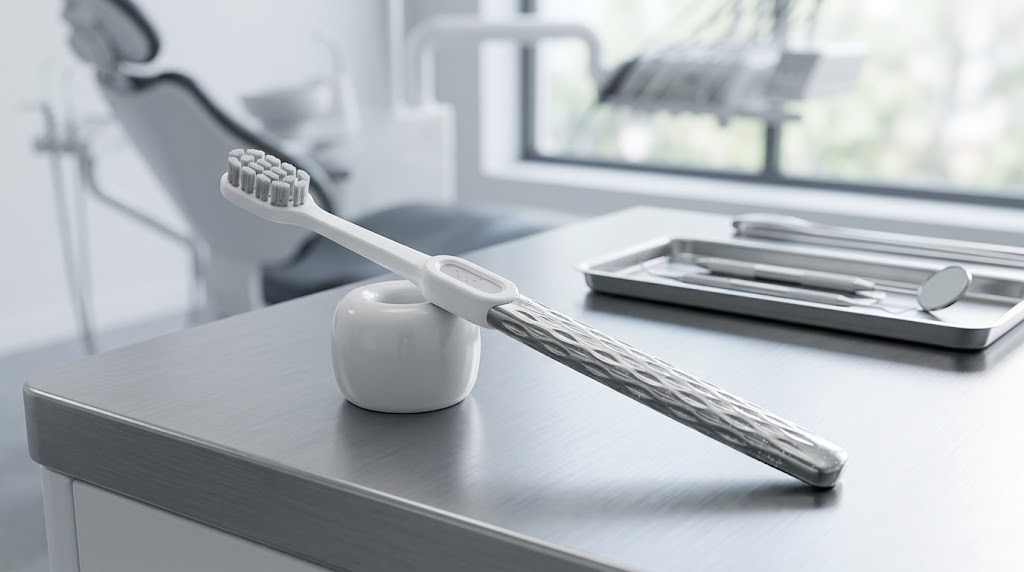
The primary concern for any dental professional is the health of the patient. When evaluating a toothbrush supplier, clinics look for rigorous adherence to material science. Clinics prioritize bristle quality. They typically seek end-rounded PBT or nylon filaments that protect gum tissue while effectively removing biofilm.
Many modern clinics are now looking for advanced features such as silver-ion antibacterial bristles or hydroxyapatite-infused filaments. The American Dental Association states that toothbrushes must be easy to use and remove plaque effectively without hurting the mouth. Suppliers gain a competitive edge by providing clinical data and certifications for bristle softness and durability.
Exploring a Diverse Product Range: From Manual to Electric Models
A versatile toothbrush supplier must cater to all patients. This includes children developing motor skills and seniors facing dexterity challenges. Clinics often prefer a “one-stop-shop” approach where they can source various categories of oral care tools.
- Manual Solutions: High-quality manual toothbrushes remain a staple for post-surgical care and daily maintenance. Clinics look for ergonomic handle designs and various head sizes.
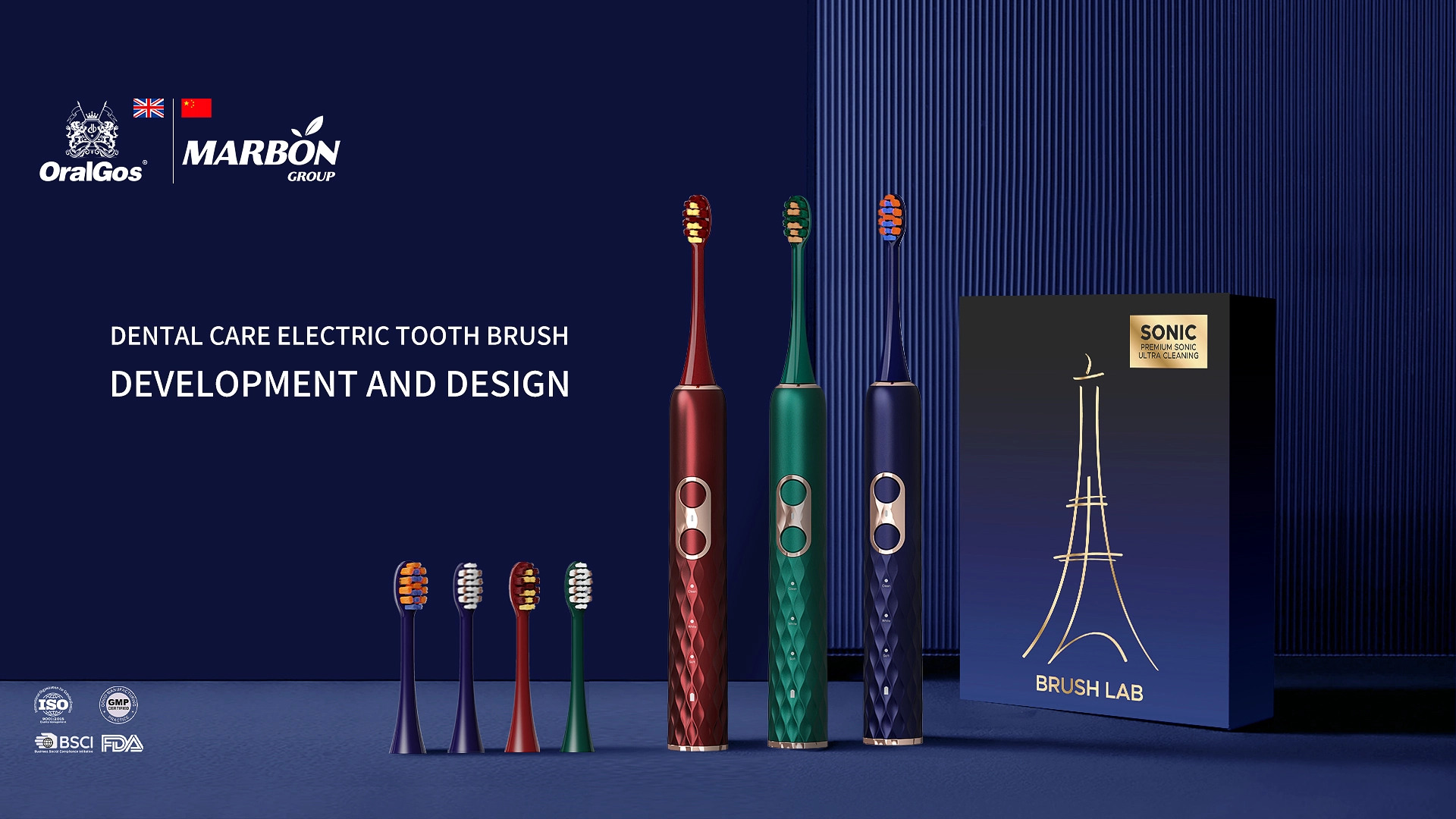
- Power Technology: At-home dental tech is rising. Many practices now recommend electric toothbrushes to patients who need consistent pressure and oscillating-rotating movements.
A comprehensive product catalog helps clinics maintain a consistent brand message across all recommendations.
Customization and Private Labeling for Dental Brands
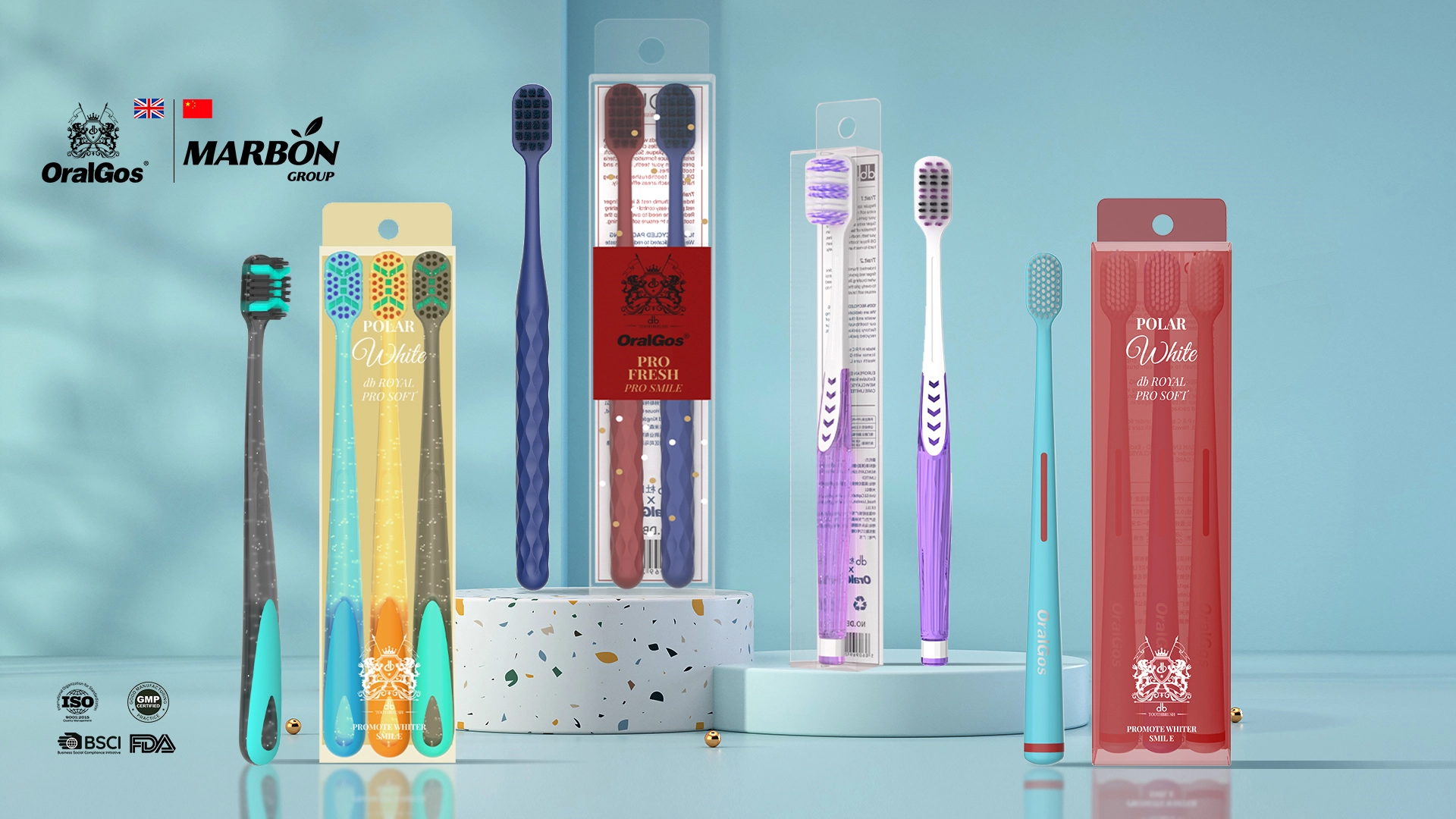
For many dental chains and boutique clinics, branding is a key differentiator. A premier toothbrush supplier often provides OEM (Original Equipment Manufacturer) and ODM (Original Design Manufacturer) services. This allows clinics to feature their own logo on the toothbrush handles or packaging.
Customization isn’t just about aesthetics; it’s about professional “clean label” formulations and eco-friendly packaging. As consumer trends shift toward sustainability, clinics are increasingly requesting bamboo handles or biodegradable bioplastics. To build long-term partnerships, suppliers must adapt to market shifts while maintaining medical-grade quality.
Manufacturer Supply Chain Reliability and Global Compliance
In the B2B sector, consistency is king. A dental clinic cannot afford “out of stock” scenarios that disrupt patient home-care routines. When vetting a toothbrush supplier, procurement officers investigate the manufacturer’s lead times, shipping logistics, and quality control protocols.
Furthermore, international regulatory compliance is non-negotiable. Reputable suppliers must follow ISO standards and Good Manufacturing Practices (GMP). This includes holding FDA registration for the US or CE marking for Europe. This ensures that every batch of toothbrushes delivered to the clinic is safe and effective.
Strategic Pricing and Value-Added Services for Clinics
While quality is the priority, the economic aspect of the partnership remains relevant. Professional clinics prioritize long-term value over the lowest purchase price. This includes volume discounts, flexible MOQs (Minimum Order Quantities), and marketing support.
Some suppliers provide educational brochures and displays. These tools help dentists explain toothbrush benefits to their patients. This collaborative approach turns a simple transaction into a strategic alliance. It helps clinics grow both retail revenue and patient loyalty.
Conclusion: Selecting the Ideal Toothbrush Supplier for Long-Term Clinical Success
Selecting the right toothbrush supplier ensures clinical excellence and drives business growth for any dental practice. Clinics should focus on clinical standards, product diversity, and reliable manufacturing. This allows them to provide patients with the best oral hygiene technology, from electric models to sustainable manual options. In a detail-oriented market, the best supplier views a toothbrush as a vital medical tool rather than a mere commodity.