When you walk down the dental aisle, the sheer variety of manual toothbrushes can be overwhelming. From charcoal-infused fibers to vibrating handles, the options are endless. However, one design has consistently stood the test of clinical scrutiny: the multi-level bristle toothbrush.
Modern toothbrushes are different from the flat-trimmed designs of the past. They feature bristles with varying heights and angles to clean the complex surfaces of your mouth more effectively.
But is there actual science behind these uneven bristles, or is it just a marketing gimmick? Let’s explore how multi-level bristles work and why they are vital for your oral health.
The Science Behind Toothbrush Design and Mouth Anatomy
To understand why a multi-level bristle toothbrush is necessary, we first have to look at what it’s cleaning. Human teeth are not flat blocks; they are rounded and varied in height. They also have deep narrow spaces between them, known as interdental gaps.
The American Dental Association notes that plaque is a sticky film of bacteria. It usually builds up along the gumline and in the spaces between your teeth. Standard flat-trimmed brushes often fail to contact the recessed areas between teeth. They primarily clean the prominent surfaces while bypassing the critical interdental gaps.
The Mechanical Advantage of a Multi-Level Bristle Toothbrush
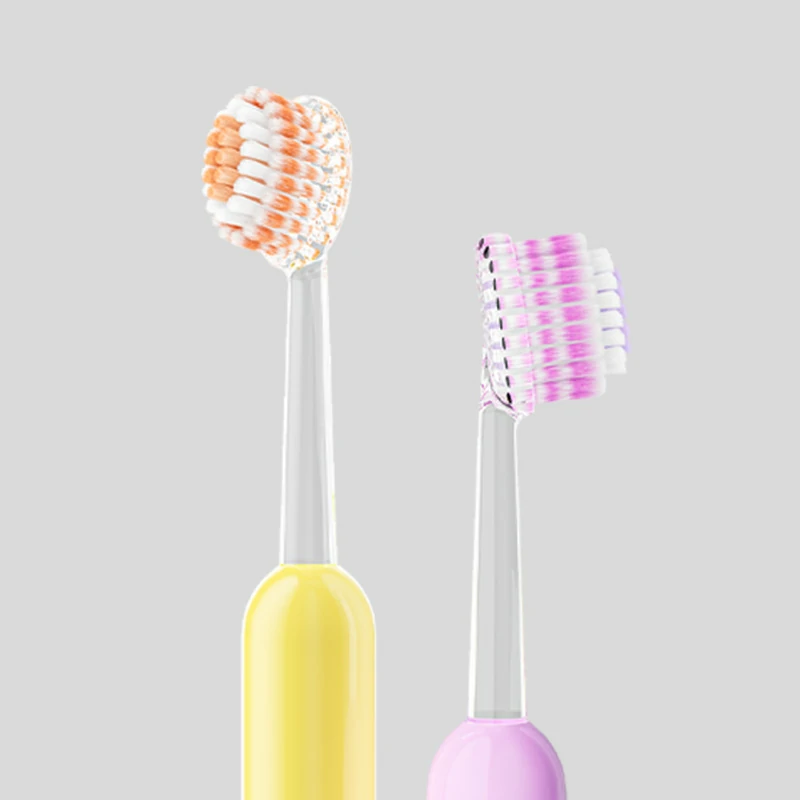
The primary goal of a multi-level bristle toothbrush is to increase “reach-performance.” With bristles of different lengths, the brush can perform multiple tasks at the same time:
1. Deep Interdental Penetration with a Multi-Level Bristle Toothbrush
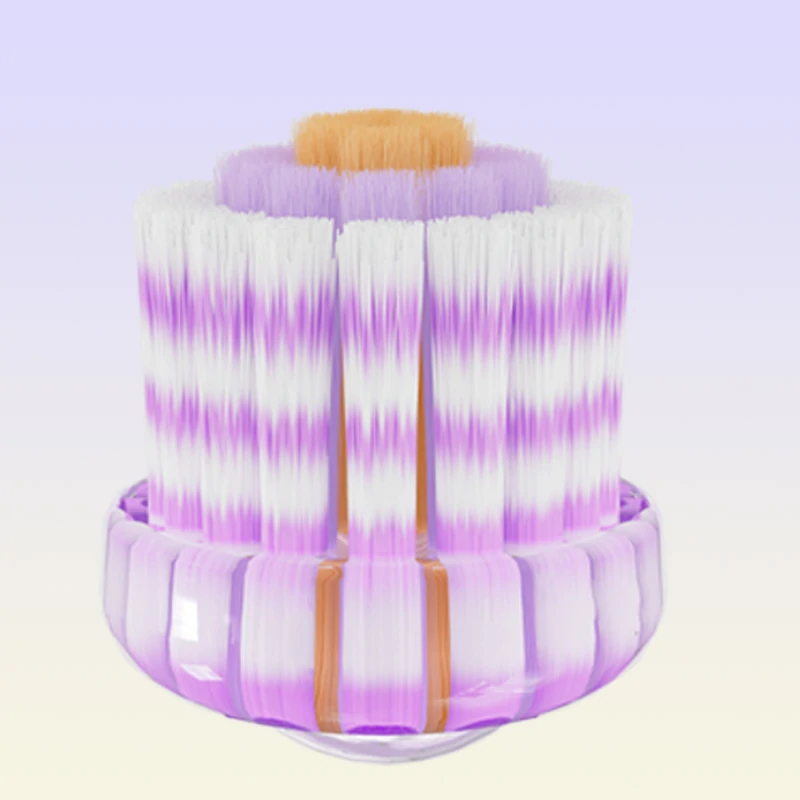
Longer, tapered bristles are designed to reach deep into the spaces between teeth. Short bristles scrub the flat enamel surfaces. Meanwhile, the longer filaments act as “micro-flossers” to reach spots that a standard brush would skip over.
2. Effective Gingival Margin Cleaning for Gum Health
The gumline (the sulcus) is perhaps the most critical area for preventing gum disease. Multi-level brushes often have softer, longer outer bristles. These slide gently under the gumline without the irritation caused by stiff, flat bristles.
3. Superior Surface Adaptation of Tiered Designs
Because our dental arches are curved, a brush that can adapt to that curvature is more efficient. These brushes offer better coverage as you move. The varying heights allow the bristles to maintain constant contact with your teeth, even on curved surfaces.
Clinical Evidence: Why a Multi-Level Bristle Toothbrush Outperforms Flat Designs
Research has shown that the configuration of bristles significantly impacts plaque scores. Research shows that multi-level brushes remove more plaque than flat ones. They are especially effective in reaching the back regions of the mouth. This is particularly important for children, whose developing mouths and evolving brushing habits require extra mechanical help.
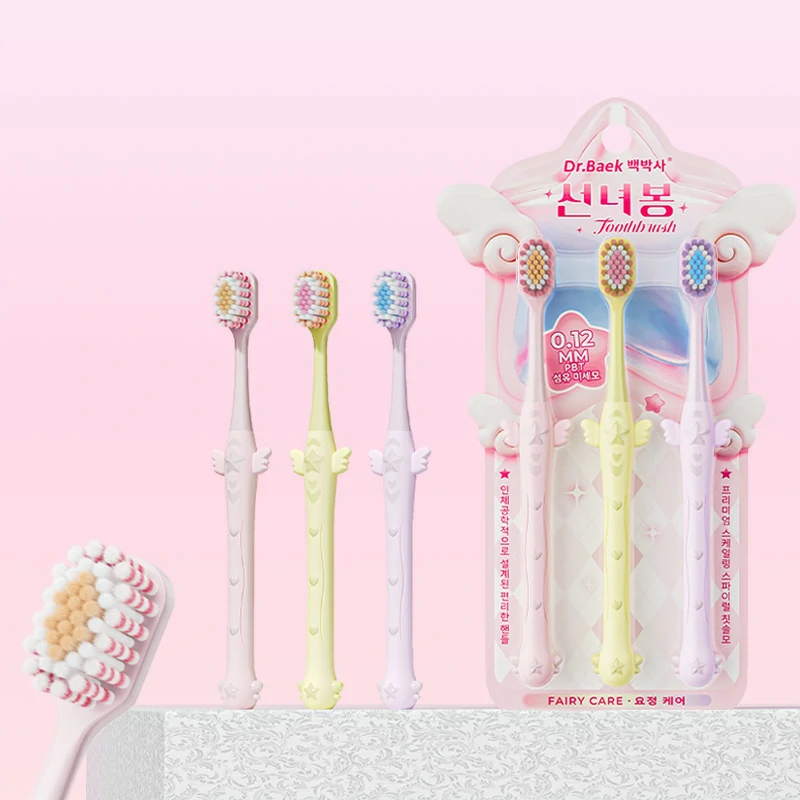
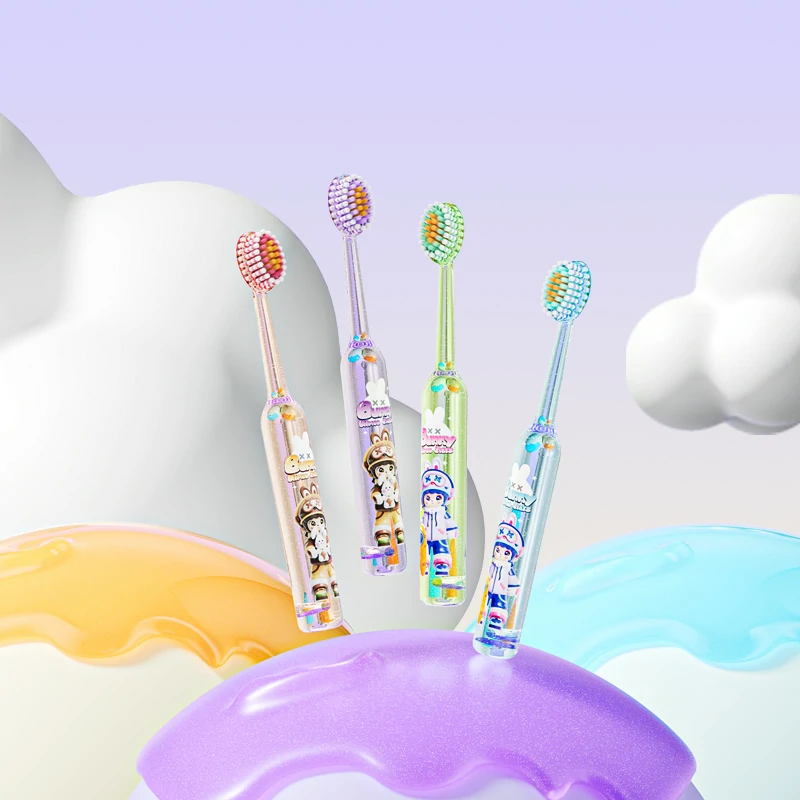
For parents looking to instill good habits early, choosing a children’s soft toothbrush with tri-level bristles can make a world of difference. Children often have imperfect brushing habits. The tiered bristles help fix this by cleaning more tooth surface with every stroke.
How to Choose Your Next Professional Manual Toothbrush
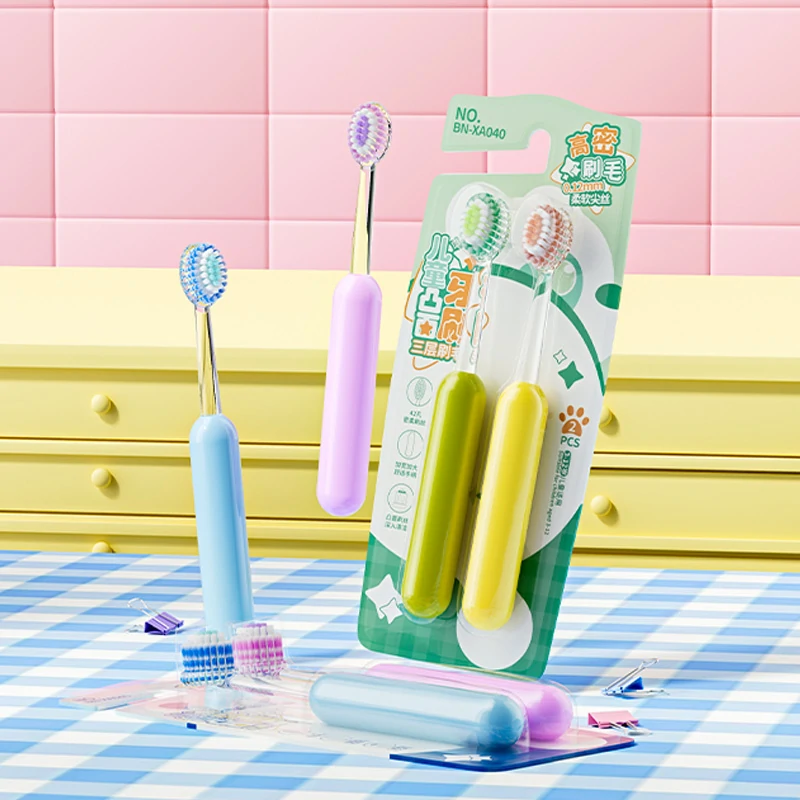
Electric toothbrushes are popular, but they aren’t the only option. A high-quality multi-level bristle toothbrush is still a great, affordable tool for daily care. When selecting your next brush, look for features that complement the multi-level design:
- Soft Bristles: High-density, soft filaments protect the enamel while still being firm enough to dislodge debris.
- Ergonomic Grips: Choose a handle that helps you brush at a 45-degree angle. This position allows the tiered bristles to clean your gums more effectively.
- Head Size: Ensure the head is small enough to reach your back molars.
We offer a wide range of professional-grade brushes to fit your needs. You can choose the best manual toothbrush based on your age or tooth sensitivity.
Final Thoughts: Subtle Design, Maximum Efficiency
The transition from flat-trimmed to multi-level bristles reflects a shift toward a more natural fit. Beyond aesthetics, modern designs prioritize tools that align with the actual shape of your teeth. A multi-level bristle toothbrush uses mechanical physics to reach every corner. This ensures that bacteria have nowhere to hide in your mouth.
Choosing the right bristle configuration is your first line of defense against tooth decay. When paired with daily flossing and regular dental visits, it ensures maximum protection for your gums. Next time you replace your brush—which should be every three months—look closely at the bristles. This multi-level configuration enhances cleaning efficiency by reaching difficult areas automatically, reducing the need for aggressive brushing.
Switching to a scientific toothbrush design is a simple way to improve your oral health. It ensures you never miss a spot during your daily routine.