Have you ever noticed that your toothbrush looks like a shaggy dog after just a few weeks, while your partner’s looks brand new? Many people share this frustration. Dentists recommend changing our toothbrushes every three months, yet many barely last four weeks. Understanding toothbrush durability saves you money, protects your oral health, and maximizes your daily dental routine. Several key factors determine why some brushes degrade faster than others.
1. Aggressive Brushing and Toothbrush Durability
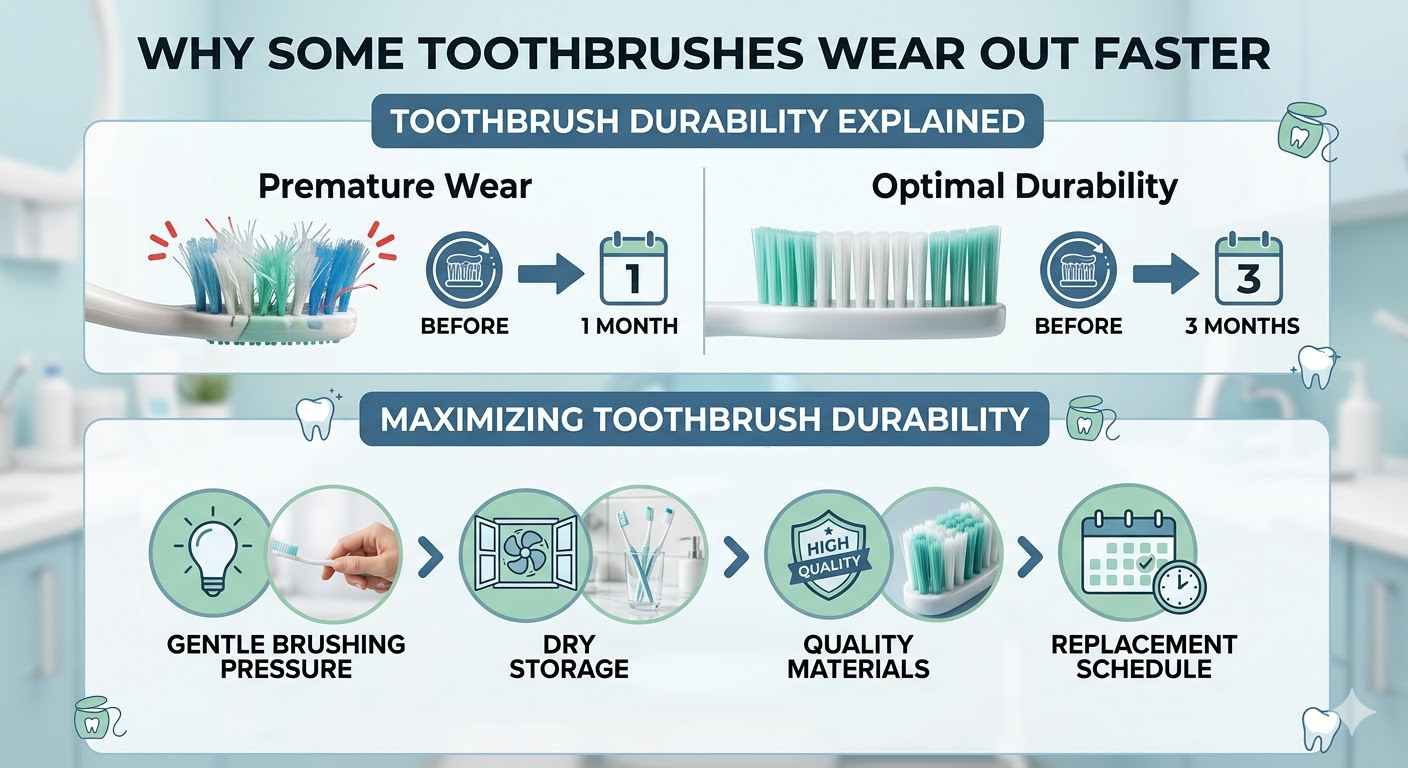
The number one culprit behind a prematurely frayed toothbrush is your brushing technique. Many people mistakenly believe that scrubbing harder means cleaner teeth. In reality, aggressive brushing destroys the bristles and harms your gums.
How Brushing Pressure Impacts Toothbrush Durability
When you apply too much force, the nylon bristles bend past their flex point. Once bent, they lose their resilience and cannot bounce back to their original straight position. This flattening effect drastically reduces the lifespan of the brush.
Splayed bristles serve as a clear indicator of excessive brushing pressure. Light, circular motions are all you need to remove plaque effectively without ruining your brush.
2. Material Quality: Budget vs. Premium Brushes
Not all toothbrushes are created equal. The materials used in manufacturing play a massive role in how long a brush can withstand daily wear and tear.
The Material Science of Toothbrush Durability
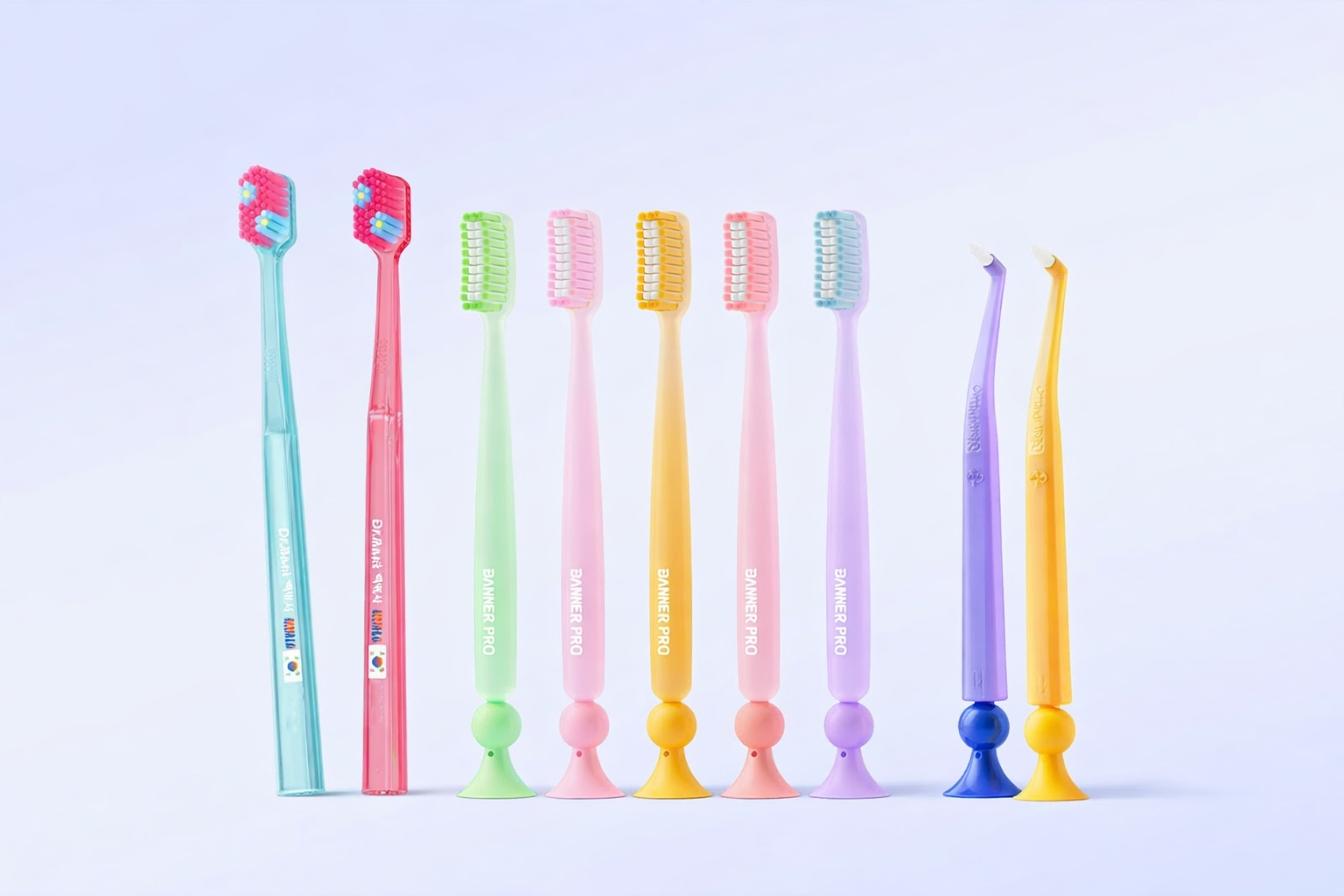
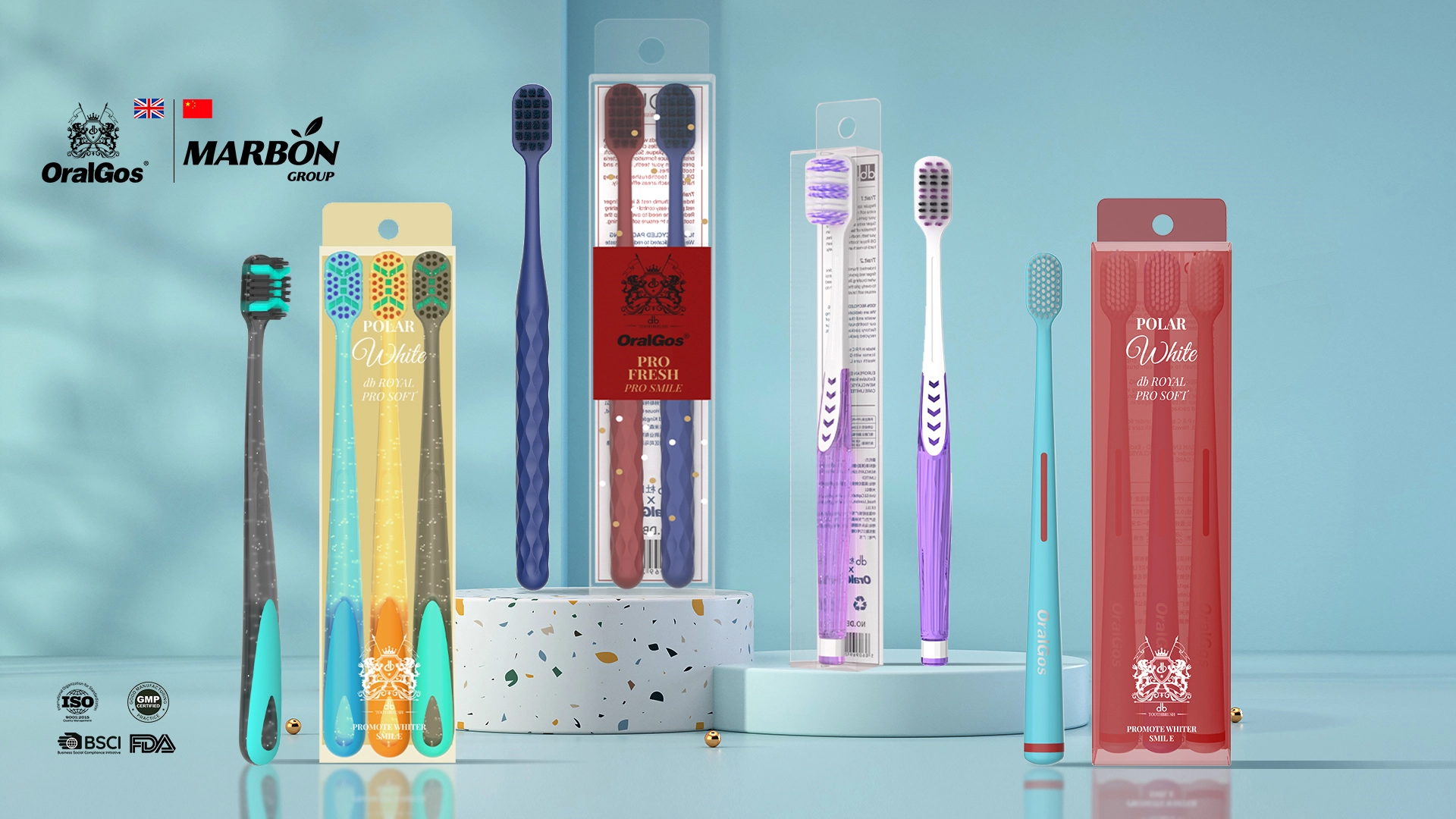
Premium toothbrushes typically use high-quality, end-rounded nylon bristles. These premium fibers protect tooth enamel while maintaining their structure over time. Cheaper, generic brands often use lower-grade plastics that split and fray rapidly.
Furthermore, the design of the brush itself dictates its longevity:
- Manual Brushes: A high-quality manual toothbrush relies entirely on the structural integrity of its handle and bristle staples. If the anchoring wire inside the head is cheap, bristles will fallout.
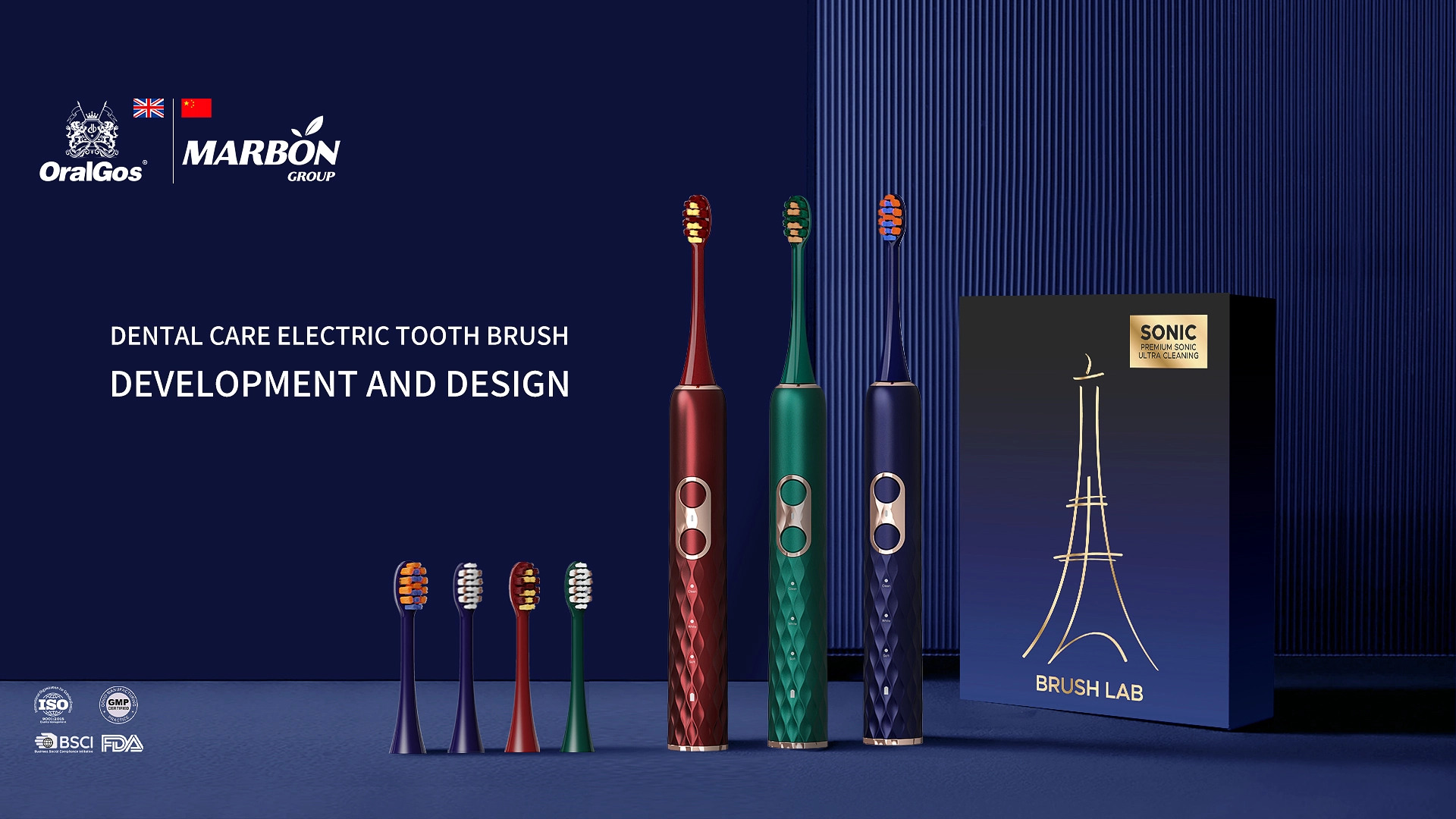
- Electric Brushes: Modern electric toothbrushes deliver thousands of strokes per minute, requiring highly engineered brush heads. Because they do the heavy lifting for you, they often maintain their shape better than manual brushes—provided you don’t press down too hard.
3. Storage and Environmental Conditions
Where and how you store your toothbrush after brushing can accelerate its degradation. Although nylon bristles are synthetic, environmental factors can still degrade their strength.
Moisture and Bacterial Growth
If you store your toothbrush in a closed travel cap or a dark, damp medicine cabinet, the bristles never fully dry. Constant moisture weakens the nylon fibers, making them soft, brittle, and prone to breaking. Always store your toothbrush upright to air-dry completely, as recommended by the American Dental Association. This prevents both bacterial buildup and the structural breakdown of the bristles.
4. Frequency and Duration of Use
Naturally, cumulative friction and usage frequency directly accelerate product wear. However, toothbrush degradation depends not only on daily frequency but also on the cumulative duration of each session.
Dentists recommend brushing for a full two minutes. A rigorous two-minute brushing session naturally generates far more friction than a hasty 30-second scrub. While a dedicated two-minute routine is excellent for your teeth, it does mean your brush will face a higher rate of physical wear.
Summary of Factors Affecting Longevity
| Factor | High Durability Habits | Low Durability Habits |
| Pressure | Light, gentle circles | Heavy, horizontal scrubbing |
| Storage | Upright, open-air drying | Enclosed cases, damp drawers |
| Quality | Rounded nylon bristles | Low-grade, sharp-cut plastics |
| Usage | Replaced every 3 months | Kept until completely flattened |
When Should You Replace Your Toothbrush?
No matter how pristine your brush looks, toothbrush durability has a hard limit. Over time, invisible micro-fissures develop in the nylon, creating a breeding ground for bacteria.
Replace your toothbrush or electric refill every three to four months, regardless of visible bristle splaying. If you have recently been sick with a cold or flu, it is also wise to swap it out immediately to avoid reinfection.
Correct storage, gentle pressure, and premium materials ensure your toothbrush remains highly effective until its scheduled retirement.