For decades, dentists and experts have labeled sweets and candies as the ultimate enemies of a healthy smile. From cavities to enamel erosion, sugar-laden treats constantly threaten our oral hygiene. However, one sweet treat often sparks intense debate among dental professionals and consumers alike: chewing gum. Many people pop a piece of gum after a meal to freshen their breath or curb a sweet craving. However, this habit offers more than temporary breath freshening. It raises an important question: Is chewing gum good for your teeth, or is it silently harming your smile?
To understand its true impact, we must examine how chewing gum interacts with your unique oral environment.
The Role of Saliva: How Chewing Gum Protects Enamel
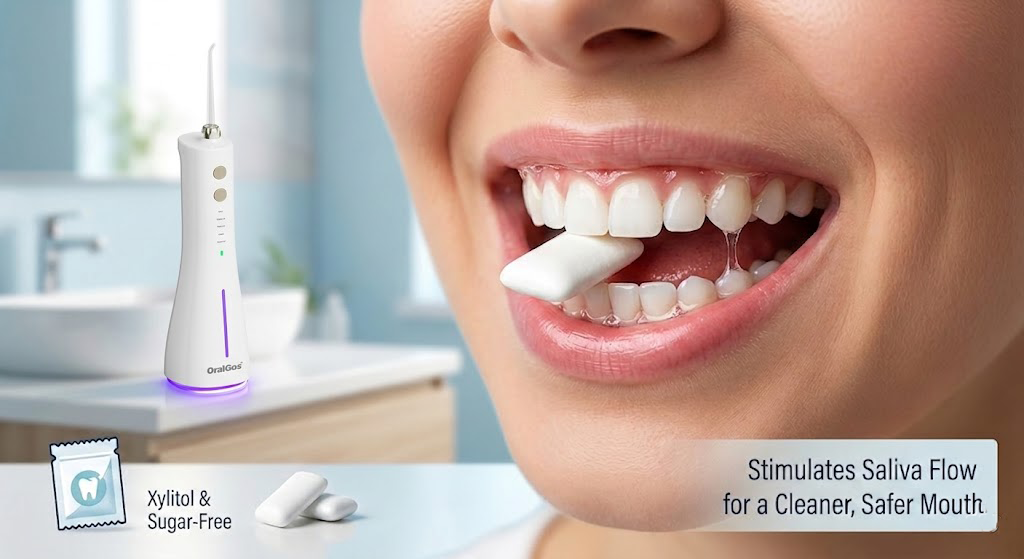
The short answer to whether chewing gum benefits your mouth comes down to one biological superpower: saliva. Chewing a piece of gum immediately stimulates your salivary glands to produce more moisture.
Increased saliva flow is one of the most effective natural defense mechanisms against tooth decay. Saliva washes away food particles that linger after eating, neutralizing the harmful acids produced by plaque bacteria. Furthermore, saliva contains essential minerals like calcium and phosphate, which actively strengthen and remineralize your tooth enamel.
According to the American Dental Association, chewing sugarless gum for 20 minutes after meals significantly helps prevent cavities. By boosting saliva, you are essentially giving your mouth a continuous, natural rinse that keeps acid attacks at bay.
Sugar vs. Sugarless: Is Chewing Gum Good for Your Teeth in All Forms?
While the mechanical action of chewing is beneficial, the ingredients inside the gum matter immensely. If you are reaching for standard bubblegum packed with sucrose, you are doing more harm than good. Sugar feeds the destructive bacteria in your mouth, leading to acid production that erodes enamel and causes cavities.
The Power of Xylitol and Sugar-Free Alternatives
To ensure that your habit supports your oral care routine, you must choose sugar-free options. So, how exactly is chewing gum good for your teeth when it contains sweeteners? This dental protection stems from advanced sugar substitutes like xylitol.
Xylitol is a naturally occurring sugar alcohol that cavity-causing bacteria cannot digest. When bacteria absorb xylitol, they lose their ability to stick to your teeth. This breakdown effectively prevents plaque from building up over time. By selecting a sugarless gum certified by dental associations, you actively protect your smile instead of feeding harmful bacteria.
The Limits of Gum: Why It Can’t Replace Your Oral Care Routine
Despite the clear benefits of stimulated saliva and xylitol, chewing gum is not a magic wand for oral hygiene. Keep in mind that chewing gum can only clean the smooth surfaces of your teeth. It cannot reach the tight spaces between your teeth, where plaque and food debris inevitably hide.


Why You Still Need Advanced Flossing Tools
Relying solely on gum after meals leaves your gums vulnerable to gingivitis and localized decay. Chewing gum should complement your oral hygiene routine, never replace brushing and flossing.
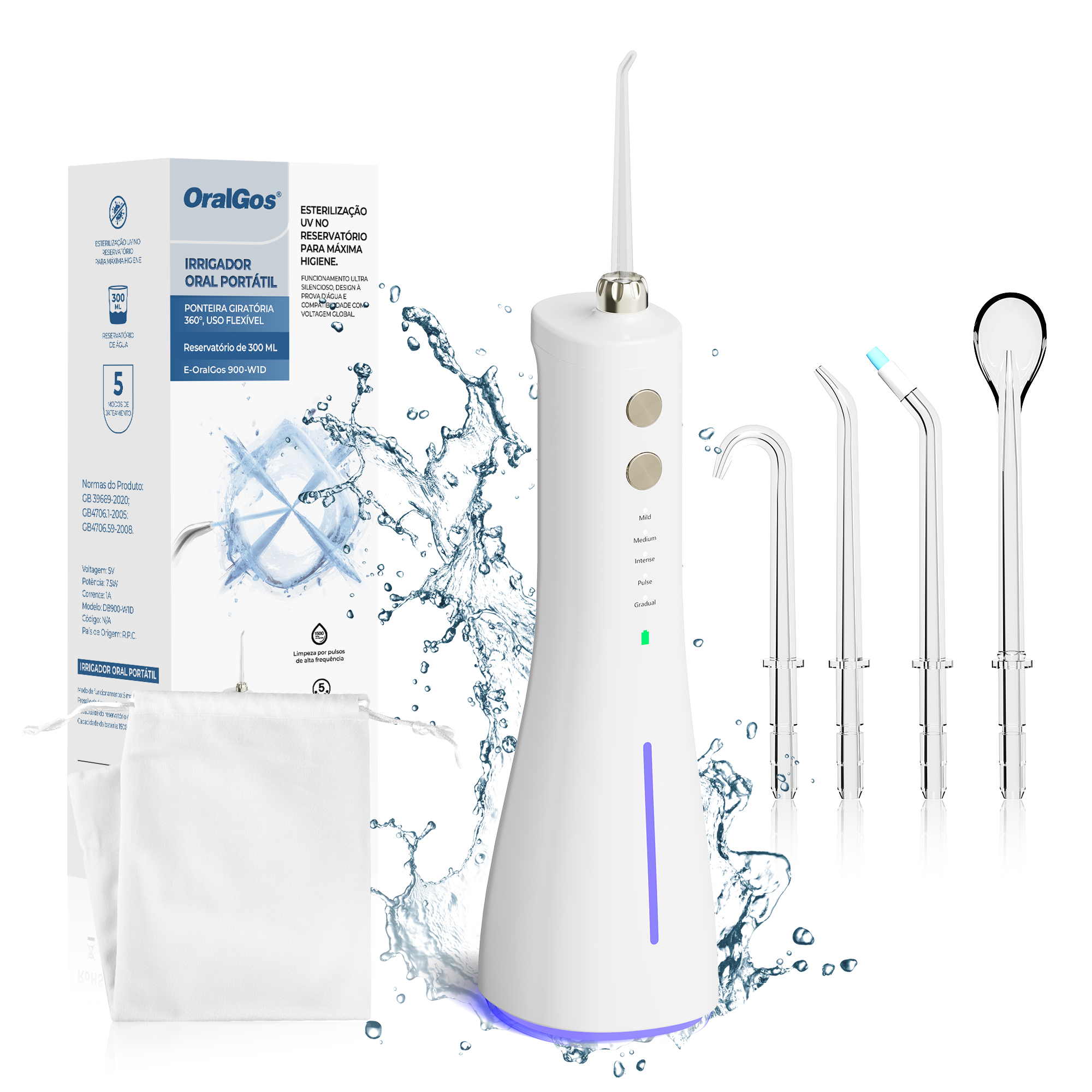
To effectively clear out the debris that gum leaves behind, using advanced interdental cleaning tools is essential. For instance, a high-quality water flosser precisely blasts away stubborn plaque from your gumline. A portable cordless water flosser in your bag ensures a deep, professional clean anytime you are on the go.
Potential Drawbacks: When to Avoid Chewing Gum
While sugar-free gum offers great preventative perks, it is not suitable for everyone. Specific dental conditions mean chewing gum can exacerbate underlying issues:
- Temporomandibular Joint (TMJ) Disorders: Continuous chewing places repetitive stress on the jaw joints and surrounding muscles. If you suffer from TMJ jaw pain or chronic headaches, frequent gum chewing can worsen your symptoms.
- Orthodontic Appliances: For those with traditional metal braces, sticky gum is a major hazard. It can easily bend wires, loosen brackets, and ruin your hardware.
- Excessive Wear and Tear: Overusing gum can cause severe muscle fatigue. In extreme cases, it even leads to the uneven wear of your biting surfaces.
The Verdict: Is Chewing Gum Good for Your Teeth?
When practiced correctly, the answer is a resounding yes. Popping a piece of sugar-free gum after lunch is a convenient way to boost saliva and neutralize acids. This simple habit shields your enamel from decay when you cannot brush.
However, a healthy smile relies on a complete routine. Use sugarless gum to freshen up and protect your enamel throughout the day. However, always support it with thorough brushing and deep interdental cleaning to keep your smile pristine.