We have all experienced it. You wake up, open your mouth to greet the day, and instantly notice an unpleasant taste and odor. We widely know this common phenomenon as morning breath. Morning odor feels inevitable, but your nighttime habits actually dictate how your breath smells when you wake up.
Once you understand the biological causes, you can easily build a nighttime strategy to wake up fresh.
The Science Behind Why Morning Breath Happens
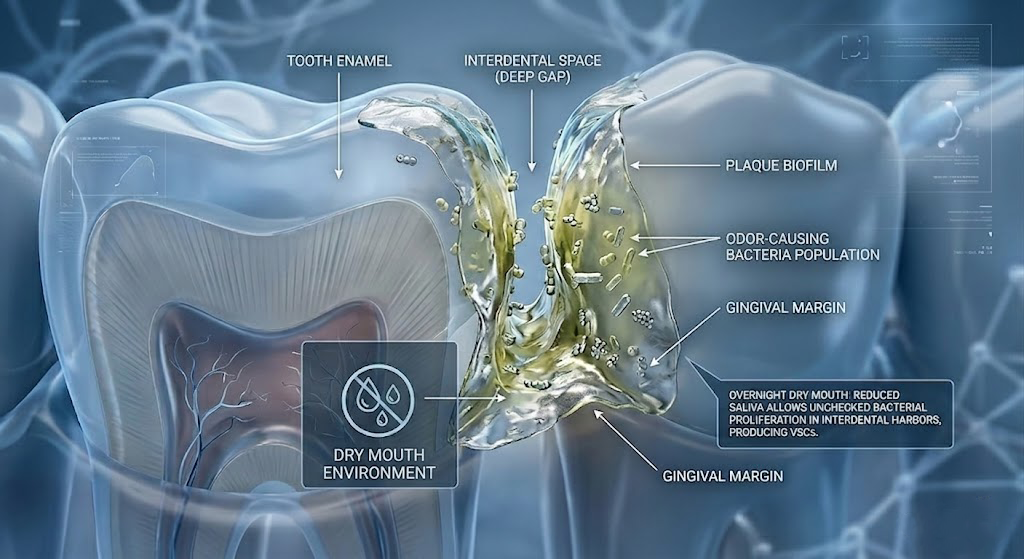
To defeat the enemy, you must first understand it. To address this issue, we must examine the precise biological factors that cause morning breath overnight. The primary culprit is a natural reduction in saliva production.
During the day, your mouth constantly produces saliva. This fluid acts as a natural rinsing agent, washing away food particles and keeping bacterial populations in check. However, when you sleep, your salivary glands slow down dramatically. This leads to dry mouth, creating an ideal, stagnant environment for anaerobic bacteria to thrive.
These bacteria feast on the leftover food debris, dead skin cells, and proteins found in your mouth. As they break down this organic matter, they release volatile sulfur compounds (VSCs). These compounds are directly responsible for the foul odor you detect when you wake up. According to the American Dental Association, a thorough nighttime cleaning effectively halts overnight bacterial activity.
Designing a Nighttime Routine to Prevent Bad Breath
If dry mouth is the trigger, a meticulous cleaning routine is the shield. A superficial, ten-second brush before bed will not suffice. To truly disrupt bacterial colonies and prevent them from multiplying overnight, you need a disciplined approach.
Step 1: Choose Brushing Tools That Fight Morning Odor
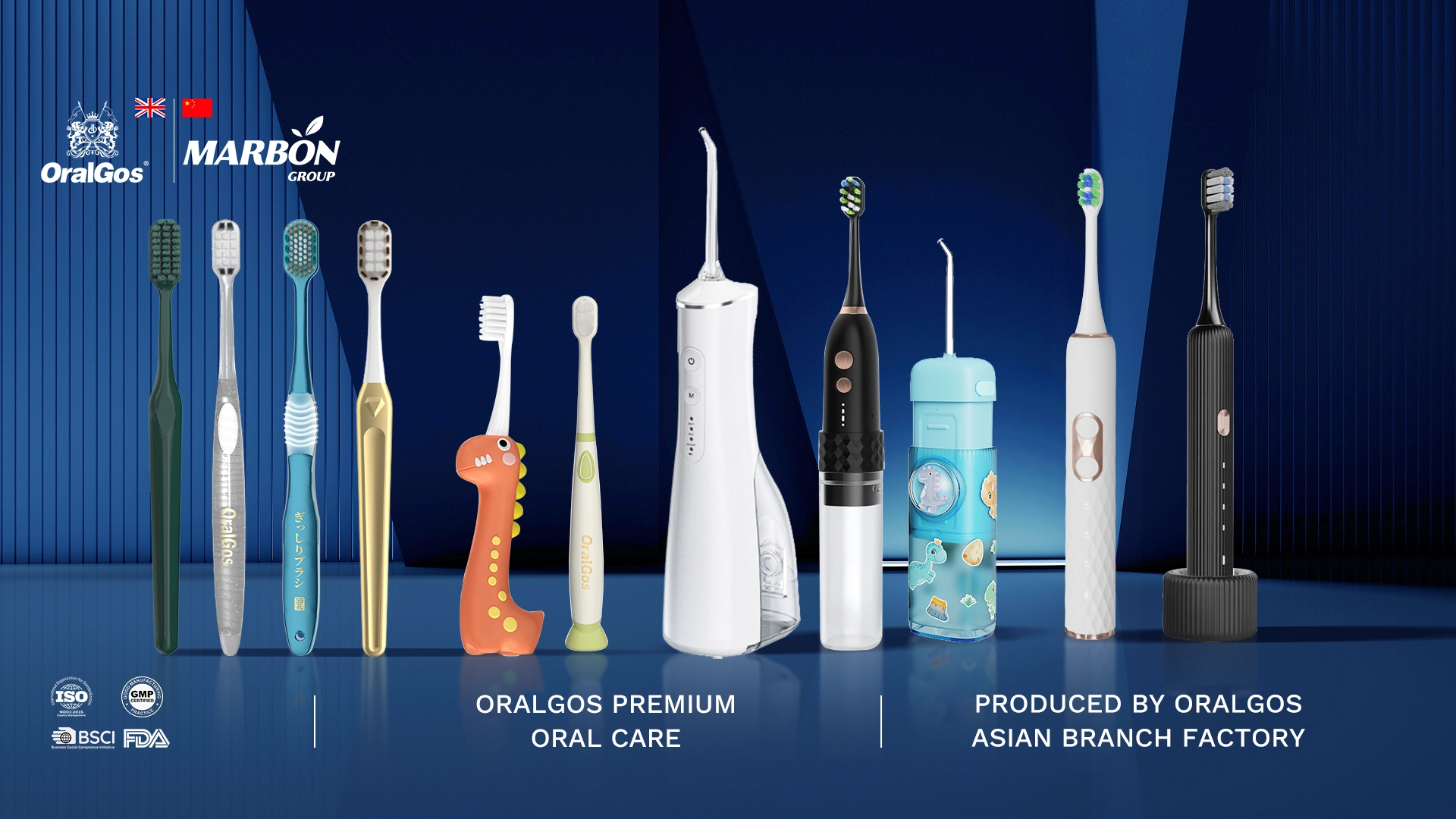
The foundation of any successful oral care regimen is your toothbrush. You need a tool that can effectively disrupt plaque biofilm without irritating your gums. Many dental professionals recommend upgrading from a standard manual toothbrush to a high-quality electric toothbrush.
Electric models offer thousands of movements per minute. This power ensures a deep micro-cleaning action along the gumline to eliminate hidden bacteria.
Some users prefer total control over their brushing pressure. For them, an ergonomic manual toothbrush used with a proper circular technique yields great results.
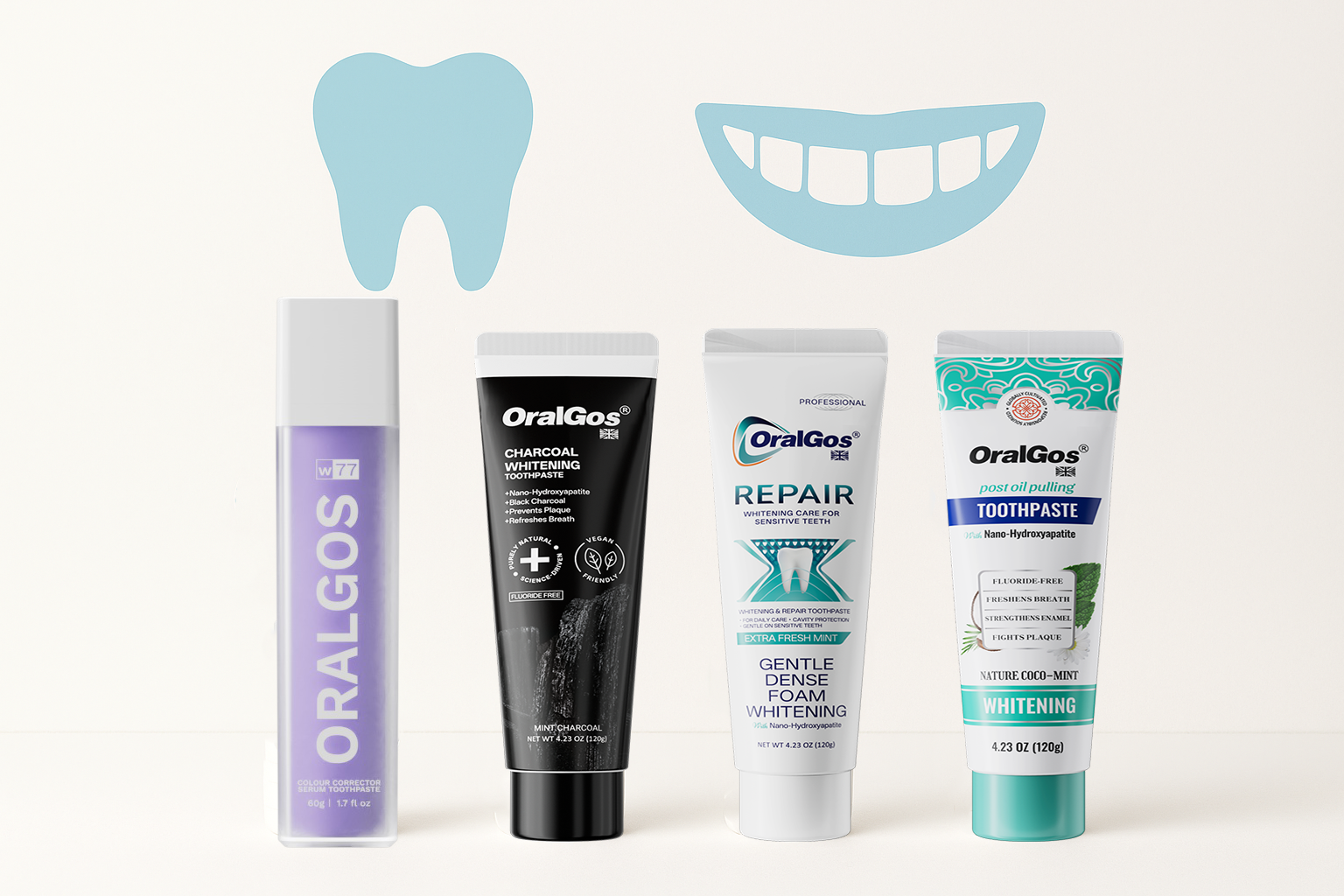
Step 2: Use an Advanced Paste to Target Bad Breath
Selecting an overnight formulation requires careful consideration rather than a random retail choice. For maximum overnight protection, pair your brush with a specialized toothpaste that contains antibacterial properties or zinc formulations. These agents neutralize volatile sulfur compounds and stop bacterial growth for hours. This process gives you an extra layer of defense while you sleep.
How This Nighttime Ritual Stops Morning Breath Bacteria
Consistency is key. Commit to a thorough cleaning before bed. Doing so drastically reduces the bacteria and food particles in your mouth. With less “fuel” available, the bacteria cannot produce VSCs at the same rate, even when your saliva production drops.
Step 3: Clear Interdental Spaces to Stop Morning Breath
Brushing only cleans about 60% of your tooth surfaces. The remaining 40% lies hidden between your teeth, where standard bristles simply cannot reach. Left unchecked, these tight gaps become breeding grounds for morning breath.
To clear these hidden zones, consider integrating a water flosser into your nightly ritual. Hydro-flossing uses targeted, pressurized water streams to flush out trapped plaque. This deep-cleaning action leaves no safe harbor for bacteria.
Step 4: Scraping Your Tongue Limits Overnight Odor
A significant percentage of odor-producing bacteria reside on the back of your tongue. After brushing your teeth, use a dedicated tongue scraper or the bristles of your brush to gently clean your tongue from back to front. This single step removes the sticky bacterial coating that directly contributes to morning odors.
Wake Up with Lasting Freshness and No Morning Odor
Ultimately, managing how your breath smells in the morning is a matter of biology and biofilm control. While you cannot completely stop your mouth from drying out at night, you can control the cleanliness of the environment.
Invest a few dedicated minutes into your nightly cleaning ritual. This simple step denies bacteria the resources to create unpleasant odors. Prioritize your oral hygiene tonight, and enjoy the confidence of clean, crisp breath tomorrow morning.