Many people love crunching on the leftover ice in their drinks, viewing it as a harmless habit. Refreshing and calorie-free, crunching on ice can even serve as a subconscious stress reliever. However, what feels like an innocent pastime is actually waging a destructive war on your oral health. While ice is just frozen water, its rock-hard texture poses a severe threat to your dental anatomy. If you have ever wondered, is chewing ice bad for your teeth, the resounding answer from dental professionals is yes. In fact, dentists widely consider it one of the worst habits for your protective tooth enamel.
Understanding Enamel: Your Teeth’s First Line of Defense
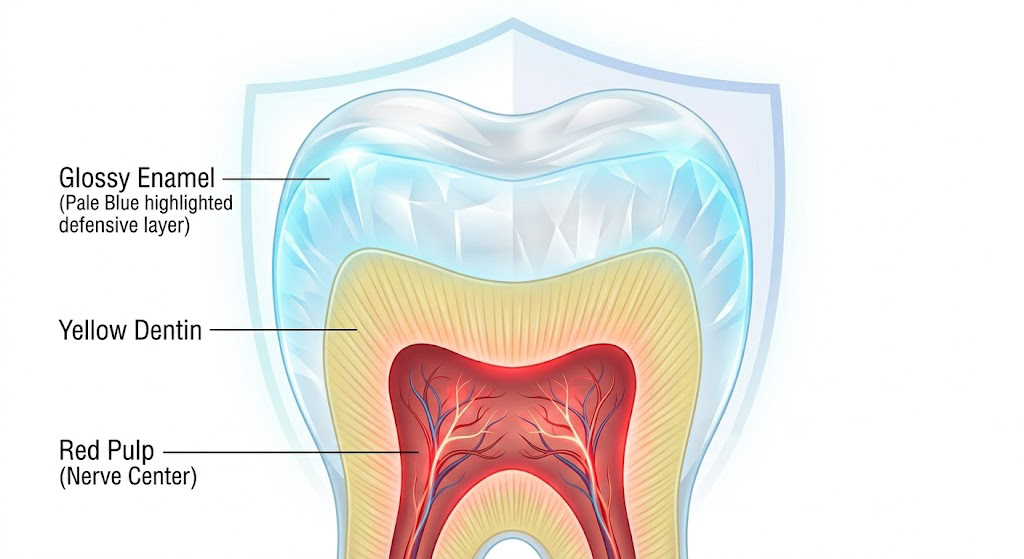
To understand why this habit is so destructive, it helps to look at the structure of a tooth. Tooth enamel is the translucent, outer shell that covers the crown of each tooth. This remarkable tissue ranks as the hardest substance in the human body—even stronger than bone.
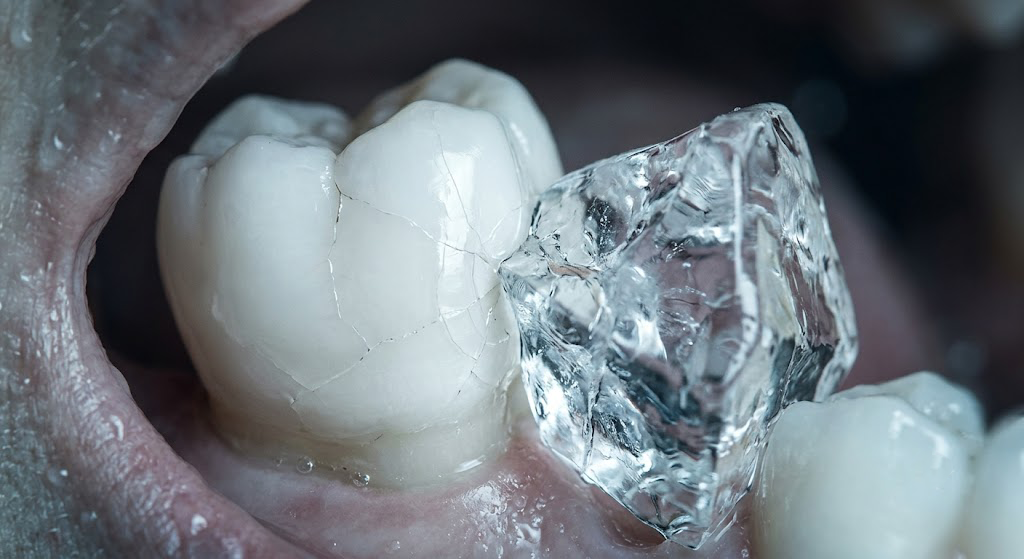
However, despite its immense strength, enamel is not invincible. It is highly brittle and lacks living cells. This means that unlike your skin or bones, tooth enamel cannot regenerate once it suffers a chip, crack, or severe wear. When you subject this brittle shield to the extreme stress of crushing ice, you invite permanent structural damage.
Is Chewing Ice Bad for Your Teeth? The Mechanical Impact
The human jaw is capable of exerting incredible pressure, especially when closing down on something hard. Biting down on a hard ice cube subjects your molars to two major threats: intense pressure and thermal shock.
The Problem of Thermal Shock
When hot or room-temperature teeth suddenly come into contact with freezing ice, they rapidly contract. As the ice melts, the teeth return to room temperature and expand. This rapid fluctuation causes microscopic hairline fractures in the enamel known as “craze lines.” Over time, repeated thermal shock widens these cracks, structurally weakening the entire tooth.
Micro-Fractures and Major Breaks
Aside from the temperature, the sheer hardness of ice creates an aggressive friction. So, is chewing ice bad for your teeth even if they feel strong? Absolutely. Each crunch acts like a mini-sledgehammer.
Eventually, those invisible craze lines turn into visible chips or deep fractures. These severe breaks can split a tooth down to the root, requiring an emergency root canal or extraction.
Beyond Enamel: The Extended Damage to Your Smile
The destruction does not stop at your natural enamel. Frequent ice chewing wreaks havoc on existing dental work and the softer tissues inside your mouth.
- Ruined Dental Restorations: The force of crushing ice easily overpowers fillings, crowns, veneers, and braces. Ice chewing can easily dislodge fillings, fracture porcelain crowns, or break orthodontic brackets.
- Irritation to the Gums and Pulp: Sharp shards of crushed ice can easily puncture or slice sensitive gums. These open wounds invite dangerous bacterial infections. Furthermore, the extreme cold can irritate the pulp, which is the living center of the tooth. This irritation frequently leads to chronic toothaches.
- Chronic Tooth Sensitivity: As enamel erodes, it exposes the underlying layer of the tooth, called dentin. Dentin contains thousands of microscopic tubules leading straight to the tooth’s nerve. Once exposed, eating hot soups or drinking cold water can trigger sharp, shooting pain.
How to Protect Your Enamel and Break the Habit
Breaking a chronic ice-chewing habit often requires a deliberate strategy, as the craving is deeply ingrained. Craving and chewing ice is a medical symptom known as pagophagia. It frequently signals an underlying iron deficiency. If your cravings are intense, it is wise to consult a doctor for a quick blood test.
If it is simply a subconscious habit, you can protect your enamel by swapping ice for safer alternatives:
- Let it Melt: Patiently let the ice melt in your mouth rather than biting down on it.
- Switch to Slush: Opt for shaved ice or soft, pellet-styled “nugget ice” if you cannot resist the texture.
- Find a Substitute Crunch: Chew on crisp celery, carrots, or apples when you need to satisfy a sensory craving.
Maintaining Your Daily Oral Routine
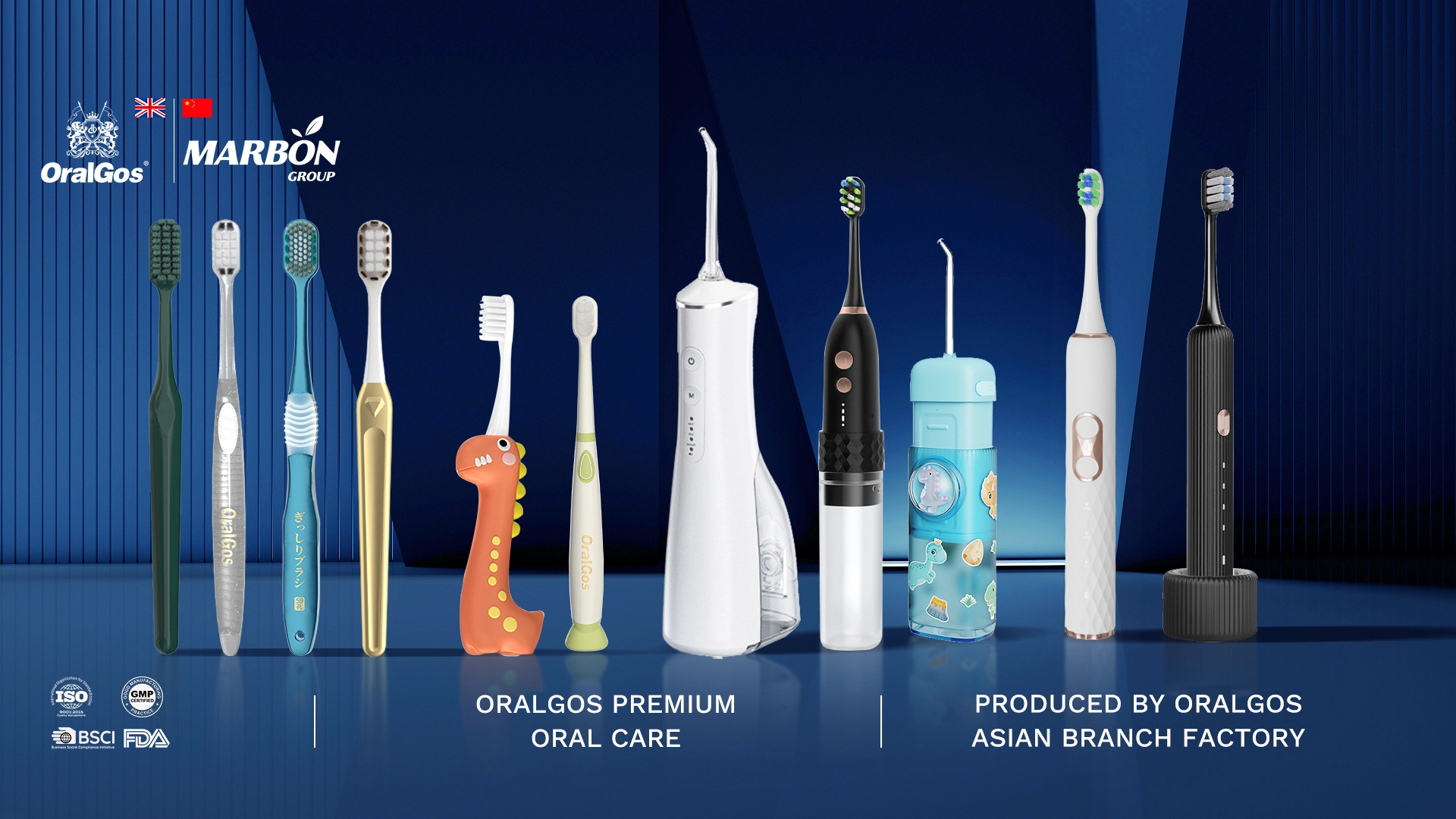
Undoing the subtle wear and tear of past habits requires stepping up your daily oral hygiene. To keep your remaining enamel clean without applying abrasive, damaging pressure, consider upgrading your tools. Choosing a soft-bristled manual toothbrush or an electric option protects your teeth. Both tools gently remove plaque without scrubbing away weakened enamel.
Additionally, if your teeth have become sensitive or slightly misaligned from structural damage, traditional flossing can become painful. A water flosser cleans deeply between compromised teeth without irritating sensitive gums.
Final Thoughts
The short-term joy of a cool crunch is not worth a lifetime of dental pain and costly dental surgery. According to the American Dental Association, it is important to protect your enamel from physical damage. This helps you keep your natural smile for life.
To protect long-term dental health, always leave residual ice cubes in the glass rather than chewing them. Your enamel will thank you.