Upgrading your oral hygiene setup is supposed to leave your mouth feeling fresh, pristine, and healthy. However, if a fresh toothbrush leaves your gums sore, inflamed, or bleeding, you are definitely not alone. Many people experience uncomfortable irritation and notice that their gums hurt after new toothbrush adoption. Though common and temporary, knowing why this happens helps prevent lasting damage to your delicate gums.
This guide covers why your gums react, how to soothe soreness, and how the right bristles make a difference.
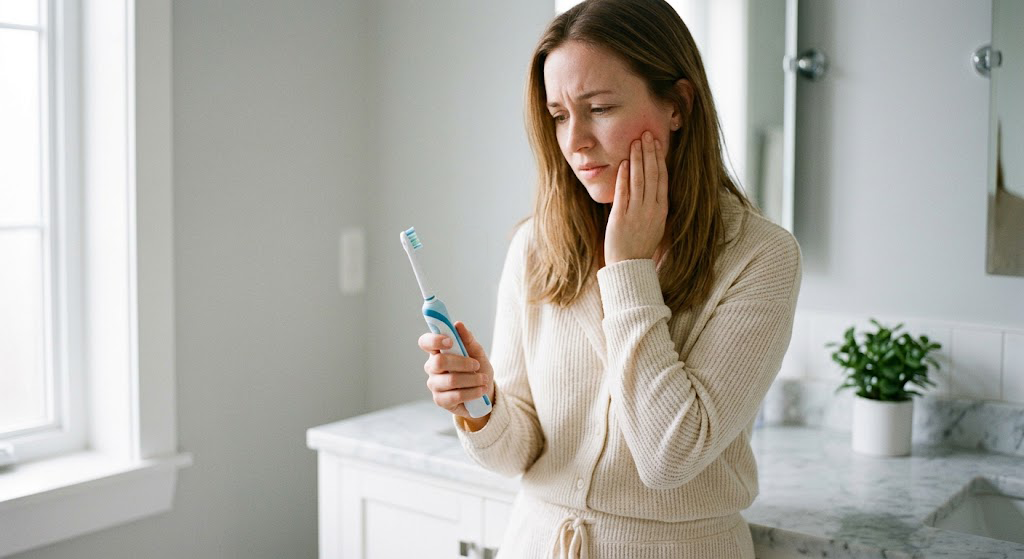
Top Reasons Your Gums Hurt After a New Toothbrush Switch
Switching to a new toothbrush causes an immediate change in your mouth. This is true whether you replace a worn-out manual brush or try a different bristle firmness. Here are the most common reasons why your gums hurt after new toothbrush integration:
1. Harsh Bristle Stiffness and Unrounded Edges
Over time, old toothbrushes become soft and frayed, so they feel gentler on your gums. However, these worn-out bristles no longer clean your teeth effectively. When you switch to a new brush, the new bristles are firm, upright, and structurally rigid. Brushing too hard with stiff new bristles can easily micro-scrape your delicate gum tissue.
2. Excessive Brushing Pressure on Sensitive Gums
Many people simply press too hard when brushing with a fresh, clean tool. Pressing too hard against the gum margin strips away the protective epithelial layer. The American Dental Association emphasizes that proper brushing technique relies on gentle, short strokes rather than forceful scrubbing. Brushing too aggressively is one of the primary reasons why your gums hurt after new toothbrush upgrades.
3. Adapting to New Toothbrush Types or Techniques
Changing bristle firmness or switching to an electric toothbrush requires a short adaptation period for your gums. The mechanical vibrations or stiffer contact points stimulate localized blood flow and tissue sensitivity until the oral mucosa adjusts.
How to Relieve and Prevent Gum Pain After Getting a New Toothbrush
You do not need to suffer through painful morning and evening routines. Follow these simple steps to soothe your gums and stop pain after switching toothbrushes:

1. Switch to High-Density Ultra-Soft Toothbrush Bristles
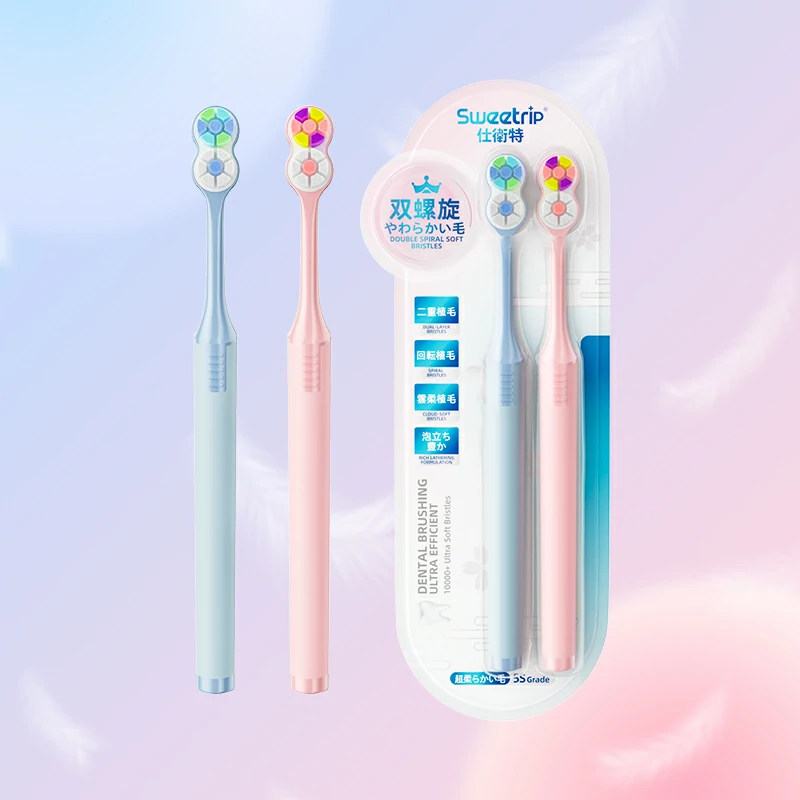
If your current brush feels like sandpaper against your gums, it is time to reassess your choice. High-density, ultra-soft bristles offer thorough plaque removal without causing micro-abrasions. If you have sensitive gums, try the Sweetrip 10000 Bristle Ultra-Soft Toothbrush. Its micro-fine fibers gently massage your tissue while sweeping away debris safely.
2. Adjust Your Brushing Angle to Prevent Gum Irritation
Position your toothbrush bristles at a 45-degree angle pointing toward the gum line. Instead of dragging the brush back and forth in harsh horizontal strokes, use gentle circular motions. Let the tips of the bristles do the work—you should never squash the bristles flat against your teeth.
3. Choose Gentle Toothbrushes Designed for Children
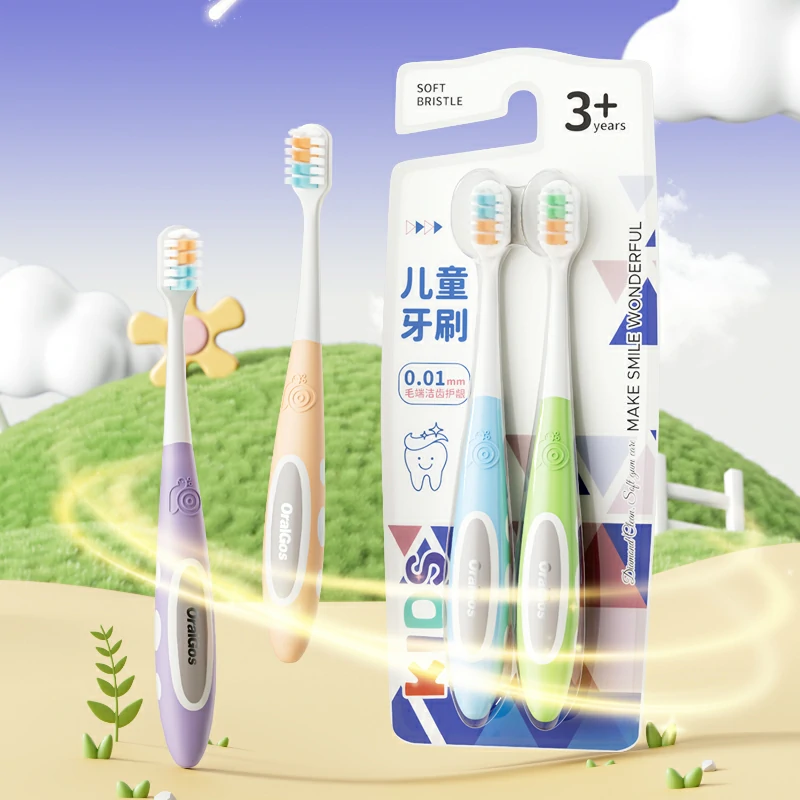
Children have especially delicate oral tissues and developing enamel, making them vulnerable to irritation when switching tools. To prevent discomfort in young brushers, choose dedicated gentle options such as the Super Soft Bristle Toothbrush for Kids. Toddlers often struggle with manual brushing. Innovative options like the Astronaut U-Shaped Kids Electric Toothbrush offer full-coverage cleaning with minimal pressure.
When to See a Dentist for Persistent Gum Soreness
In most cases, minor tenderness should subside within 3 to 7 days as your gums adjust to the new bristles. However, you should see a dentist if pain lasts over a week or includes severe bleeding and swelling. Lingering soreness may point to underlying gingivitis, periodontal inflammation, or an improper brushing habit that requires expert guidance.
Final Thoughts on Toothbrush Transition and Gum Health
Gum pain from a new toothbrush usually means your technique or bristle choice needs adjusting. You can easily protect your smile while keeping it clean. Simply ease your brushing pressure, give your gums a few days to adapt, and switch to an ultra-soft brush.