Maintaining optimal oral hygiene requires more than just brushing. Brushing removes plaque from tooth surfaces. However, interdental cleaning is essential to reach the spaces between teeth where bacteria often accumulate. Traditionally, dental floss has been the go-to tool for cleaning these tight spaces. Water flossers have emerged as an innovative alternative to traditional floss. Many dental professionals now recommend them for promoting better gum health. This article compares water flosser with traditional floss and examines their respective benefits and limitations. It also explains why water flossers are gaining popularity among both consumers and dental professionals.
Understanding Interdental Cleaning for Better Gum Health
Interdental cleaning refers to the removal of plaque and food debris from between teeth. Neglecting these areas can lead to cavities, gingivitis, and eventually more severe gum disease.
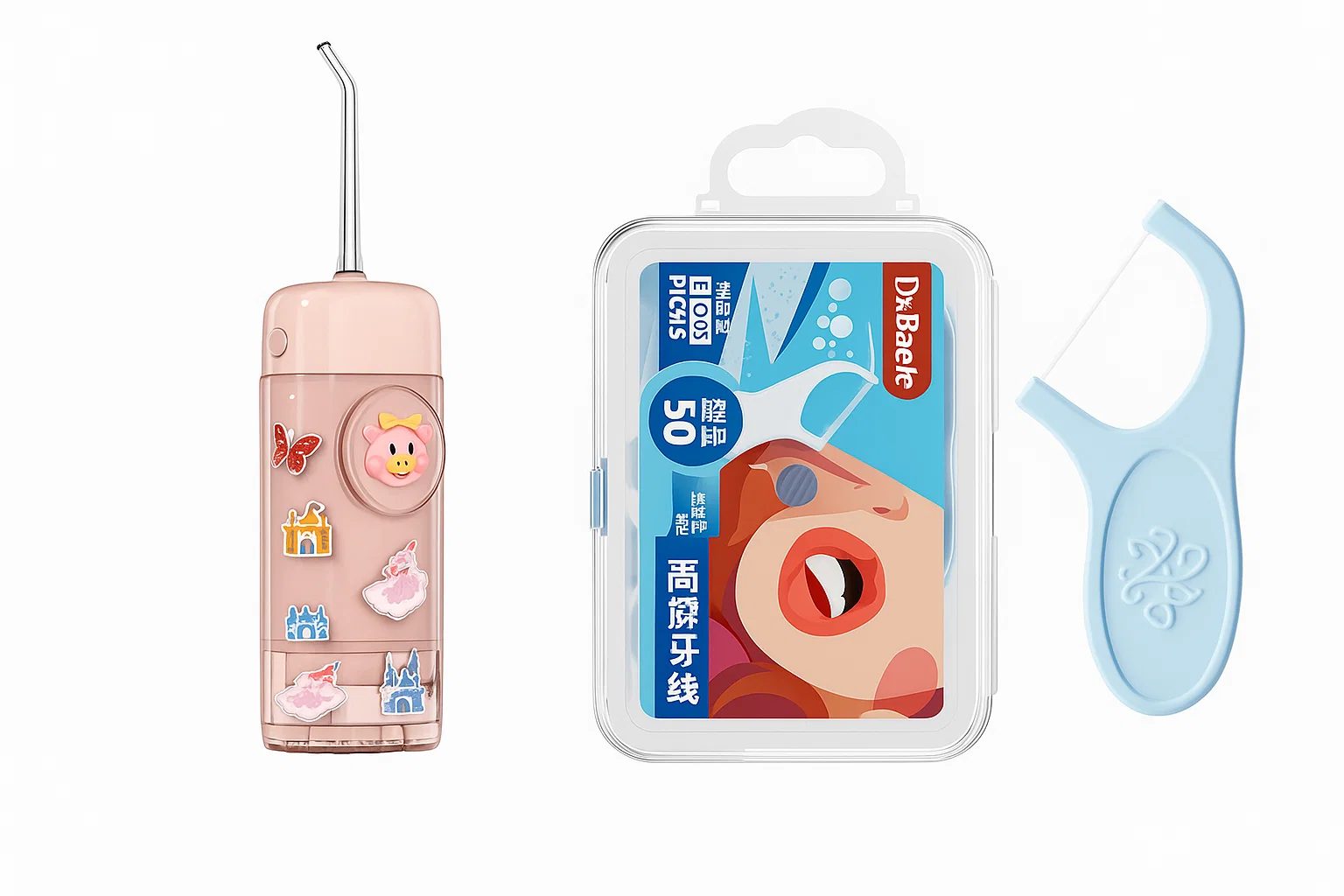
Traditional floss involves sliding a thin string between teeth to mechanically remove debris. While effective, it requires dexterity, patience, and consistent technique. In contrast, water flossers use a pressurized stream of water to remove plaque and gently stimulate the gums. This makes interdental cleaning easier, especially for people with braces, bridges, or limited hand dexterity.
Water Flosser for Effective Interdental Cleaning and Gum Health
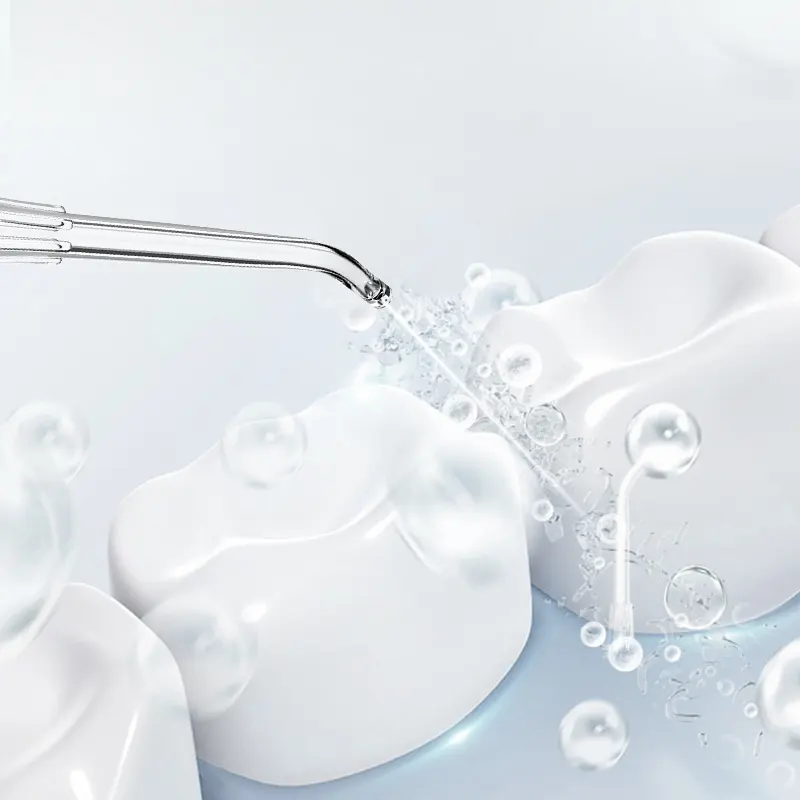
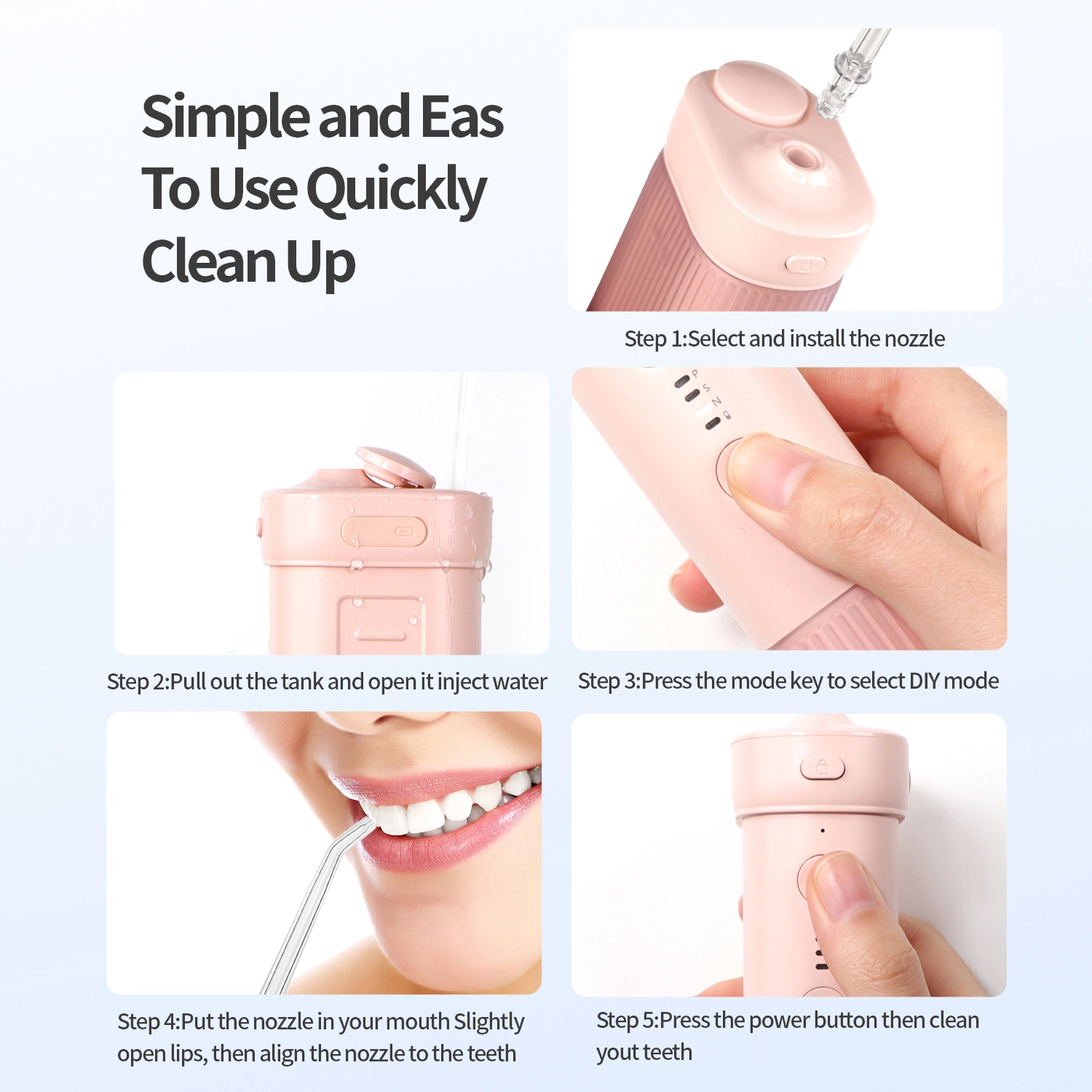
Water flossers improve oral hygiene by sending a focused stream of water between the teeth and along the gumline. Some key benefits include:
- Ease of Use: Unlike traditional floss, water flossers are less technique-sensitive. Most users can achieve thorough cleaning with minimal practice.
- Gentle on Gums: Water flossers are especially helpful for people with sensitive gums or early signs of gum disease. They offer a gentle yet effective cleaning method that reduces bleeding and irritation.
- Enhanced Gum Health: Studies show that using water flossers consistently helps improve gum health. They reduce inflammation and plaque buildup more effectively than traditional floss alone.
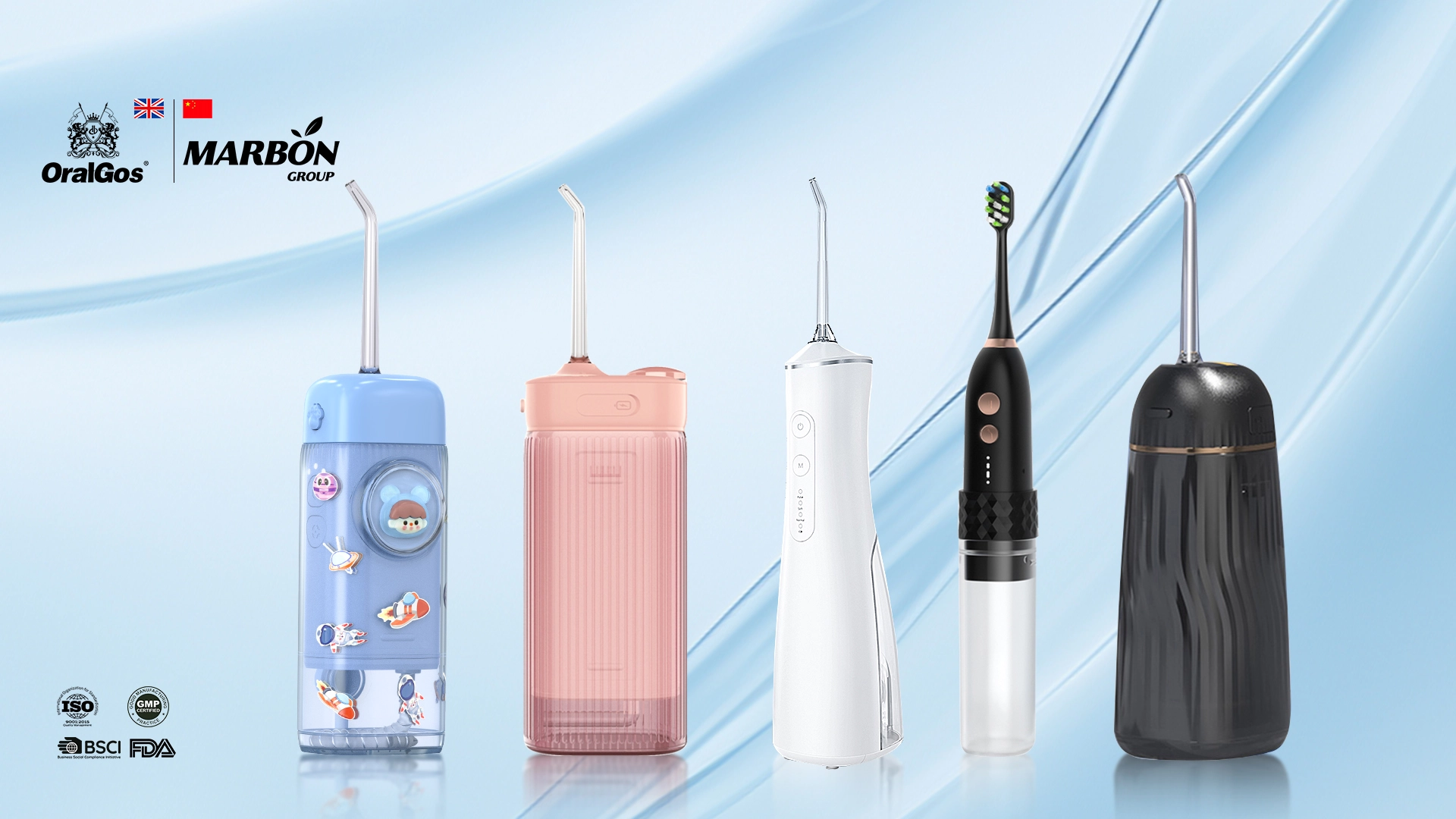
Buyers who want to explore water flossers can visit OralGos’ water flosser collection. The range includes models designed for different oral-care needs.
Traditional Floss and Its Role in Interdental Cleaning
Traditional floss remains widely recommended due to its proven efficacy in removing plaque from tight spaces between teeth. Benefits include:
- Direct Plaque Removal: Proper flossing physically scrapes off plaque, reaching tight contacts between teeth.
- Portability and Cost: Floss is inexpensive, lightweight, and doesn’t require electricity or batteries.
- Long-Term Validation: Decades of dental research support flossing as a cornerstone of oral hygiene.
However, flossing has limitations: it can be cumbersome, uncomfortable for beginners, and difficult to use with dental appliances. These challenges contribute to inconsistent use, limiting its effectiveness in maintaining optimal gum health.
Water Flossers vs Traditional Floss: Impact on Gum Health
| Feature | Water Flosser | Traditional Floss |
|---|---|---|
| Ease of Use | ✅ Simple, even for braces or implants | ⚠️ Requires dexterity and proper technique |
| Gum Health Impact | ✅ Reduces bleeding & inflammation | ⚠️ Can cause irritation if used improperly |
| Cleaning Efficiency | ✅ Effective in hard-to-reach areas | ✅ Effective but technique-dependent |
| Time Required | ✅ Generally quicker | ⚠️ Slower for full-mouth cleaning |
| Cost | ⚠️ Higher initial cost | ✅ Low cost, widely available |
| Portability | ⚠️ Less portable due to device size | ✅ Very portable |
This comparison illustrates why water flossers are increasingly recommended by dental professionals, especially for patients seeking a simpler, more consistent method for interdental cleaning.
Rising Market Potential for Water Flosser in Interdental Cleaning
The oral-care market has observed a significant rise in the adoption of water flossers. Several factors contribute to this growth:
- Consumer Awareness: Increasing education about gum disease prevention has highlighted the importance of thorough interdental cleaning.
- Technological Advancements: Modern water flossers offer adjustable pressure settings, pulsating modes, and compact designs, enhancing usability and appeal.
- Professional Endorsements: Many dentists now recommend using water flossers as part of a daily oral-care routine. They are especially useful for people with braces, implants, or sensitive gums.
Reports show that the water flosser market will keep growing in the coming years. This trend creates a strong business opportunity for oral-care brands and distributors. Companies can take advantage of this trend by educating consumers. Highlighting the convenience and gum health benefits of water flossers makes these devices more appealing.
Choosing the Right Interdental Cleaning Tool for Gum Health
When deciding between a water flosser and traditional floss, buyers should consider:
- Oral Health Needs: Individuals with sensitive gums, braces, or implants may benefit more from a water flosser.
- Ease of Use: Consistency is key; a tool that is easier to use often ensures better long-term results.
- Budget: Water flossers may cost more at first. However, they can reduce dental problems over time and help lower overall dental expenses.
For comprehensive guidance, consumers can refer to reliable dental resources such as the American Dental Association (ADA) on interdental cleaning to make informed decisions.
Integrating a Water Flosser into Your Daily Oral-Care Routine
To maximize the benefits of a water flosser:
- Use it after brushing to flush out remaining debris.
- Adjust the pressure according to gum sensitivity.
- Aim for daily use to maintain optimal gum health.
Consistent use not only improves gum condition but also reinforces overall oral hygiene practices. Combining brushing with water flossing addresses plaque comprehensively, supporting long-term oral-care success.
Conclusion
While traditional floss remains effective, water flossers offer a modern, convenient, and gum-friendly alternative for interdental cleaning. Water flossers can reach areas that are hard to clean with traditional methods. They also reduce gum inflammation and make daily oral care easier, which helps prevent gum disease.
Buyers who are exploring different options should consider investing in a water flosser. It offers long-term benefits for personal oral care and can also support professional recommendations. To find quality devices, visit OralGos’ water flosser collection. The range features innovations that improve gum health and make interdental cleaning easier.