
In today’s competitive B2B retail landscape, manufacturers face intense pressure to differentiate themselves. One of the most effective ways to gain a competitive edge is through certification. For retail buyers, certifications are not just symbols of quality. They are a clear assurance that the products meet standards of compliance, reliability, and safety.
Understanding the pivotal role certification plays in retail partnerships can help manufacturers strategically position themselves for long-term success.

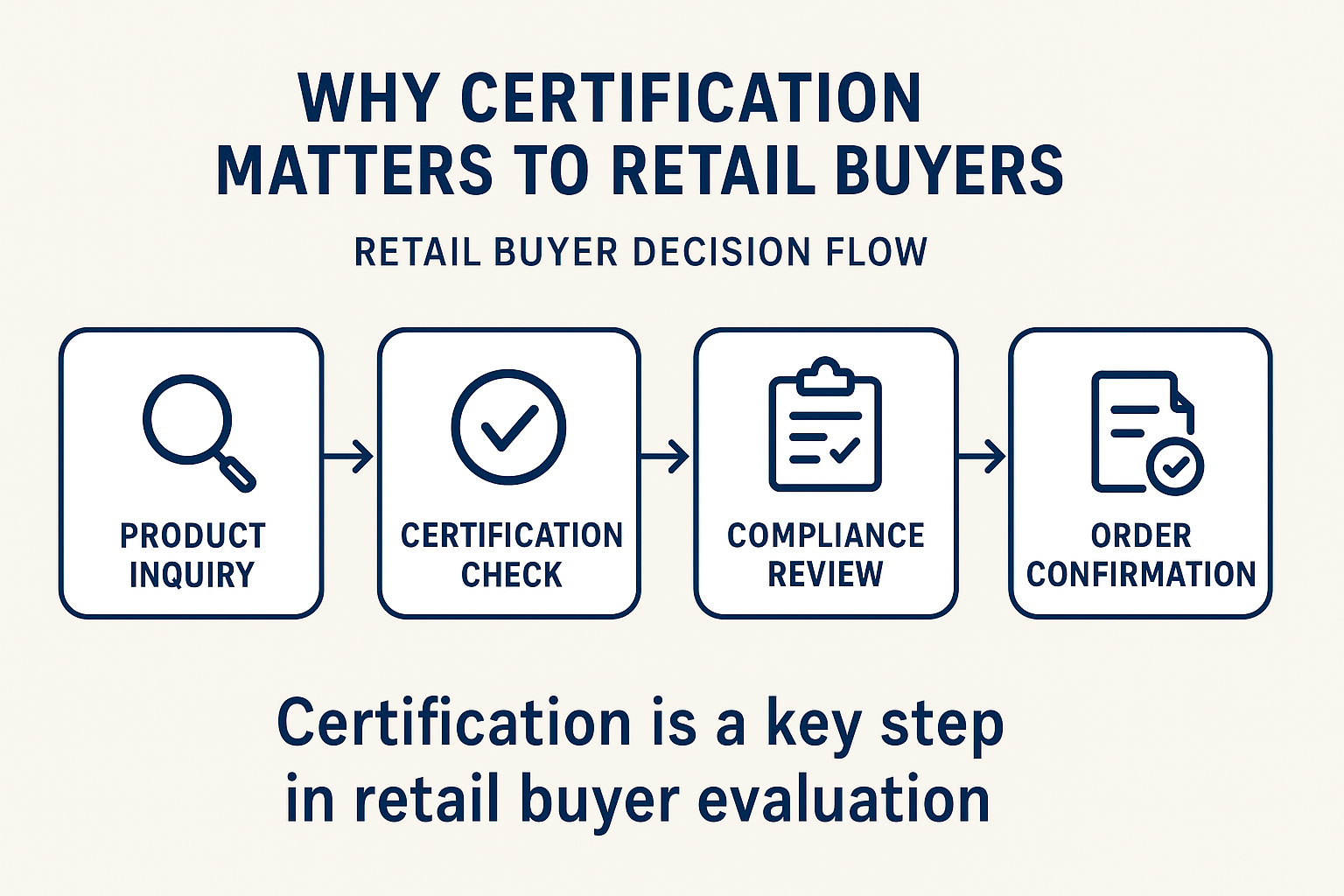
Why Certification Matters to Retail Buyers
Retail buyers are responsible for sourcing products that meet strict safety, quality, and regulatory standards. Their evaluations go beyond price and product details. Retail buyers also consider whether suppliers comply with recognized international standards. Certifications like ISO 9001, FDA approval, and CE marking give clear evidence that a manufacturer consistently meets required standards.
Certified factories show retail buyers that they closely monitor every process, maintain consistent quality, and actively reduce risks. In oral care manufacturing, retail buyers favor suppliers whose certifications guarantee product safety and process consistency. This preference significantly accelerates decision-making, as certified products reduce the need for lengthy audits and additional testing.
Key Certifications That Influence Retail Decisions
Several certifications carry significant weight in the eyes of retail buyers:
- ISO 9001: Focuses on quality management systems, ensuring consistent product quality and process efficiency.
- ISO 22716 (Cosmetics GMP): Particularly relevant for personal care products, highlighting compliance with hygiene and manufacturing best practices.
- FDA Approval or CE Marking: Validates that products meet health, safety, and regulatory standards in target markets.
- Walmart or Tesco Audits: Demonstrates adherence to stringent retailer-specific compliance protocols.
Having these certifications not only satisfies regulatory requirements but also signals credibility, which is a decisive factor for buyers evaluating potential suppliers.
Certification as a Risk Mitigation Tool
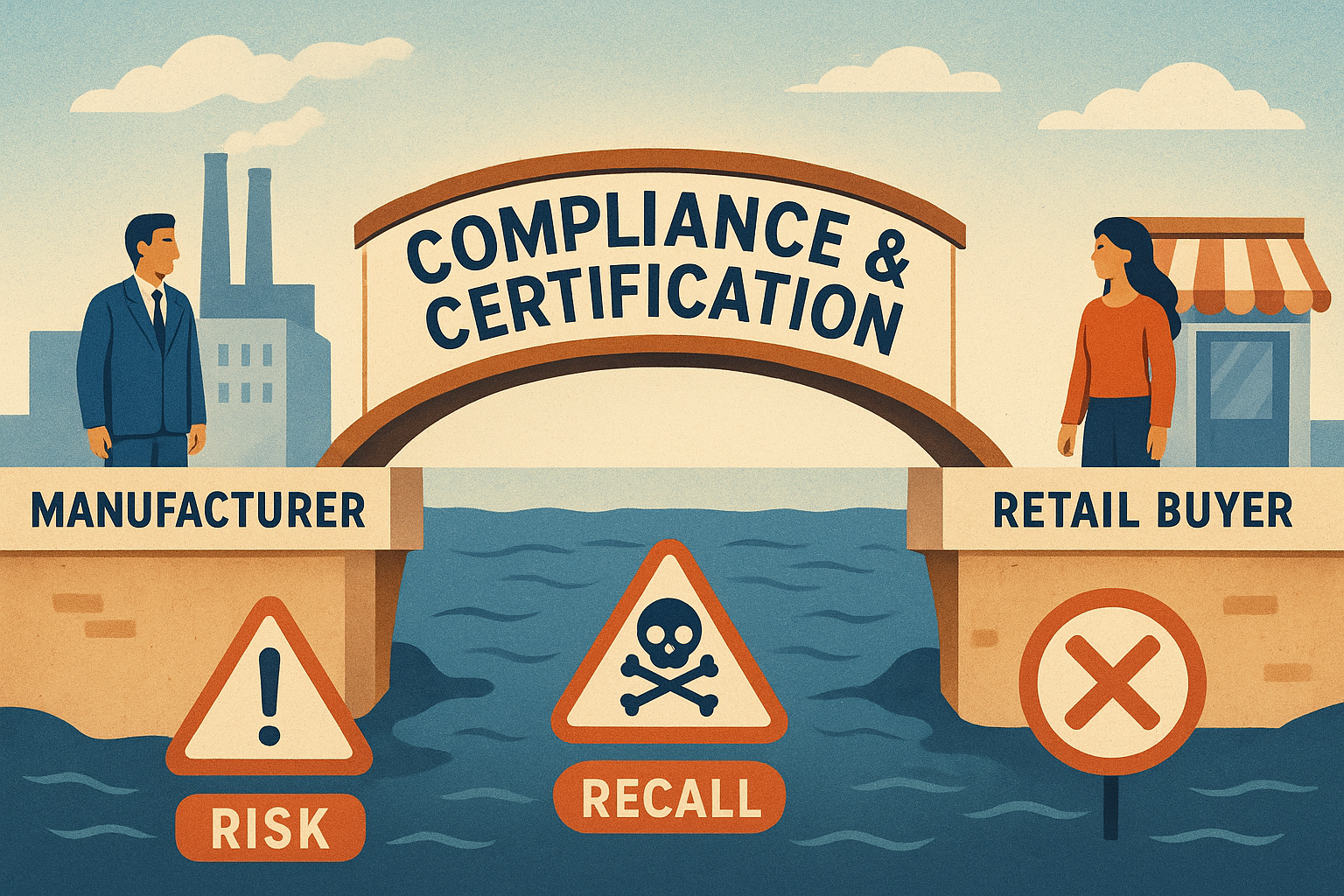
Retail buyers are constantly seeking ways to mitigate risks in their supply chain. Certified manufacturers give buyers confidence that they follow national and international standards. This reduces the risk of product recalls, failures, and legal issues.
From a B2B perspective, compliance certification is a risk management tool. Buyers can confidently place orders, knowing that the supplier follows standardized processes, conducts regular internal audits, and implements continuous quality improvement. This level of trust is difficult to achieve through marketing claims alone.
How Certification Supports Long-Term Retail Relationships
A certified factory not only attracts retail buyers but also fosters long-term partnerships. Certifications build trust and transparency. They help buyers plan product launches and forecast inventory with greater confidence.
For instance, suppliers offering OEM services backed by robust certification frameworks can efficiently scale production while maintaining compliance. Retail buyers prefer working with suppliers who take a proactive approach to quality and regulatory compliance. This attitude helps prevent disruptions and strengthens long-term partnerships.
Certification Enhances Market Competitiveness
In highly competitive industries, certification can be a key differentiator. Buyers often receive multiple proposals for similar products. Certified suppliers stand out because they offer documented assurance of compliance, minimizing the buyer’s due diligence effort.
Moreover, certifications can open doors to new markets. Retail buyers increasingly prefer suppliers with international certifications, as these credentials simplify cross-border transactions and ensure the supplier meets diverse regulatory requirements.
External resources, such as the ISO official site, provide detailed information about the value and scope of certifications, reinforcing why buyers prioritize certified suppliers.
Practical Steps for Manufacturers Seeking Certification
- Assess Regulatory Requirements: Identify certifications relevant to your target retail markets.
- Implement Standardized Processes: Ensure manufacturing operations comply with recognized standards.
- Engage Accredited Auditors: Work with reputable certification bodies to validate compliance.
- Maintain Continuous Improvement: Certification is ongoing; regular audits and updates are essential.
Manufacturers who approach certification strategically not only attract more retail buyers but also create a robust framework for long-term operational excellence.
Conclusion
In B2B retail, certification goes beyond being a marketing tool. It serves as a strategic asset that strongly influences buyer decisions. Retail buyers prioritize certified suppliers because it simplifies risk management, ensures product quality, and demonstrates commitment to regulatory compliance.
Manufacturers that invest in recognized certifications gain stronger credibility with retail buyers. By highlighting these certifications in their communications, they can build lasting partnerships and stay competitive in the market. For brands aiming to scale production without compromising quality, working with certified OEM factories offers a clear competitive edge.
Ultimately, certification is a bridge of trust between manufacturers and retail buyers—a bridge that turns compliance into opportunity.