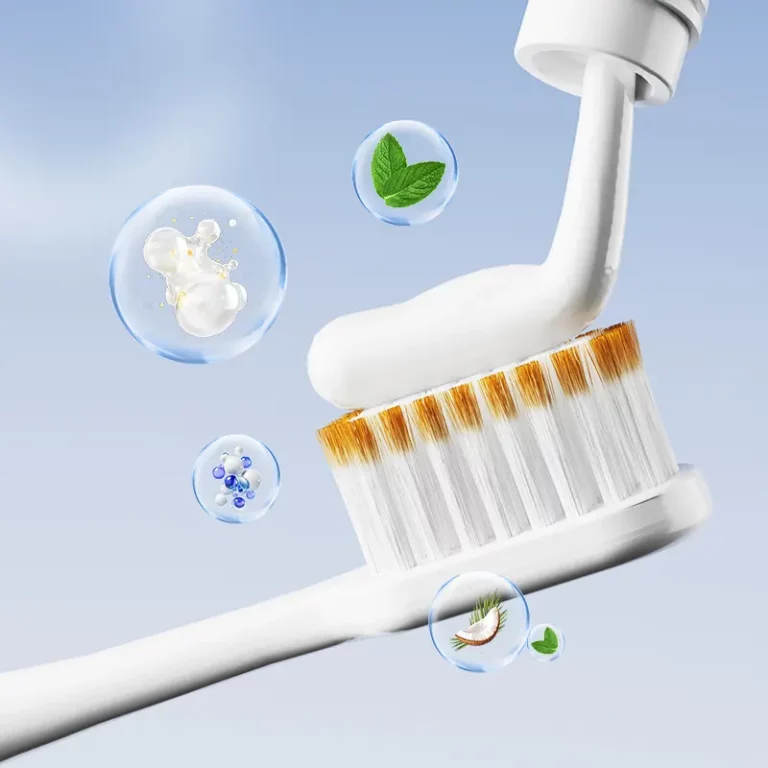
The toothbrush industry has changed rapidly over the past decade. New technologies have transformed traditional designs into electric and even AI-powered smart brushes. Yet, one product continues to dominate worldwide: the manual toothbrush. Despite the surge of high-tech devices, manual brushes still hold the majority of global demand.
Understanding the reasons behind its sustained popularity reveals key insights into global consumer behavior. Let’s explore the economic, cultural, and behavioral forces behind its lasting success.
Understanding the Global Demand for Manual Toothbrushes
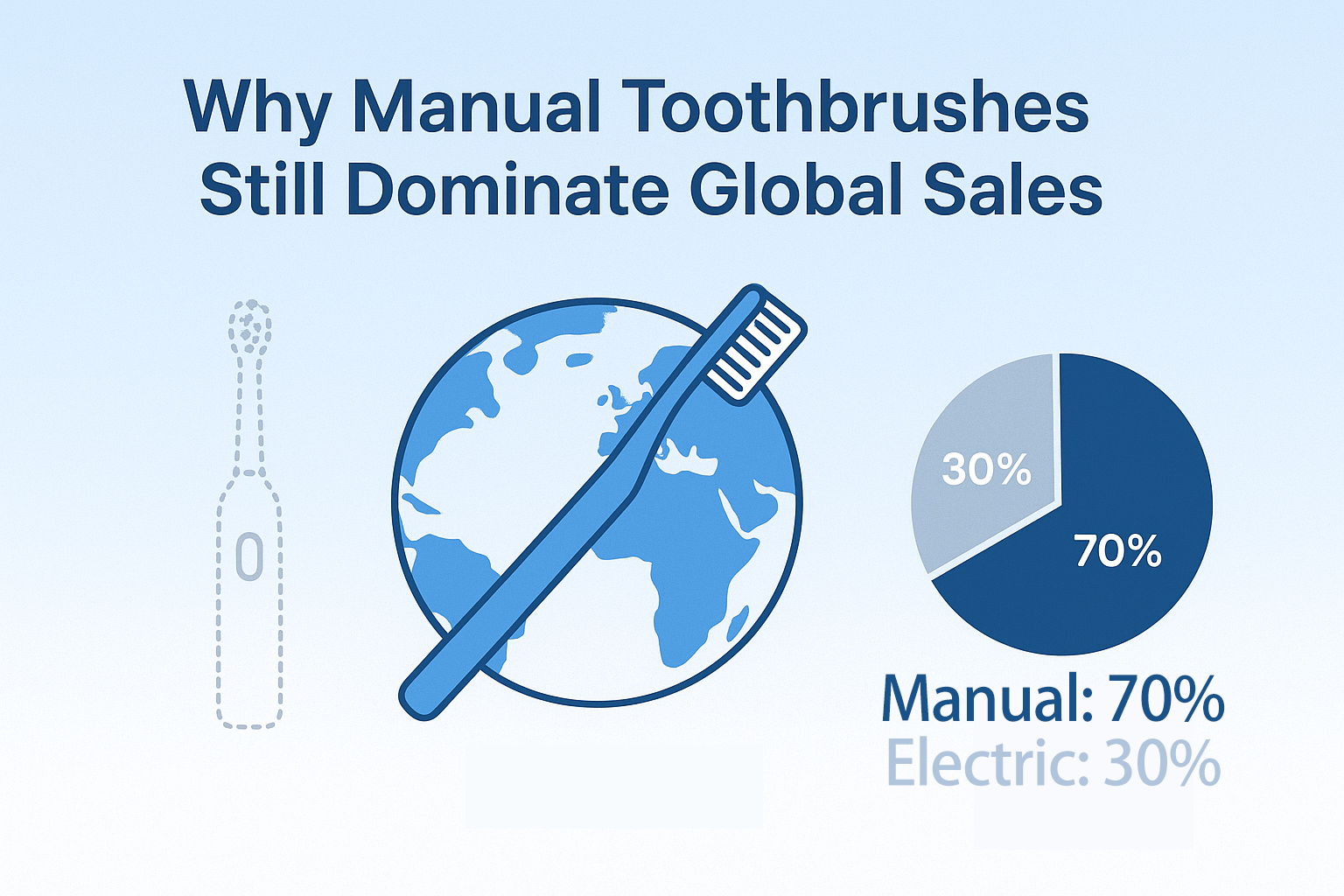
While electric toothbrushes attract media attention and are often marketed as the “modern solution,” statistics tell another story. More than 70% of global oral care consumers still use a manual toothbrush as their main tool for daily cleaning.
Several factors contribute to this sustained global demand:
- Affordability: Manual brushes cost a fraction of electric ones, making them accessible to every socioeconomic group.
- Availability: You can find them in supermarkets, pharmacies, and convenience stores all over the world.
- Simplicity: No charging, no replacement heads, and no technology barriers.
- Cultural familiarity: Manual brushing is a daily ritual deeply rooted in human habits.
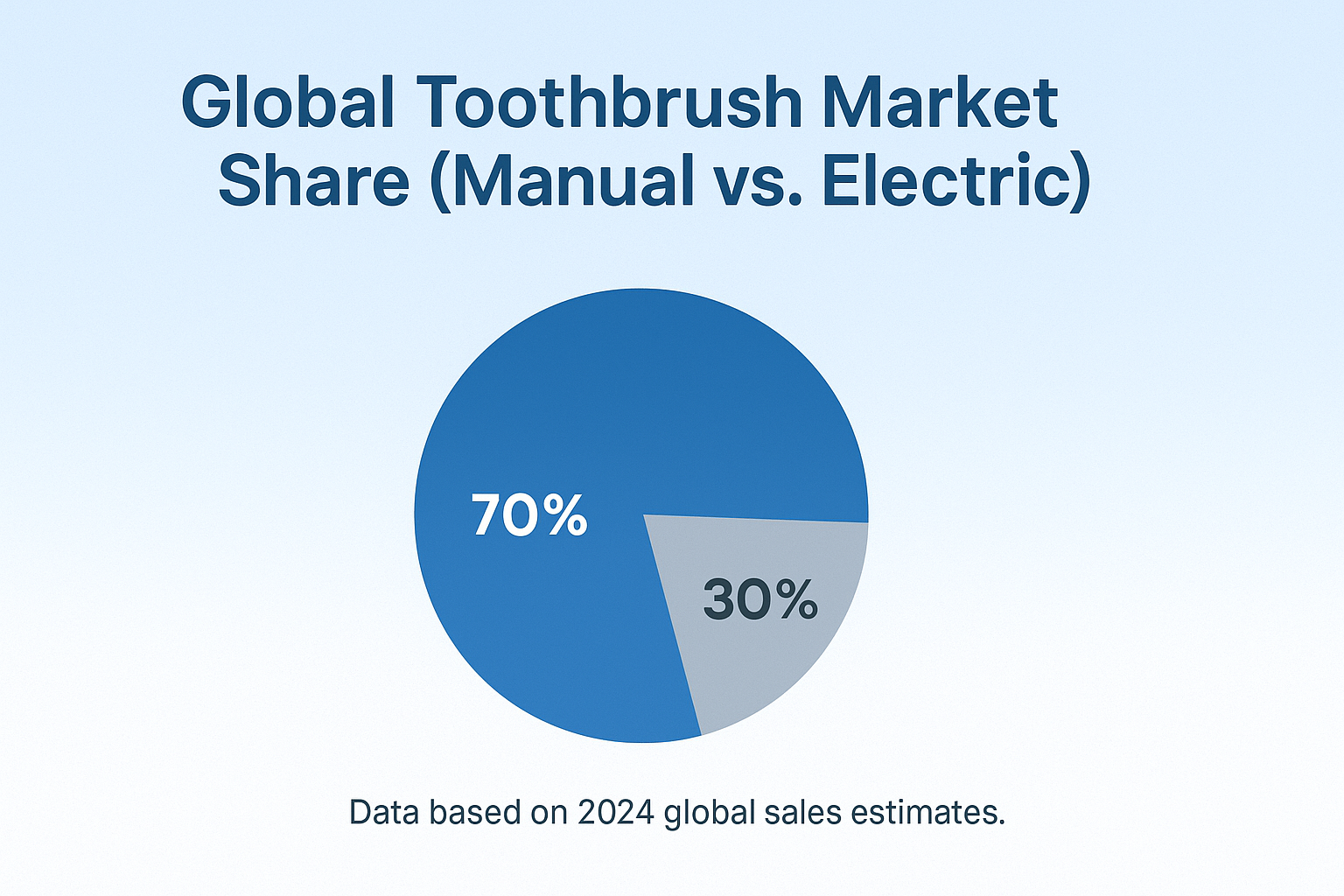
In emerging markets like Southeast Asia, Africa, and Latin America, cost remains the most influential factor. Even in high-income countries, travelers and students often prefer manual toothbrushes for convenience and portability.
Explore OralGos’ manual toothbrush collection for a range of globally popular designs.
Economic Factors Driving Manual Toothbrush Popularity
Economic stability and production efficiency directly drive the global demand for manual toothbrushes. Manufacturers can produce millions of units at low cost while maintaining consistent quality.
Moreover, private-label and OEM (Original Equipment Manufacturer) opportunities further boost this segment. For oral care brands, manual toothbrushes offer:
- Low MOQ flexibility (minimum order quantity), allowing smaller brands to enter the market easily.
- High customization potential for handle design, bristle type, and packaging.
- Steady retail turnover, thanks to affordable pricing and short replacement cycles (every 3 months).
As a result, the manual toothbrush market remains an essential pillar in the oral care supply chain.
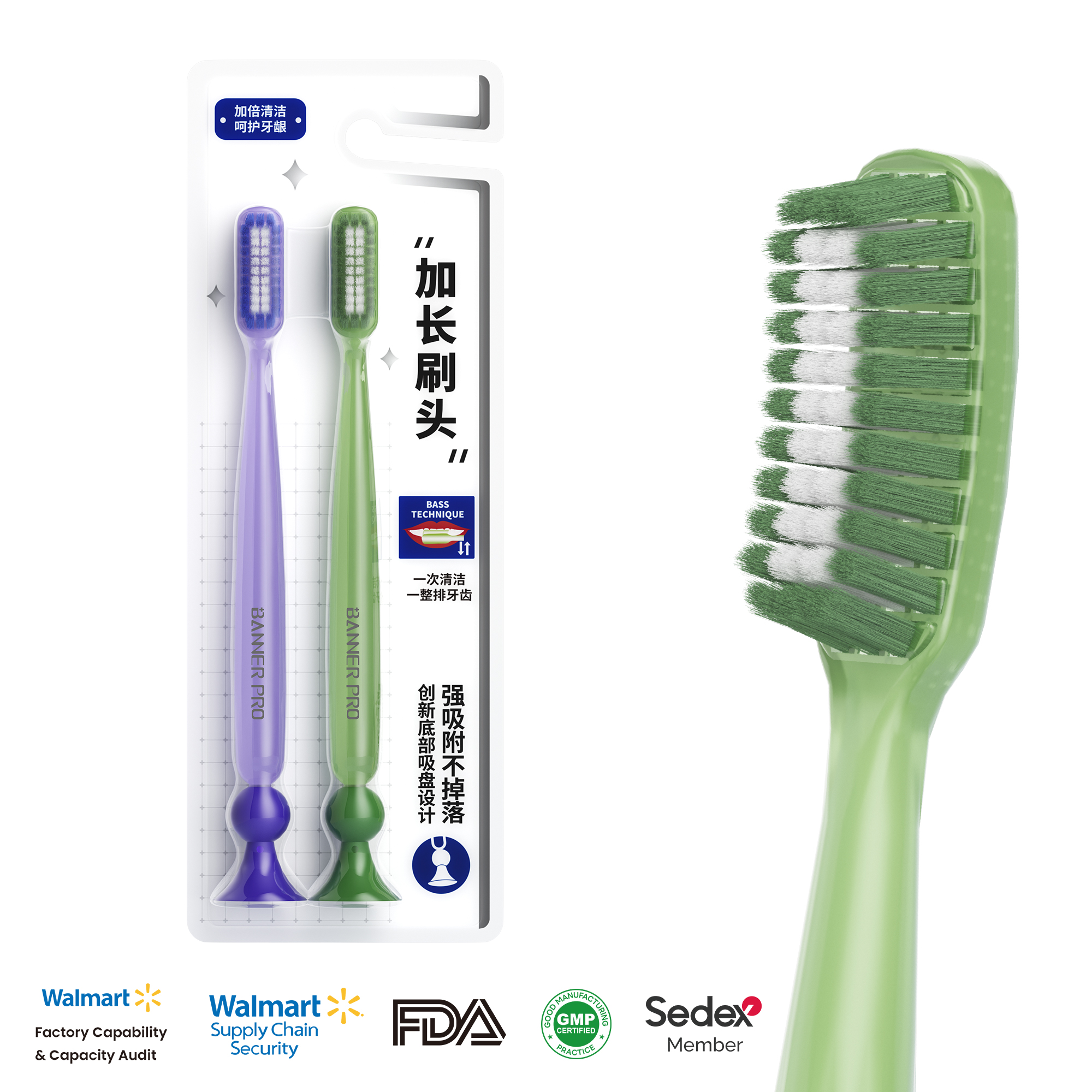
Check out the Long-Head Arc-Shaped Toothbrush — a design that combines ergonomic comfort with classic manual brushing efficiency.
Consumer Behavior: Why the Manual Toothbrush Endures
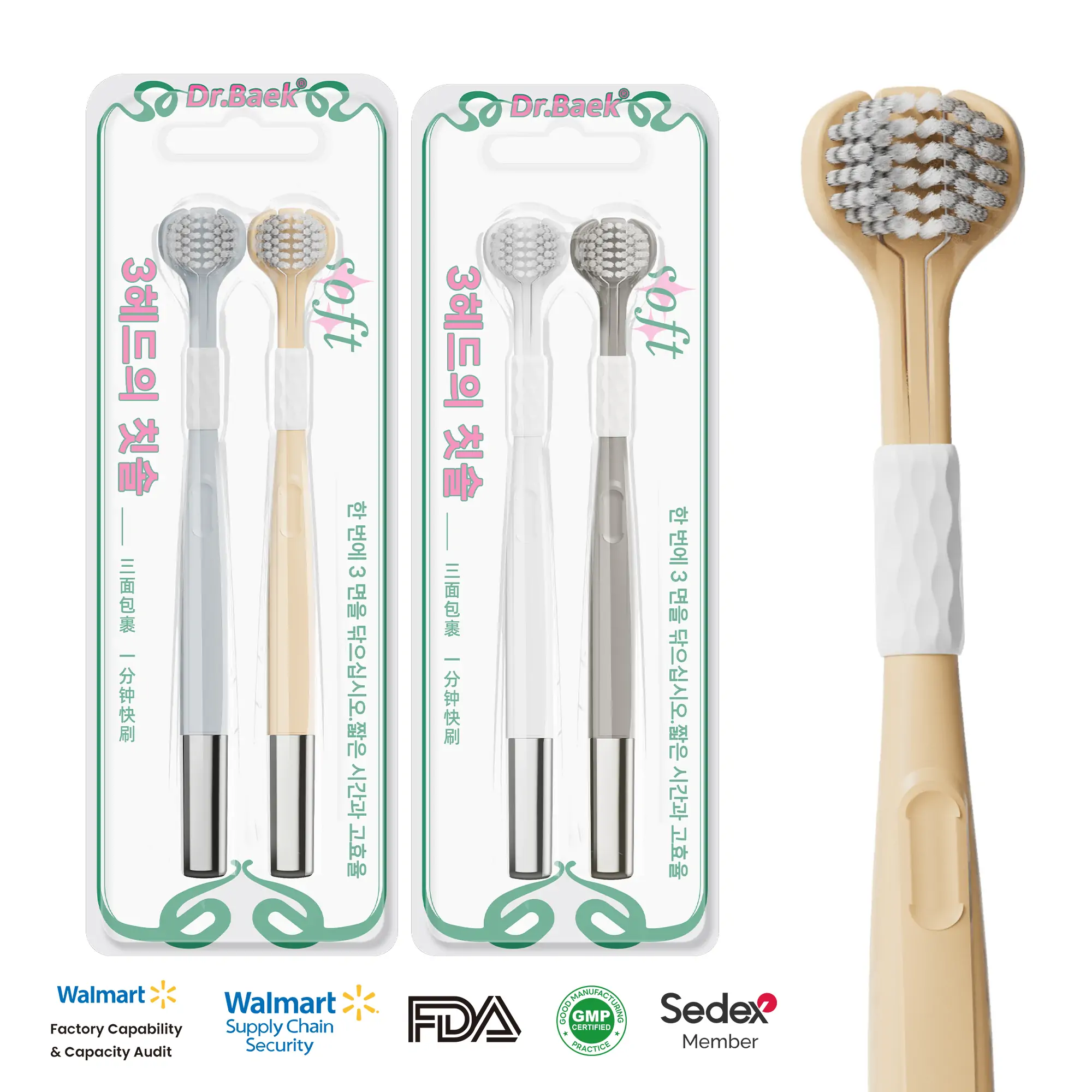
Even as oral care awareness grows, many consumers remain loyal to manual brushing. Behavioral research suggests that habit plays a powerful role. The average person has brushed manually for decades — switching to electric requires both cost and psychological adjustment.
Additionally, many consumers perceive manual brushes as more controllable. They allow users to adjust pressure intuitively and target specific areas of the mouth. Dentists often recommend them for individuals with gum sensitivity or orthodontic appliances.
Manual brushes also excel in portability. For frequent travelers, a manual toothbrush offers hygiene confidence without the hassle of charging cables or battery life concerns.
Explore the 3-Sided Toothbrush for Luxury Household Use — an innovative take on the manual brushing experience.
Sustainability and Material Innovation in Manual Toothbrushes
Environmental awareness is another reason manual toothbrushes continue to evolve rather than disappear. Leading manufacturers are integrating eco-friendly materials such as bamboo, biodegradable plastics, and recyclable nylon bristles.
Sustainability-conscious consumers increasingly view manual brushes as a greener alternative to electric models, which require energy, metal parts, and complex recycling processes.
Furthermore, many oral care companies now collaborate with OEM partners to develop manual brushes with sustainable packaging and renewable materials. This strategy not only satisfies environmental regulations but also strengthens brand reputation in global markets.
Market Outlook: The Future of Manual Toothbrush Global Demand
The manual toothbrush market is expected to maintain a stable growth rate through 2030. Although electric toothbrush adoption will rise in developed countries, manual brushes will continue to dominate in total volume due to their accessibility and adaptability.
Brands investing in ergonomic design, advanced bristle technologies, and eco-materials can expect solid returns in this category. For example, the OralGos range showcases how modern design can refresh a classic concept while keeping costs competitive.
According to Grand View Research, manual toothbrushes still account for more than 65% of the global market. This shows how strongly the segment continues to dominate worldwide.
Conclusion: Simplicity That Wins the Market
In an era obsessed with innovation, the manual toothbrush stands as proof that simplicity can outperform complexity. Its universal affordability, proven effectiveness, and sustainable evolution ensure it remains at the heart of global demand.
For oral care brands, the lesson is clear: while technology excites, reliability sells. And in that sense, the humble manual toothbrush continues to brush past its competition — one smile at a time.