As global awareness of sustainability increases, sustainable oral care is evolving beyond a simple marketing term. It is now a key driver of innovation in packaging, product design, and corporate responsibility. As demand for eco packaging grows, consumers are choosing brands that share their environmental values. Meanwhile, stricter government policies are pushing the industry toward reduced plastic use.
In this evolving market, quick adaptation helps oral care brands stay compliant and stay ahead.

Why Sustainable Oral Care Matters
Every year, the oral care industry produces millions of plastic items—such as toothbrushes, toothpaste tubes, and blister packs. Unfortunately, most of them still end up in landfills or the ocean. This waste problem has pushed manufacturers toward sustainable oral care solutions—using renewable materials, biodegradable plastics, and refill systems.
Brands are also recognizing that sustainability adds value. According to a 2024 report by Global Cosmetic Insights, 67% of consumers would pay extra for eco packaging. This shift reflects a growing belief that greener packaging helps protect the environment. In other words, sustainability is now a competitive advantage, not an afterthought.
Innovations in Eco Packaging for Sustainable Oral Care
Bioplastics and Compostable Films in Eco Packaging
Recent advances in eco packaging materials have transformed how oral care products are produced and presented. Bioplastics made from sugarcane, corn starch, or cassava now offer comparable durability to conventional plastics—but with significantly lower carbon footprints. These materials naturally degrade or can be composted in industrial facilities.
For example, several European toothpaste brands now use sugarcane-based polyethylene tubes, which reduce lifecycle emissions by nearly 50%. Likewise, paper-based blister packs for toothbrushes are replacing petroleum plastics, allowing easy recycling through standard paper streams.

Refillable and Solid Formats for Sustainable Oral Care
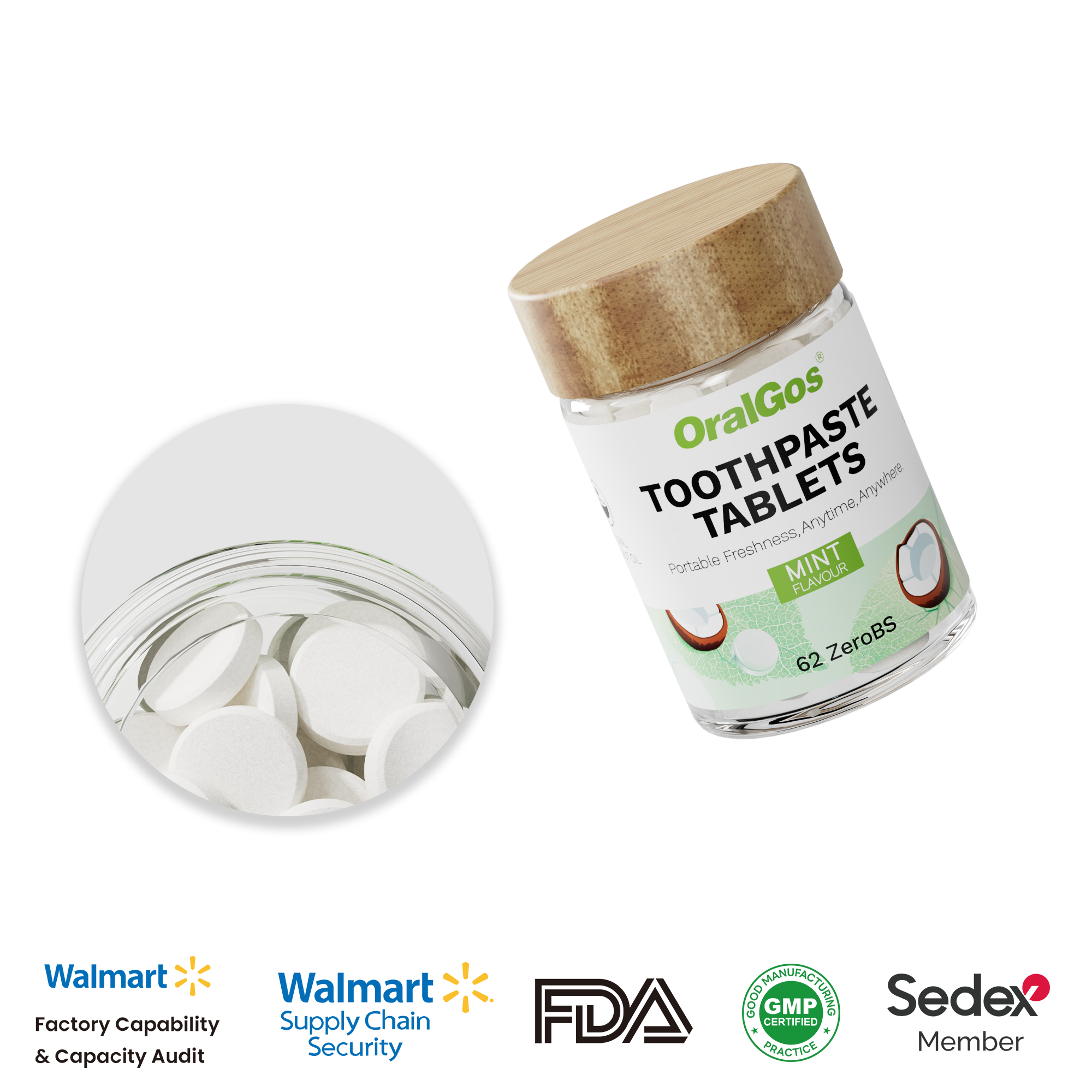
Another major shift is toward refillable systems and waterless products. Toothpaste tablets—like ZeroBS Toothpaste Tablets (Mint Flavor)—are a perfect example. They eliminate the need for plastic tubes and reduce packaging volume by up to 80%. Such innovations align perfectly with the sustainable oral care concept, providing both eco benefits and travel convenience.
Refill pods for mouthwash and concentrated toothpaste gels are also trending, particularly in Japan and Scandinavia. These compact formats minimize shipping emissions and waste while maintaining hygiene standards.
Regulatory Changes Driving the Shift in Eco Packaging
Global regulations are rapidly shaping the future of eco packaging.
- European Union Packaging and Packaging Waste Regulation (PPWR): Requires all packaging to be recyclable or reusable by 2030.
- U.S. Plastic Pollution Reduction Act: Encourages extended producer responsibility (EPR), making brands accountable for end-of-life disposal.
- China’s Green Product Certification (CQC): Promotes low-carbon, recyclable materials for personal care packaging.
These policies pressure oral care brands to innovate while ensuring traceability and compliance. Companies that adapt early will avoid costly redesigns later and gain a competitive edge in sustainability reporting.
The Role of Technology in Sustainable Oral Care Design
Digital manufacturing tools such as 3D prototyping and life cycle assessment (LCA) software now allow packaging engineers to simulate environmental impact before production. AI-driven material selection platforms can even recommend the most sustainable alternatives based on recyclability and carbon footprint.
For instance, digital twin technology allows manufacturers to redesign a toothpaste tube within days instead of months. This innovation ensures that every eco-friendly package meets both performance and compliance standards. This technological edge helps sustainable oral care brands streamline innovation while reducing costs.
Educating Consumers and Building Brand Loyalty in Eco Packaging
Sustainability only succeeds when consumers understand its value. Brands can use QR codes, recyclable labels, and transparent storytelling to highlight the benefits of eco packaging. When they communicate clearly, they earn stronger consumer trust and loyalty. Research shows that 80% of Gen Z consumers prefer brands that disclose their environmental impact.
To enhance credibility, oral care companies can also collaborate with recognized organizations like the Ellen MacArthur Foundation or participate in Plastic Bank initiatives. These external partnerships not only demonstrate authenticity but also contribute to measurable plastic reduction goals.
The Future Outlook for Sustainable Oral Care
Looking ahead, the convergence of innovation, regulation, and consumer ethics will redefine how the oral care industry approaches packaging. Brands that adopt sustainable oral care strategies early focus on eco packaging, ethical sourcing, and transparent reporting. By taking these steps, they are positioned to lead the next wave of market growth.
By 2030, sustainability will no longer be a trend but an expectation. Refillable containers, fully compostable pouches, and digital recycling tracking will become standard. Forward-thinking companies are already showing what responsible innovation looks like. OralGos, for example, demonstrates this with its tablet-based oral hygiene solutions.
Conclusion
The shift toward sustainable oral care goes beyond simply reducing plastic. It involves redesigning the entire product lifecycle to create a cleaner and smarter future. From new eco packaging materials to global policy shifts, the movement is accelerating. For oral care brands, the time to act is now: sustainability is not just good for the planet—it’s good for business.