In toothbrush production, bristle selection plays a decisive role in shaping product performance, lifespan, and sustainability outcomes. Bristles determine how a toothbrush feels in the user’s hand, how effectively it removes plaque, and how long it maintains its form. This guide compares key toothbrush bristle materials and shows how to select the right option for your brand and production needs.
1. What Are Toothbrush Bristles Made Of?
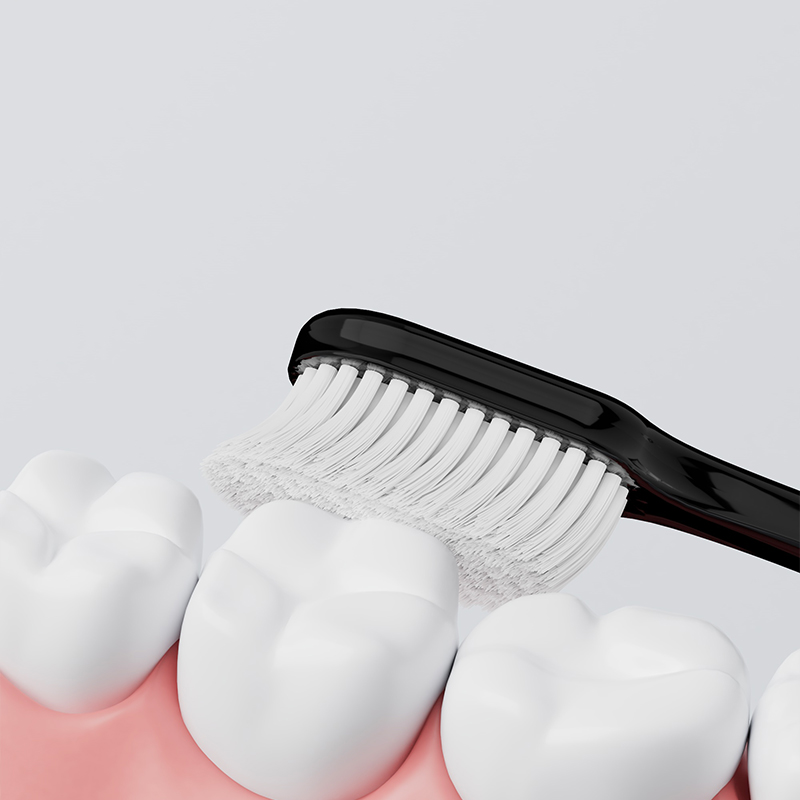
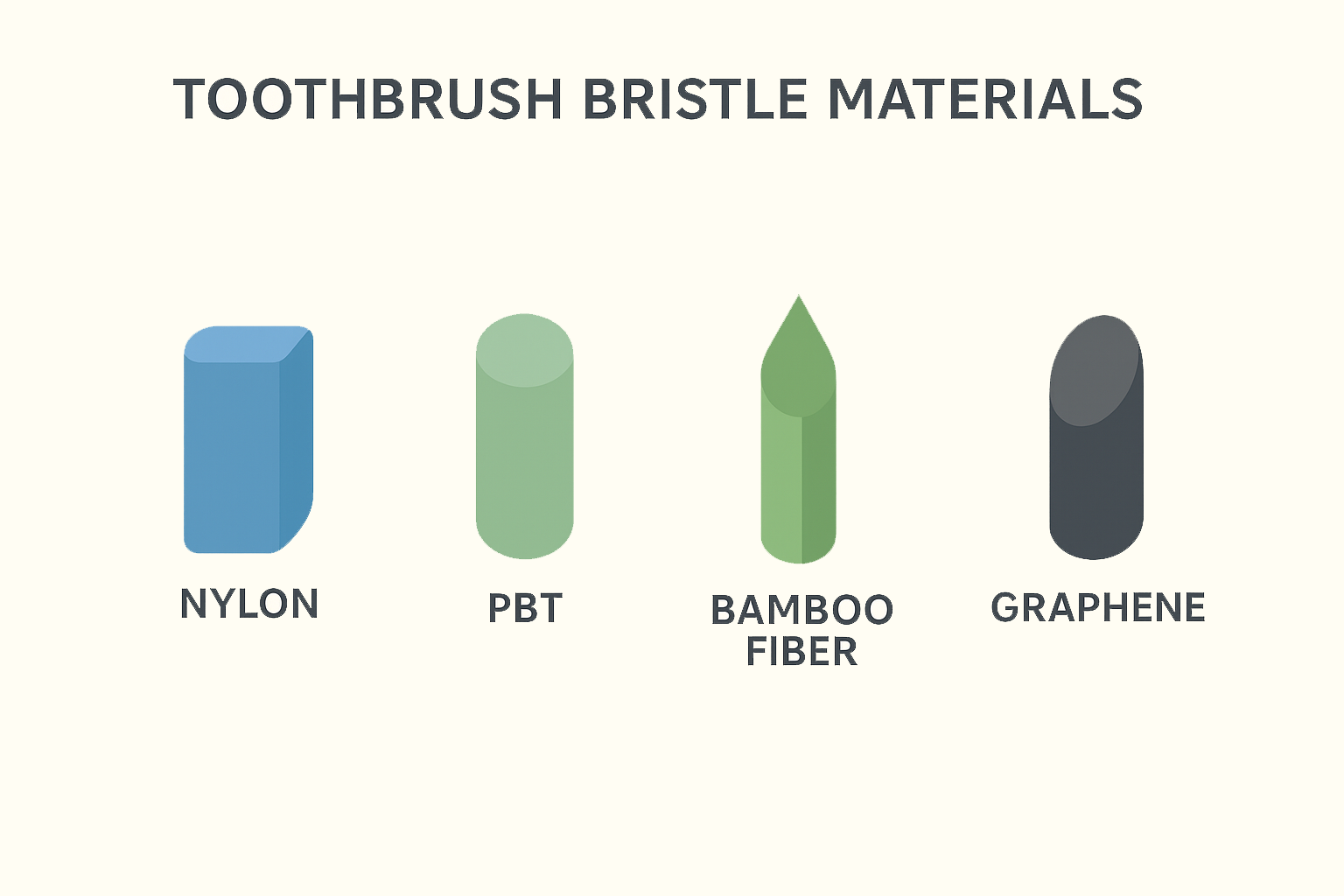
Most modern toothbrush bristles are made from synthetic materials such as nylon, PBT, or polyester blends. Each has distinct physical and functional characteristics. Nylon offers flexibility and resilience. PBT is softer and more water-resistant, which makes it ideal for high-speed electric toothbrushes.
In premium and eco-friendly toothbrush lines, natural alternatives are becoming more common. These include bamboo fiber bristles and biodegradable options made from castor oil. These are popular in sustainable product lines but often require technical adjustments to maintain softness and durability.
For inspiration, explore the Oralgos Manual Toothbrush Collection or Electric Toothbrush Collection. You can see how manufacturers apply various bristle materials in real products.
2. Main Types of Toothbrush Bristles and Their Features
Let’s look at the most common bristle types used in professional oral care manufacturing.
| Bristle Type | Advantages | Disadvantages | Best for / Typical Use |
|---|---|---|---|
| Nylon Bristles | – Excellent flexibility and quick recovery after deformation – Durable, affordable, and easy to shape or color – Available in varied diameters for soft to medium brushing | – Absorbs some water over time – May wear faster in humid environments | Mass-produced manual toothbrushes and customizable OEM lines |
| PBT (Polybutylene Terephthalate) Bristles | – Soft, resilient, and maintains shape under vibration – Low water absorption and high comfort level – Retains softness even after extended use | – Slightly higher production cost than nylon | Premium sonic or electric toothbrushes emphasizing comfort and durability |
| Charcoal-Infused Bristles | – Natural antibacterial and deodorizing effect – Distinct dark color enhances whitening product appeal – Compatible with nylon or PBT for better structure | – Efficacy depends on charcoal concentration and manufacturing consistency | Whitening, detox, or antibacterial toothbrush series |
| Graphene-Infused Bristles | – Strong antibacterial and anti-static properties – Exceptional wear resistance and structural integrity – Enhances hygiene claims for high-end products | – Requires precise dispersion during manufacturing – Higher material cost | Innovative or high-tech toothbrush models focused on hygiene |
| Bamboo Fiber / Biodegradable Bristles | – Eco-friendly and biodegradable -Made from renewable plant sources – Ideal for sustainable or zero-waste branding | – Lower flexibility and durability – Limited heat resistance, may fray faster | Eco-conscious and travel toothbrush collections |
a. Nylon Toothbrush Bristles: Durability and Customization
Nylon remains the industry standard for manual toothbrushes. It offers excellent flexibility, quick recovery after deformation, and consistent performance over time.
Pros: Combines durability, affordability, and flexibility in both coloration and form.
Cons: Its tendency to absorb water can lead to quicker bristle degradation, especially in moist environments.
Manufacturers widely use nylon bristles in mass production because they find them easy to customize. Manufacturers can adjust the filament diameter, tip finish, and shape to meet different cleaning needs. For example, 0.18 mm soft bristles suit sensitive teeth, while 0.23 mm medium bristles work well for daily brushing.
b. PBT (Polybutylene Terephthalate) Bristles for Electric Toothbrushes
Manufacturers prefer PBT bristles in electric toothbrush head production because of their consistent softness and low moisture absorption.
Pros: Excellent resilience, soft touch, and low water absorption.
Cons: Its production cost is slightly higher than that of nylon, reflecting the enhanced performance of the material.
Many premium oral care brands choose PBT because it maintains its shape even under high-frequency vibration. This stability helps ensure consistent performance and comfort, making it ideal for sonic toothbrushes.
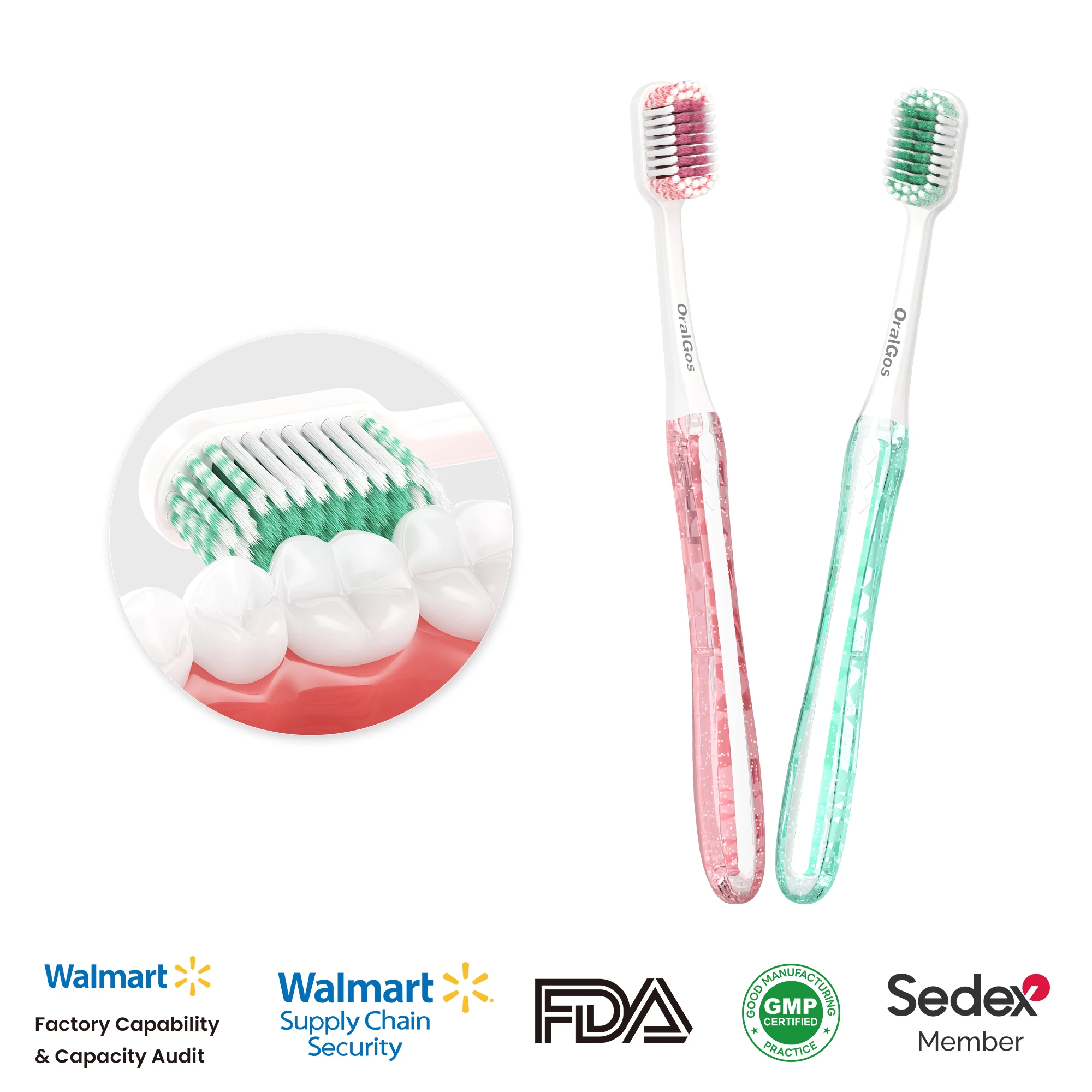
c. Charcoal-Infused Toothbrush Bristles: Whitening and Antibacterial Benefits
Activated charcoal bristles have gained traction for their antibacterial and deodorizing effects. The dark color also helps visually differentiate whitening or detox-focused product lines.
Pros: Natural antibacterial function, aesthetic contrast, marketing appeal.
Cons: Functional claims depend on concentration and manufacturing quality.
Manufacturers often blend them with other materials, such as nylon or PBT, to improve structural stability.
d. Graphene-Infused Bristles: Advanced Antibacterial Technology
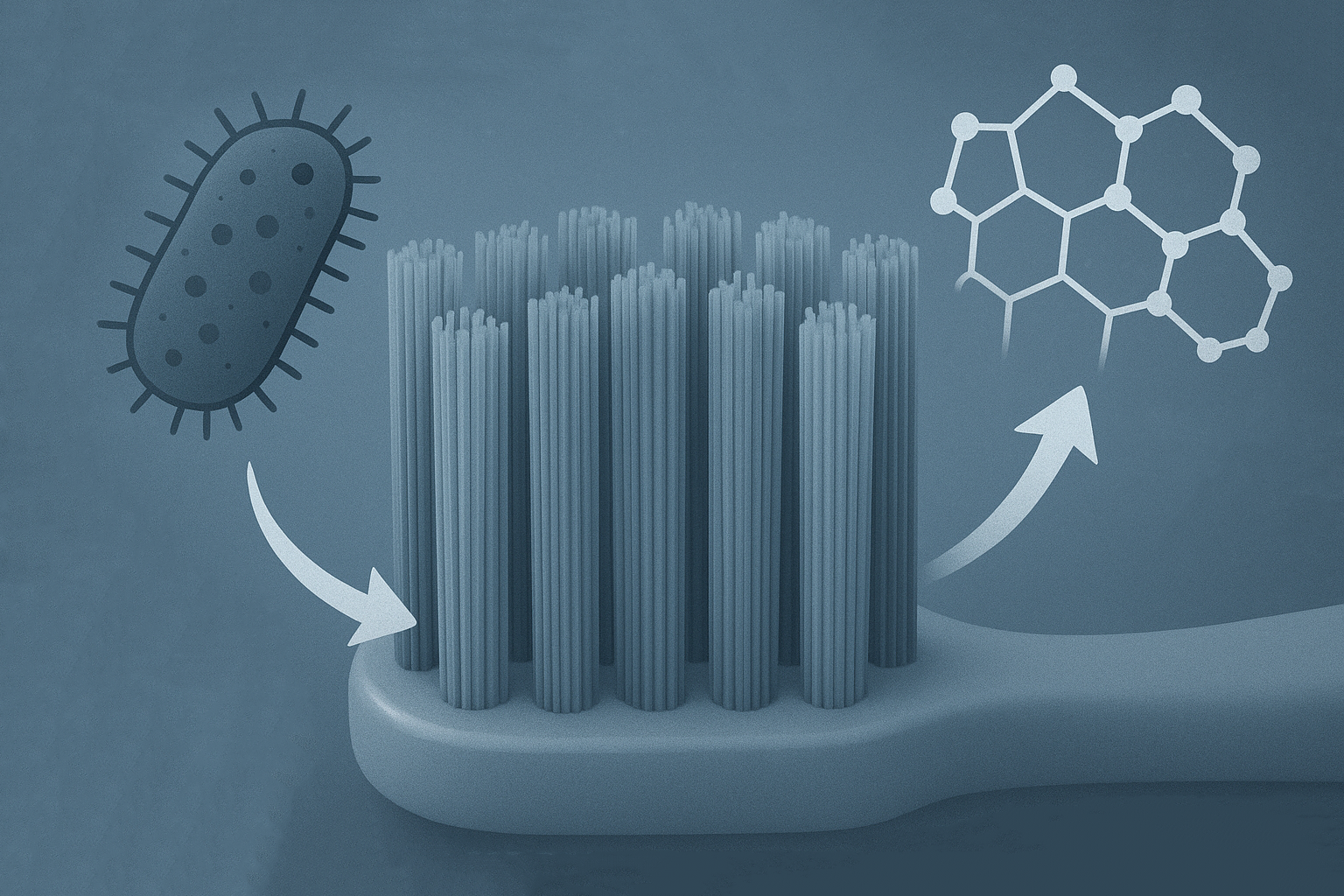
Graphene is an emerging innovation in oral care. This advanced carbon material offers excellent antibacterial and anti-static properties. As detailed in this article, graphene can inhibit bacterial adhesion while improving bristle durability.
Pros: Strong antibacterial activity, anti-static surface, enhanced longevity.
Cons: Requires precision manufacturing to ensure even dispersion.
This high-tech material is reshaping expectations for hygiene-focused toothbrushes.
e. Sustainability-Focused Options: Bio-Based and Biodegradable Bristles
For brands committed to sustainable product development, bio-based and biodegradable bristles offer an environmentally responsible alternative to synthetic materials. Examples include bamboo fiber and castor-oil–derived options, which reduce environmental impact while maintaining reliable performance.
Material Origin:
Manufacturers typically use renewable resources such as castor oil and corn starch to produce these bristles. In particular, they use castor oil to create bio-based nylon alternatives.
Pros:
- Fully biodegradable and suitable for zero-waste packaging concepts.
- Strong compatibility with sustainability-driven branding and growing eco-conscious consumer demand.
Cons:
- Lower heat resistance and reduced durability compared with standard nylon or PBT filaments.
Brands often include them in eco-friendly collections or travel toothbrushes to support green marketing initiatives.
3. Choosing the Right Toothbrush Bristles for Your Brand
Selecting the right bristles depends on several factors:
- Target market: Sensitive-care, whitening, eco, or professional dental categories.
- Production environment: Compatibility with injection molding and tufting methods.
- Cost structure: Balance between premium material and mass-market pricing.
- Brand differentiation: Features like antibacterial function, color effects, or filament shape.
For example, a children’s toothbrush often uses ultra-soft PBT filaments with rounded tips to ensure gentle cleaning. In contrast, an adult whitening toothbrush may include multi-length nylon bristles to enhance plaque removal.
4. Filament Shape, Tapering, and Material Effects
Apart from the material itself, bristle shape and tip design dramatically influence performance.
- Flat-cut bristles ensure consistent contact with tooth surfaces.
- Multi-level bristles reach interdental spaces better.
- Tapered or ultra-fine bristles offer gentle gum cleaning without abrasion.
These micro-design details are often where brands achieve true differentiation in feel and cleaning effect.
5. Bristle Arrangement and Tufting Techniques: What’s Next
The science of toothbrush bristles doesn’t end with material selection. Manufacturers carefully arrange, anchor, and combine the bristles to maximize brushing efficiency and enhance user comfort.
In our next article, we will examine tufting patterns and planting methods in detail. We will also show how innovative combinations can improve toothbrush performance and appearance. Examples include mixed filament density and spiral tufting.
Final Thoughts
Choosing the right bristle type goes beyond a technical decision. It also shapes how users experience your brand in their hands and mouths. Whether you choose durable nylon, soft PBT, or sustainable plant-based fibers, selecting the right material is essential. It ensures both user comfort and effective cleaning performance.
Oralgos’ In-Depth Guide to Toothbrush Manufacturing is an essential resource for brands expanding production. It walks readers through every stage—from bristle material selection and molding to tufting and final assembly. It serves as an essential reference for OEM and Private-Label development teams focused on precision and product quality.