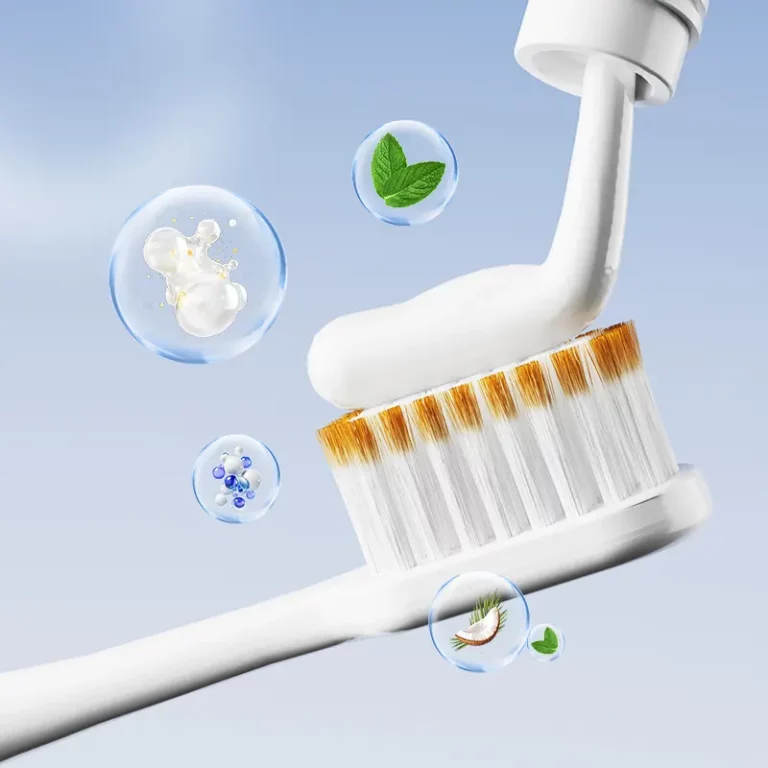
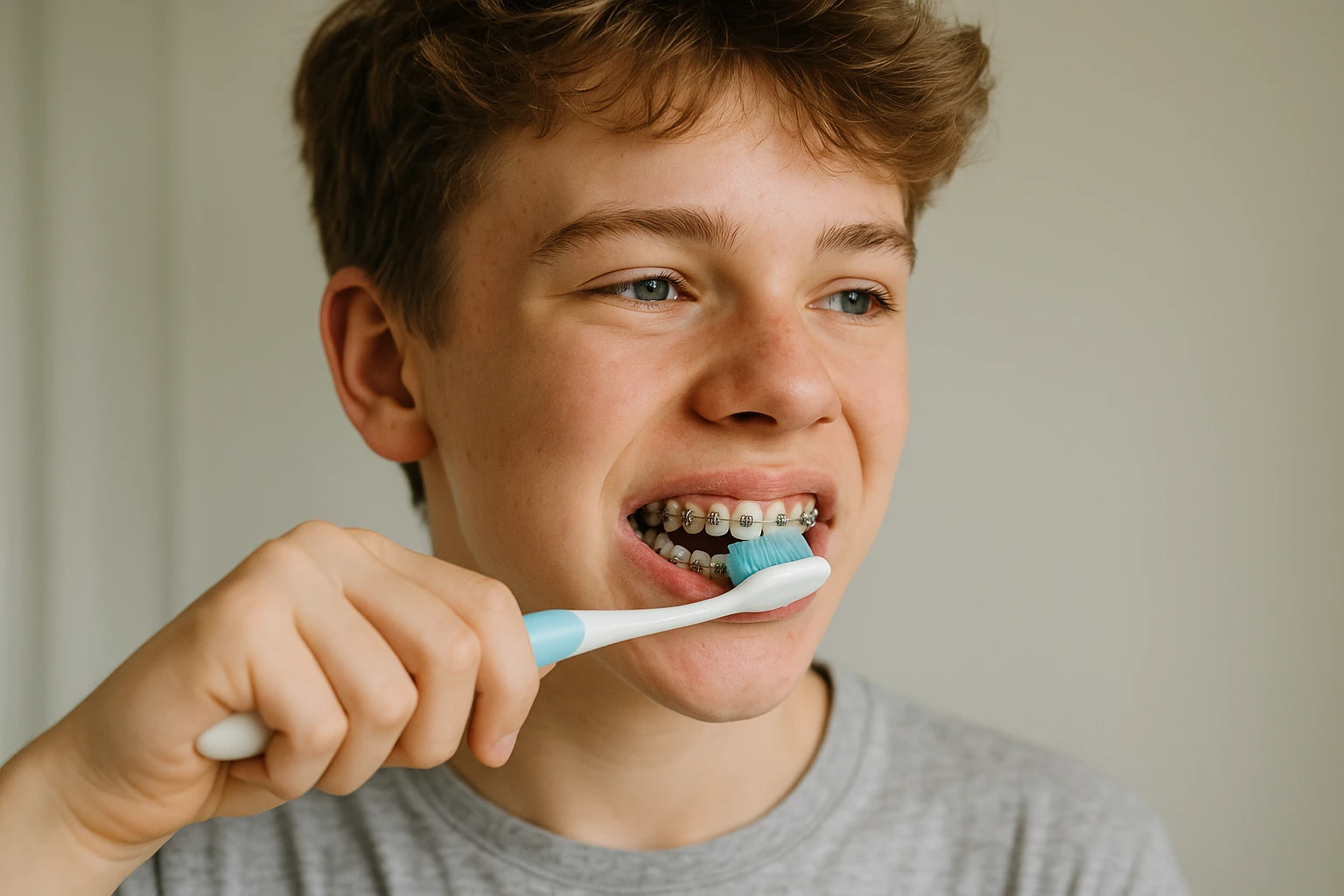
Maintaining excellent oral hygiene is essential for anyone wearing braces, and the orthodontic toothbrush is one of the most effective tools to achieve it. Brackets, archwires, elastics, and attachments all create hard-to-reach areas where food particles and plaque accumulate more easily. As a result, orthodontic patients face higher risks of cavities, enamel discoloration, and inflammation. This article explains what an orthodontic toothbrush is, why it matters, and how teens and adults with braces can benefit from using one daily.
What Is an Orthodontic Toothbrush?
An orthodontic toothbrush is a specially designed toothbrush created for people undergoing orthodontic treatment such as metal braces, ceramic braces, lingual braces, or clear aligner attachments. The most recognizable feature is the V-shaped or U-shaped bristle pattern, which makes it easier for the bristles to clean around brackets without damaging the wire. Compared with a standard soft toothbrush, an orthodontic toothbrush reaches the gumline more effectively and removes plaque from the tiny spaces surrounding orthodontic hardware.
Some models also include interdental tips, tapered bristles, or dual-layered filaments that slide underneath wires while remaining gentle on enamel.
Why Orthodontic Patients Need a Specialized Toothbrush
Braces increase cleaning difficulty by 200% compared with natural teeth. While this may sound dramatic, several real clinical concerns justify the use of an orthodontic toothbrush:
1. Better Plaque Removal Around Brackets
The U-trim design allows bristles to sweep along the sides of brackets, preventing plaque buildup. Without proper cleaning, white spot lesions—or permanent enamel stains—can develop within weeks.

2. Reduces Risk of Gum Inflammation
Food tends to get trapped under wires. Orthodontic toothbrushes have softer, more flexible bristles that reach the gumline without causing irritation, which is especially important for patients who already experience swollen gums during treatment.
3. Protects Enamel
Some regular toothbrushes have stiff bristles that can scrape enamel when brushing aggressively. Orthodontic toothbrushes use extra soft or soft bristles, making daily brushing safer for long-term oral health.
4. Supports Faster Orthodontic Progress
Clean teeth and healthy gums allow orthodontists to adjust braces safely and maintain treatment speed. Poor hygiene can lead to delays, emergency visits, or longer treatment times.
Types of Orthodontic Toothbrushes
Not all orthodontic toothbrushes are the same. Here are the most common options:
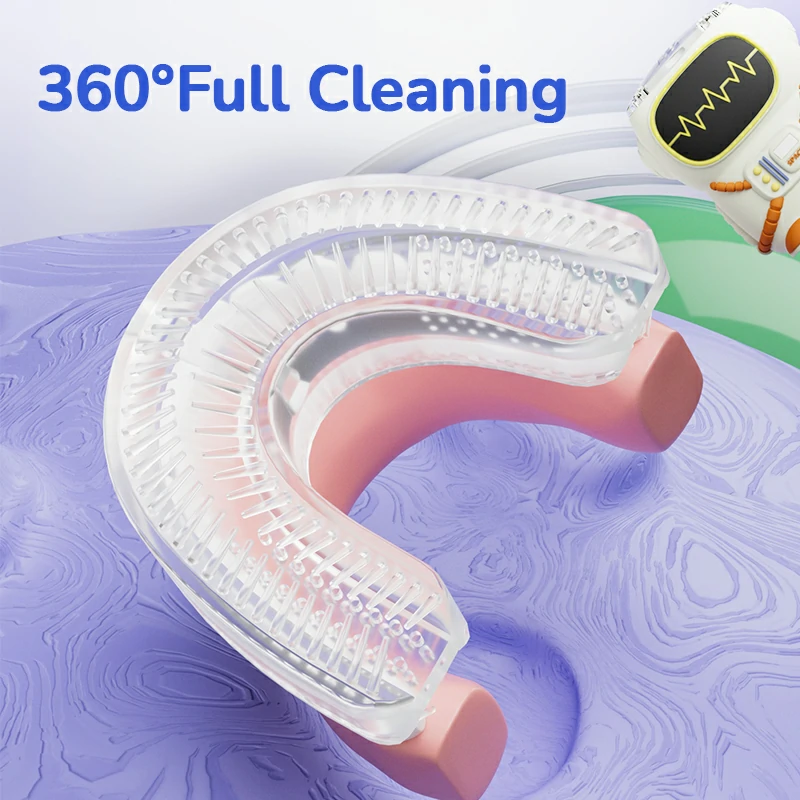
U-shaped Manual Orthodontic Toothbrush
The classic option featuring u-shaped bristles. Ideal for beginners and teenagers who need clear guidance on brush placement.
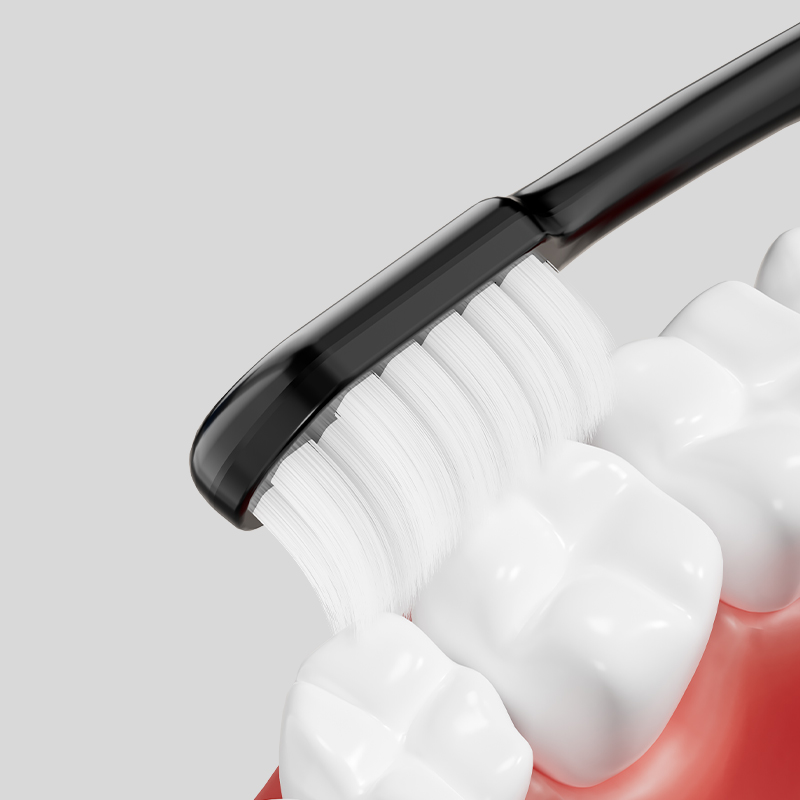
Extra Soft Orthodontic Toothbrush
Perfect for patients with sensitive gums or those who just started wearing braces. The soft bristles help reduce brushing discomfort after adjustments.
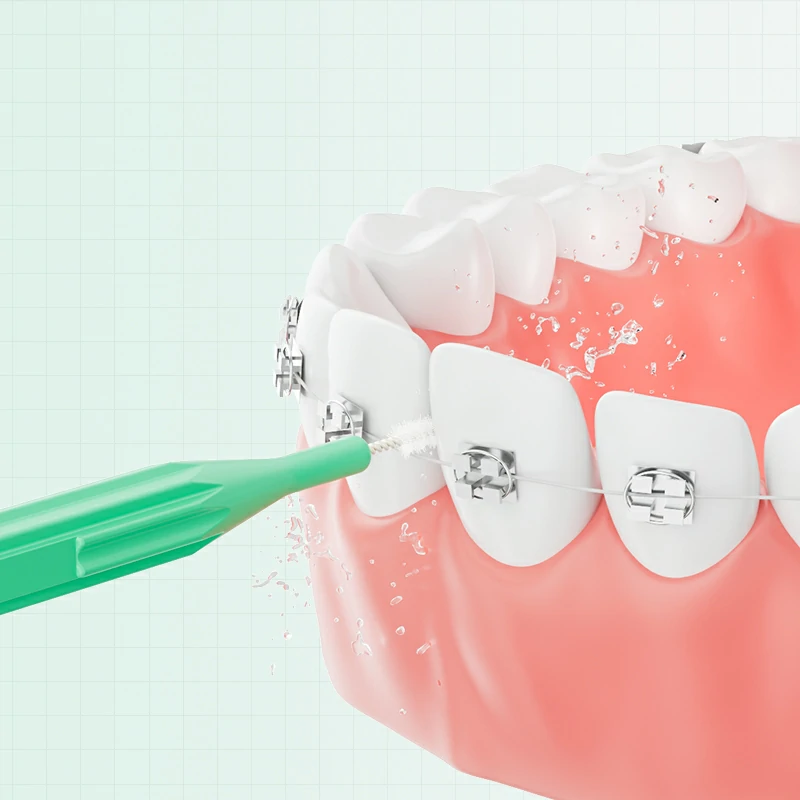
Interdental or Proxy Brush
A small cylindrical brush designed to clean between brackets and wires. Orthodontists often recommend using it after meals.

Electric Orthodontic Toothbrush
Some electric models include orthodontic brush heads with rubberized edges and feather-soft bristles. These offer superior plaque removal with minimal effort.
How to Use an Orthodontic Toothbrush Correctly
Even the best tool requires proper technique:
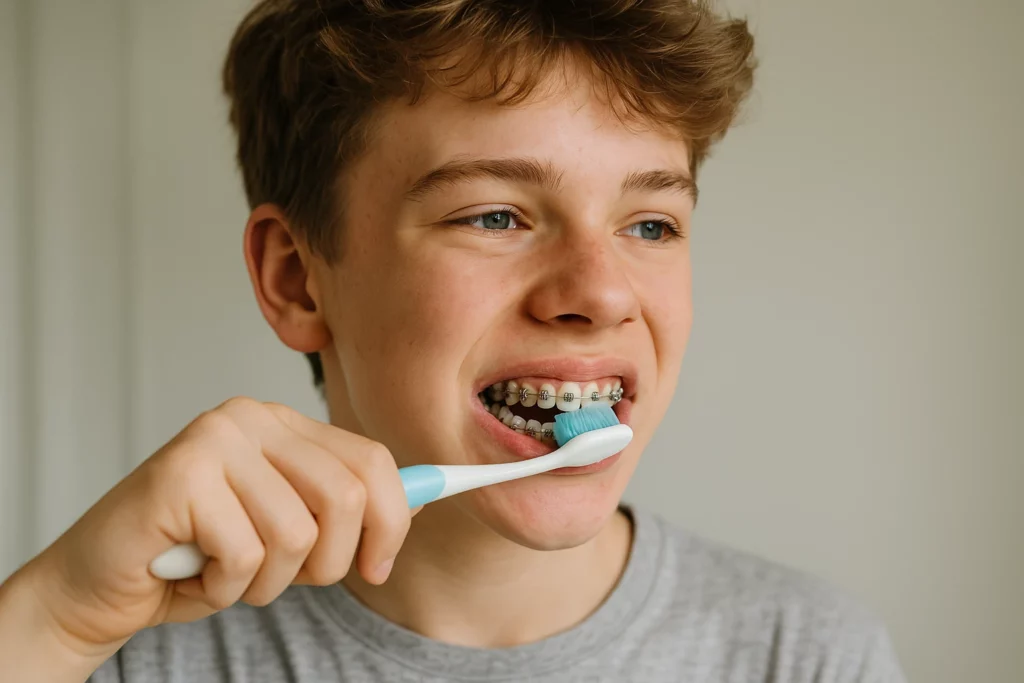
- Hold the toothbrush at a 45-degree angle toward the gumline.
- Brush above the bracket, then below it.
- Brush the chewing and inner surfaces normally.
- Gently sweep around each bracket using short strokes.
- Clean between brackets using an interdental brush if available.
- Spend at least 2–3 minutes brushing.
Brushing both above and below each bracket ensures full coverage and reduces the chance of enamel staining.
Who Should Use an Orthodontic Toothbrush?
- Users with sensitive or inflamed gums during orthodontic treatment
- Teenagers and adults wearing metal or ceramic braces
- Patients with lingual appliances
- Anyone who struggles to remove plaque with a regular brush
Conclusion
Braces make oral hygiene more challenging, but the right orthodontic toothbrush can significantly reduce plaque buildup, protect enamel, and prevent gum issues. With options such as V-shaped brushes, extra-soft bristles, interdental cleaners, and electric orthodontic heads, every patient can find a tool suited to their needs. Using these brushes correctly ensures smoother orthodontic progress and a healthier smile.