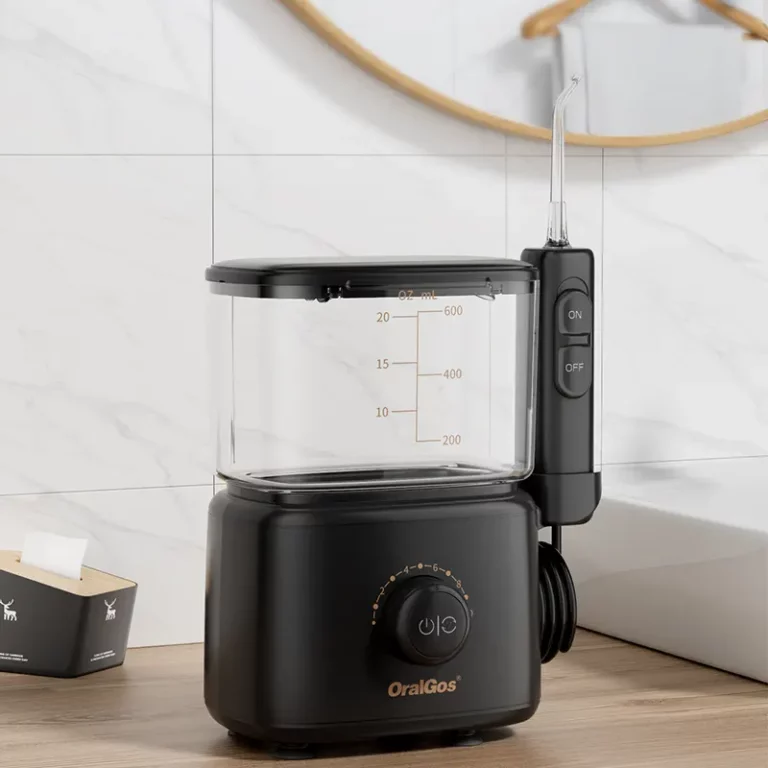
Packaging is more than a finishing touch — it’s a vital chapter in the lifecycle of a toothbrush. Following the manufacturing process described in our previous article, ‘How to Produce a Toothbrush From Design to Manufacturing,’ the toothbrush is ready for the next stage. Manufacturers must package it so that it arrives safely, looks appealing, and meets all regulatory requirements. This is where toothbrush packaging design becomes essential.
In this article, we explore the key aspects of toothbrush packaging design. These include protective structure, branding, user experience, and regulatory compliance. We also set the stage for a future article that will focus on environmental considerations.
Why Proper Packaging Matters in Toothbrush Packaging Design
When a toothbrush leaves the production line, it needs more than just a box — it needs protection, presentation, and purpose. Poor packaging can lead to bent bristles, cracked handles, or contamination before the consumer even opens it. Good packaging ensures:
- Physical protection during storage, shipping, and handling
- Hygiene preservation — especially critical for oral‑care products
- Brand identity and consumer appeal — standing out on store shelves
- Regulatory compliance — with labeling, safety, and material standards
By integrating packaging design early, manufacturers prevent it from becoming an afterthought. This helps avoid costly redesigns and potential compliance issues.
Key Components of Effective Toothbrush Packaging Design
Protective Structure & Material Selection
Choosing the right structure and materials is the foundation of effective packaging design. Common options include:
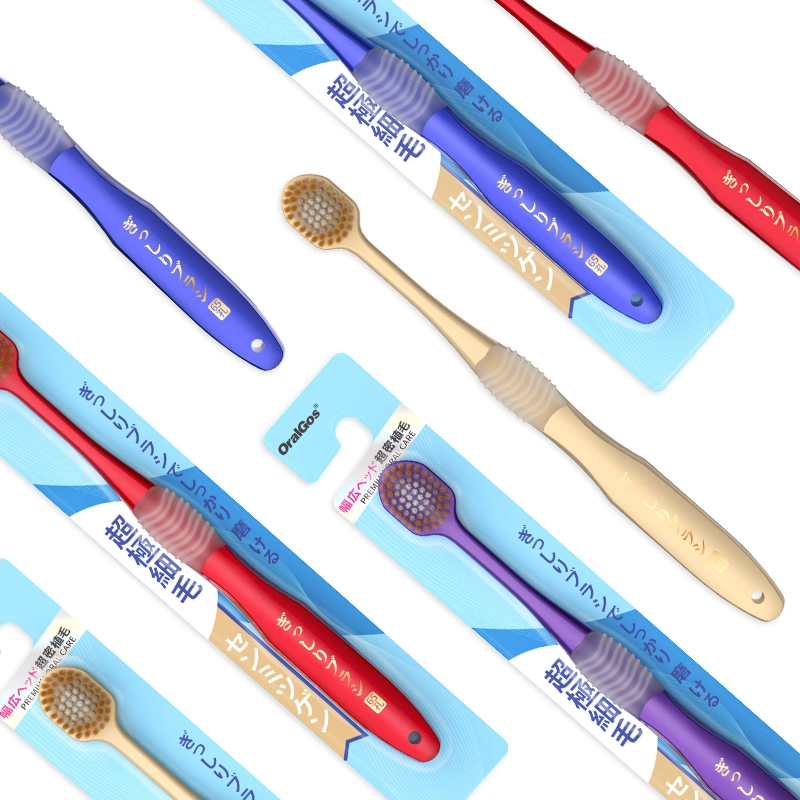
- Blister packs: Clear plastic shells sealed onto a cardboard backing. They offer good visibility and protection but may face environmental scrutiny.
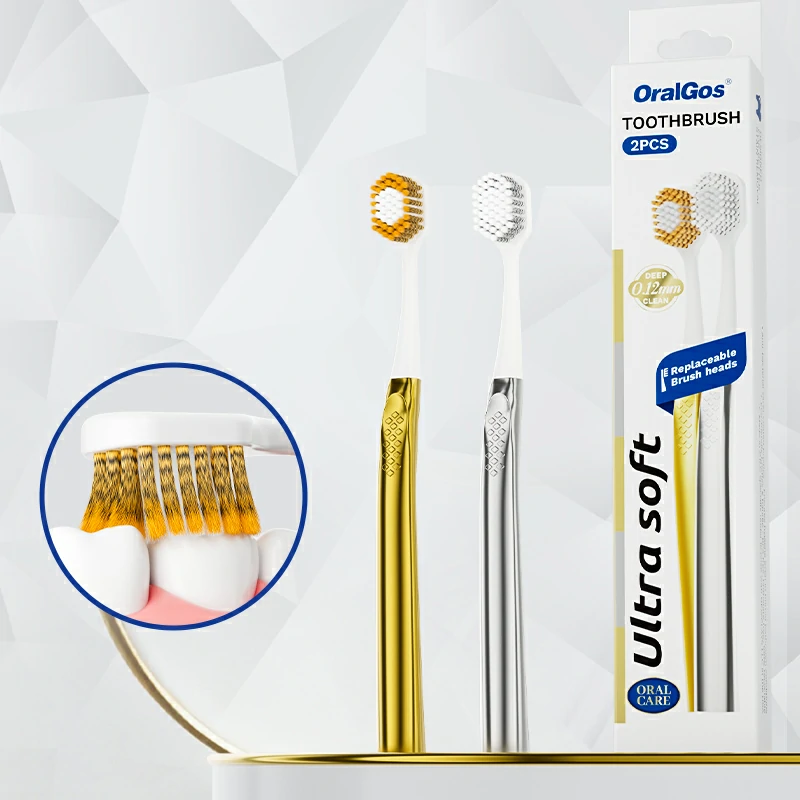
- Folding cartons: Cardboard boxes with inner sleeves or trays — sturdy, easy to print on, and efficient to store and ship.
- Paperboard with window cut-outs: Balances visibility and recyclability, especially when using transparent cellulose or minimal plastic.
When designing, consider: toothbrush dimensions, bristle cover needs, and handling stress during shipment. Cushioning features — like inner sleeves or cardboard dividers — can prevent bristles from deforming.
Branding & Labeling: Communicating Value
Packaging isn’t just protective — it’s a silent salesperson. Effective toothbrush packaging design leverages branding and labeling to communicate the product’s value.
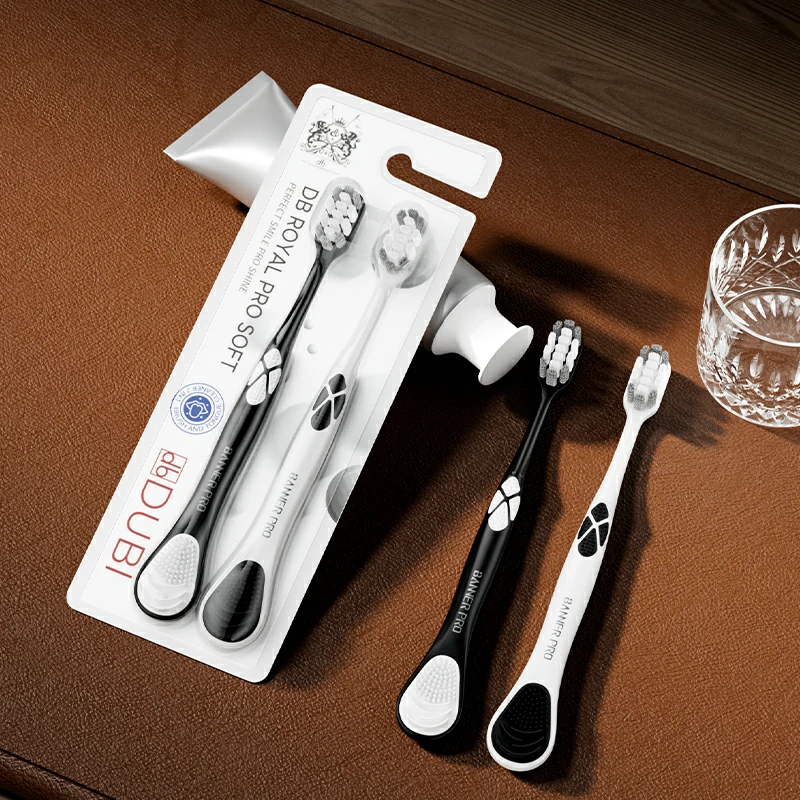
- Front-of-pack graphics: Use clear, high-resolution images of the toothbrush, ideally placed against a clean background. Include key features such as an ergonomic handle, soft bristles, and enamel-safe design.
- Typography and color scheme: Reflect the brand’s identity. For example, clean lines and pastel or white tones often signal hygiene and trust in oral-care packaging.
- Back-of-pack details: Display ingredient info (if relevant), bristle hardness, instructions, and compliance marks. Incorporating multilanguage labels may be important for international markets.
- Compliance labeling: Ensure the packaging meets regulatory standards — for example, including manufacturing codes, batch numbers, and safety warnings. For guidance, manufacturers can refer to regulatory guidelines provided by agencies such as the U.S. Food and Drug Administration. They should also consult equivalent authorities in their target markets.
User Experience (UX) and Unboxing
Today’s consumers appreciate thoughtful UX — packaging that is easy to open, resealable, and no-waste. In toothbrush packaging design, user experience can be enhanced by:
- Resealable blister designs: For refillable toothbrush systems — handy and reduces plastic waste.
- Easy‑open cardboard boxes: Avoid excessive adhesives or shrink-wrap that frustrate users.
- Minimal but protective design: Avoid over‑packaging that wastes material and impacts shipping costs.
Good UX not only improves customer satisfaction but reinforces brand credibility and repeat purchases.
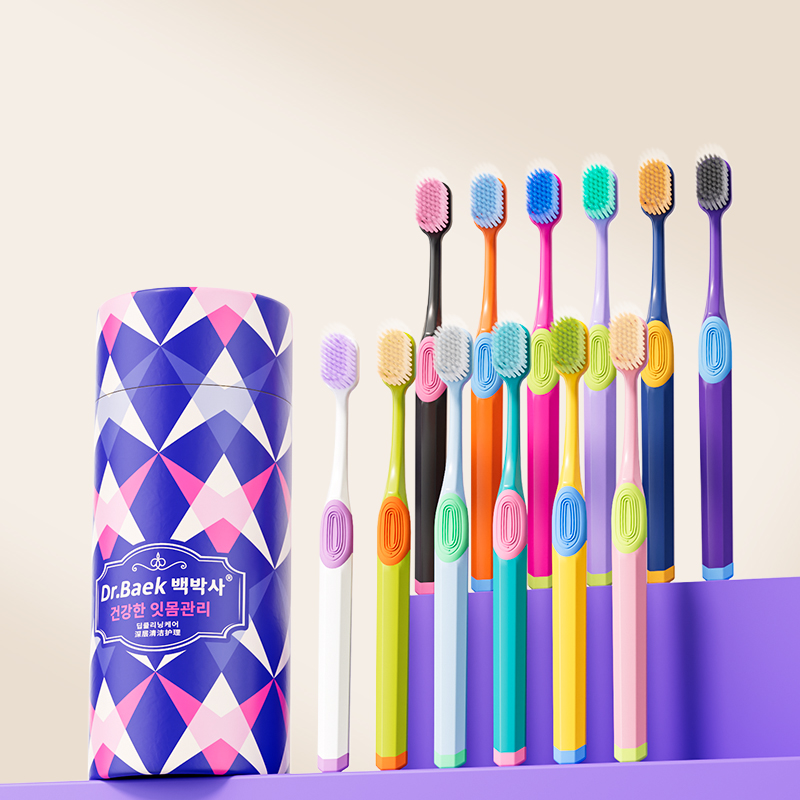
Integration with Manufacturing Workflow
For a smooth transition from production to packaging, coordination between manufacturing and packaging teams is critical. Finalizing the packaging design early makes it easier to ensure compatibility with the toothbrush’s dimensions and handle shapes. It also helps meet shipment and logistics requirements.
Manufacturing workflows should provide packaging designers with accurate product dimensions. These include handle length, brush head width, bristle protector size, and any ergonomic contours. That avoids misfitting boxes or blisters that either crush the toothbrush or leave it loose.
Manufacturers must use packaging materials that meet hygiene standards, especially for toothbrushes stored or shipped long-term. In compliance-sensitive markets, manufacturers may need to choose materials certified by recognized organizations. Examples include FSC-certified paperboard or medical-grade plastics.
Finally, packaging suppliers should coordinate with logistics teams to optimize carton size for bulk shipping, reducing shipping costs and minimizing environmental footprint.
Next Up: Environmental Considerations in Toothbrush Packaging Design
We’ve touched on hygiene, protection, branding, and user experience — but what about sustainability? The choice of materials (plastic vs. paperboard), recyclability, biodegradable options, and carbon footprint during transport are all critical.
In the next article of this series, we will explore environmental considerations in toothbrush packaging design. This will cover recyclable materials and minimal packaging trends. It will also discuss labeling compliance for eco-conscious consumers and relevant global regulations. Stay tuned!