The toothbrush is a small everyday object with an outsized environmental footprint. When we build on “How to Produce a Toothbrush — From Design to Manufacturing,” the next step is to explore the factors that shape a product’s impact. A key focus is understanding toothbrush environmental considerations early in the lifecycle.
Designers, manufacturers, and procurement teams can make targeted choices at each stage to reduce emissions, waste, and resource use. Many of these choices also improve the product experience for users.
Why toothbrush environmental considerations matter
Environmental performance now influences buyer decisions, regulatory compliance, and total cost of ownership. Choosing recycled or bio-based polymers, designing for disassembly, and optimizing packaging all lower carbon, water, and waste impacts. More businesses are measuring these impacts at the design stage, so sustainability becomes a feature rather than an afterthought.
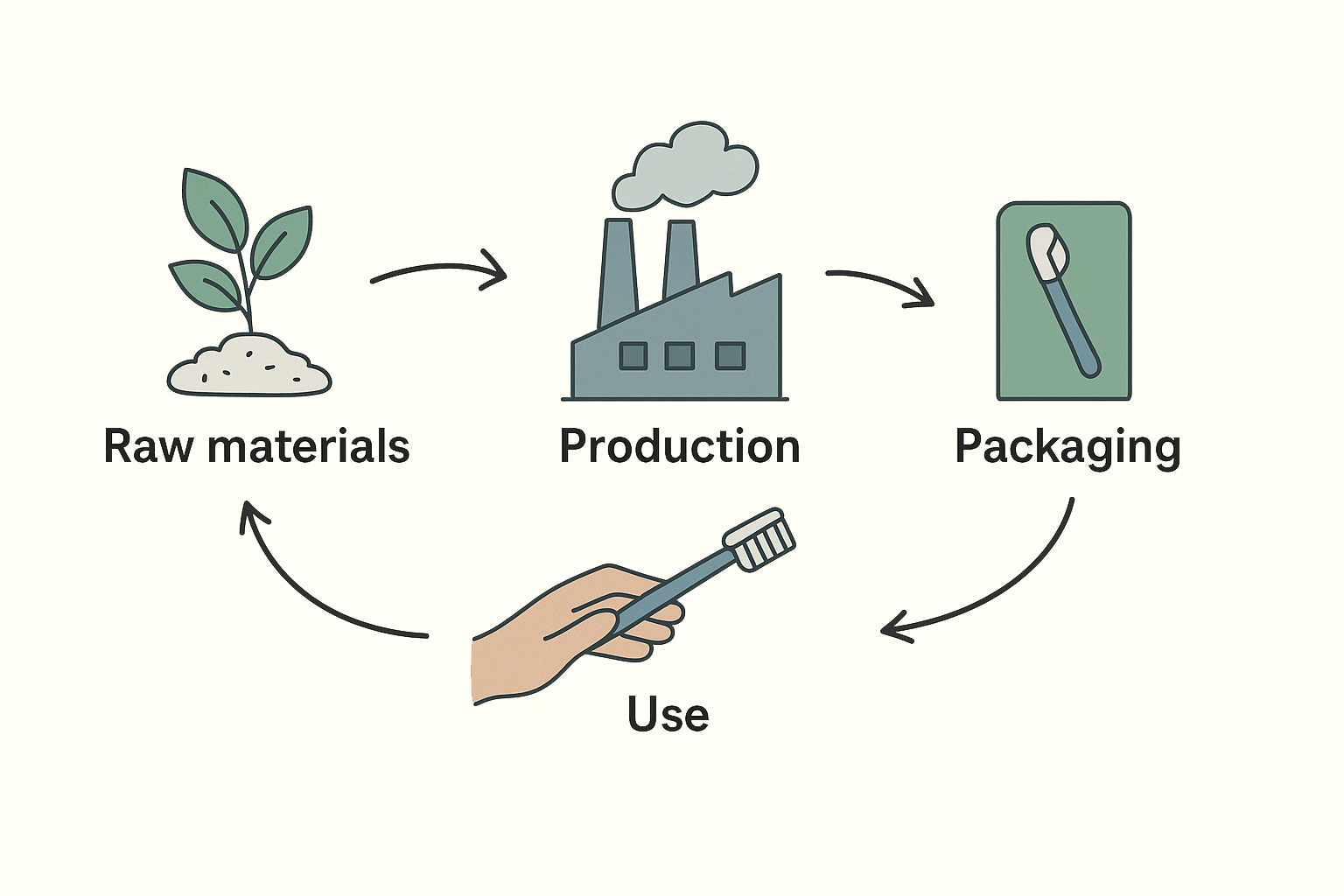
Sustainable materials and supply-chain sourcing (toothbrush environmental considerations)
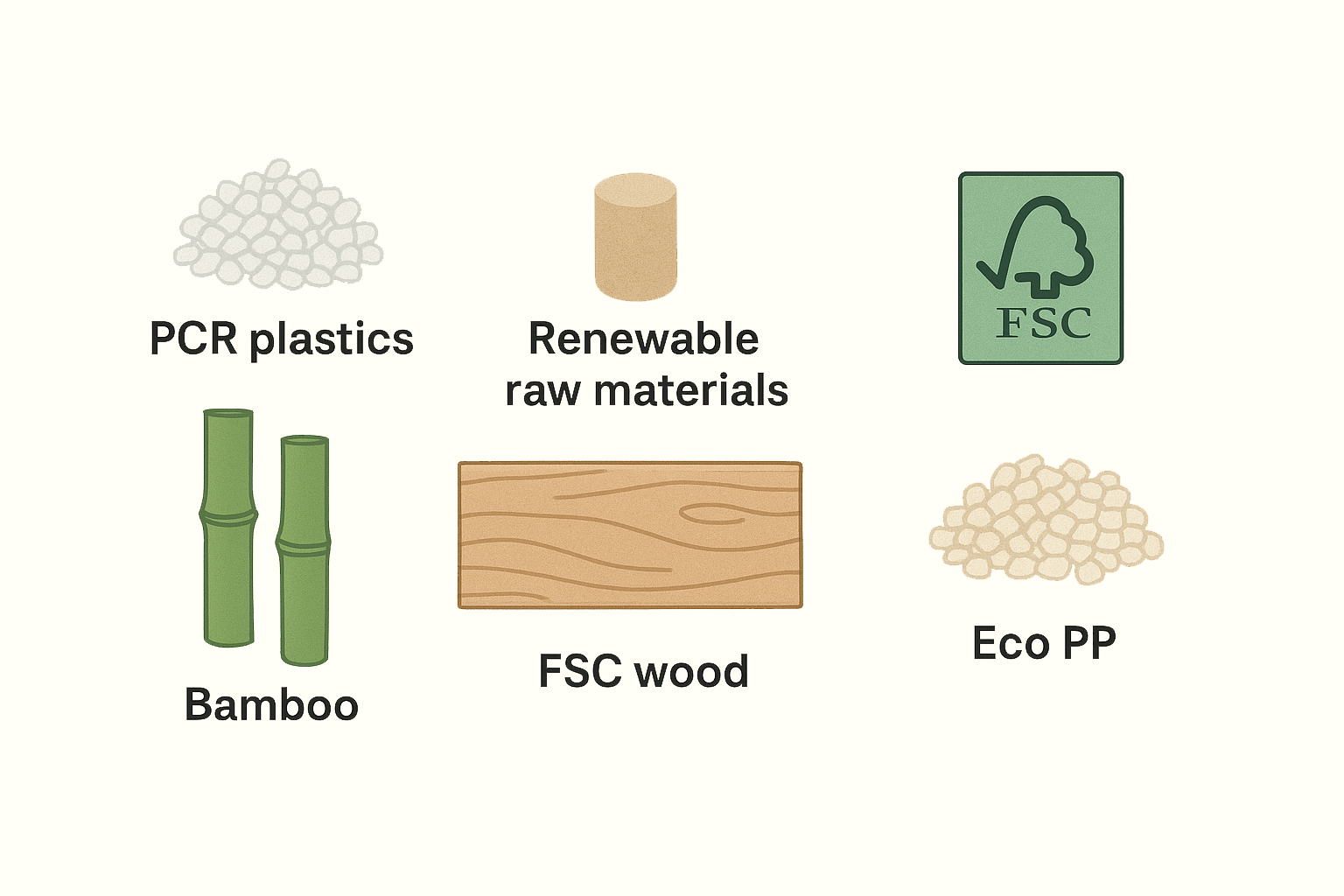
Material choice is the single most powerful lever. Most traditional toothbrushes combine plastics like ABS, PP, and PBT with metal filaments. This mixture makes recycling challenging. Alternatives include:
- Recycled plastics (PCR PP/ABS) that reduce virgin resin demand.
- Bio-based polymers from certified sources.
- Handles made from sustainably sourced wood or bamboo with FSC certification. (See the Forest Stewardship Council for guidance.)
When specifying materials, require supplier transparency and certificates. Audited suppliers and a clear bill of materials help downstream recycling and reduce chemical uncertainty.
Design for longevity and repair
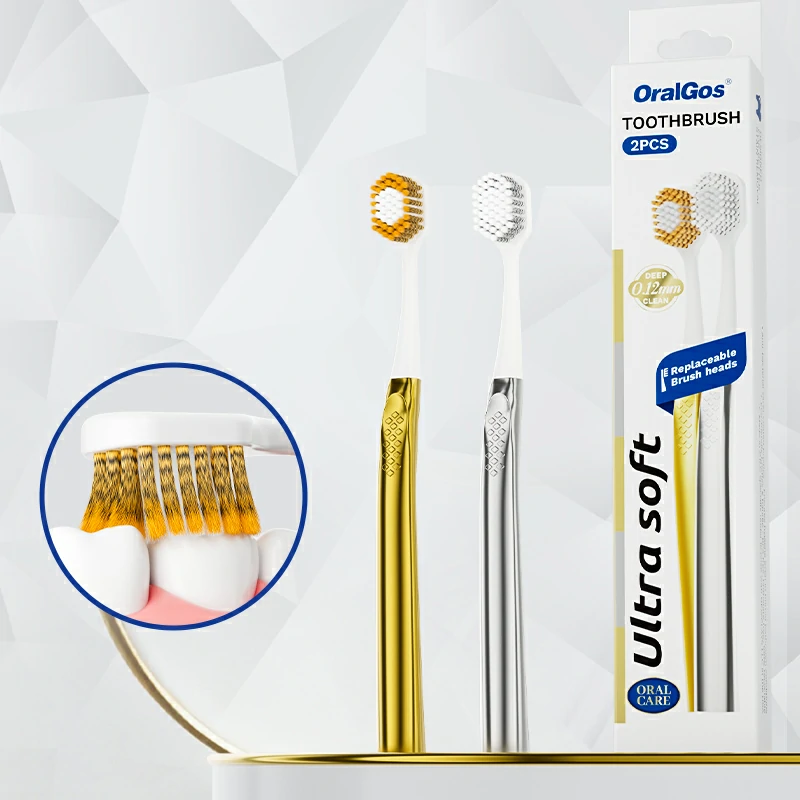
A toothbrush that lasts longer reduces per-user lifetime impact. Design decisions that support longevity include durable handle geometry, replaceable brush heads, and bristle selections that maintain performance without degrading quickly. Adopting a replaceable-head design helps cut single-use plastic waste. At the same time, it can enhance customer loyalty, benefiting both the environment and the brand.
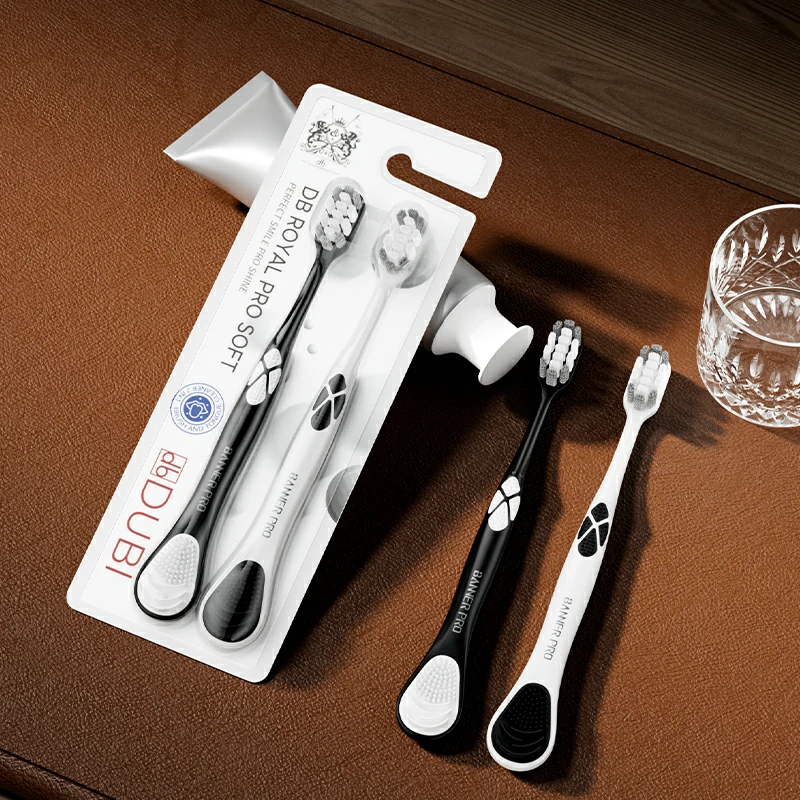
Packaging and transport: less is more
Packaging often accounts for a surprising portion of a toothbrush’s lifecycle emissions. Reduce impact by:
- Minimizing packaging volume (flat-packed trays, thinner sleeves).
- Switching to mono-material cartons that are curbside recyclable.
- Avoiding PVC and multi-layer laminates that block recycling.
Optimize logistics by nesting products for efficient palletization and choosing lower-carbon freight where feasible. These choices lower both cost and emissions.
Manufacturing practices that reduce impact
Production processes — injection molding, tufting, and assembly — are energy- and water-intensive. To improve performance:
- Audit energy use and shift to renewable electricity where possible.
- Recover and reuse process water in cleaning and tufting stations.
- Capture and recycle offcuts and sprues (closed-loop polymer recycling).
Investing in process efficiency often pays back quickly through lower material costs and lower waste disposal fees.
End-of-life strategies (toothbrush environmental considerations)
End-of-life is the weakest link for most toothbrushes. To address this:
- Design for disassembly: separate bristle modules from the handle to aid recycling.
- Use mono-material handles or clearly labeled mixed-material components.
- Partner with third-party recycling programs (e.g., TerraCycle-style initiatives) or offer take-back schemes to capture used brushes.
Educate customers with clear on-pack instructions and online resources — consumer participation is essential.
Certifications, standards, and labelling
Third-party certifications (FSC for wood, ISO environmental management, or verified recycled-content claims) build trust. Labeling must be accurate so consumers can recycle correctly. More procurement teams are now asking suppliers to provide transparent environmental product declarations (EPDs) and GHG inventories.
The role of procurement and industry collaboration
Procurement can request Environmental Product Declarations, supplier audits, and continuous improvement KPIs. Collaboration across suppliers, manufacturers, and brands helps scale solutions — sharing best practices, returning post-industrial scraps for recycling, and investing in recycling infrastructure.
Measurement and continuous improvement
Measure cradle-to-grave impacts with life cycle assessment (LCA) and set realistic reduction targets. Small improvements compound: a modest weight reduction across millions of units is meaningful. Report progress publicly to close the loop with customers and buyers.
Linking the story: manufacturing → sustainability → market
This article builds directly on our manufacturing overview. You can read the full production walkthrough here. It also takes the discussion further by focusing on environmental strategy. For procurement teams and product managers, integrating toothbrush environmental considerations at design review gates prevents costly retrofits later.
Before we wrap up: there’s one more critical piece of the puzzle — how these greener toothbrushes reach customers. Distribution channels, retail packaging decisions, and marketing narratives determine consumer uptake and the overall system impact.
Here’s a little teaser: the next article in this series will focus on Toothbrush Distribution and Marketing. It will cover everything from carbon-smart logistics to marketing strategies that engage eco-conscious shoppers. Stay tuned for a standalone follow-up that ties manufacturing, sustainability, and market success into a single roadmap.