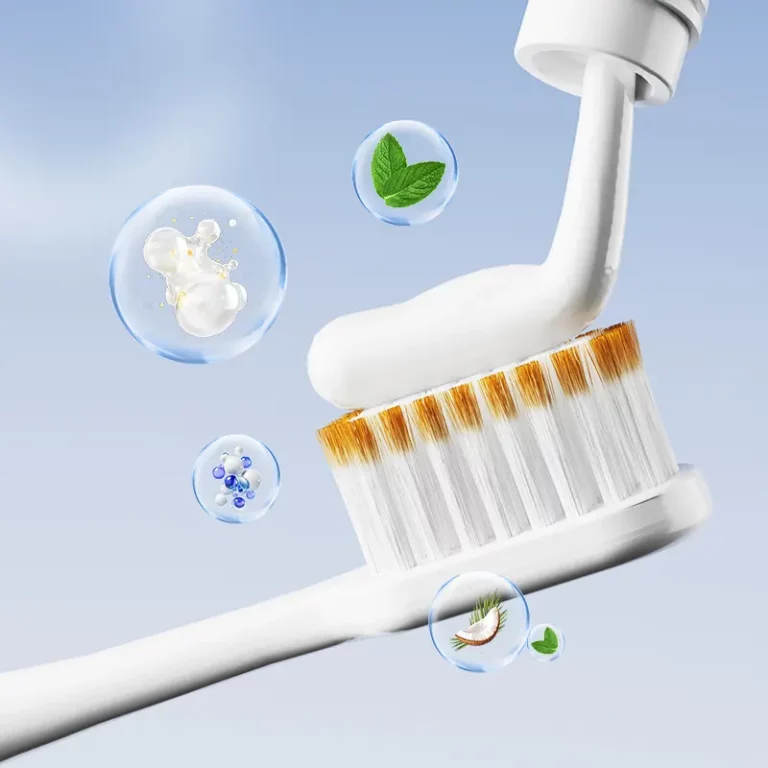
Maintaining dental health is key to overall wellness, yet cavities remain a common problem worldwide. Daily use of fluoride toothpaste can significantly reduce the risk of tooth decay. Understanding how fluoride works, why it matters, and how to use it correctly helps people keep their teeth strong and healthy.
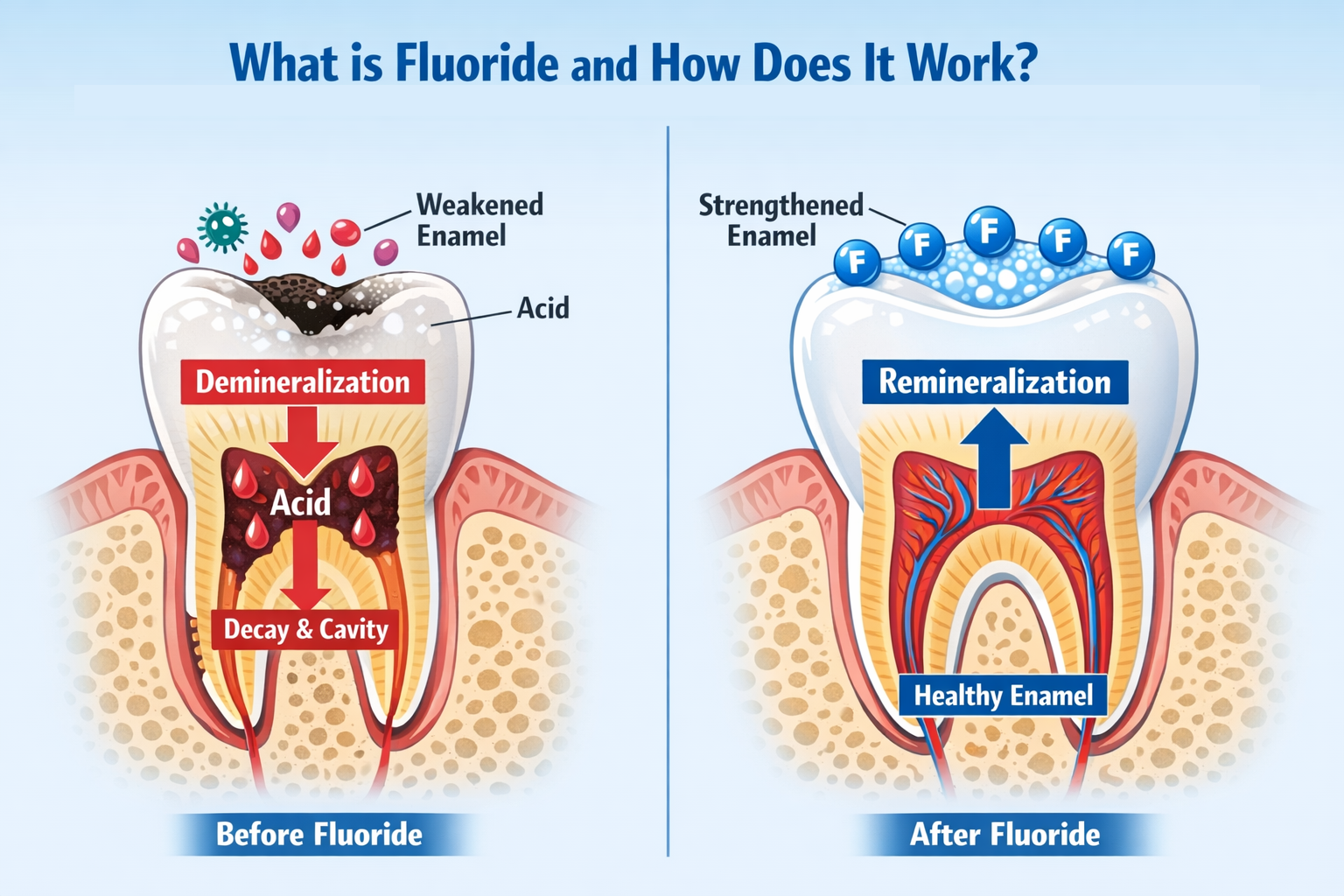
What is Fluoride and How Does It Work?
Fluoride is a naturally occurring mineral found in water, soil, and certain foods. Its main function in oral health is to strengthen tooth enamel. This makes teeth more resistant to acid attacks caused by bacteria and sugar.
Bacteria in dental plaque produce acids that can attack tooth enamel. This acid can cause enamel to lose minerals, forming weak spots that may eventually turn into cavities. Fluoride promotes remineralization by helping minerals return to the enamel, which can reverse early signs of tooth decay.
Additionally, fluoride can interfere with the metabolic processes of cavity-causing bacteria, reducing their ability to produce acid. This dual action—strengthening enamel and inhibiting bacterial activity—makes fluoride an indispensable component in modern oral care.
The Role of Fluoride Toothpaste in Cavity Prevention
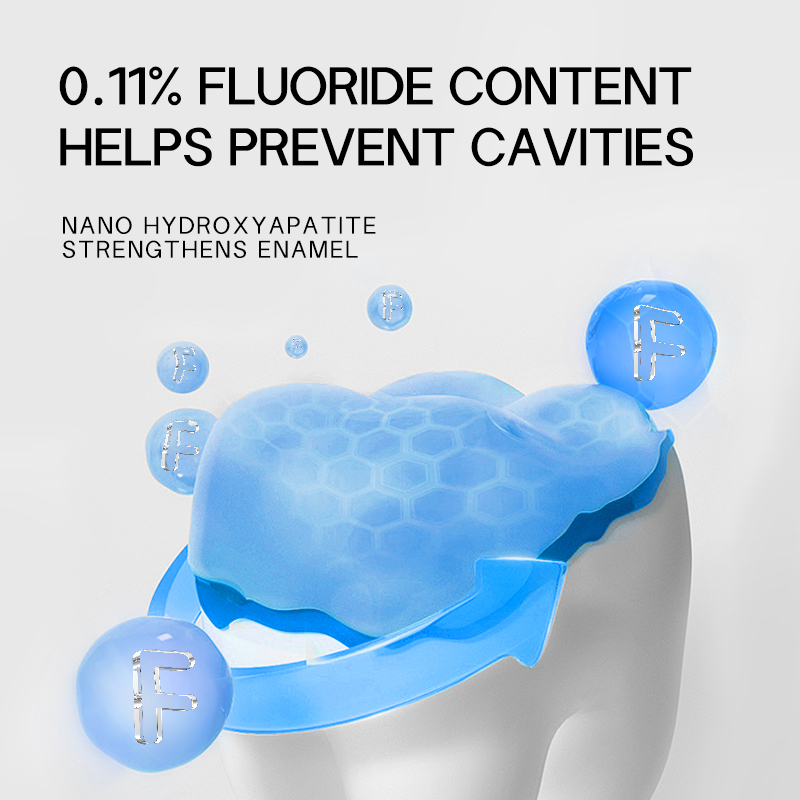
The most common way to deliver fluoride to the teeth is through fluoride toothpaste. Daily brushing with fluoride toothpaste provides continuous fluoride protection. This strengthens enamel and helps prevent cavities over time.
Research shows clear benefits of fluoride toothpaste. People who use it regularly experience much lower rates of dental caries. When selecting a fluoride toothpaste, it is important to consider the fluoride concentration.
Most toothpaste for adults contains about 1,000 to 1,500 ppm of fluoride. This level effectively helps prevent cavities. Dentists often recommend lower fluoride concentrations for children to prevent excessive ingestion. For more product options, check out this Oralgos toothpaste collection.
How to Maximize the Benefits of Fluoride Toothpaste
Proper usage of fluoride toothpaste enhances its protective effects. Here are some practical tips:
- Use the right amount: A pea-sized amount for children and a slightly larger amount for adults is sufficient.
- Brush for two minutes: Brushing long enough ensures that fluoride has adequate contact with tooth surfaces.
- Do not rinse immediately: After brushing, spitting out toothpaste without rinsing helps fluoride remain on the teeth. As a result, it can continue to strengthen enamel.
- Brush twice daily: Consistent application of fluoride toothpaste is key to effective cavity prevention.
Fluoride in Community Health
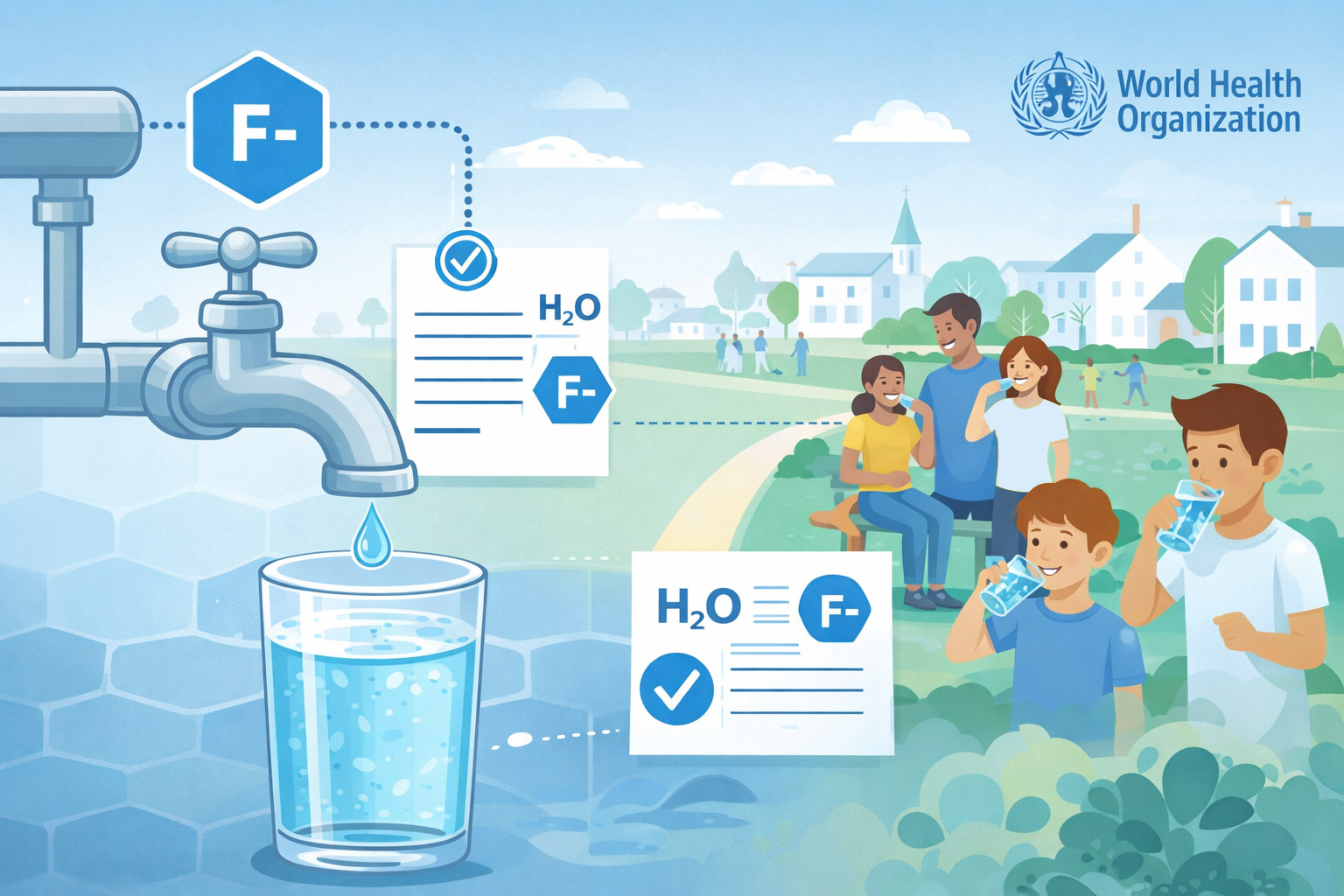
Beyond individual use, fluoride plays a vital role in public health. Many communities add fluoride to their drinking water. Organizations such as the World Health Organization and the American Dental Association support this practice. Water fluoridation reduces cavity rates across entire populations and shows that fluoride works at both personal and community levels.
Addressing Common Misconceptions About Fluoride
Despite overwhelming evidence supporting fluoride’s safety and efficacy, misconceptions persist. Some believe that fluoride can be harmful in small quantities. Authorities control fluoride levels in toothpaste and public water supplies to ensure safety and effectiveness.
Children are most at risk of swallowing too much fluoride. To keep them safe, parents should supervise brushing and use suitable toothpaste.
Conclusion
The science behind fluoride demonstrates why it remains the gold standard in cavity prevention. Through enamel remineralization, inhibition of bacterial acid production, and consistent exposure via fluoride toothpaste, fluoride provides a reliable defense against dental decay. If people understand how fluoride works and follow proper oral care, they can keep their teeth healthy and lower the risk of cavities.
Explore the Oralgos toothpaste collection to discover high-quality products designed for your daily oral care.