If you are new to oral care devices, a water flosser may look a little intimidating at first. Beginners often struggle when starting with a water flosser. They need to adjust the water pressure, choose the right tip, and operate the device without using traditional floss.
Beginners can follow this guide to learn the correct steps. This Water Flosser Beginner Guide explains how to use a water flosser step by step. It helps beginners gain confidence, use the device safely, and achieve effective results.
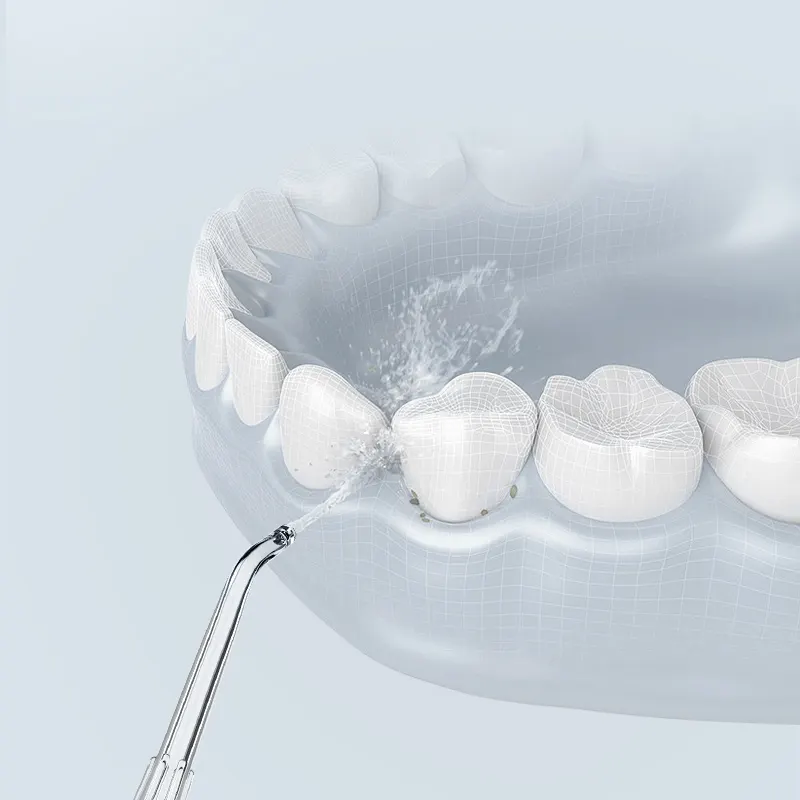
A water flosser cleans teeth by directing a focused stream of water between them. This stream helps remove plaque, food debris, and bacteria along the gumline. For beginners, learning the correct technique matters just as much as choosing the right device.
What Is a Water Flosser and Why Beginners Should Use One
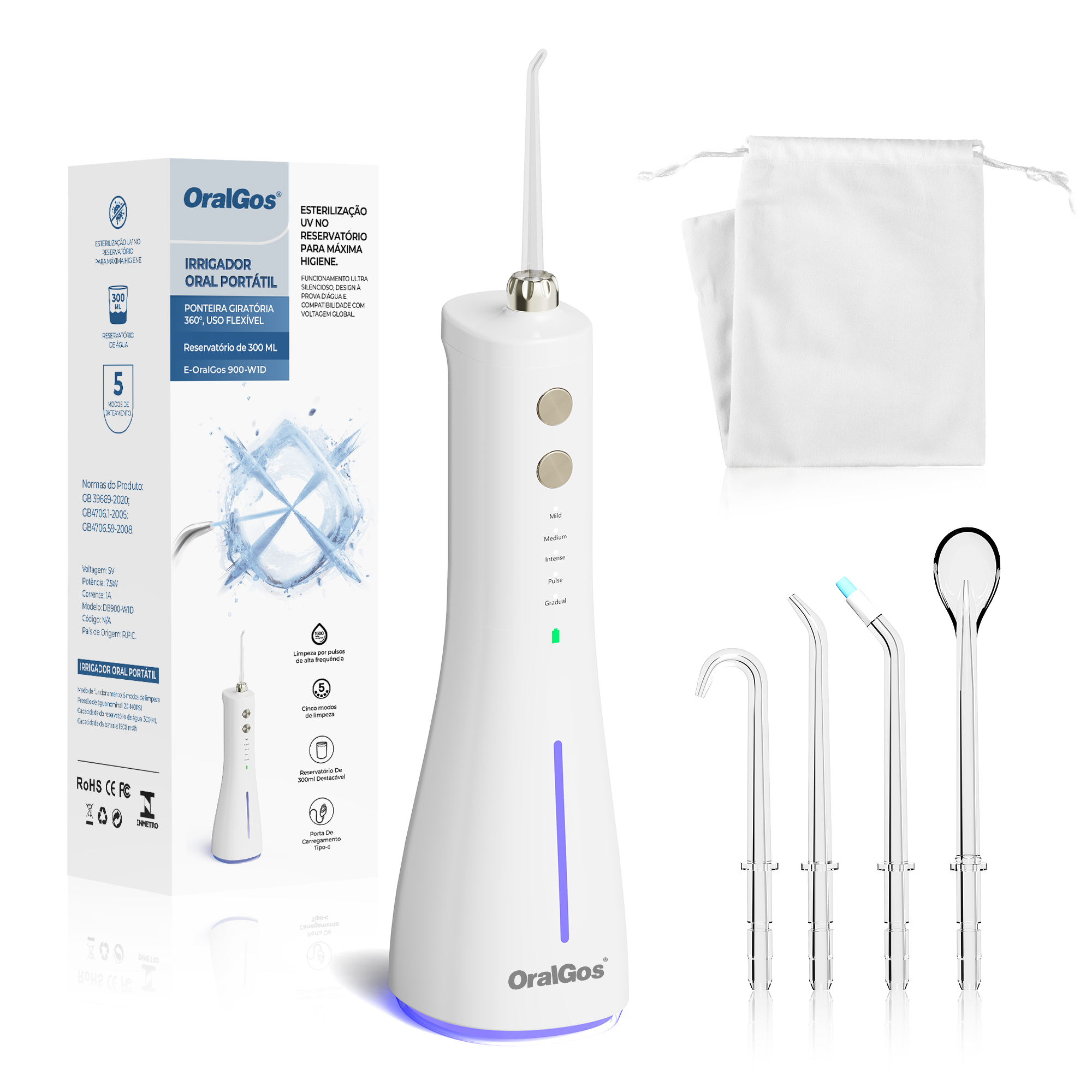
A water flosser, also known as an oral irrigator, is an electric device. It cleans the spaces between teeth using pulsating water pressure. Unlike traditional string floss, it does not rely on manual scraping.
For beginners, the advantages are clear:
- Easier to use than string floss
- Gentle on sensitive gums
- Ideal for braces, implants, and crowns
- Encourages consistent daily flossing habits
Dental professionals often include water flossers in a complete oral hygiene routine. They especially recommend them for people who find traditional flossing difficult.
How to Use a Water Flosser: Beginner Step-by-Step Guide
Learning how to use a water flosser properly takes only a few minutes. Follow these beginner-friendly steps:
Step 1: Fill the Water Reservoir
Use lukewarm water to avoid gum sensitivity. Some users prefer adding a small amount of alcohol-free mouthwash, but plain water works perfectly for beginners.
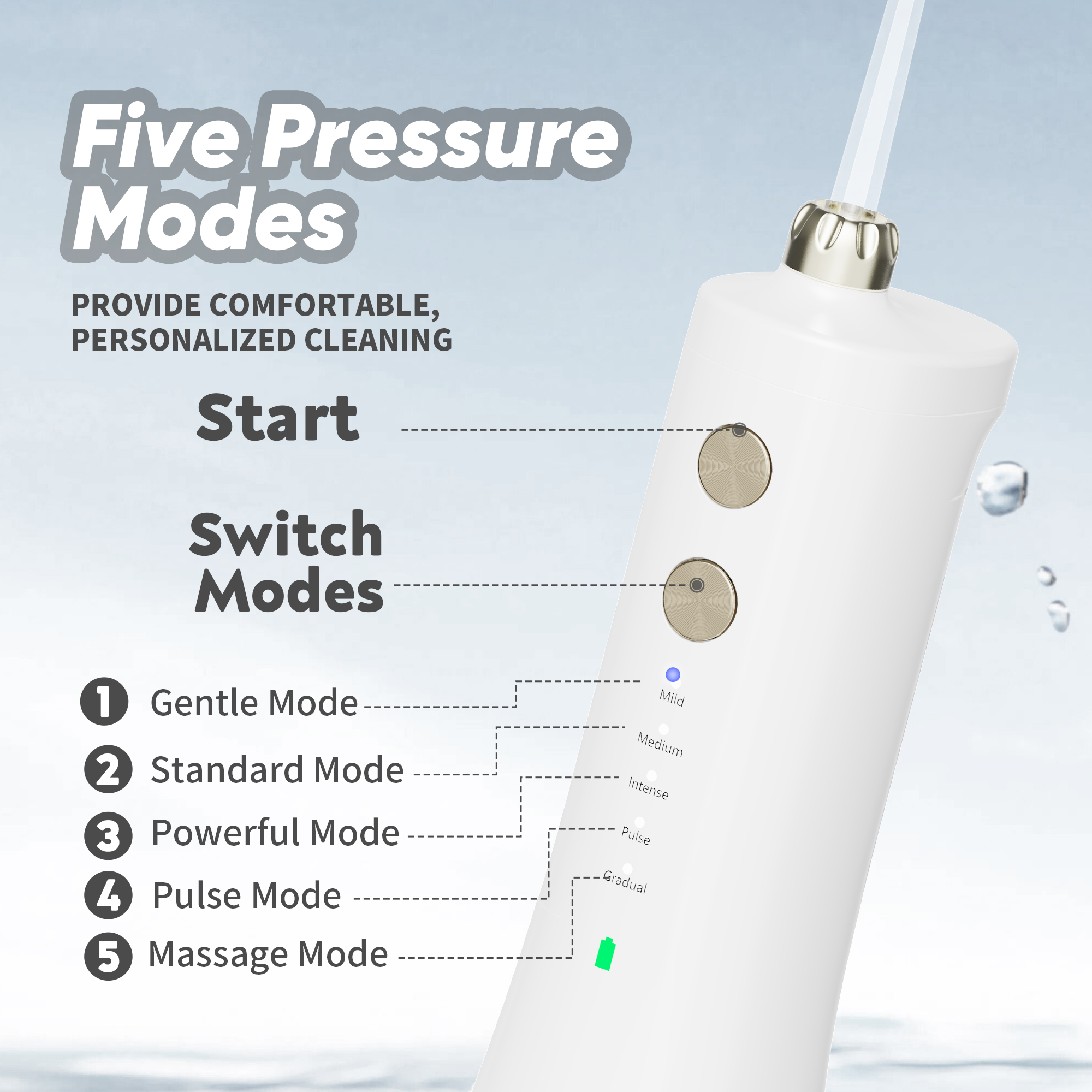
Step 2: Choose the Right Pressure Setting
Start with a gentle pressure to allow your gums to adjust. Beginners should always begin with the lowest pressure setting and increase gradually as comfort improves.

Step 3: Position the Tip Correctly
Make sure to position the tip in your mouth prior to turning on the water flosser. Lean over the sink and keep lips slightly closed to prevent splashing.
Step 4: Clean Along the Gumline
Direct the tip toward the gumline at a 90-degree angle. Gently move from one tooth to the next, pausing slightly between each space for effective plaque removal.
Step 5: Follow a Consistent Order
Work around your mouth systematically—upper teeth first, then lower—to avoid missing areas.
This simple routine ensures you fully understand how to use a water flosser safely and effectively.
Common Beginner Mistakes to Avoid
Even though water flossers are user-friendly, beginners often make these mistakes:
- Using pressure that is too high too soon
- Skipping the back molars
- Rushing the process
- Using cold water on sensitive gums
Avoiding these errors will make your water flosser experience more comfortable and far more effective.
How Often Should Beginners Use a Water Flosser?
Most dental professionals recommend using a water flosser once per day, ideally in the evening. This removes debris accumulated throughout the day and supports gum health overnight.
Consistency matters more than pressure or speed. Once daily use is enough to see noticeable improvement in gum comfort and cleanliness within a few weeks.
Who Benefits Most from a Water Flosser?
A water flosser is especially helpful for:
- Beginners who dislike string floss
- People with braces or orthodontic appliances
- Users with dental implants or crowns
- Individuals with sensitive or bleeding gums
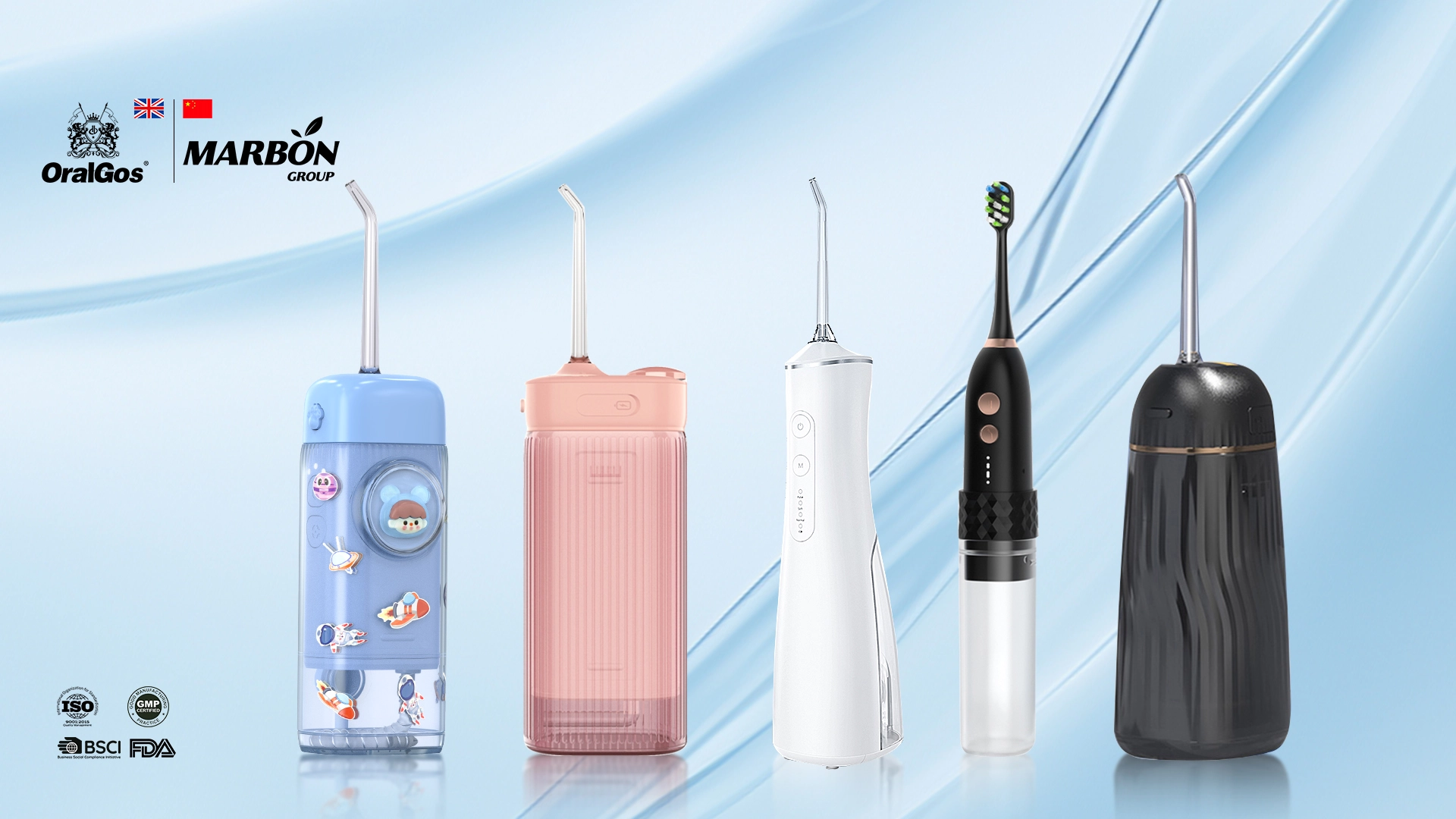
If you are exploring options, you can view different designs and models in the Oralgos water flosser collection.
Water Flosser vs Traditional Floss: What Beginners Should Know
Brushing is still necessary, and water flossers serve as a helpful complement to remove plaque and debris between teeth. According to professional dental associations such as the American Dental Association (ADA), water flossers can significantly improve gum health when used correctly alongside brushing.
Learning to use a water flosser correctly is essential. Proper technique ensures you gain the full benefits of this modern oral care tool.
Final Thoughts: Mastering Your Water Flosser as a Beginner
Starting something new always feels awkward at first—but oral care is no exception. This guide has shown you how to use a water flosser correctly. By following these steps, you can floss safely, comfortably, and effectively.
Begin with a low pressure setting, move the tip slowly, and maintain a consistent routine. Within days, water flossing will feel natural—and your gums will thank you for it.
Healthy habits start with the right guidance, and now you’re officially on the right track.