The global oral care market is entering a new phase of transformation. By 2025, cleaning power alone no longer defines electric toothbrushes. Smart features, energy efficiency, and personalization now shape product innovation. Brands, distributors, and oral-care professionals must understand toothbrush innovation trends to stay competitive in a fast-changing market.
This article highlights the key electric toothbrush innovations to watch in 2025. It focuses on three main areas: sonic technology, battery systems, and app-driven intelligence.
Why Toothbrush Innovation Matters in 2025
Consumer expectations have shifted dramatically. Users now demand professional-level cleaning at home, longer device lifespans, and digital feedback that improves daily habits. As a result, toothbrush innovation has become a convergence of health technology, material science, and software development.
In 2025, innovation is no longer optional — it is the foundation of product differentiation.
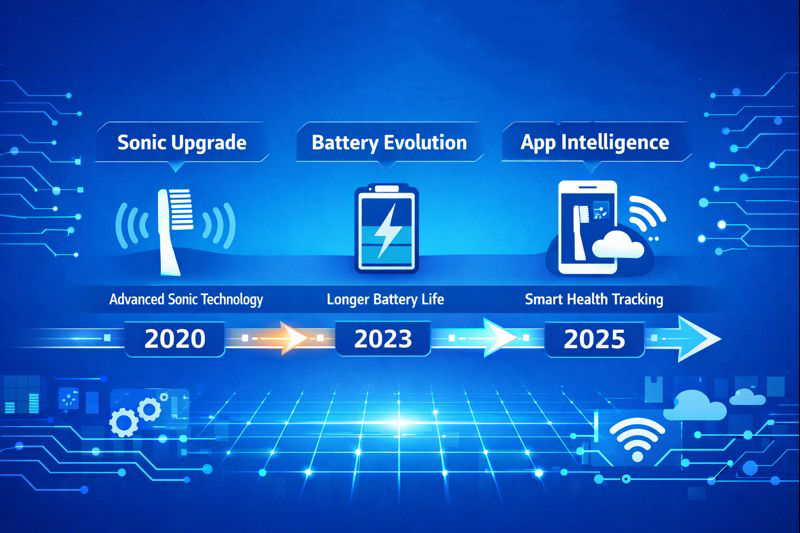
Sonic Technology: Smarter Power, Gentler Control
Next-Generation Sonic Motors (toothbrush innovation)
Sonic technology remains the backbone of modern electric toothbrush innovation. However, 2025 models go beyond raw vibration speed. New-generation sonic motors are designed to:
- Deliver more stable oscillation frequencies
- Reduce vibration noise
- Minimize hand fatigue through balanced torque distribution
Instead of chasing higher RPMs, manufacturers now optimize cleaning efficiency per vibration, a key milestone in toothbrush innovation.
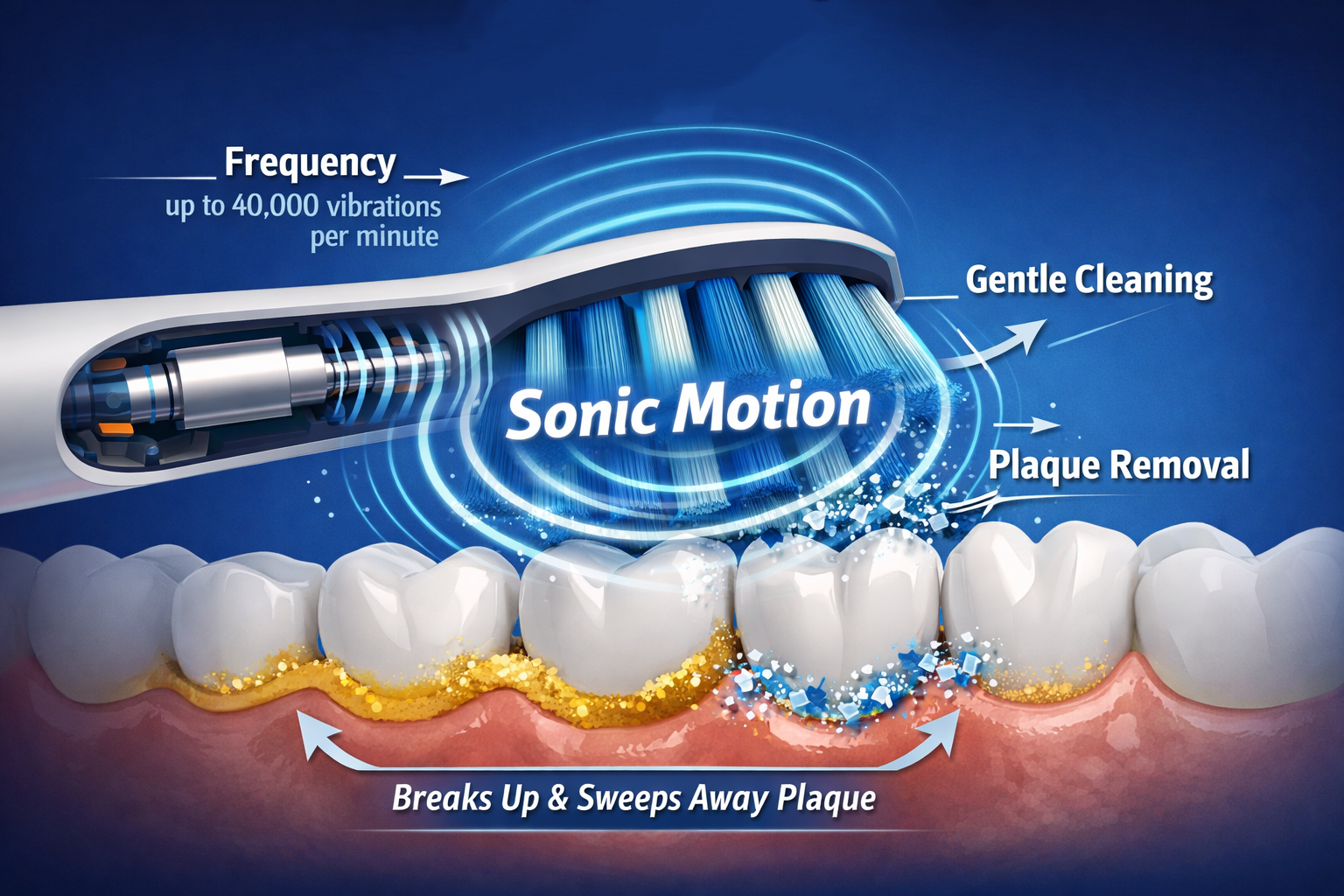
Adaptive Sonic Modes for Individual Needs
Another major advancement is adaptive sonic control. Brushes automatically adjust intensity based on:
- Brushing pressure
- Gum sensitivity
- Brush head position
This trend reflects a broader shift toward preventive oral care, where technology protects enamel rather than simply cleaning teeth.
Battery Innovation: Power That Matches Modern Lifestyles
Longer Battery Life with Faster Charging
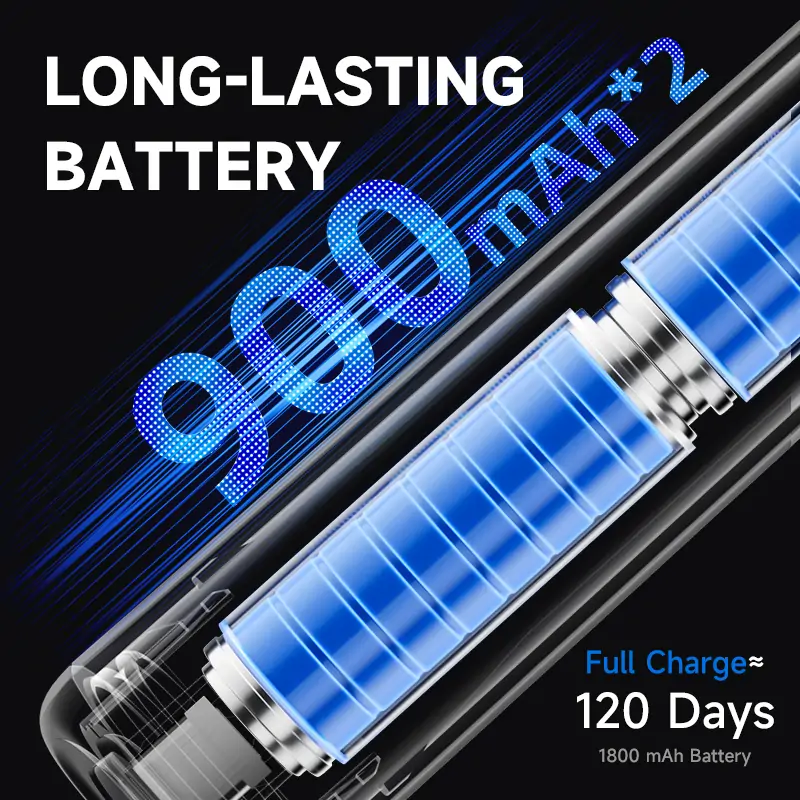
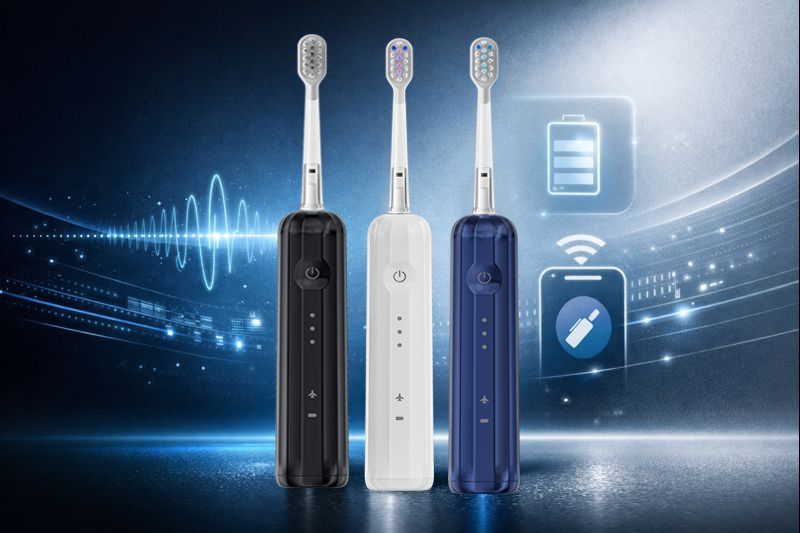
Battery technology is one of the most visible toothbrush innovation areas in 2025. Consumers increasingly expect electric toothbrushes to last weeks — not days — on a single charge.
Key battery trends include:
- High-density lithium cells
- Energy-efficient motor systems
- USB-C fast charging compatibility
Some premium models now last 30–45 days on a single charge. This matches the long battery expectations consumers have from modern mobile devices.
Sustainability and Battery Safety
Sustainability is also shaping toothbrush innovation. Brands are moving toward:
- Lower-energy standby modes
- Safer battery enclosures
- Compliance with global transport and safety standards
These improvements not only reduce environmental impact but also improve long-term product reliability.
App Integration: Where Toothbrush Innovation Becomes Smart Health Tech
Real-Time Brushing Feedback (toothbrush innovation)
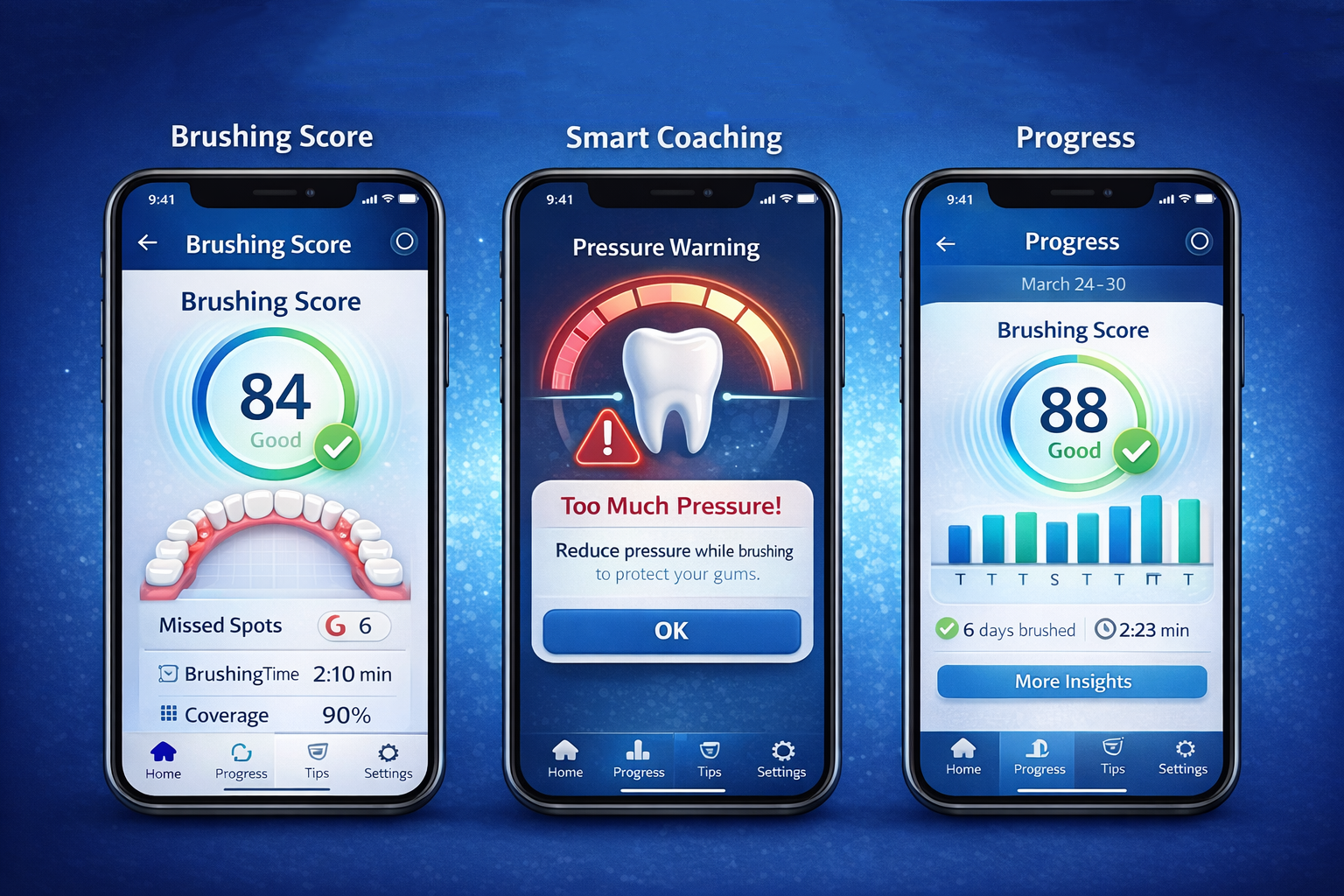
App-enabled electric toothbrushes are becoming mainstream rather than niche. In 2025, smart apps provide:
- Real-time brushing feedback
- Missed-area detection
- Pressure and duration alerts
This level of interaction transforms toothbrush innovation into behavioral coaching, helping users build healthier brushing habits over time.
Data-Driven Personalization
The most advanced apps now use historical brushing data to:
- Recommend personalized brushing modes
- Adjust intensity automatically
- Generate long-term oral health reports
For dental professionals and oral-care brands, this creates new opportunities for education, engagement, and product ecosystems.
According to Statista, smart oral-care devices are one of the fastest-growing areas in consumer health technology. These findings emphasize the increasing significance of digital toothbrush innovation.
Design and Ergonomics Supporting Innovation
While technology drives performance, industrial design ensures usability. 2025 electric toothbrush innovation focuses on:
- Slimmer handles with better grip balance
- Improved waterproof sealing
- Modular brush head systems
These refinements enhance user comfort while supporting advanced internal components.
How Manufacturers Are Responding to These Trends
OEM and ODM manufacturers are increasingly offering customizable solutions that combine:
- Sonic motor tuning
- Battery configuration options
- App-ready hardware architecture
Brands looking to expand their electric toothbrush portfolios can explore a wide range of modern solutions through professional suppliers. For example, manufacturers like OralGos provide advanced electric toothbrush designs aligned with 2025 technology trends.
This flexibility allows brands to enter the market with differentiated products without starting from scratch.
What Toothbrush Innovation Means for the Future
Looking ahead, toothbrush innovation will continue to blur the line between oral care devices and smart health tools. Future developments may include:
- AI-powered brushing analysis
- Integration with broader health platforms
- Cloud-based dental monitoring
As technology improves, electric toothbrushes will play an active role in daily health care. They will no longer be just a passive hygiene tool.
Final Thoughts
Electric toothbrush innovations in 2025 reflect a clear industry direction: smarter sonic performance, longer-lasting batteries, and intelligent app ecosystems. Together, these advances redefine toothbrush innovation as a combination of engineering, software, and user-centered design.
For brands and professionals in the oral-care market, keeping up with these trends is no longer enough. Staying relevant now requires embracing a technology-driven future.