Modern oral care technology has transformed the way we maintain dental hygiene. Among these innovations, the oscillation and vibration toothbrush delivers a superior clean, outperforming traditional manual brushes. Learning the engineering behind these toothbrushes can benefit everyone. Both consumers and oral-care professionals will better understand their design and effectiveness.
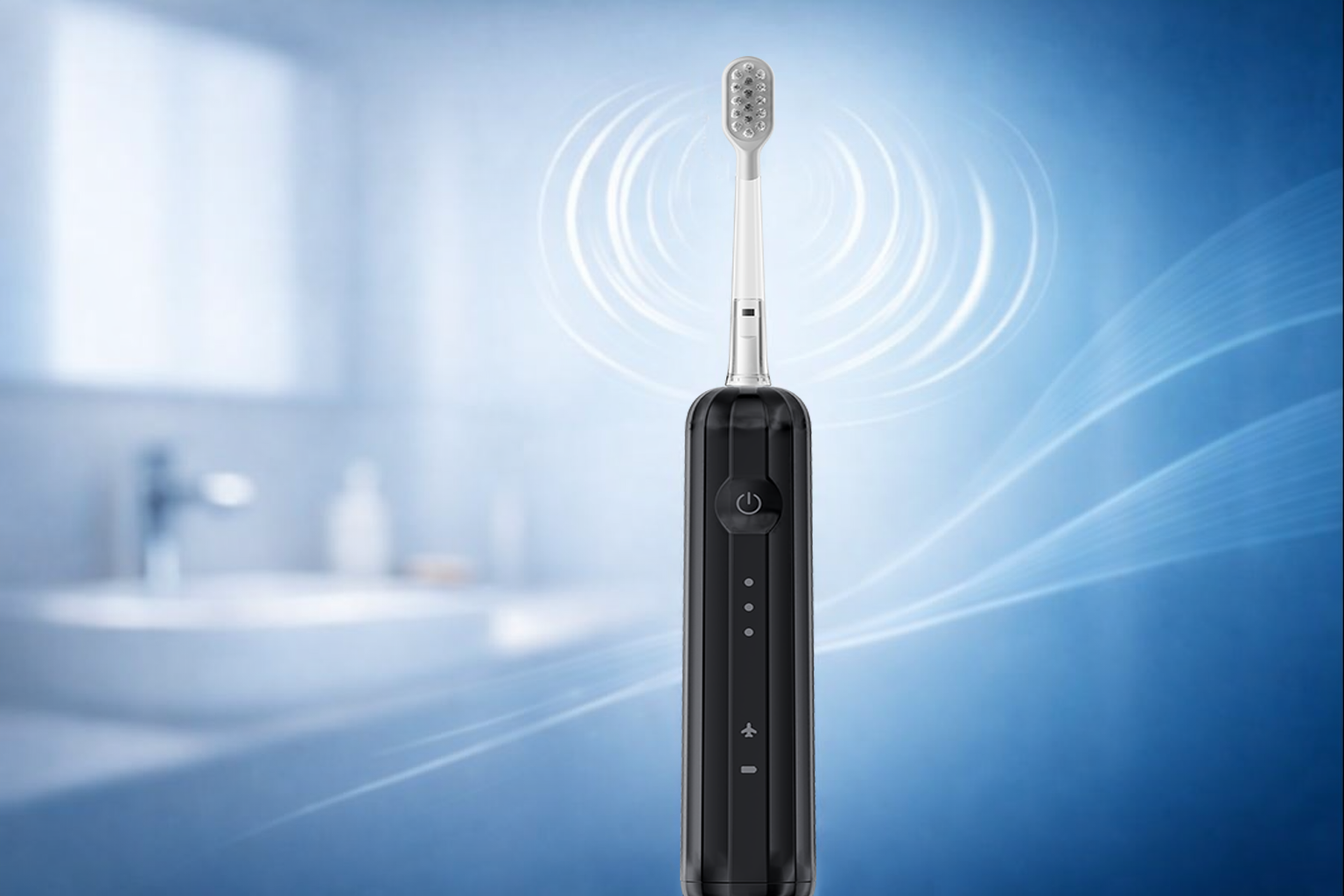
What is an Oscillation and Vibration Toothbrush?
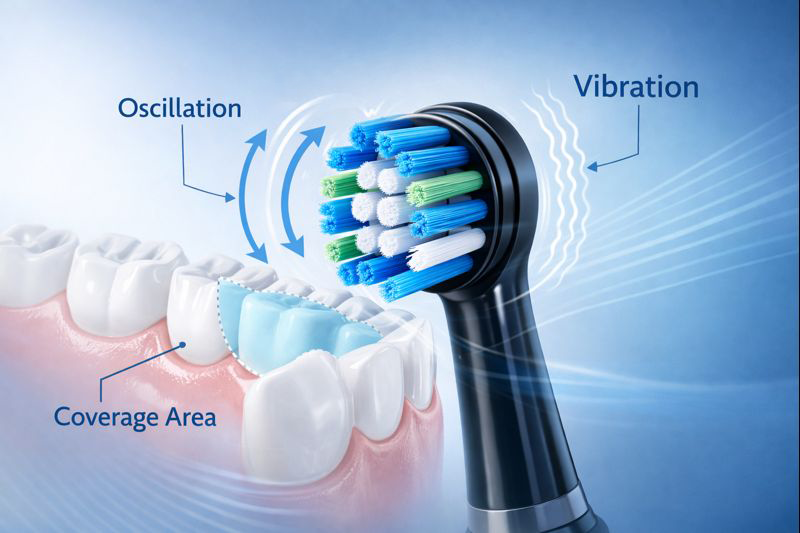
An oscillation and vibration toothbrush is an electric toothbrush designed to move its bristles in two main ways:
- Oscillation – The brush head rotates back and forth in a small arc, cleaning each tooth surface efficiently.
- Vibration – High-frequency vibrations help to dislodge plaque and food particles from hard-to-reach areas.
Combining these movements ensures that plaque removal is more thorough than with manual brushing. Studies have shown that oscillating and vibrating toothbrushes can reduce gingivitis and improve overall oral health when used correctly (American Dental Association).
Engineering Principles Behind the Technology
The design of an oscillation and vibration toothbrush involves intricate engineering to optimize performance and comfort.
Motor Mechanism and Power Transmission
At the heart of these toothbrushes is a compact, high-speed motor. A gear mechanism converts the motor’s rotation into oscillatory motion. Some advanced models use a dual-axis motor to produce simultaneous vibration and oscillation, enhancing cleaning efficiency.
Brush Head Design and Bristle Arrangement
Engineers carefully design the bristles of oscillating and vibrating toothbrushes. They vary in length, stiffness, and density to reach between teeth and along the gumline. Many brands use indicator bristles that fade over time to signal replacement, ensuring optimal hygiene.
Electronics and Timing Control
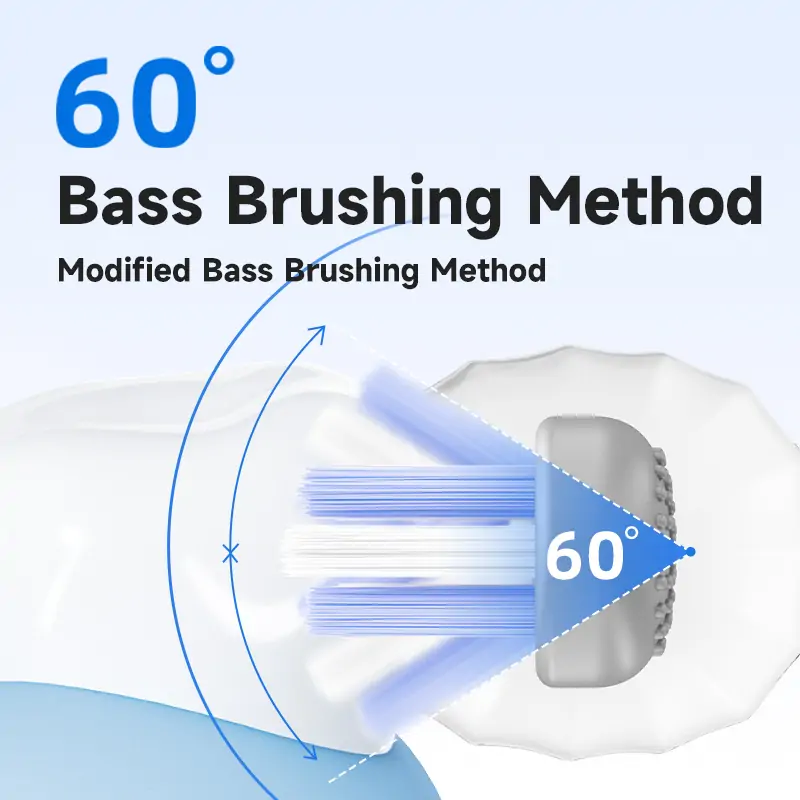
Modern toothbrushes use built-in electronic controls to regulate the frequency and amplitude of oscillation and vibration. This ensures that the brush delivers consistent performance, minimizes wear on enamel, and reduces gum irritation. Advanced timers and pressure sensors also guide users to brush for the recommended two minutes with proper technique.

Benefits of Using an Oscillation and Vibration Toothbrush
Switching from a manual toothbrush to an oscillation and vibration model provides several oral health benefits:
- Enhanced Plaque Removal: Oscillating motion targets plaque at the gumline and between teeth more effectively than manual brushing.
- Gum Health Improvement: Gentle vibrations stimulate the gums, improving circulation and reducing inflammation.
- Consistency: Automated brushing ensures a consistent cleaning pattern, especially for children or older adults.
For those interested in exploring a wide range of electric toothbrush options, visit OralGos electric toothbrush collection.
Choosing the Right Oscillation and Vibration Toothbrush
When selecting an oscillation and vibration toothbrush, consider the following factors:
- Brush Head Options: Some brands offer different brush heads for sensitive teeth, whitening, or orthodontic needs.
- Battery Life and Charging: Efficient lithium-ion batteries reduce downtime and maintain consistent motor performance.
- Smart Features: Advanced models include Bluetooth connectivity to track brushing habits through companion apps, improving long-term oral care.
Scientific Evidence and Dental Recommendations
Clinical studies consistently support the benefits of oscillation and vibration toothbrushes. For example, a study published in the Journal of Clinical Dentistry shows clear results. These toothbrushes reduce plaque and gingivitis more effectively than manual brushing over a six-week period. Dentists often recommend them for patients with orthodontic appliances, gum health issues, or dexterity challenges.
For further reading on oral health best practices, the Mayo Clinic’s guide to toothbrushes provides comprehensive insights.
Conclusion
Understanding how an oscillation and vibration toothbrush works shows why it is a better choice for maintaining oral hygiene. The precise combination of oscillatory and vibratory motions, smart electronics, and ergonomic design results in a more effective and consistent brushing experience. Whether for personal use or professional recommendation, these toothbrushes are a critical advancement in oral care technology.