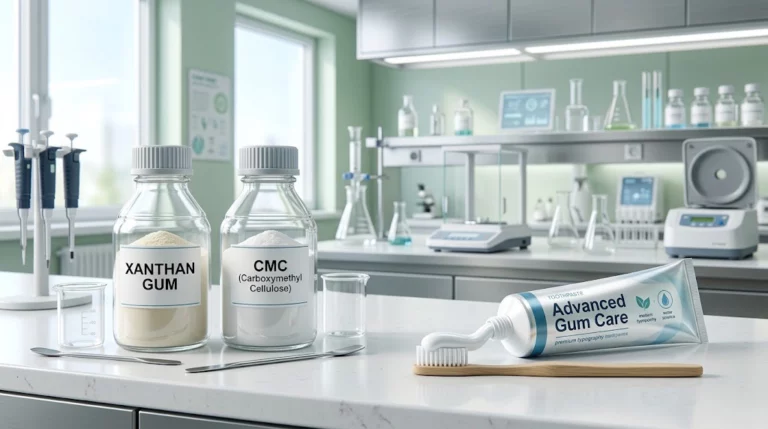
Water flossers have become an important tool in modern oral care. They offer an effective alternative to traditional string floss. A carefully engineered manufacturing process stands behind every reliable device, balancing performance, safety, and durability. Understanding how manufacturers produce water flossers helps brands and buyers evaluate product quality with greater confidence. This article covers the full production journey. It focuses on water flosser tip design, which affects cleaning efficiency and user comfort.
Concept Development and Engineering Design for Water Flosser Components
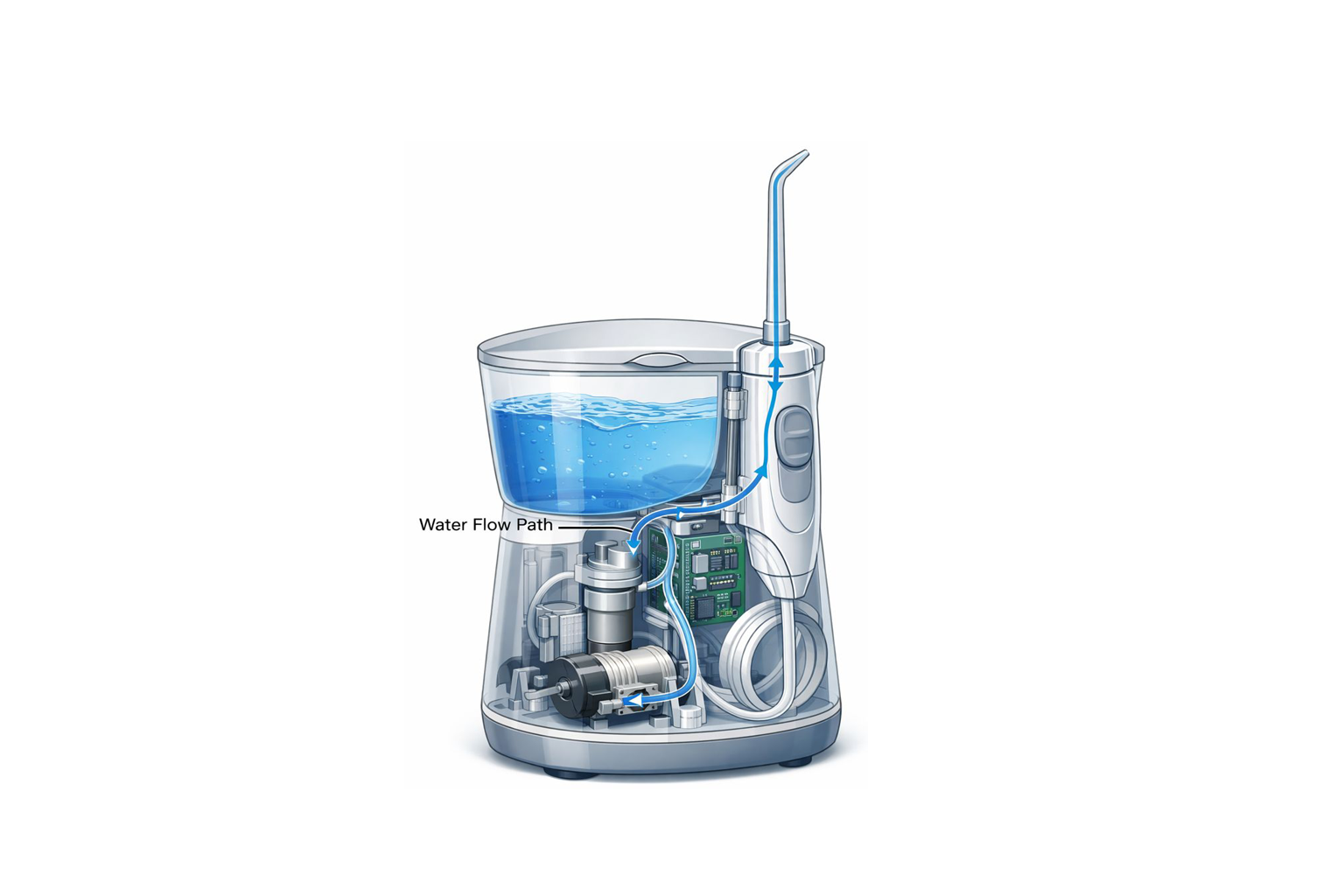
The manufacturing process begins long before engineers produce any physical components. Product teams start with user research, clinical feedback, and market requirements. During this stage, engineers define core performance targets such as pressure range, pulse frequency, operating noise, and handling comfort.
The Role of Water Flosser Tip Design in Early Prototyping
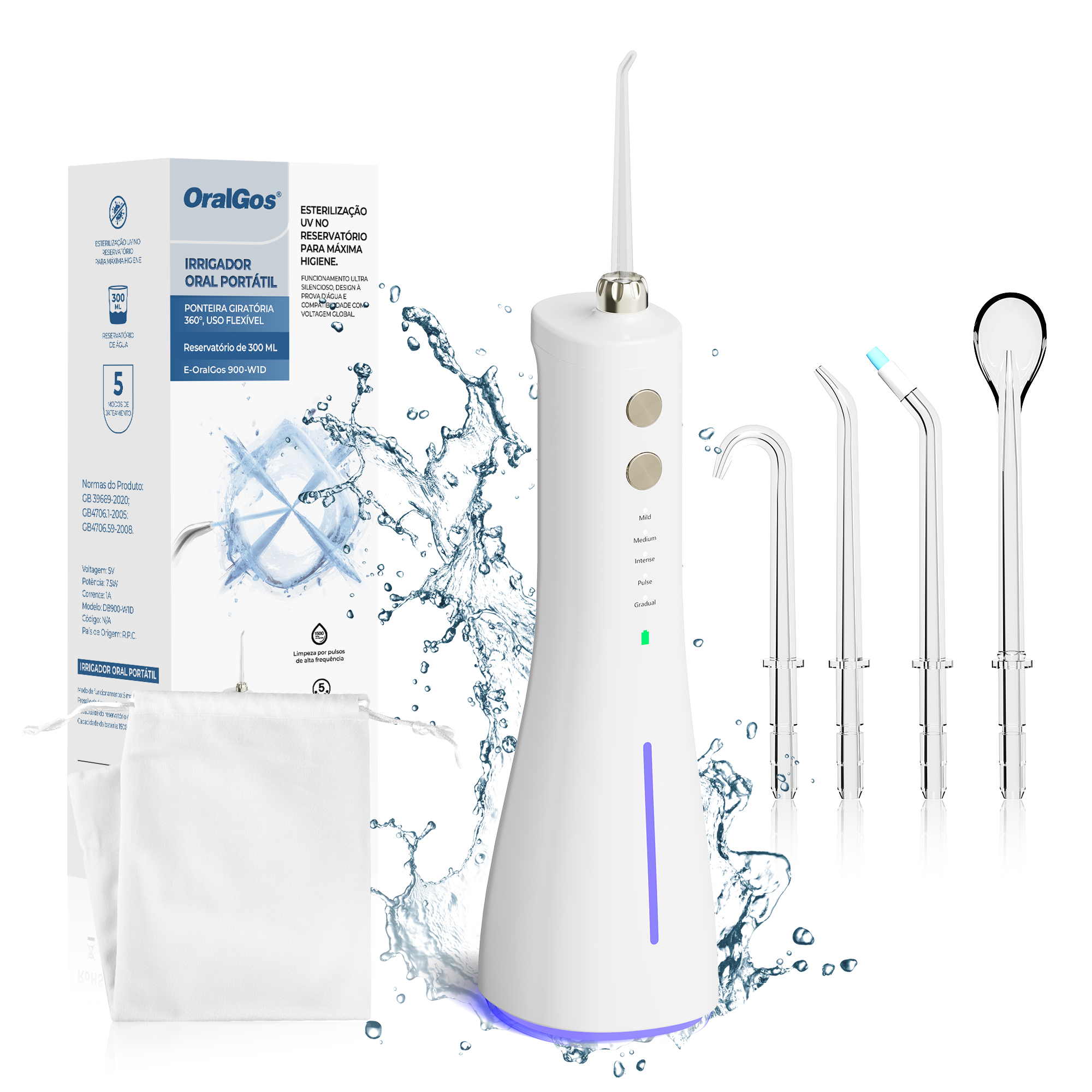
One of the earliest technical decisions involves water flosser tip design. Different tip shapes—standard jet, orthodontic, periodontal, or tongue-cleaning tips—require distinct internal channel structures and nozzle diameters. Engineers simulate water flow using CAD software to ensure consistent pressure delivery without splashing or tissue irritation.
A well-designed tip improves plaque removal in hard-to-reach areas while keeping the brushing experience gentle. For this reason, engineers often develop multiple prototypes before finalizing the design.
Material Selection and Manufacturing of Water Flosser Tips and Components
Once designs are finalized, manufacturers select materials based on safety, durability, and regulatory compliance. Manufacturers commonly use medical-grade plastics such as ABS or food-contact-safe polymers for water reservoirs and tips.
Precision Molding for Water Flosser Tip Design
Injection molding is the primary method for producing tips. Because water flosser tip design involves narrow internal channels, molds must achieve extremely tight tolerances. Even minor deviations can affect spray consistency or cause pressure loss.
To ensure reliability, factories conduct dimensional inspections and flow tests on sample tips from each production batch. This step helps prevent leakage, clogging, or uneven water jets during real-world use.
Assembly of Internal Water Flosser Systems
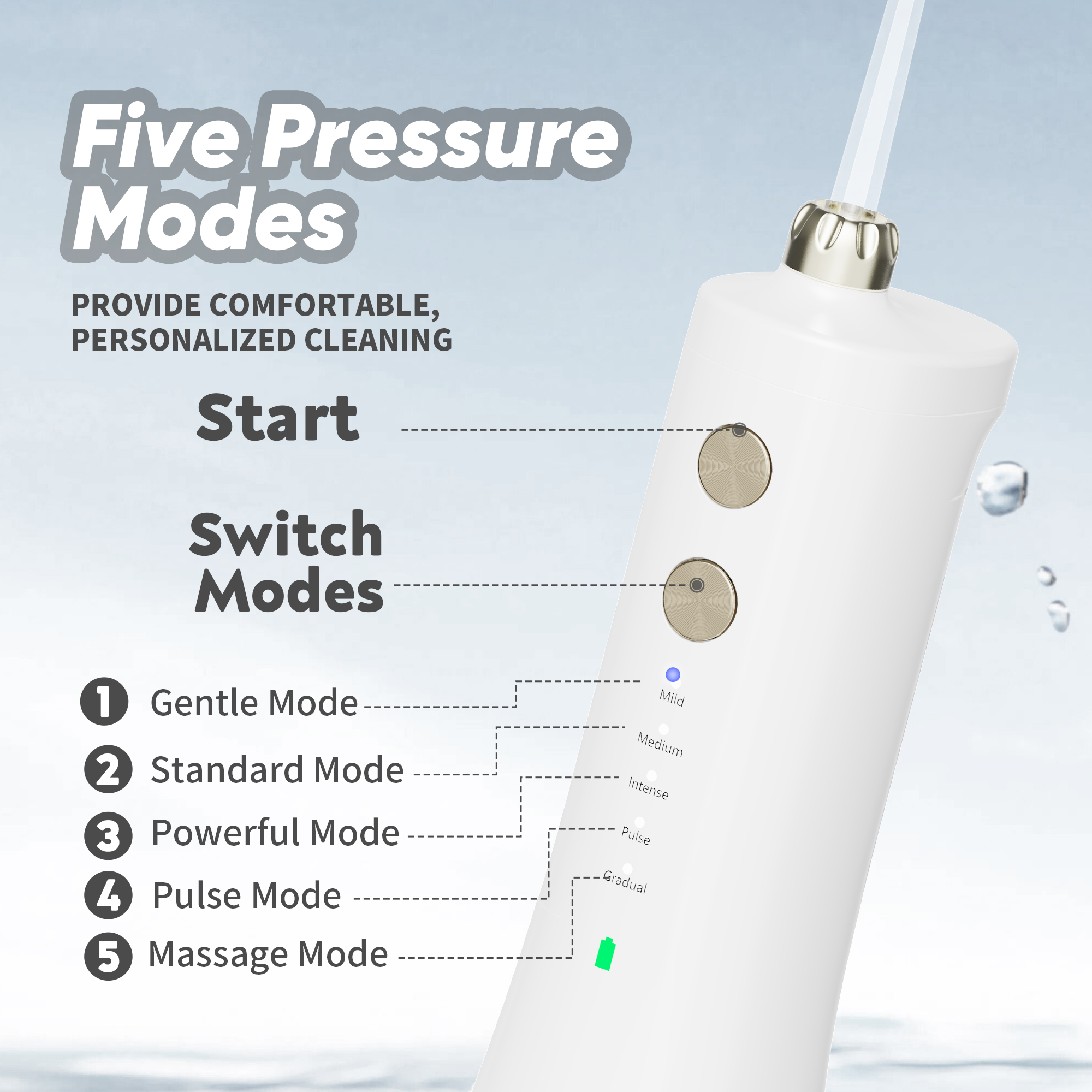
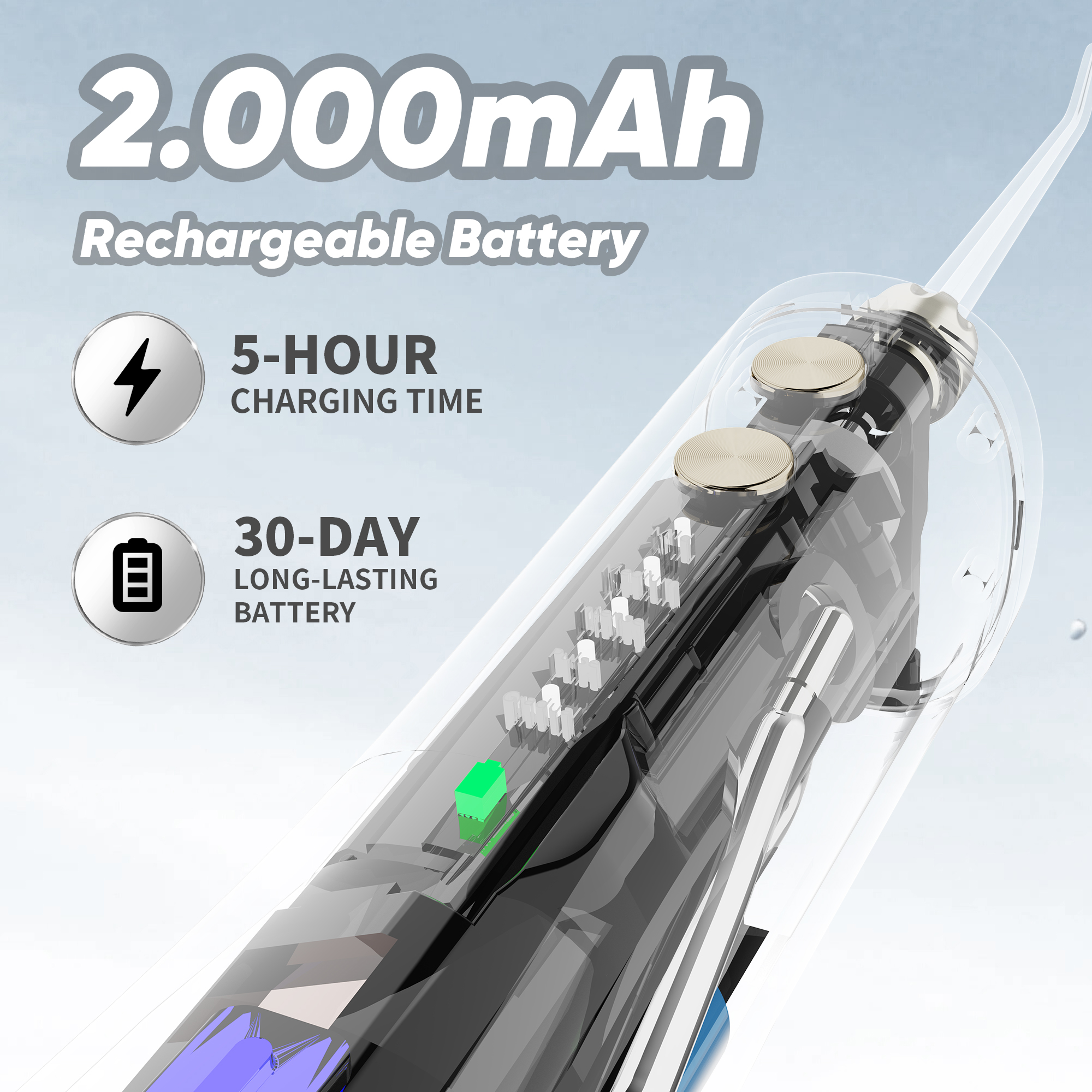
After manufacturers produce individual components, assembly begins. Key internal systems include:
- High-pressure water pump
- Motor and power control board
- Silicone tubing and seals
- Water reservoir and housing
Automated and semi-automated assembly lines are often combined to improve efficiency while maintaining quality control. Sealing accuracy is especially critical, as water flossers must withstand repeated exposure to moisture without electrical failure.
Quality Control and Performance Testing of Water Flosser Tips
Before packaging, finished products undergo multiple quality checks. These typically include pressure testing, leakage inspection, and electrical safety verification.
Why Water Flosser Tip Design Is Tested Separately
In many factories, engineers evaluate water flosser tip design independently from the main unit. Quality control teams test tips for spray angle consistency, connection stability, and resistance to repeated attachment and removal. This ensures compatibility with the handle and long-term usability for consumers.
Some manufacturers follow clinical guidance from the American Dental Association. This organization provides general standards and oral care recommendations for effective interdental cleaning.
Packaging, Compliance, and Final Inspection for Oral Irrigation Devices
Once devices pass inspection, they move to packaging lines. Packaging design must protect sensitive components while clearly communicating usage instructions and safety information. Before shipment, the company verifies compliance with CE, FDA, or other regional standards for export markets.
Manufacturers producing private-label or OEM water flossers often customize packaging and accessory configurations, including multiple tip types tailored to different user needs.
From Factory to Consumer: Why Manufacturing Transparency Matters
When brands and distributors understand how manufacturers produce water flossers, they make smarter sourcing decisions. From engineering precision to material safety, every stage influences the final user experience.
For buyers exploring professional-grade options or OEM solutions, reviewing product categories from established manufacturers can provide useful benchmarks. You can explore a range of professional water flosser solutions here.
Final Thoughts
A water flosser includes more than a pump and a reservoir. It reflects careful design, engineering, and quality control. Water flosser tip design is a key component. It connects advanced technology with everyday oral care performance.
Brands that want to compete in the oral care market must invest in manufacturing precision and careful tip engineering. These elements form the foundation of long-term product success.