In recent years, Hydroxyapatite Toothpaste has gained attention in the oral care industry as a promising alternative to traditional fluoride toothpaste. Touted for its enamel-strengthening properties, this toothpaste is derived from the same mineral that constitutes human tooth enamel and bone. But how does it actually work, and are there situations where it may not provide the results users expect? This article explores the science behind HA toothpaste, its benefits, and its limitations.

What Is Hydroxyapatite Toothpaste?
Hydroxyapatite (HA) is a naturally occurring form of calcium phosphate, a mineral essential to the structure of teeth and bones. In toothpaste formulations, synthetic nano-hydroxyapatite particles are used to repair microscopic enamel damage, reduce sensitivity, and enhance overall tooth strength. Unlike fluoride, which primarily prevents demineralization by forming fluorapatite, hydroxyapatite provides the building blocks for enamel repair directly.
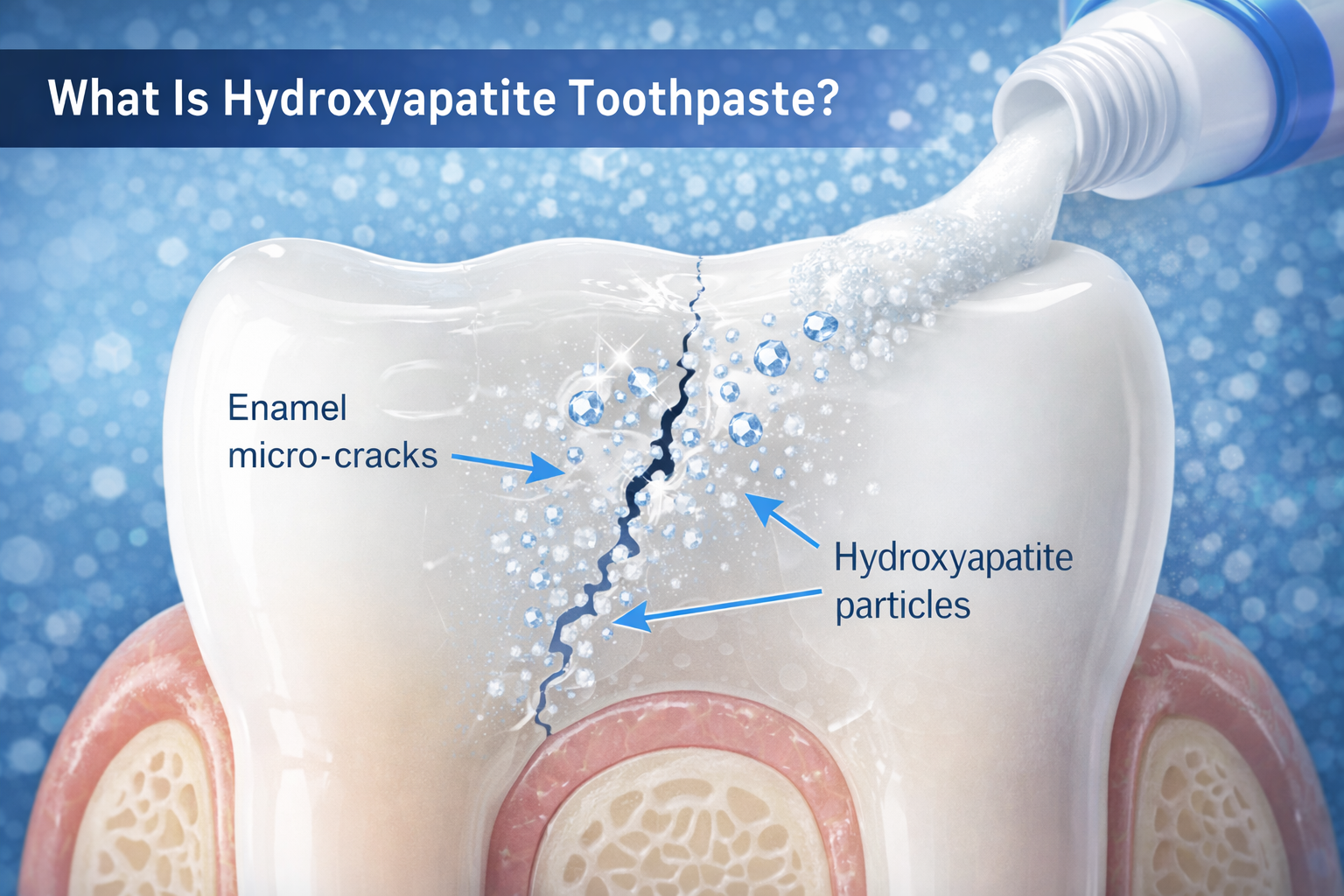
How it works:
- Nano-hydroxyapatite particles penetrate enamel micro-cracks.
- They bond with damaged areas, helping to restore enamel density.
- They create a protective layer that reduces bacterial adhesion and plaque formation.
This mechanism explains why HA toothpaste is especially popular among individuals seeking non-fluoride oral care options or those with sensitive teeth.
Key Benefits of Hydroxyapatite Toothpaste
- Enamel Remineralization
One of the strongest selling points of hydroxyapatite toothpaste is its ability to remineralize enamel. Scientific studies suggest that consistent use can help rebuild weakened enamel layers and reduce sensitivity. - Whitening Without Abrasion
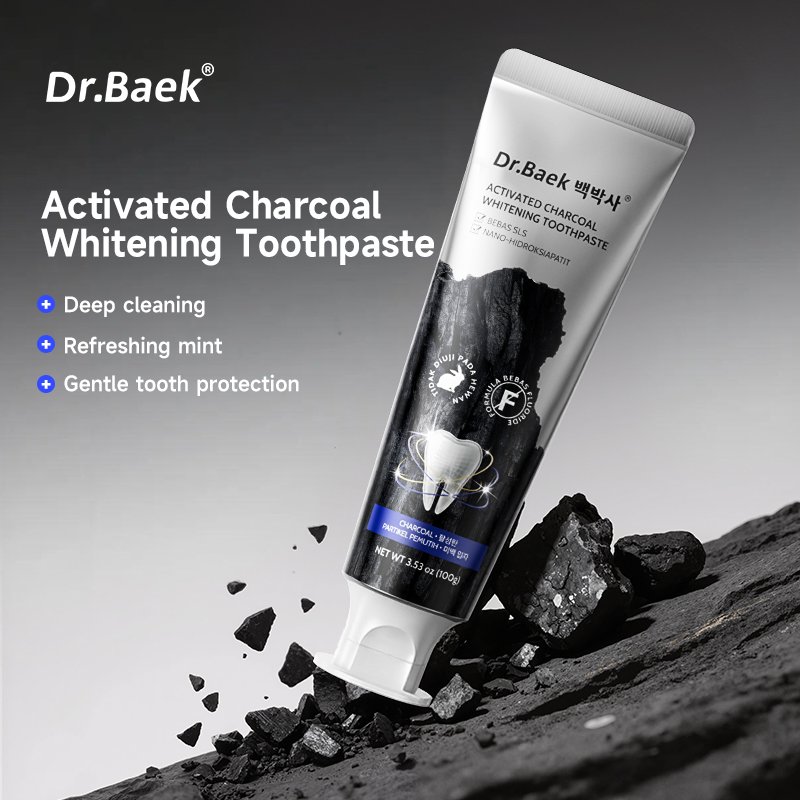
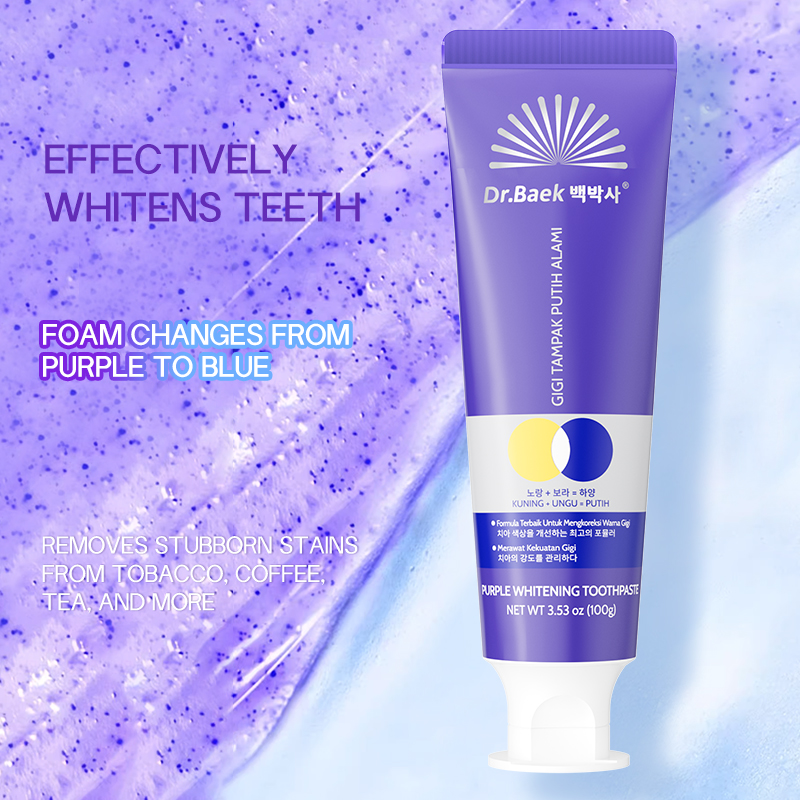
Hydroxyapatite particles gently polish the teeth, making them appear whiter without the harsh abrasives used in some whitening toothpastes. For users looking for additional whitening effects, products like Activated Charcoal Whitening Toothpaste or Enamel Strengthening Whitening Toothpaste can complement HA toothpaste in a comprehensive oral-care routine. - Safety and Biocompatibility
Being a naturally occurring mineral, hydroxyapatite is non-toxic and safe for all age groups. Unlike some chemical whitening agents, it is less likely to cause irritation or sensitivity.
Situations Where Hydroxyapatite Toothpaste May Fall Short
While hydroxyapatite toothpaste offers numerous benefits, it has limitations that every consumer and dental professional should consider:
- Limited Antibacterial Action
HA toothpaste primarily strengthens enamel but does not possess significant antibacterial properties. Individuals with high cavity risk may still need fluoride-based products or antibacterial formulations for optimal protection. The American Dental Association (ADA) emphasizes that fluoride remains the gold standard for caries prevention in most cases. - Not a Substitute for Professional Whitening
Although hydroxyapatite toothpaste can gently brighten teeth, it is not designed to remove deep stains or discoloration caused by coffee, tea, or tobacco. For pronounced whitening, patients may require professional treatments or complementary products like activated charcoal toothpaste. - Slow Visible Results
Unlike bleaching agents that can show dramatic results in days, HA toothpaste works gradually. Users seeking instant whitening or fast cavity prevention may need to adjust expectations.
Integrating HA toothpaste Into Your Routine
To maximize benefits, dental professionals recommend using hydroxyapatite toothpaste twice daily, combined with proper brushing technique and flossing. For individuals focused on both enamel protection and whitening, alternating or combining HA toothpaste with products like Enamel Strengthening Whitening Toothpaste can create a balanced regimen.
Pro tip: Pairing HA toothpaste with a soft-bristled toothbrush minimizes enamel wear while allowing hydroxyapatite particles to adhere effectively.
Conclusion
Hydroxyapatite Toothpaste is a scientifically backed option for those seeking enamel repair, gentle whitening, and safe oral care. Its unique mechanism of repairing micro-damage sets it apart from traditional fluoride or abrasive whitening pastes. However, it should not be considered a cure-all. For comprehensive oral health, combining HA toothpaste with ADA-recommended practices, professional cleanings, and targeted whitening products ensures optimal results.
By understanding both its strengths and limitations, dental professionals and consumers can make informed choices about incorporating hydroxyapatite toothpaste into daily oral care routines.