On hot days, many consumers turn to chilled, carbonated drinks for a crisp and refreshing hydration option. Sugary sodas carry well-known health risks. Consequently, millions of people are switching to sugar-free carbonated water as a guilt-free alternative. It has no calories, no sugar, and satisfies that craving for bubbles. However, drinking multiple sparkling beverages daily raises an important question: Is this fizzy habit secretly damaging your teeth? Examining the science of carbonated water and teeth reveals exactly how these fizzy beverages interact with your protective enamel.
The Science: How Carbonated Water and Teeth Interact
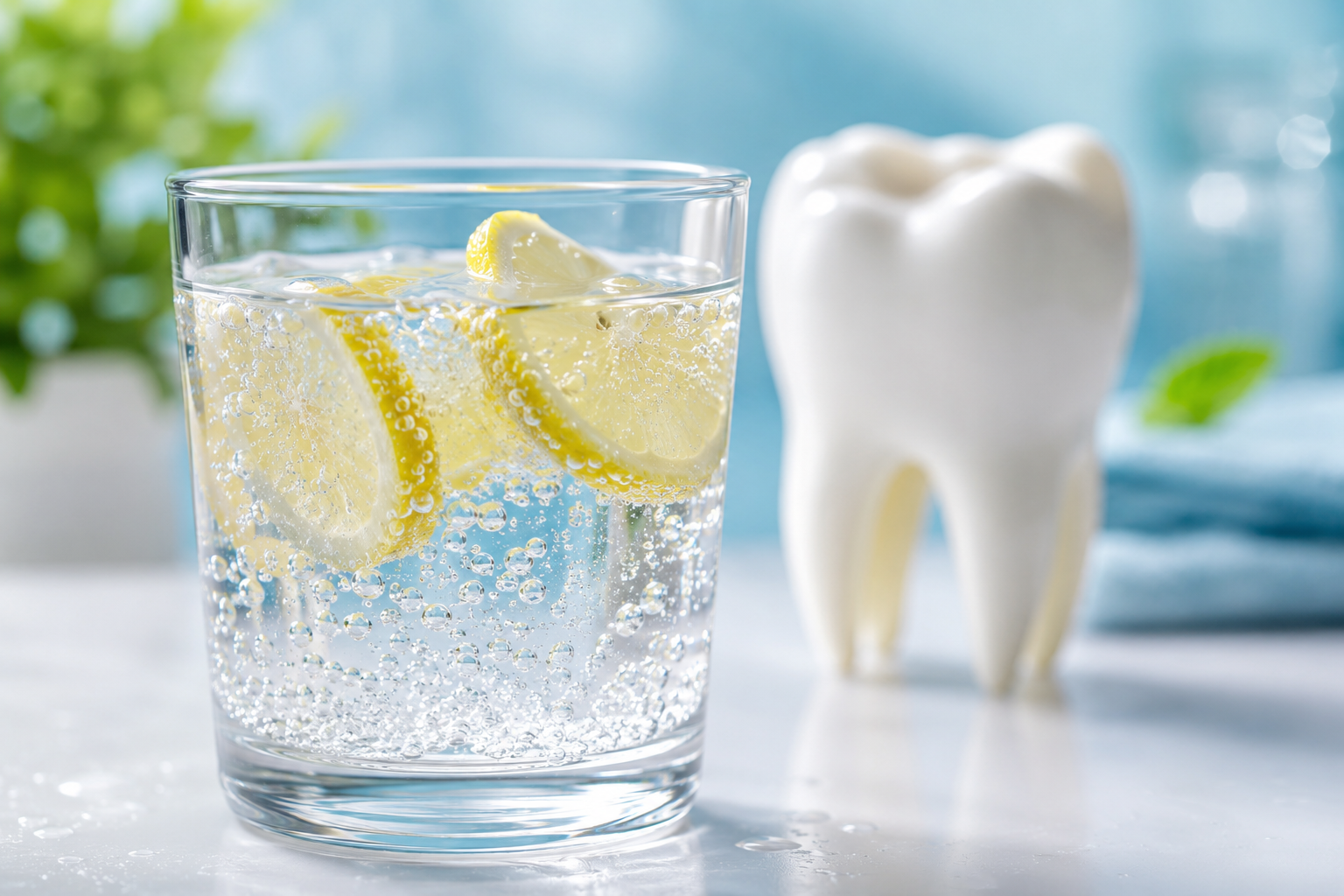
The main concern surrounding sparkling water isn’t sugar—it is acid. Manufacturers create carbonated water by dissolving carbon dioxide gas into water under high pressure. This chemical reaction produces carbonic acid, which gives the drink its signature tangy bite.
Because of this acid, sparkling water has a lower pH than regular tap water. While pure water sits at a neutral pH of 7, plain carbonated water typically ranges between 3 and 4.0. Tooth enamel begins to soften and demineralize when the mouth’s pH drops to 5.5 or lower.
What Does Dental Research Say About Sparkling Water?
However, clinical perspectives on this issue provide a more reassuring outlook. The ADA confirms that plain carbonated water is safe for teeth and vastly healthier than sugary alternatives. Because the carbonic acid in plain sparkling water is weak, it rarely causes significant enamel erosion on its own.
However, the narrative changes dramatically when we look at flavored carbonated waters. Many popular brands add citric acid or other natural fruit flavorings to enhance the taste. These additives can drop the pH level to 3 or lower. This highly acidic environment puts your enamel at serious risk.
Tips to Protect Your Enamel From Acid Erosion
However, enjoying these beverages safely does not mean you must abandon them entirely. You can easily minimize the potential friction between carbonated water and teeth by adopting a few smart dental habits.
1. Pair Your Carbonated Water with Meals
When you eat, your mouth produces an abundance of saliva. Saliva is your body’s natural defense against acid. It helps neutralize low pH levels and flushes away food particles. Enjoying your fizzy water alongside a meal significantly buffers the acid’s impact on your teeth.
2. Don’t Swish or Linger the Acidic Liquid
To minimize acid exposure, consume carbonated water promptly rather than allowing the liquid to linger in your mouth. Swishing the liquid around your mouth or holding it in your cheeks prolongs the acid exposure to your enamel. Using a straw can also help bypass your front teeth entirely.
3. Upgrade Your Oral Hygiene Routine for Enamel Protection
Maintaining a robust daily cleaning regimen ensures your enamel stays strong enough to resist occasional acid exposure. Investing in the right tools is essential for keeping plaque at bay and strengthening your teeth.
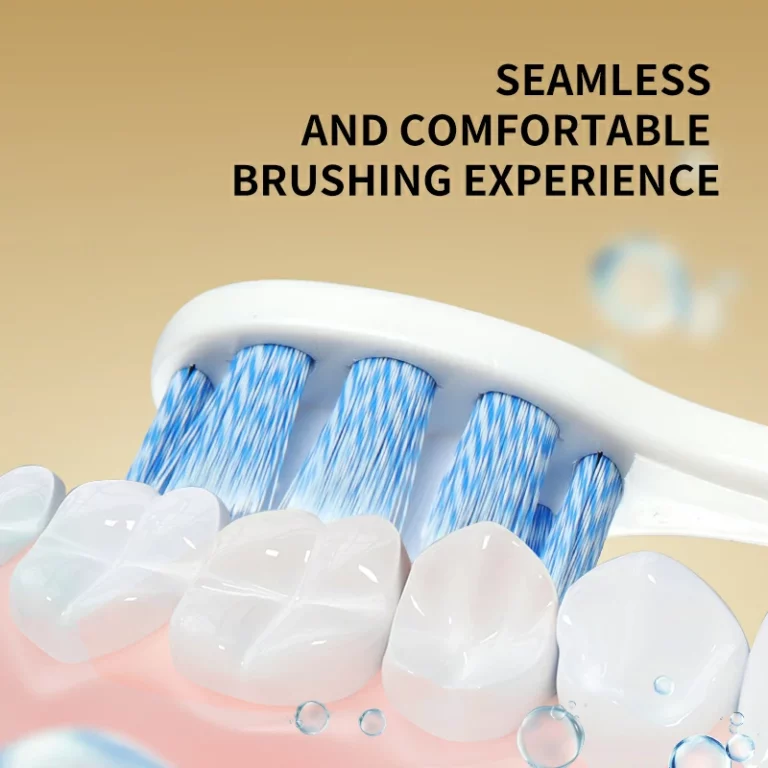
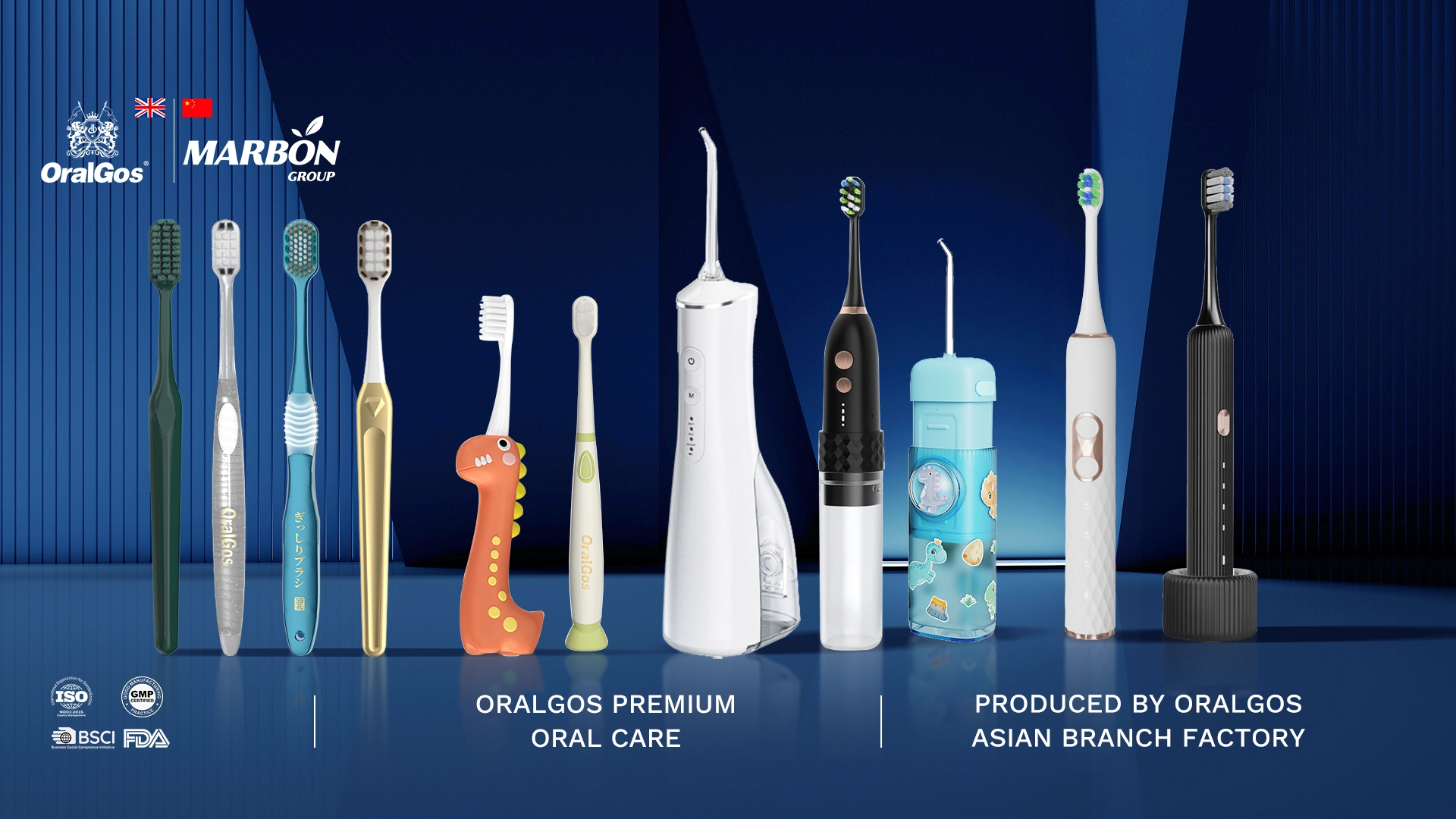
- Switch to an Advanced Brush: Weakened enamel requires gentle care. Upgrading to a high-quality electric toothbrush allows you to remove plaque effectively without harsh scrubbing. If you prefer a traditional route, ensure you are using a soft-bristled manual toothbrush to prevent abrasive damage.
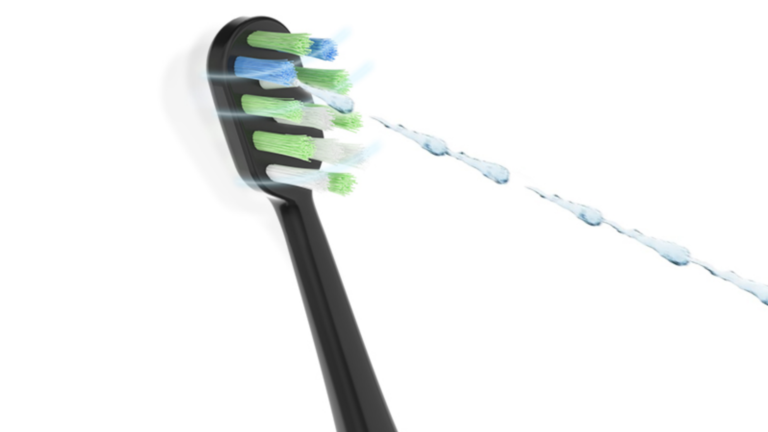
- Clean Between the Teeth: Acid and bacteria love to hide in the tight spaces between your teeth. Adding a powerful water flosser to your nightly routine can effortlessly flush out debris and keep your gums healthy.
The Bottom Line on Carbonated Water and Teeth
So, is sugar-free carbonated water ruining your enamel? The short answer is: not if you drink it mindfully. Plain sparkling water poses minimal risk to dental health, making it an excellent alternative to sugary drinks. However, constantly sipping citrus-flavored varieties throughout the day can silently weaken your enamel.
To protect your bright smile, enjoy sparkling water in moderation, choose plain options, and use the right oral hygiene tools.