Dental implants have transformed restorative dentistry, offering a permanent, natural-looking solution for missing teeth. Unlike traditional dentures, implants fuse directly with your jawbone, providing unmatched stability and functionality. However, a common misconception is that because implants are artificial, they do not require meticulous maintenance. In fact, knowing how to care for dental implants is the best way to keep them healthy and make them last.
Regular brushing is essential, but it cannot reach the deep spaces under your implant crown or around the gumline. To keep your mouth healthy, using a water flosser every day is now a must.
Why Traditional Floss Falls Short for Implants
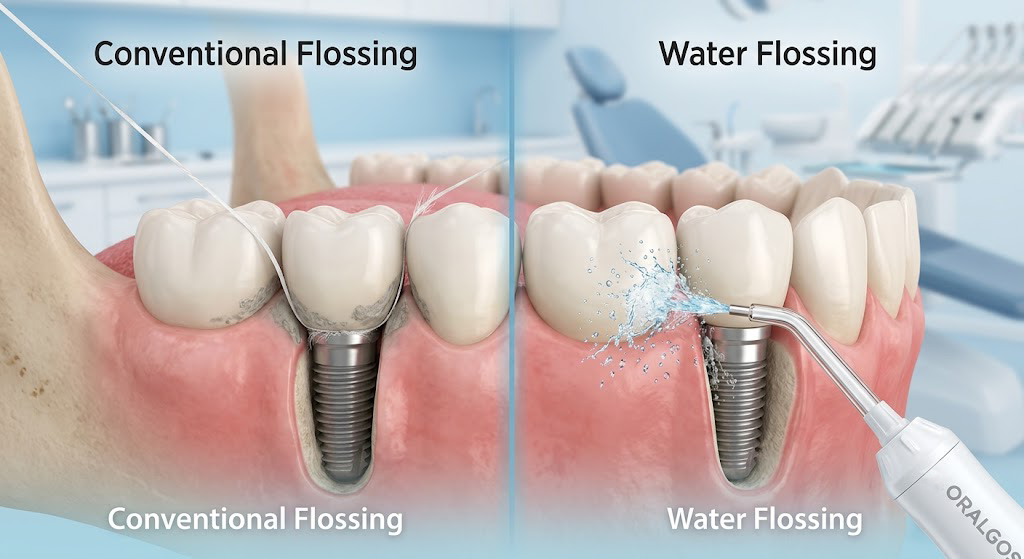
When patients look into how to care for dental implants, they often default to traditional string floss. While string floss works well for natural teeth, dental implants have a unique structure.
The periodontal ligament attaches natural teeth to the surrounding bone and acts as a barrier against bacteria. Implants, conversely, rely on a direct bond where they fuse with the jawbone. Undisturbed plaque allows bacteria to easily invade the tissues around your implant.
Traditional string floss can easily tear or leave tiny fibers on the rough surface of your implant. These trapped fibers can become breeding grounds for bacteria, leading to inflammation. Furthermore, aggressive string flossing can break the delicate peri-implant seal, which pushes bacteria deeper into the gum pocket.
The Crucial Steps on How to Care for Dental Implants
You need a targeted hygiene strategy to prevent serious complications. This includes gum inflammation and bone loss around your implants. To learn how to care for dental implants effectively, you need tools that clean deeply without hurting your gums.
Keeping the gums around your implant clean and healthy is vital to prevent failure. In fact, clinical guidelines from the American Dental Association call this the most critical step. This is exactly where high-pressure water technology excels.
A premium water flosser shoots a pulsing stream of pressurized water deep between your teeth. This easily removes plaque and food particles that regular floss cannot reach.
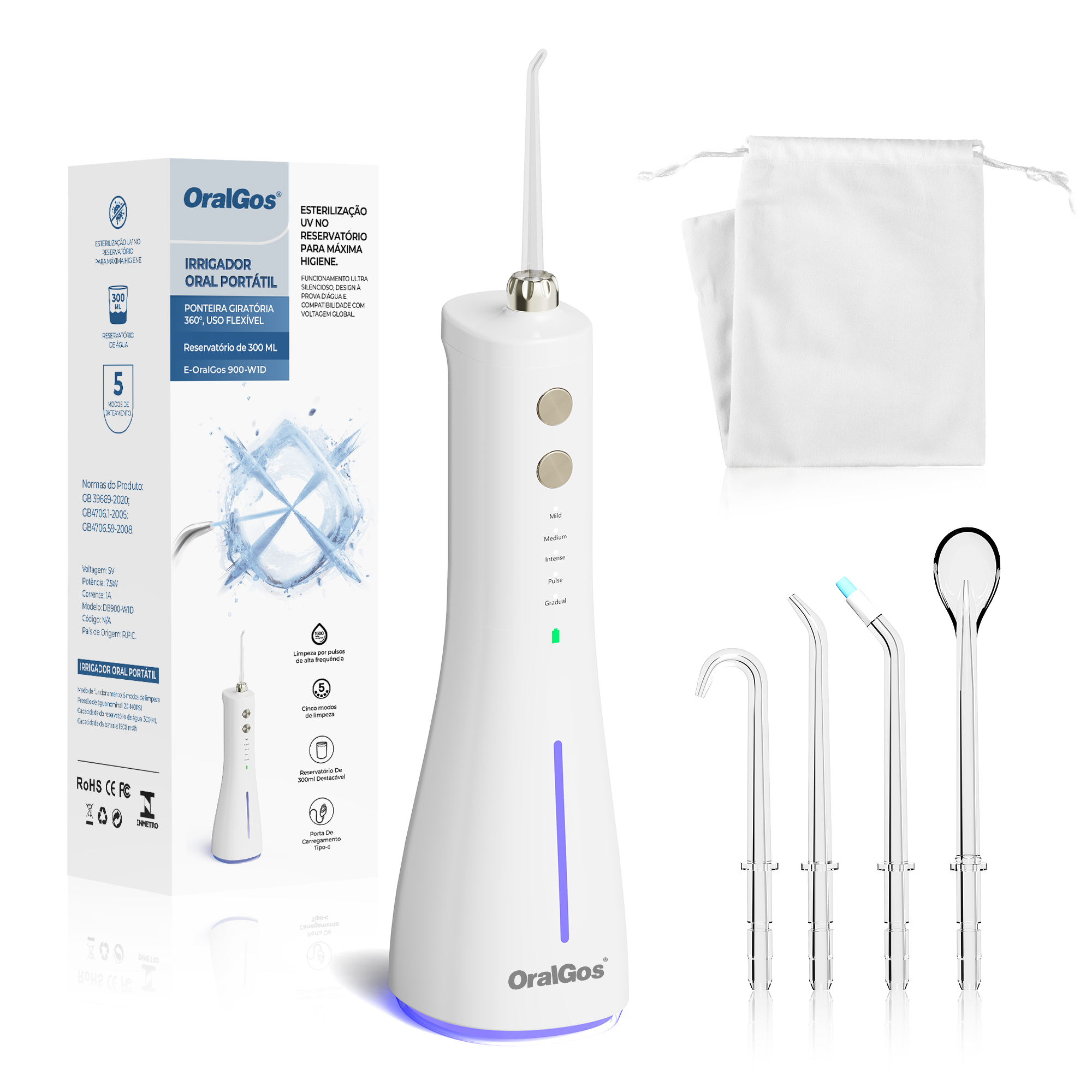
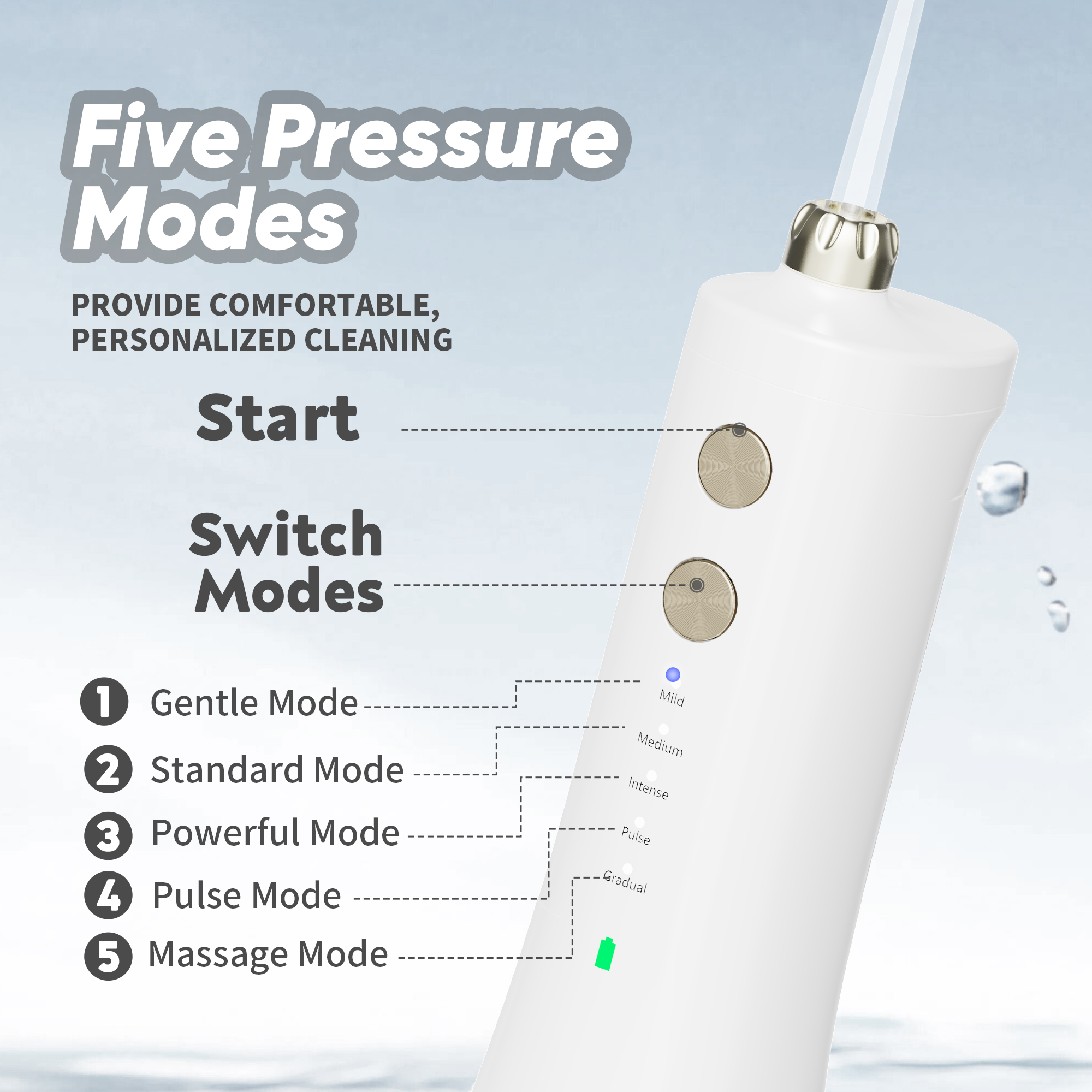
Utilizing a Water Flosser: The Ultimate Guide on How to Care for Dental Implants
To get the best oral hygiene routine, choosing the right device is key. A premium water flosser safely cleans beneath the gums without harming your dental work.
A portable cordless water flosser is perfect if you travel often or want a clutter-free bathroom counter.
When using a water flosser around your implants, follow these best practices:
- Choose the Right Pressure: Start on a low or medium pressure setting to gently clean the gums around your implant without hurting.
- Angle the Tip Correctly: Position the nozzle at a 90-degree angle to your gumline. Pause briefly between each tooth to allow the water jet to flush out the interdental spaces.
- Follow the Contour: Carefully follow the shape of your implant crown, making sure the water reaches beneath the edges.
Key Benefits of Water Flossing for Implant Patients
- Enhanced Biofilm Disruption: Studies show that water flossing is highly effective. It reduces bleeding gums and removes more plaque than regular string floss.
- Gentle on Soft Tissues: The pulsing water gently massages your gums. This improves blood circulation around your implant without scratching or hurting the sensitive tissue.
- Unmatched Reach: Implants are often part of complex dental bridge systems or implant-supported dentures. Water flossers effortlessly navigate beneath bridges and around bars where traditional tools fail.
Long-Term Maintenance for a Lifetime Smile
Achieving a healthy balance of bacteria in your mouth requires consistency. Alongside your daily home care routine, regular professional cleanings and dental check-ups are essential. Your hygienist can monitor the bone around your implant and ensure your home care routine is working perfectly.
By upgrading to an advanced water flosser, you give your implants the clean environment they need to last a lifetime. Protect your smile, safeguard your oral health, and give your dental implants the specialized care they deserve.