As a cornerstone of daily oral hygiene, toothpaste is a product found in virtually every household. This essential oral care product actively protects dental enamel, brightens smiles, and prevents cavity formation. While toothpaste excels at maintaining oral hygiene, manufacturers formulate it strictly for brushing—not consumption. Have you ever swallowed a bit of foam by mistake while brushing? Similarly, parents often struggle to prevent toddlers from swallowing pleasantly flavored formulas during oral care. Consequently, it is essential to understand what happens if you swallow toothpaste and evaluate the associated health risks.
This comprehensive guide analyzes the systemic effects of ingestion, identifies high-risk chemical ingredients, and outlines medical protocols for accidental exposure.
The Short Answer: What Happens If You Swallow Toothpaste?
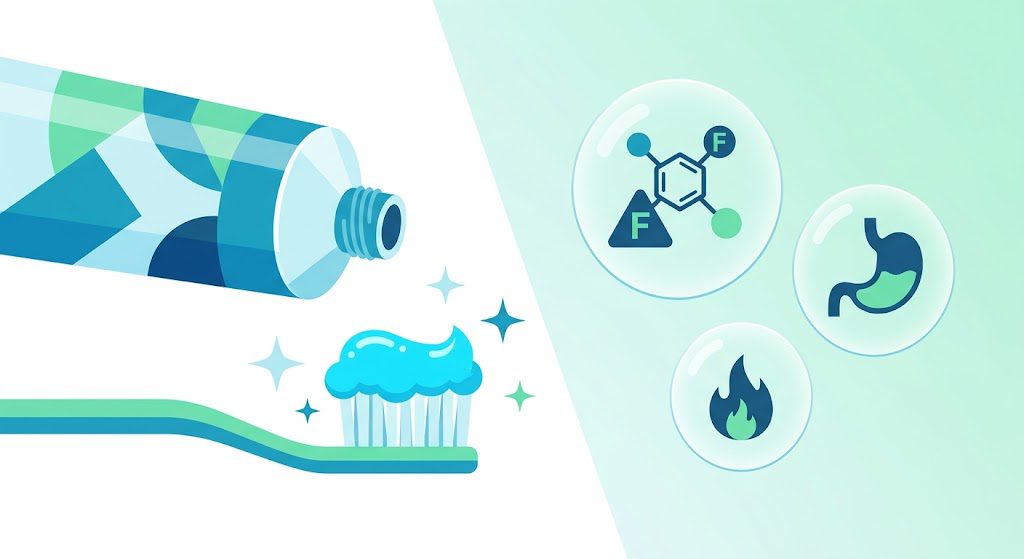
For the average adult, swallowing a tiny, pea-sized amount of toothpaste by mistake while rinsing is completely harmless. Your stomach acid will break it down, and it will pass through your system without causing a single symptom.
However, what happens if you swallow toothpaste in large quantities is a entirely different story. Consuming a significant amount of toothpaste can lead to severe stomach upset, toxicity, and in rare cases, medical emergencies. Sweet, artificial flavors present a high risk for young children, who love the taste but cannot yet spit out the product properly.
Toxic Ingredients to Watch For When Swallowing Toothpaste
To understand why swallowing toothpaste can be dangerous, we have to look closely at the chemical formulation. Toothpaste contains active ingredients that clean enamel and eliminate bacteria. However, these chemicals do not belong in your digestive tract.
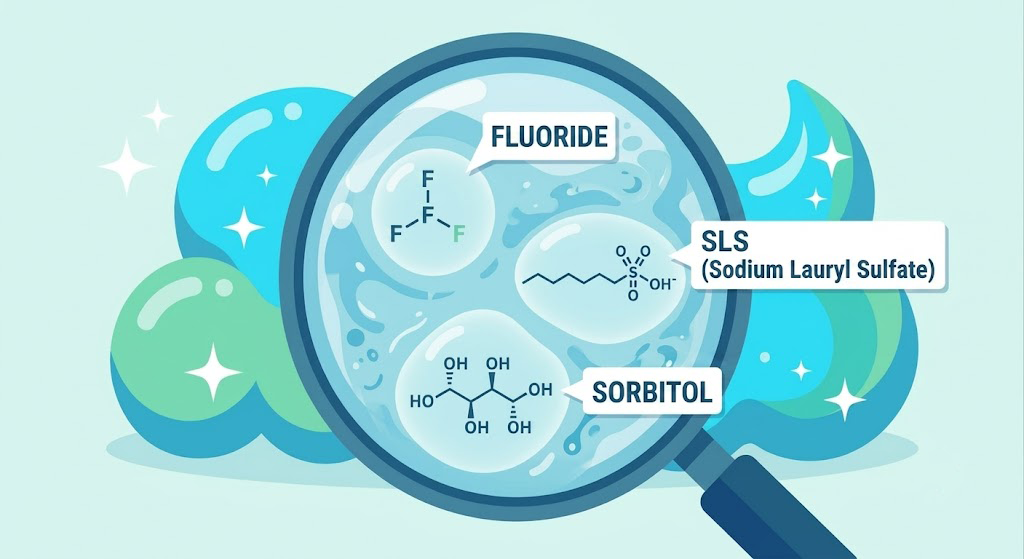
1. Fluoride
Fluoride remains the gold standard for preventing tooth decay. Organizations like the American Dental Association heavily endorse this ingredient because it actively strengthens enamel. However, individuals should only apply fluoride topically.
If ingested in large volumes, fluoride can cause acute toxicity. In the stomach, it reacts with gastric acid to form hydrofluoric acid, which irritates the stomach lining.
2. Sodium Lauryl Sulfate (SLS)
SLS is a surfactant responsible for the rich, foamy lather we associate with a clean mouth. Although SLS helps spread toothpaste across your teeth, swallowing it can severely upset your stomach. Ingestion often leads to nausea, diarrhea, and cramps.
3. Sorbitol and Artificial Sweeteners
To make oral care products palatable, manufacturers often add sugar alcohols like sorbitol. While harmless to teeth, sorbitol acts as a laxative when digested. Swallowing a large amount of paste can quickly lead to an upset stomach and diarrhea.
Recognizing Symptoms: Mild vs. Severe Toothpaste Ingestion
Swallowing more than the recommended amount of toothpaste can cause symptoms ranging from mild discomfort to severe poisoning.
| Severity | Common Symptoms |
| Mild Ingestion | Stomach ache, mild nausea, vomiting, diarrhea. |
| Severe Ingestion | Severe abdominal pain, dizziness, drooling, shortness of breath, tremors, or a slow heart rate (due to acute fluoride poisoning). |
Long-Term Risks: Dental Fluorosis From Chronic Toothpaste Ingestion
Children under the age of eight also face a long-term risk to consider. If a young child often swallows fluoride toothpaste for months or years, their permanent teeth may develop dental fluorosis. This condition causes white streaks, mottling, or brown discoloration on the adult teeth once they finally emerge.
Preventative Care: How to Avoid Swallowing Toothpaste at Home
Prevention is always the best medicine, especially when managing your family’s oral health routine.
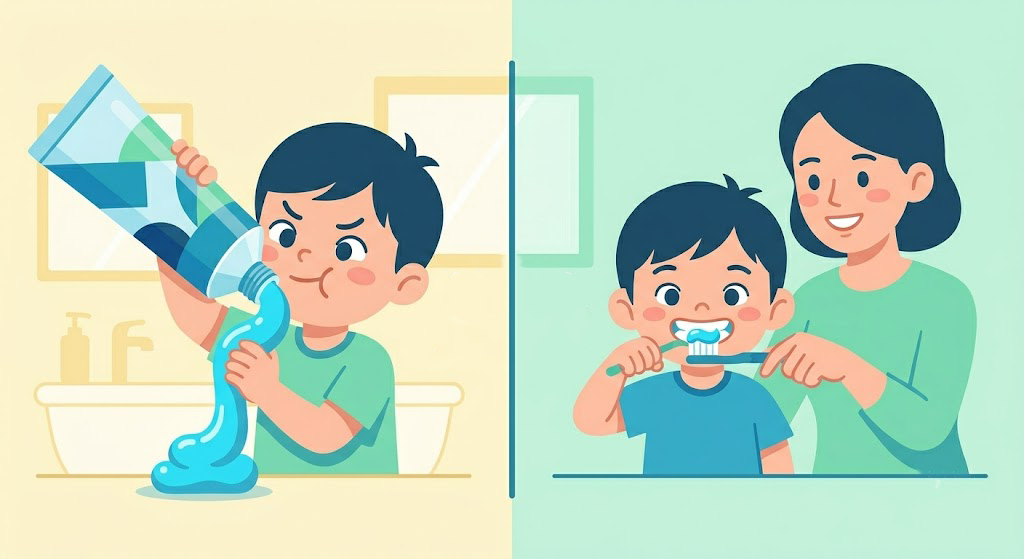
- Supervise Brushing: Children under the age of six should never brush unsupervised. Consistently reinforce the habit of spitting out the foam rather than swallowing it during oral care.
- Use the Right Amount: For children under three, use a smear of toothpaste no larger than a grain of rice. For children aged three to six, a pea-sized amount is plenty.
- Store Safely: Keep toothpaste tubes out of reach of toddlers, especially those with enticing fruit or candy flavors.
- Choose the Right Products: If your child struggles to spit, start with fluoride-free training pastes. You can also explore the Oralgos Toothpaste Collection to find safe, age-appropriate formulas for your household.
Emergency Guide: What to Do If Someone Swallows Toothpaste
In instances of unsupervised ingestion directly from the tube, caregivers must remain calm and implement immediate safety protocols.
First, estimate the approximate volume of toothpaste ingested to determine the potential risk level. For minimal over-ingestion, immediately provide a glass of water or milk to minimize gastric irritation. The calcium in milk binds with fluoride in the stomach, effectively neutralizing its toxic effects and reducing stomach upset.
Seek medical attention immediately if someone swallows a large amount of toothpaste. You must also call for emergency help if they exhibit severe symptoms like vomiting, dizziness, or breathing difficulties. Seek professional medical help immediately. Remember to bring the toothpaste tube so clinicians can instantly verify the chemical formula.
Like any healthcare product, toothpaste offers great benefits when used properly. However, safe family use requires responsible handling and storage.