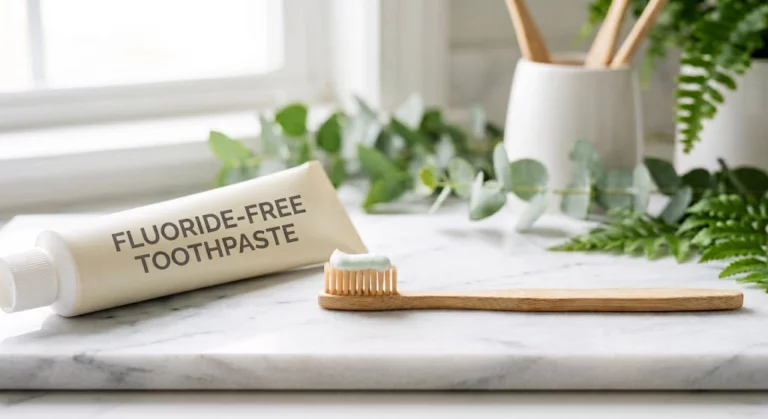
Every parent wants the best for their child’s health, from the food they eat to the toys they play with. However, parents often overlook one everyday item: the humble toothbrush. Since children brush their teeth at least twice a day, the materials in their toothbrushes matter immensely. Conventional plastic toothbrushes often carry toxins like BPA, phthalates, and heavy metals that can leach into a child’s system. Switching to a non toxic kids toothbrush is a simple yet powerful way to protect your child’s health. This guide will walk you through everything you need to know to make an informed, safe, and healthy choice.
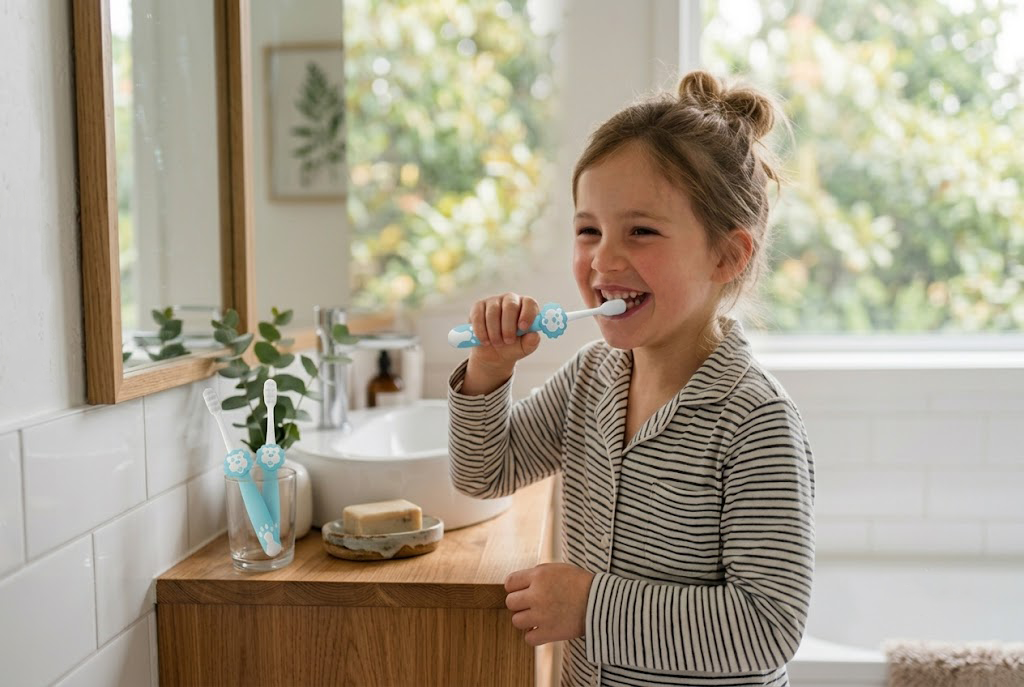
Why You Should Switch to a Non Toxic Kids Toothbrush
Children are particularly vulnerable to the chemical toxins found in everyday plastics. During brushing, mouth heat and friction cause chemicals to leach faster from plastic toothbrushes.
The Hidden Chemical Dangers in Conventional Plastic Toothbrushes
BPA is a synthetic compound widely used to harden plastics. As an endocrine disruptor, this chemical mimics hormones and harms your child’s growth, energy levels, and development. Phthalates, which make plastics more flexible, can cause reproductive issues and asthma.
By upgrading to a high-quality non toxic kids toothbrush, you eliminate these unnecessary chemical exposures completely. Organizations like the American Dental Association emphasize oral hygiene safety. Choosing toxin-free tools fits perfectly into this preventative healthcare approach.
What to Look For in a Safe Children’s Toothbrush
When shopping for oral care products, labels can be confusing. To ensure you are genuinely getting a safe product, keep the following criteria in mind:
- BPA-Free Certification: Look for explicit labeling that states the product is 100% BPA-free, PVC-free, and phthalate-free.
- Plant-Based or Bioplastic Handles: Choose handles made from safe, green materials. Look for natural bamboo, food-grade silicone, or cornstarch plastics.
- Safe Bristles: It is best to choose clear or natural bristles, steering clear of those colored with synthetic dyes. Look for high-quality bristles made from medical-grade silicone, vegetable-oil nylon, or premium PBT.
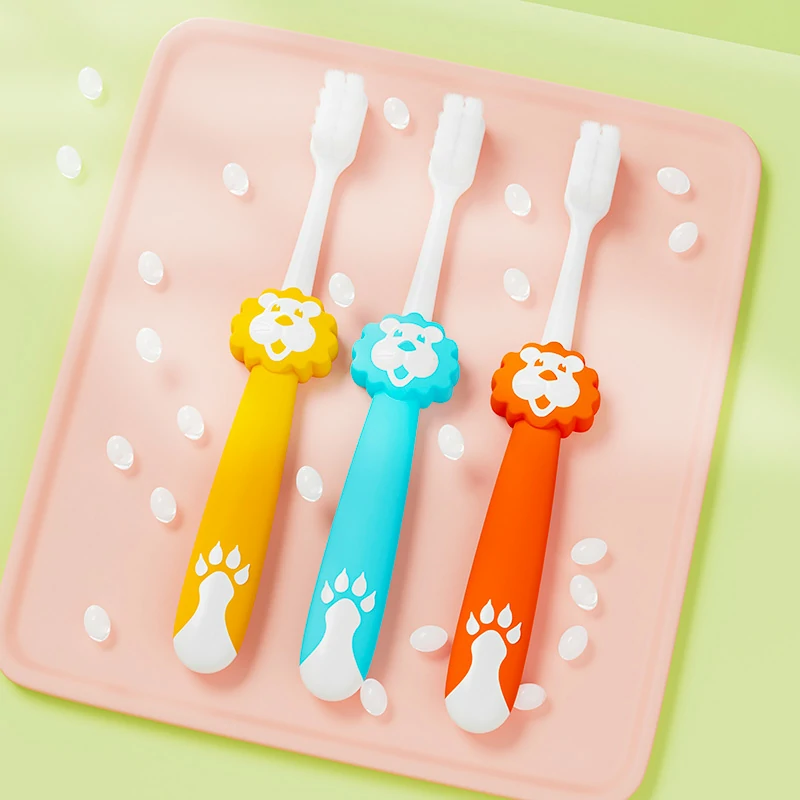
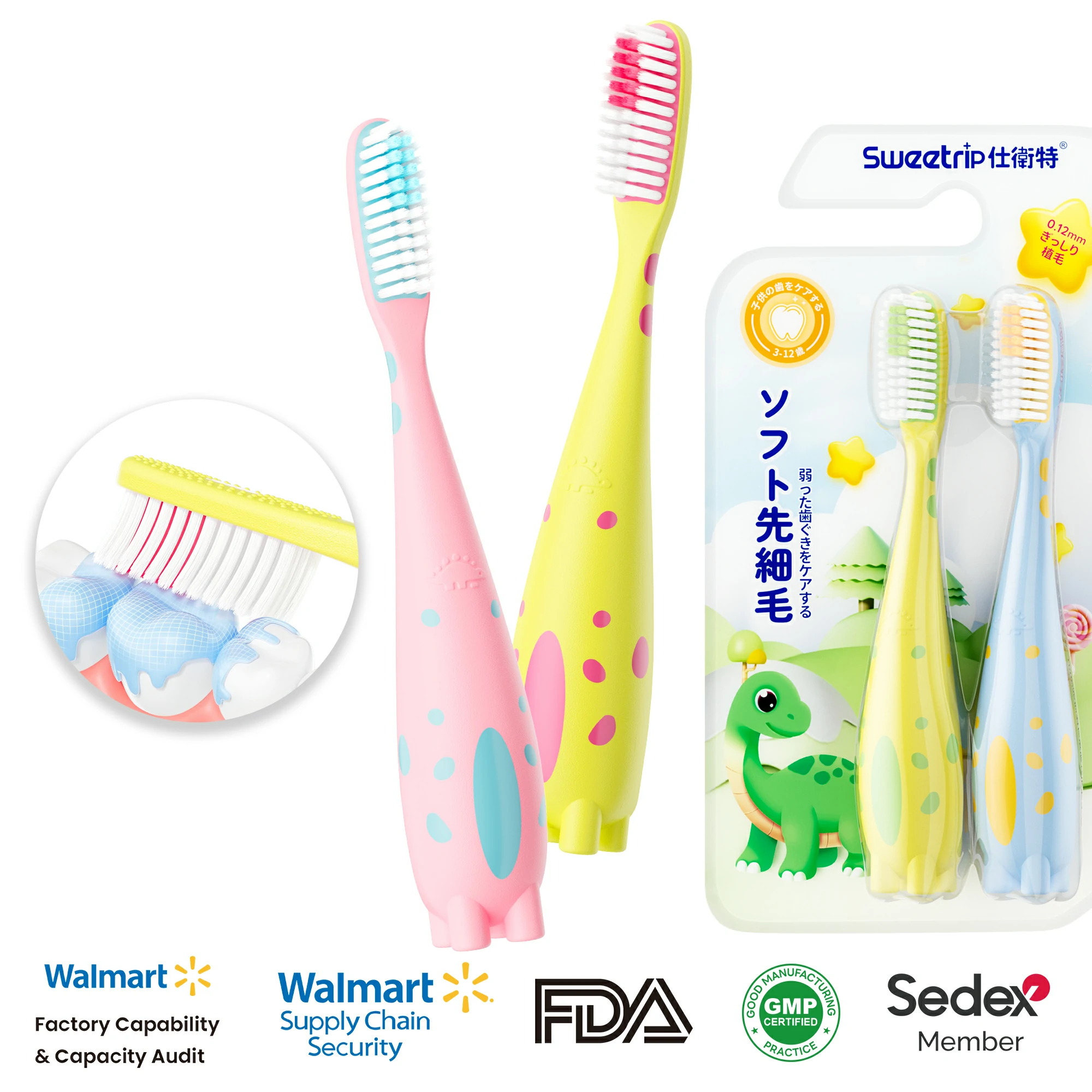
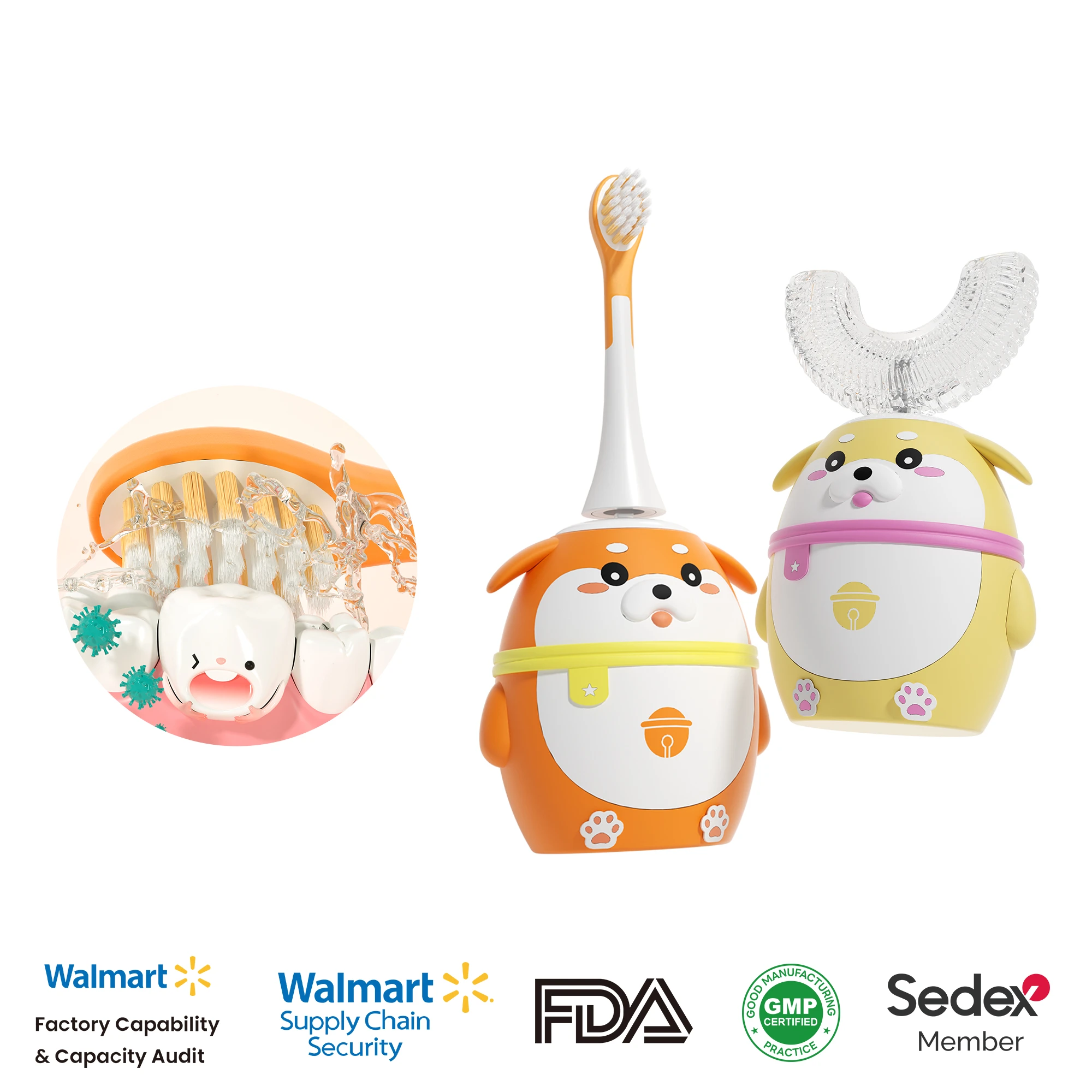
Manual vs. Electric: Finding the Best Non Toxic Kids Toothbrush Style
Parents often wonder whether they should stick to a traditional manual brush or upgrade to an electric one. Both options can be perfectly safe, provided you choose the right materials.
High-Quality Manual Options
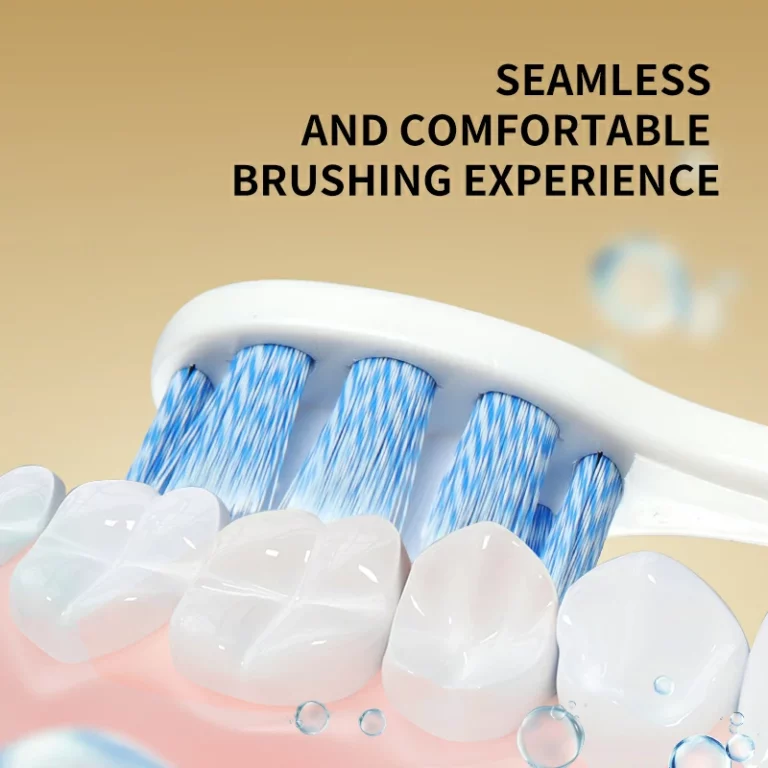
Manual brushes offer excellent control and are highly portable. If you prefer a traditional route, look for eco-friendly options. Explore a curated selection of safe manual kids toothbrushes designed with soft bristles for sensitive gums.
Safe Electric Options
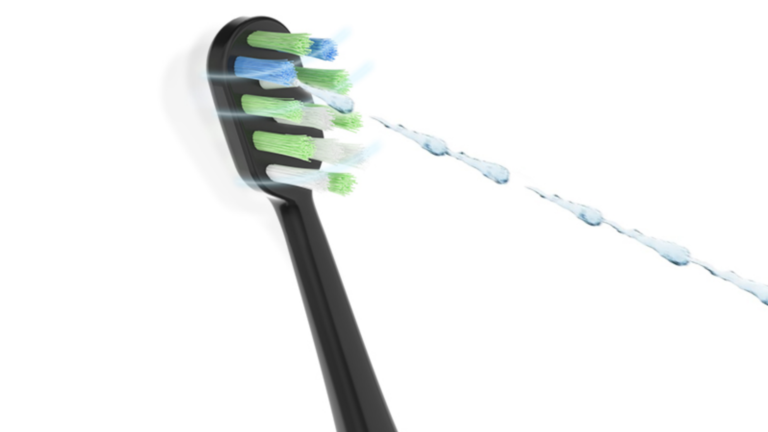
If your child struggles with brushing technique, an electric toothbrush can do much of the heavy lifting. The vibrations help break down plaque efficiently. You can easily find excellent, chemically safe electric kids toothbrushes. These modern brushes combine advanced cleaning tech with non-toxic, child-safe housing materials.
Smart Tips for Maintaining Safe Kids Oral Hygiene Habits
Finding a non toxic kids toothbrush is only half the battle; how your child uses and maintains it matters too.
- Replace the Brush Regularly: Change your child’s toothbrush every three months. Always replace it earlier if the bristles fray or after an illness.
- Supervise Brushing: Children under the age of seven generally lack the dexterity to brush effectively on their own. Supervise them to ensure they aren’t biting the brush head, which can cause micro-tears in the plastic or silicone.
- Dry Properly: Store the toothbrush upright in an open area to air dry. Storing a wet toothbrush in a closed container fosters mold and bacterial growth.
Final Thoughts: Choosing the Best Non Toxic Toothbrush for Your Child
Your child’s smile is precious, and keeping it healthy shouldn’t mean exposing them to hidden chemical risks. By choosing a non toxic kids toothbrush, you protect your child’s systemic health. At the same time, you help them build excellent oral hygiene habits for life.
Examine your child’s brush today. A simple switch to a non-toxic alternative delivers lasting health and true peace of mind.