When selecting a toothbrush, consumers typically evaluate brand reputation, head size, and handle ergonomics. However, the true hero—or culprit—of your daily dental hygiene routine sits right at the top: the bristles. Modern dental science now focuses heavily on bristle design, driving a major debate over end rounded vs tapered bristles.
Both designs protect your gums and remove plaque, but they work in completely different ways. Choosing the wrong bristle structure can lead to inadequate cleaning or, worse, irreversible gingival recession and enamel erosion. Knowing the difference between end rounded vs tapered bristles helps you choose the right toothbrush for your dental health.
What Are End-Rounded Bristles?
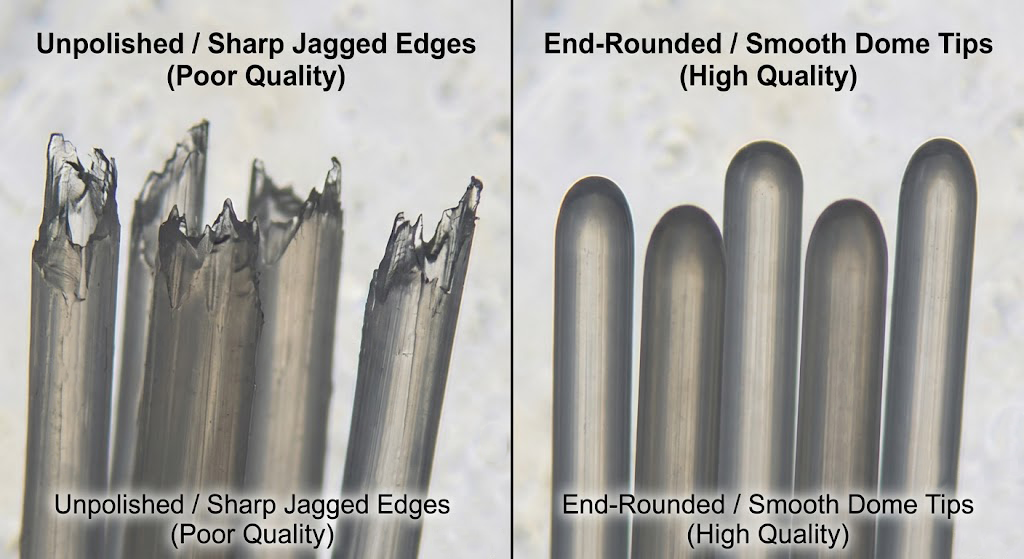
To make end-rounded bristles, manufacturers polish raw synthetic filaments—such as nylon or PBT. This process grinds away sharp, jagged edges, turning them into smooth, dome-shaped tips. Under a microscope, an unpolished bristle looks like a jagged stick. In contrast, an end-rounded bristle resembles a smooth pebble.
The primary objective of end-rounding is safety. When you brush your teeth, bristles scrape against enamel and soft mucosal tissues thousands of times every week. Smooth, rounded tips spread brushing pressure evenly. This allows the toothbrush to polish enamel and massage gums without causing microscopic cuts.
The American Dental Association consistently emphasizes gentle brushing mechanics to protect hard and soft oral structures. End-rounded bristles protect against hard brushing, allowing you to remove plaque without harming your gums.
What Are Tapered Bristles?
Tapered bristles, by contrast, feature filaments that gradually narrow toward extremely fine tips. Standard bristles keep the same thickness from base to tip. In contrast, tapered bristles narrow at the ends, reaching tips as fine as 0.01 millimeters.
This structural design gives tapered bristles exceptional flexibility and reach. These micro-fine tips slip into spaces that blunt bristles cannot reach. They clean deep between teeth and reach into the narrow crevice along the gumline, known as the gingival sulcus.
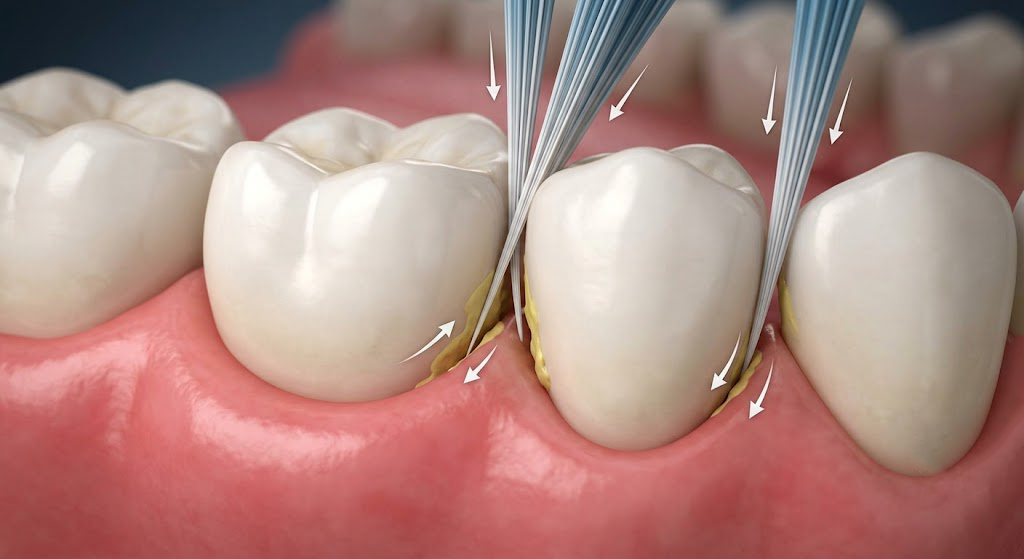
By reaching just under the gumline, tapered bristles gently sweep away trapped food and plaque without heavy pressure. Unlike dome-shaped bristles, these fine tips focus on deep reach rather than surface polishing.
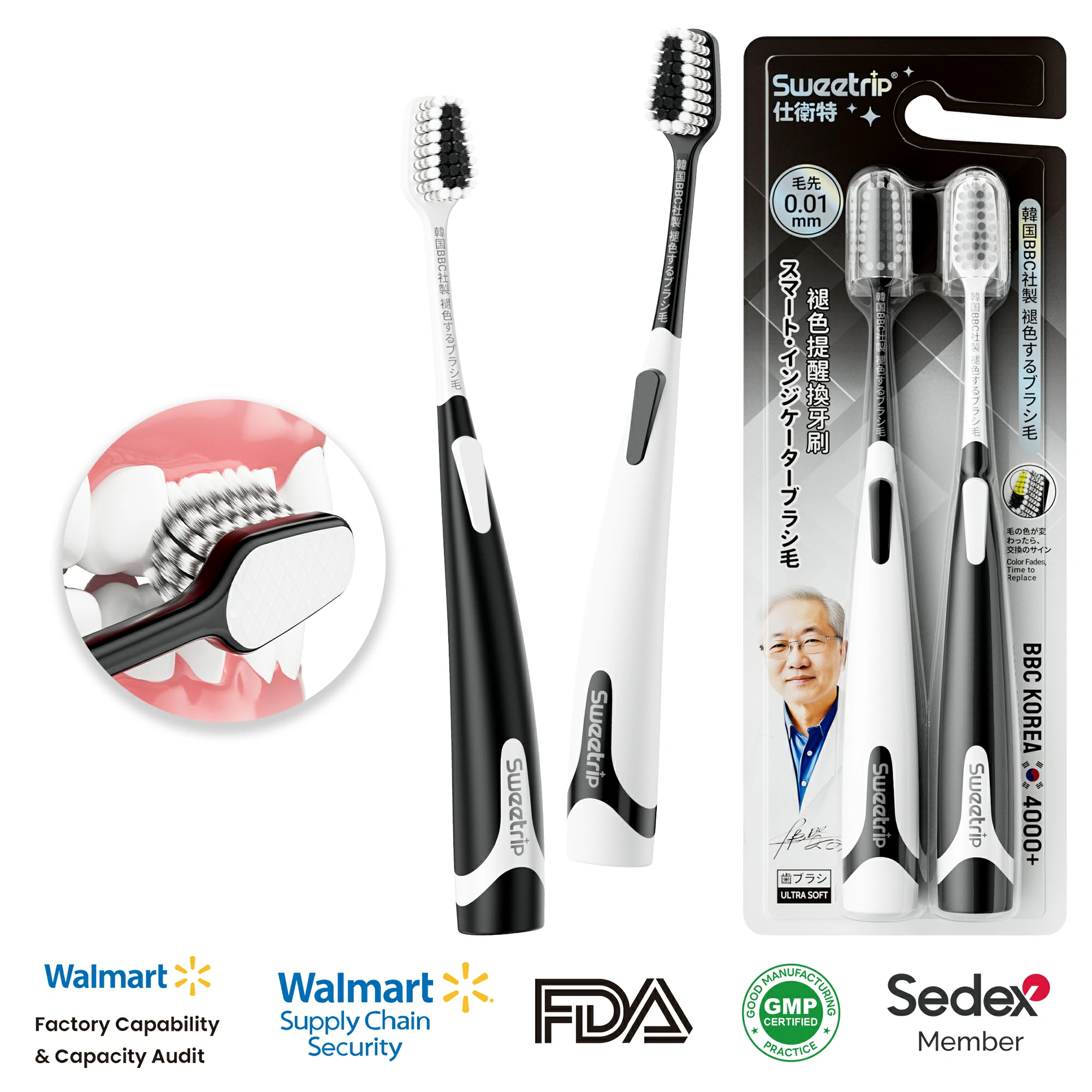
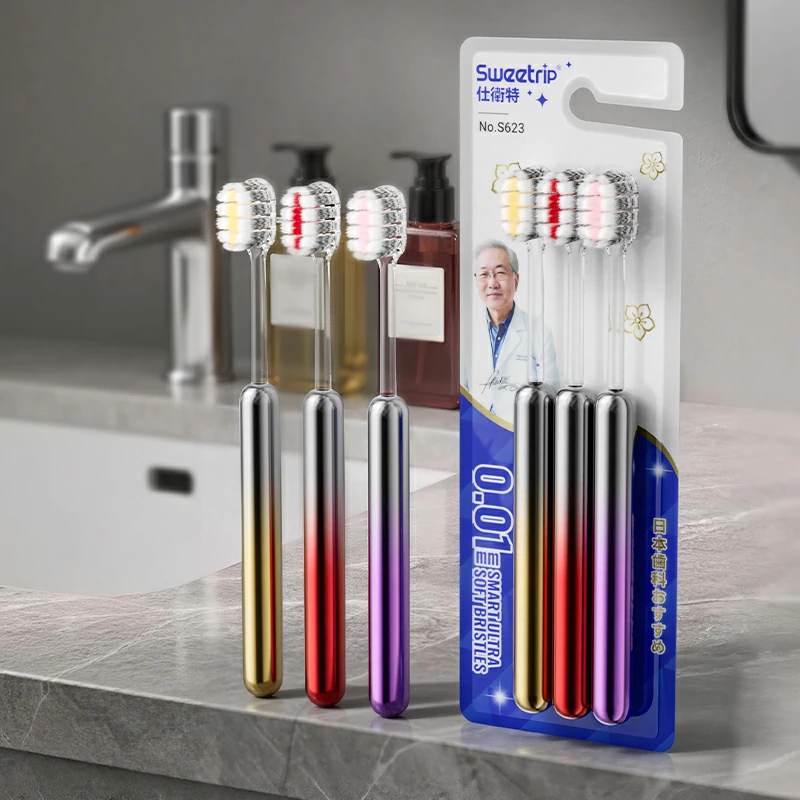
End-Rounded vs. Tapered Bristles: Key Differences Explained
To find the best style, we can compare end-rounded and tapered bristles in three key areas. These are plaque removal, gum safety, and interdental cleaning.
| Performance Metric | End-Rounded Bristles | Tapered Bristles |
| Enamel Polishing | Superior; wide surface contact removes surface stains smoothly. | Moderate; fine tips cover less surface area per stroke. |
| Gum Margin Cleaning | Cleans surface gumline safely without irritation. | Penetrates subgingival sulcus deeply for thorough cleaning. |
| Interdental Reach | Moderate; relies on bristle flex and user technique. | Excellent; thin tips slide easily into tight interproximal gaps. |
| Tissue Micro-Trauma | Lowest risk due to smooth, dome-shaped tips. | Low-to-moderate risk if excessive downward pressure is applied. |
| Durability | High; rounded tips retain shape longer under pressure. | Moderate; ultra-fine tips may splay faster over time. |
Plaque Removal Efficiency
End-rounded filaments excel at scrubbing smooth enamel surfaces. Because rounded tips stay in close contact with your teeth, they easily sweep away sticky plaque from broad enamel surfaces. Tapered filaments, on the other hand, shine in irregular topographies, bending around dental contours and sliding between crowded teeth.
Soft Tissue Health
If you suffer from sensitive gums, mild gingivitis, or soft tissue recession, bristle shape becomes paramount. End-rounded bristles cushion impact against delicate tissue, preventing mechanical abrasion.
Tapered bristles are soft on gums because they are flexible. Poorly made tapered tips can act like fine needles. This can happen if you push too hard on inflamed tissue.
Interdental Access
No toothbrush completely replaces dental floss, but tapered bristles come closer than end-rounded varieties. These ultra-fine tips reach up to 2 millimeters into gum pockets and between teeth, making them ideal for people prone to trapped food.
Choosing the Winner: End-Rounded vs. Tapered Bristles for Daily Use
Choosing between end rounded vs tapered bristles comes down to your oral health, brushing habits, and preferred toothbrush type.
- Choose End-Rounded Bristles If: You tend to brush aggressively, have exposed tooth roots, or want maximum enamel polishing. Most standard, high-quality oral hygiene products rely on end-rounded filaments to guarantee safety during daily cleaning. If you prefer traditional brushing, choosing a properly engineered manual toothbrush with rounded tips provides dependable daily defense.
- Choose Tapered Bristles If: You wear braces, have tight teeth, or struggle with mild gum pockets where food easily gets stuck. The slender tips offer remarkable agility around brackets, wires, and tight contacts.
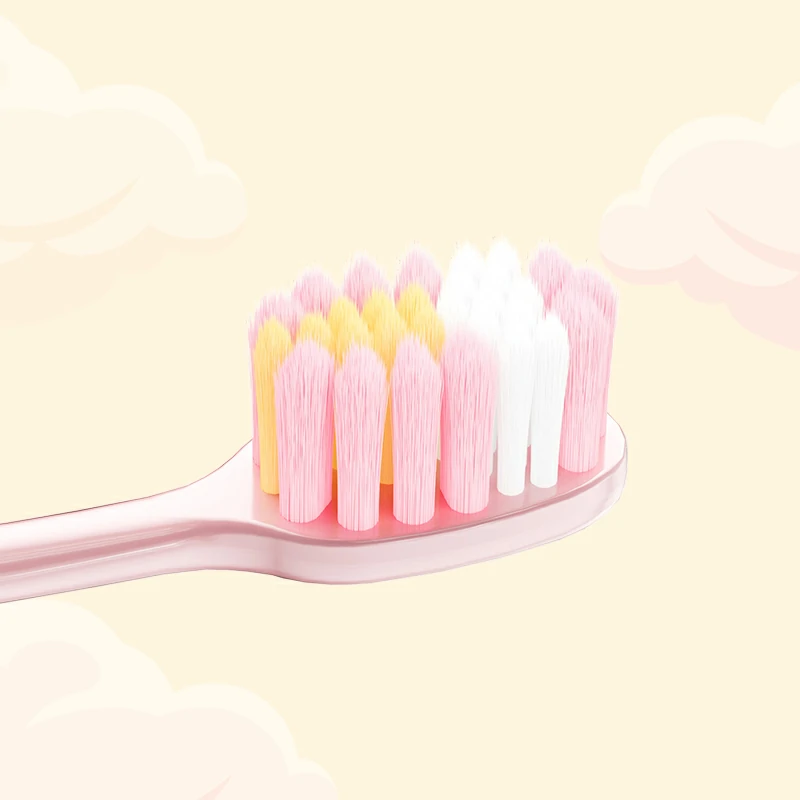
- The Hybrid Solution: Many modern toothbrush heads combine both technologies. These dual-action heads combine both designs. Inner end-rounded bristles polish tooth surfaces, while outer tapered bristles clean along the gumline.
Furthermore, the mechanics of your device play a key role. For example, if you use a high-vibration electric toothbrush, many experts consider end-rounded bristles the gold standard. Because power toothbrushes move thousands of times per minute, rounded filament ends help prevent gum irritation.
Final Verdict
Ultimately, neither design is universally “better”—they simply serve different primary roles. End-rounded bristles offer unmatched safety and smooth enamel cleaning, making them ideal for everyday protection and power brushing. Tapered bristles excel at deep-reach cleaning in hard-to-access pockets and interdental spaces.
Choosing the right bristle type protects your enamel, upgrades your daily routine, and keeps your smile healthy for years to come.