When formulating or selecting oral care products, shelf stability, microbial safety, and safety profile are primary considerations. Standard commercial toothpaste contains water, humectants, and organic binders. These ingredients create an inviting environment for bacterial and fungal growth. Understanding toothpaste preservatives helps manufacturers, formulators, and conscious consumers ensure product safety without compromising oral hygiene efficacy.
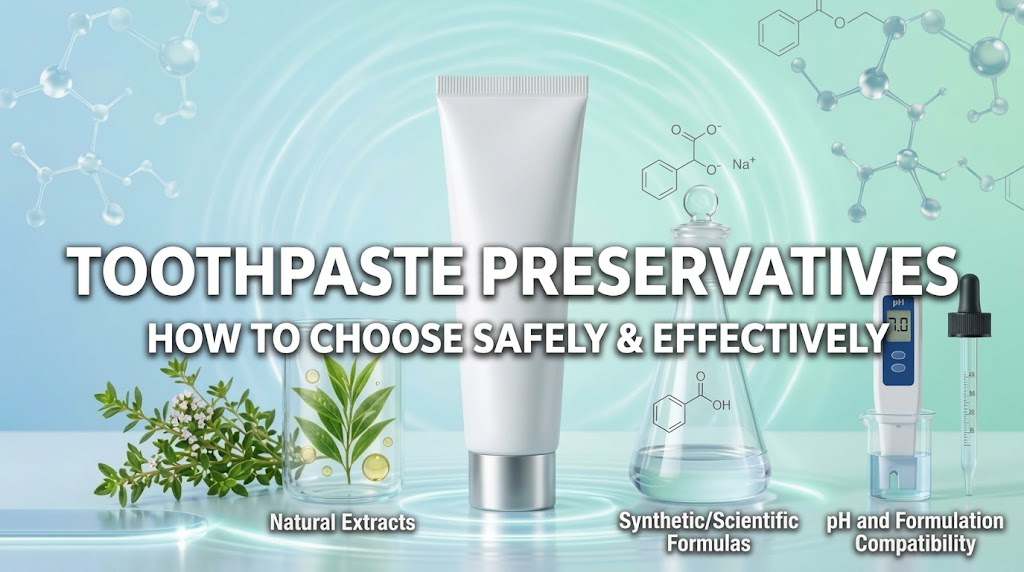
Why Are Toothpaste Preservatives Necessary in Oral Care?
Water-based oral hygiene products require microbial defense systems to prevent bacterial, mold, and yeast growth. Without adequate protection, harmful microorganisms can proliferate during storage and daily use, posing potential health risks to consumers.
Preventing Microbial Growth and Spoilage
Every time a user opens a tube or applies paste to a brush, the product is exposed to air, moisture, and ambient microbes. Effective toothpaste preservatives inhibit the growth of pathogen populations, maintaining microbiological purity throughout the product’s shelf life.
Extending Shelf Life and Maintaining Formula Stability
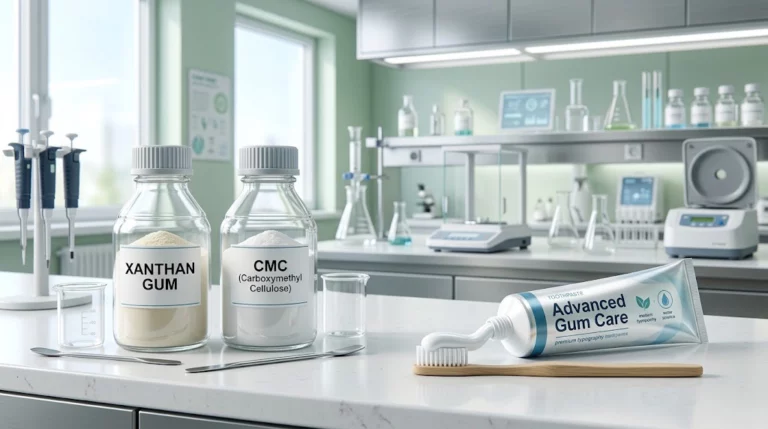
Preservatives also protect product quality over time. They keep active ingredients, flavors, and thickening agents like xanthan gum stable. By preventing degradation, they keep flavor, texture, and active ingredient potency consistent over time.
Types of Toothpaste Preservatives: Synthetic vs. Natural
Selecting the right system involves evaluating antimicrobial spectrum, regulatory approval, biocompatibility, and consumer preference. Formulators typically choose between synthetic compound blends and bio-based alternatives.
| Preservative Type | Key Examples | Benefits | Key Considerations |
| Synthetic Preservatives | Sodium Benzoate, Potassium Sorbate, Parabens | Broad-spectrum efficacy, low cost, high stability | Potential skin/mucosal sensitivity at high levels |
| Natural Preservatives | Essential oils (Thyme, Tea Tree), Organic Acids, Polylysine | Clean-label appeal, eco-friendly perception | Requires higher dosage, potential flavor interference |
Common Synthetic Toothpaste Preservatives
- Sodium Benzoate: Widely used because of its strong protection against fungi and yeast. It operates most effectively at lower pH levels (below 5.0 to 5.5).
- Potassium Sorbate: Frequently paired with sodium benzoate to achieve a broader spectrum of antimicrobial protection against yeast and mold.
- Parabens (Methylparaben, Propylparaben): Highly effective across a wide pH range, though increasingly replaced due to clean-label consumer trends.
Emerging Natural Toothpaste Preservatives
As demand grows for eco-friendly and clean-label oral hygiene solutions, natural antimicrobial agents are gaining popularity. Plant extracts, essential oils, and organic acids offer strong antimicrobial benefits. Ingredients like thymol, eugenol, and menthol also meet consumer demand for natural products.
Factors to Consider When Choosing Toothpaste Preservatives
Selecting the appropriate microbial control system requires balancing formula compatibility, safety, and regulatory compliance.
1. pH Range and Formula Compatibility
The efficacy of organic acid preservatives depends heavily on formula pH. For example, sodium benzoate requires an acidic environment to convert into active benzoic acid. Formulators must ensure their chosen toothpaste preservatives remain stable and active at the target pH of the final paste.
2. Oral Mucosa Safety and Biocompatibility
Because oral care products contact sensitive oral mucosa, non-irritating ingredients are critical. The American Dental Association requires oral care ingredients to meet strict safety standards. This helps prevent tissue irritation and absorption risks.
3. Compatibility with Other Formulations
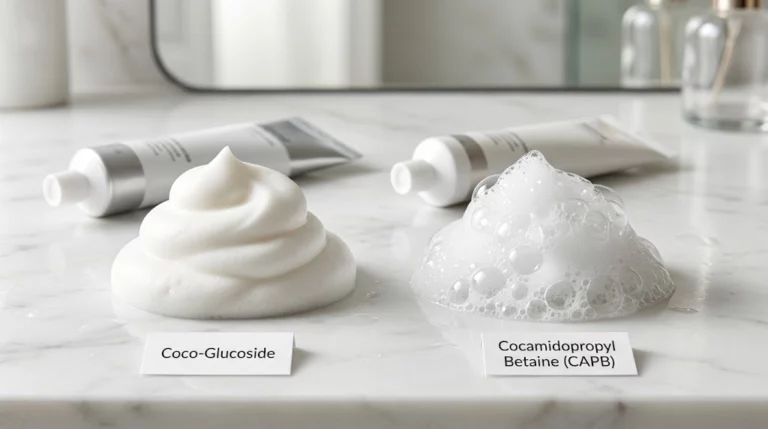
Preservatives must not react negatively with surfactants (such as sodium lauryl sulfate or coco-glucoside), abrasives (silica, calcium carbonate), or active fluoride compounds. Testing for physical stability, color retention, and flavor distortion is essential during formulation development. Explore our high-quality toothpaste category. Discover how balanced formulas offer both safety and great performance.
Key Steps for Formulators to Select the Best Option
To ensure maximum safety and regulatory compliance, formulators follow a structured evaluation process:
- Determine Product Base and pH: First, identify the formula type (water-based, anhydrous, or low-water). Next, record the exact pH level.
- Conduct Challenge Testing (PET): Test the formula against microbes using standard challenge tests like USP <51> or ISO 11930.
- Optimize Concentration: Use the minimum effective concentration required to ensure safety while preventing tissue irritation.
- Verify Global Regulatory Status: Confirm ingredient approvals in target market regions (e.g., FDA, EU Cosmetic Regulation, NMPA).
Conclusion
Choosing the right toothpaste preservatives requires balancing broad-spectrum antimicrobial protection, ingredient safety, formula stability, and consumer preferences. Whether using traditional options like sodium benzoate or exploring plant-derived alternatives, prioritizing microbial defense ensures safe, high-performing oral care products.