Brushing teeth is one of the most basic daily habits. However, a large proportion of people apply incorrect brushing techniques without being aware of it. This silent mistake can lead to plaque buildup, gum irritation, and long-term dental issues, even for those who brush twice a day.
Why does this issue occur so frequently? The answer lies in technique, timing, and a lack of understanding of what effective brushing teeth actually requires.
The Hidden Problem with Brushing Teeth Habits
Many people assume that brushing teeth harder or longer automatically means cleaner teeth. In reality, improper habits can do more harm than good.
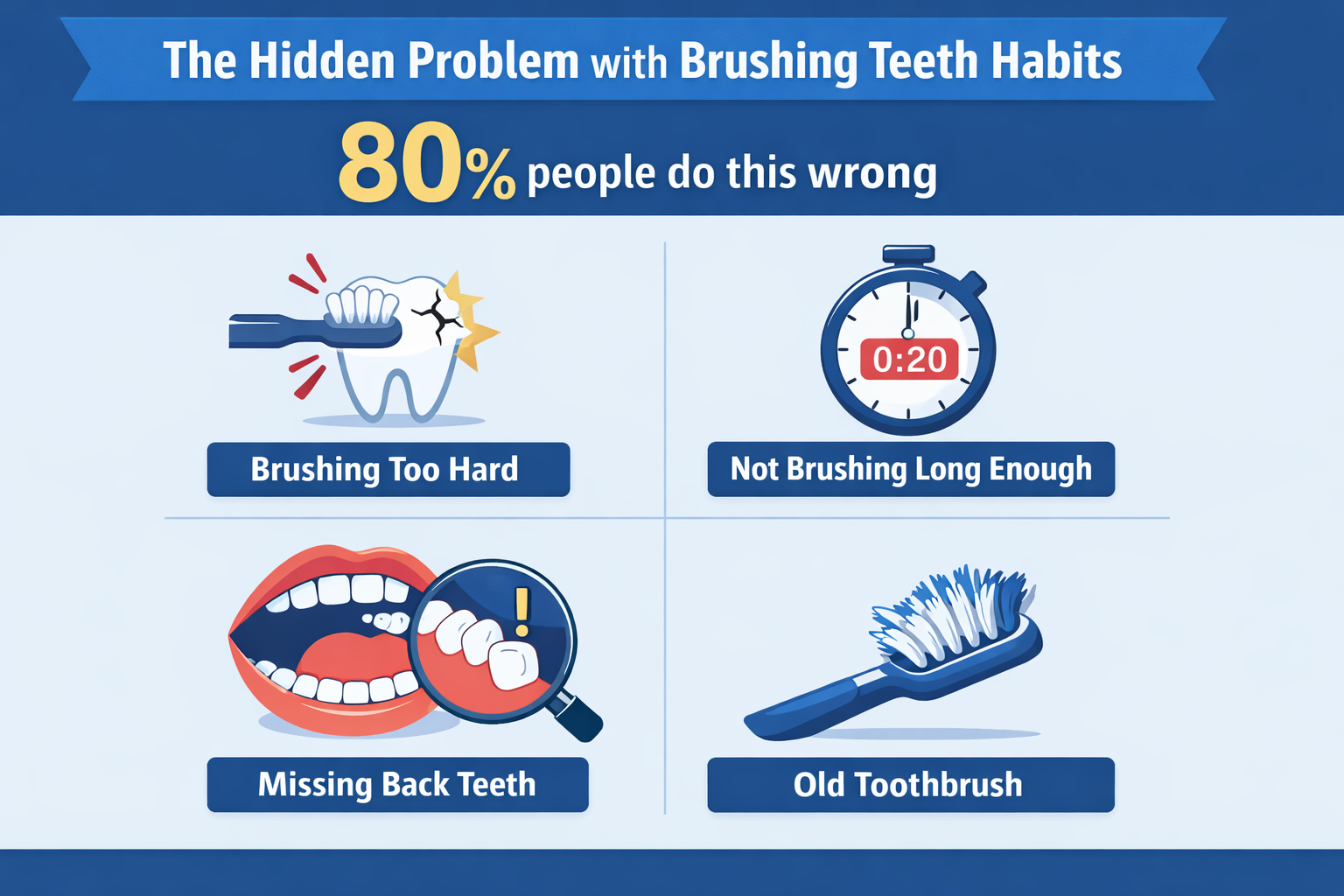
According to the American Dental Association, proper brushing should be gentle, consistent, and thorough—not aggressive. However, common behaviors tell a different story:
- Brushing too hard, damaging enamel and gums
- Rushing through brushing in under one minute
- Missing hard-to-reach areas like the back molars
- Using the wrong type of toothbrush
These habits develop over time and feel “normal,” which is why most people never question them.
Why Brushing Teeth Technique Matters More Than You Think
Brushing teeth is not just about removing food particles—it’s about disrupting bacterial plaque. This requires a specific technique that many people overlook.
Incorrect Angle and Motion
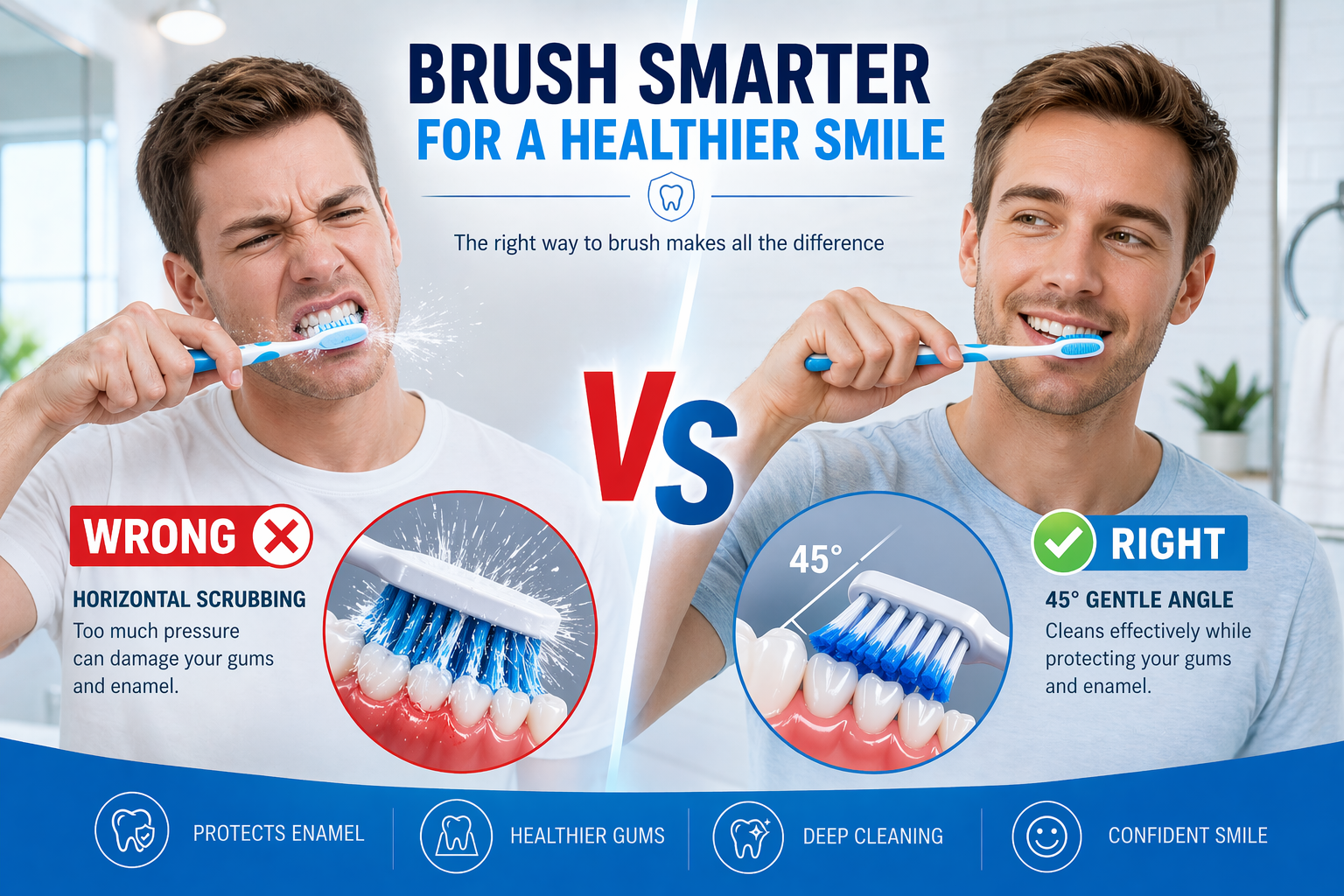
Dentists recommend holding the toothbrush at a 45-degree angle toward the gumline. Instead, many people brush horizontally with large, aggressive strokes. This fails to clean the gumline effectively and may even cause gum recession.
Uneven Coverage
Most individuals naturally focus on the front teeth because they are more visible. As a result, many people neglect areas such as inner surfaces and back teeth. Over time, this creates uneven oral hygiene and increases the risk of cavities.
The Role of Tools in Brushing Teeth Effectiveness
Not all toothbrushes are created equal. The type of brush you use can significantly impact how well you clean your teeth.
Manual vs Electric Toothbrush
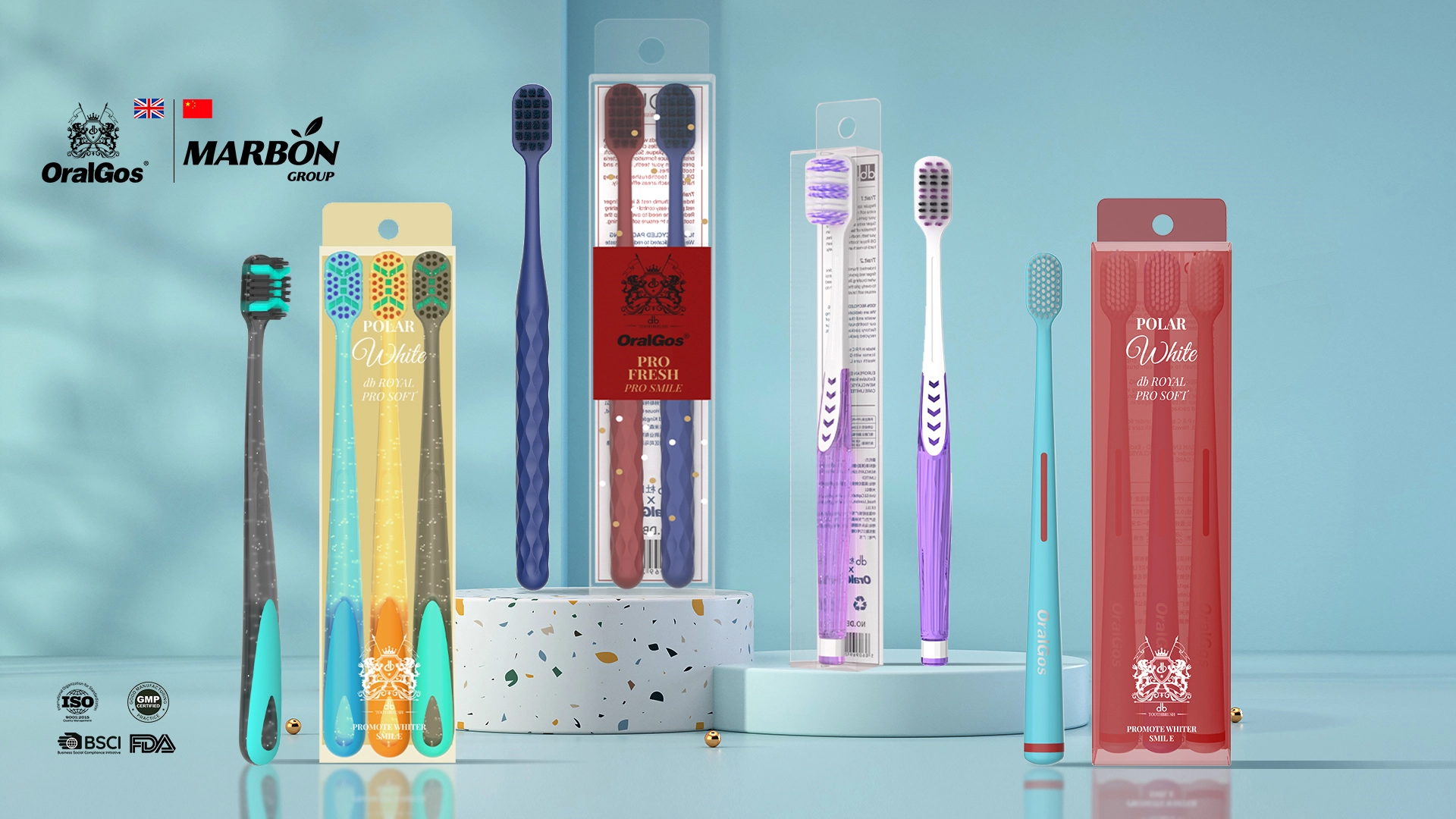
Manual toothbrushes require precise technique and consistency. While effective when used correctly, they leave more room for human error.
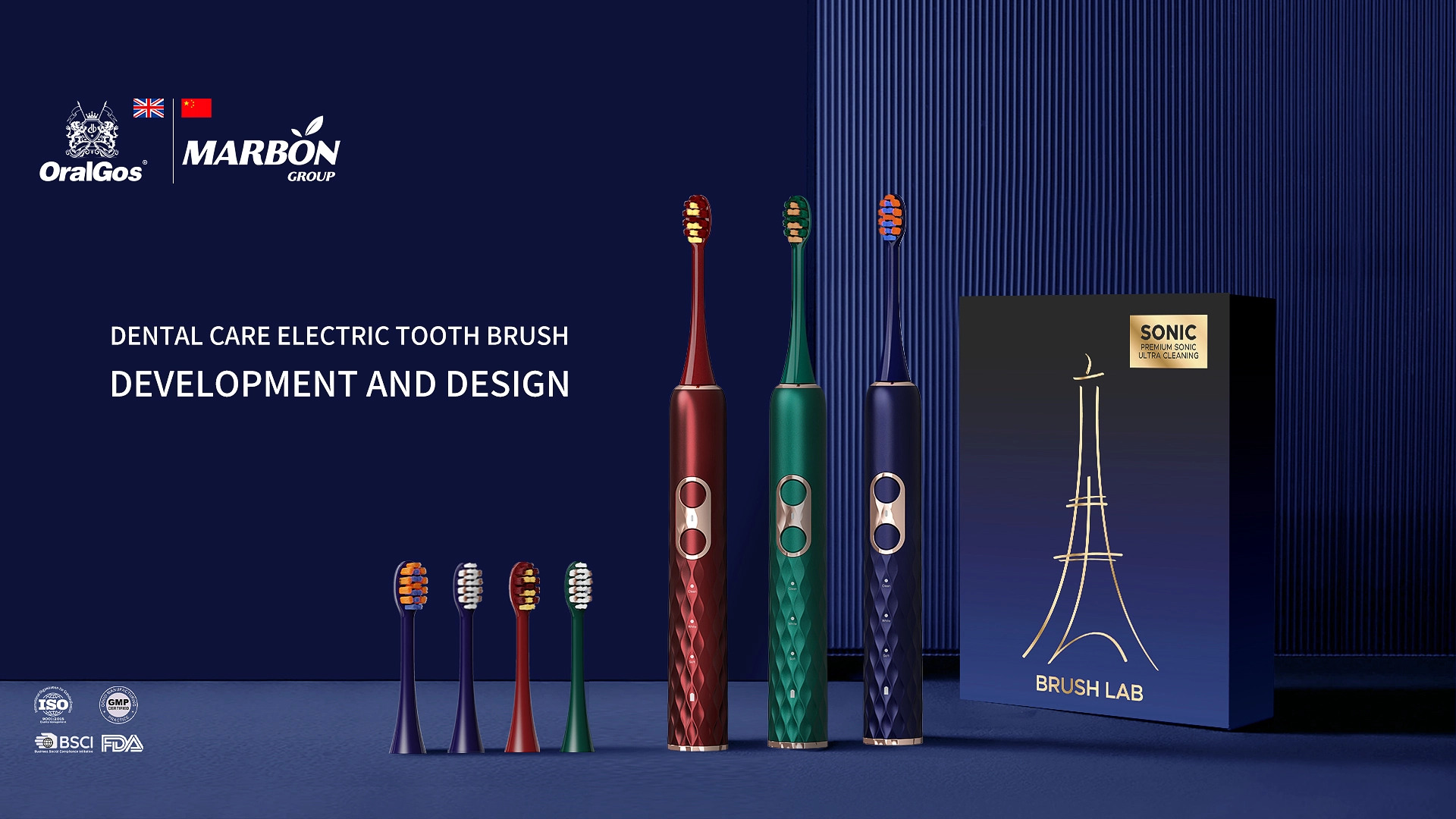
Electric toothbrushes, on the other hand, provide consistent motion and often include timers to ensure adequate brushing time. For users struggling with technique, switching tools can make a noticeable difference.
👉 Explore high-quality options here:
Common Mistakes People Make When Brushing Teeth
Even people who brush daily may fall into these common traps:
Brushing Too Quickly
Effective brushing teeth should take at least two minutes. Anything less reduces plaque removal efficiency.
Skipping the Tongue
Bacteria don’t just live on teeth—they also accumulate on the tongue. Ignoring this area contributes to bad breath and bacterial growth.
Using Worn-Out Brushes
Frayed bristles reduce cleaning effectiveness. Replacing your toothbrush every three months is essential for maintaining effectiveness.
How to Improve Your Brushing Teeth Routine
Fixing your brushing technique doesn’t require drastic changes—just smarter habits.
Follow a Structured Routine
Divide your mouth into four sections and spend 30 seconds on each. This ensures balanced coverage.
Use Gentle Pressure
Effective brushing teeth involves a gentle massaging motion rather than scrubbing. Gentle circular motions are far more effective and safer.
Choose the Right Brush
Soft-bristled brushes are generally recommended for most users. They clean effectively without damaging enamel.
Why Awareness Is the First Step
The biggest issue isn’t lack of effort—it’s lack of awareness. Most people genuinely believe they are brushing correctly simply because no one has corrected them.
By understanding the science behind brushing teeth and making small adjustments, you can significantly improve your oral health outcomes.
Final Thoughts
Brushing teeth may seem simple, but doing it correctly requires intention and proper technique. Small mistakes, repeated daily, can lead to long-term problems.
The positive aspect is that these issues are easy to correct once identified. With the right approach, tools, and consistency, you can turn a basic habit into a powerful defense for your oral health.
The next time you pick up your toothbrush, remember that proper brushing is not just about the act itself, but about doing it correctly.